





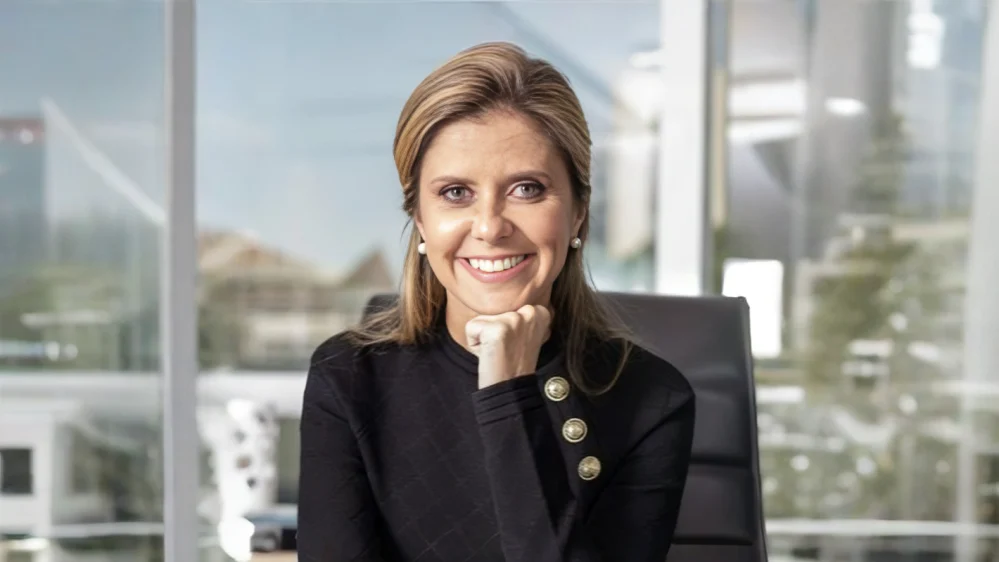
Karina Fontao, Vice President, Medical Affairs Oncology International Markets at AstraZeneca, shared a post on LinkedIn:
“This is a personal post.
Today, on International Li-Fraumeni Syndrome Day, I am sharing this from two perspectives: as a physician who has had the privilege of working in the pharmaceutical industry and witnessing the remarkable progress in cancer care, and as someone who later discovered a germline TP53 p.R337H mutation and became part of the Li-Fraumeni syndrome community.
In Li-Fraumeni syndrome, these advances are especially meaningful. NGS and broader molecular profiling have transformed our ability to identify hereditary cancer risk with greater precision, while progress in multiomics is expanding our understanding of the biological complexity behind cancer development.
At the same time, innovations such as liquid biopsies and structured surveillance with whole-body MRI protocols are helping shape a more proactive approach centered on earlier detection and closer monitoring for people living with this syndrome
Living with Li-Fraumeni syndrome brings a very personal perspective to these advances. It is a reminder that risk is not destiny, and that progress in science can translate into meaningful hope for patients and families.
While there is still much more to achieve, we have already come a long way. I remain optimistic that continued innovation, collaboration, and deeper scientific understanding will keep improving the future for people living with hereditary cancer risk and for the Li-Fraumeni community.”
Picture made with Co-pilot
Other articles about Li-Fraumeni Syndrome on OncoDaily.