





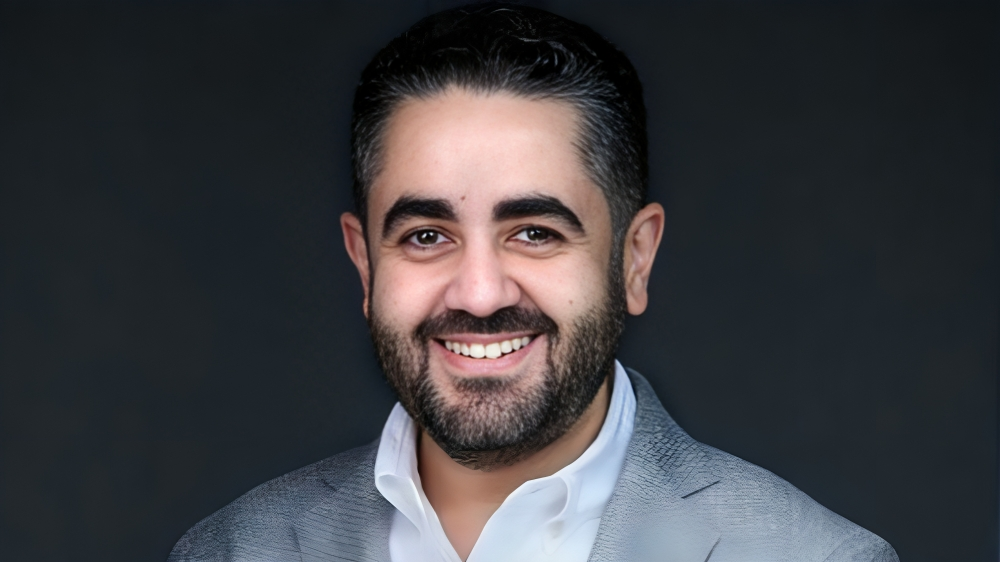
Islam Hassan, Global Head of Development (Neuro-Oncology) at Servier Pharmaceuticals, shared a post on LinkedIn:
“While taking some time off, I found the space to think more deeply about the challenges ahead and about what our next steps should be more strategically, and I wrote this article to reflect my personal thoughts on the progress in neuro-oncology clinical development.
After the First Wins: Rethinking the Path Forward in Neuro-Oncology
With the recent progress we have seen, neuro-oncology is increasingly being described as a field that is “finally turning a corner” after years of disappointments. There is probably some truth to that, but only if we are equally honest about how much work still lies ahead. The approvals of targeted therapies like vorasidenib and tovorafenib, and the emergence of other therapies like dordaviprone, are meaningful milestones. They reflect years of work to uncover key vulnerabilities in tumor biology, and they show that precision medicine approaches can translate into real clinical benefit for patients with brain tumors.
At the same time, these developments remain, unfortunately, more the exception than the rule. Anyone looking carefully at the broader landscape will immediately recognize that progress is still uneven. Drug development for brain tumors continues to be one of the most complex spaces in oncology, and in many ways, one of the most humbling.
Having worked in this space for more than a decade now, both in academia and industry, a few lessons have become increasingly clear to me.
Biology is the cornerstone of any development effort, but our understanding of tumor biology is never straightforward. Variability remains the one constant we continue to face, even within molecularly defined populations. That variability is a reminder of how much context matters, whether in how tumors evolve over time, how the tumor microenvironment changes, or more broadly, how the timing and type of intervention can play a defining role.
At the same time, clinical trials are themselves an evolving science, and our endpoints need to evolve with them, but this does not come without significant tension. Of course, as in any oncology setting, overall survival remains our gold standard and a critical endpoint. But how do we apply this in disease settings where OS is simply not a practical endpoint for a trial, especially when survival is measured in years? Progression-free survival, objective response rates, and even more technically advanced measures like volume-driven tumor-growth dynamics all require significant discussion, debate, and alignment across the community, including physicians, industry, regulators, and payors.
This also means that our trial designs will need to evolve. With the continued momentum toward defining smaller, molecularly defined, homogeneous subpopulations, larger randomized studies will become harder to execute. We will need to think beyond the standard clinical trial manifesto. We will need to innovate on multiple fronts, including the robustness of our real-world data, the role of external controls, and the potential for AI tools to support innovation in rare cancer settings. These are not just ideas, they are fundamental concepts that will soon become essential to the success of future clinical development efforts. But these concepts also require discipline, so that advancement does not come at the expense of rigor.
On a similar front, the therapies we are developing will need to take into consideration patient needs and lifestyle, and this is not a luxury. It is a fundamental issue when developing drugs for patients with diseases like lower grade gliomas. Our patients live for years, and we strive to offer them life-extending therapies that do not compromise their quality of life or create detrimental long-term consequences. We are not just trying to treat tumors, we are treating patients who have lives, who want both the years and the quality in those years.
And while all of these pillars are important, execution is another fundamental step. That execution will not be in the hands of industry or academia alone. It has to be a collaborative, community-based effort that includes all stakeholders, academia, industry, regulators, patient communities, payors, and more. We need to ensure that every voice is heard. Our collaborations have already yielded important achievements, but we also need to remain mindful of the operational complexities that can create misalignment and slow us down.
The challenges ahead of us are clear.
Primary malignant brain tumors, such as high grade gliomas, remain an area of profound unmet need. Targeted therapies are at the center of recent developments, but it is our duty to fully understand these treatments, their limitations, the patterns of primary and acquired resistance, and how to best position them within the treatment landscape. We also have to invest in understanding why certain modalities, such as immunotherapy, which succeeded in other solid tumors, did not show the same promise in brain tumors, and what other modalities may offer the right path for the next wave of development.
So where does that leave us?
In my opinion, we are at a unique juncture in neuro-oncology, one that should be approached with both optimism and responsibility. We have demonstrated that progress is possible. Now the task in front of us is to interpret that progress wisely, build on it responsibly, and make sure that momentum is translated into durable advances for patients.
As much as quick wins are always appealing, what I really hope for, and aspire to continue seeing, are incremental wins built on small but meaningful steps. Steps that allow us to ask better questions, design more efficient studies, and deliver where patient needs truly are.
That is how this field will move forward. And if we stay true to that path, progress will not just be possible, it will be inevitable.
Disclaimer: The article reflects my personal ideas. The image was generated using AI.”
Other articles featuring Islam Hassan on OncoDaily.