





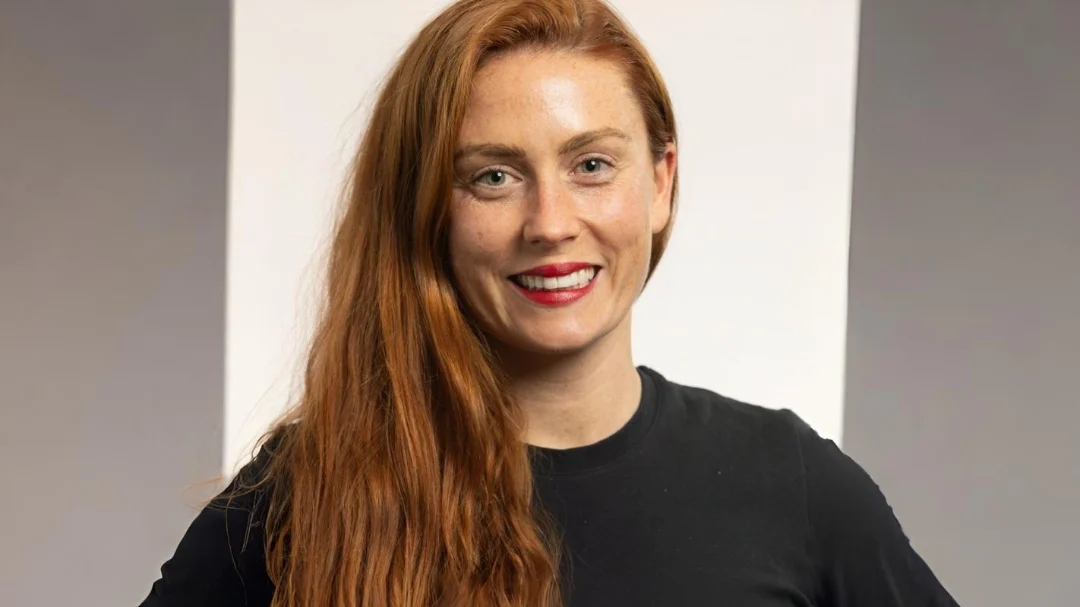
Hannah Wardill, NHMRC/Hospital Research Foundation Fellow and Lead of Supportive Oncology Research Group at SAHMRI/Uni AdelaideMASCC Board Member, shared a post on LinkedIn:
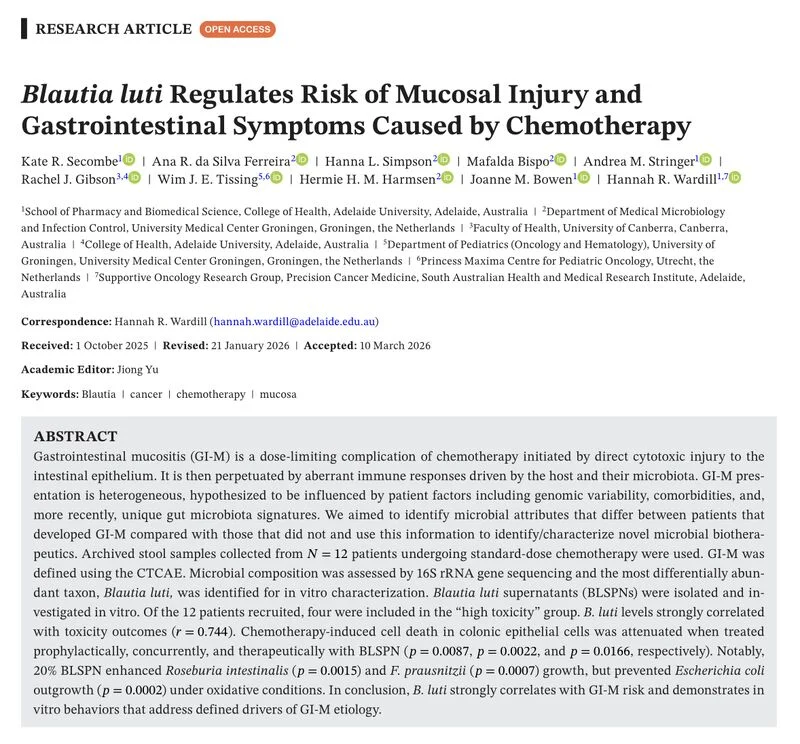
“Why do some patients sail through chemotherapy… while others develop debilitating diarrhea?
Our latest work points to a potential answer: the unique gut microbiome of the patient.
In this study, we identified Blautia luti as a key microbial signature linked to diarrhea risk. Patients with and without diarrhea showed striking differences in its abundance BEFORE treatment.
In vitro, Blautia luti didn’t just correlate with outcomes – it actively protected intestinal epithelial cells from chemotherapy-induced injury.
Even more compelling:
- It supported beneficial microbes (Roseburia, F. prausnitzii)
- It suppressed pathogenic outgrowth (E. coli) under stress conditions
- It targeted multiple known drivers of diarrhea biology
This is where things get exciting.
We’re moving beyond describing the microbiome… to leveraging it.
From risk prediction to mechanism to potential microbial therapeutics.
Because if we can identify patients at risk and intervene early with targeted biotherapeutics, we have a real opportunity to change how we manage chemotherapy toxicity, ensuring patients safety and wellbeing are equally optimised as their tumour control and survival.
Title: Blautia luti Regulates Risk of Mucosal Injury and Gastrointestinal Symptoms Caused by Chemotherapy
Authors: Kate Secombe, Ana da Silva Ferreira, Hanna Simpson, Mafalda Bispo, Andrea Stringer, Rachel Gibson, Wim Tissing, Hermie Harmsen, Joanne Bowen, Hannah Wardill
Other articles featuring Hannah Wardill on OncoDaily.