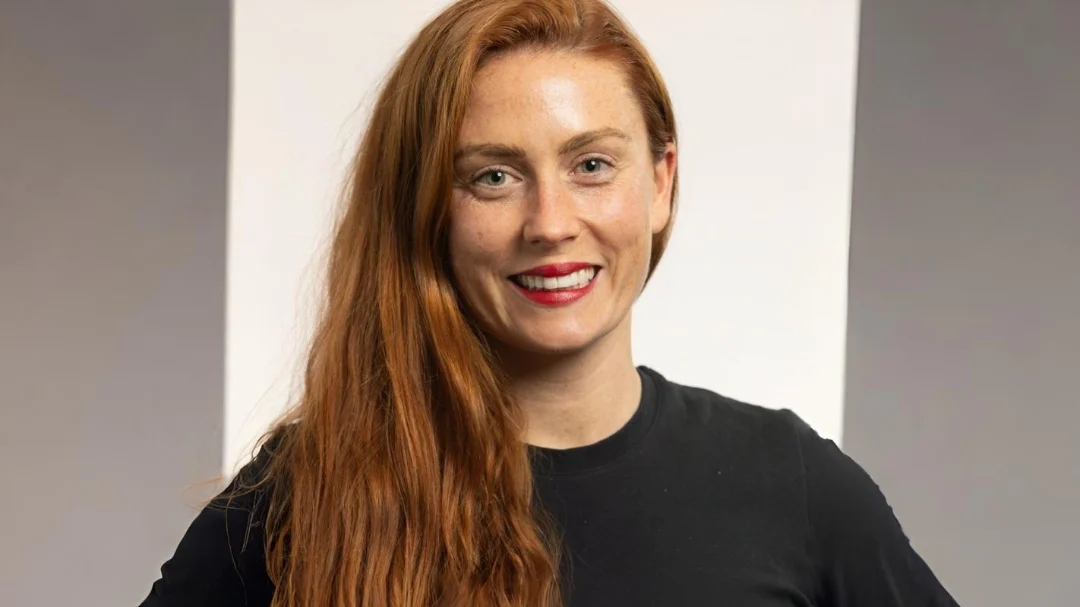
Hannah Wardill, NHMRC/Hospital Research Foundation Fellow and Lead of Supportive Oncology Research Group at SAHMRI/Uni AdelaideMASCC Board Member, shared a post on LinkedIn:
“Why do some people develop ‘chemobrain’ — and others don’t?
Cancer-related cognitive impairment affects a substantial proportion of people receiving chemotherapy. For some, it’s mild. For others, it’s life-altering.
In our new paper, led by Supportive Oncology Research Group (SORG)’s Dr Courtney Cross, we explore whether the answer lies in the factors that makes each of us unique.
- Our genes
- Our microbiome
- Our metabolome
- Our immune signatures
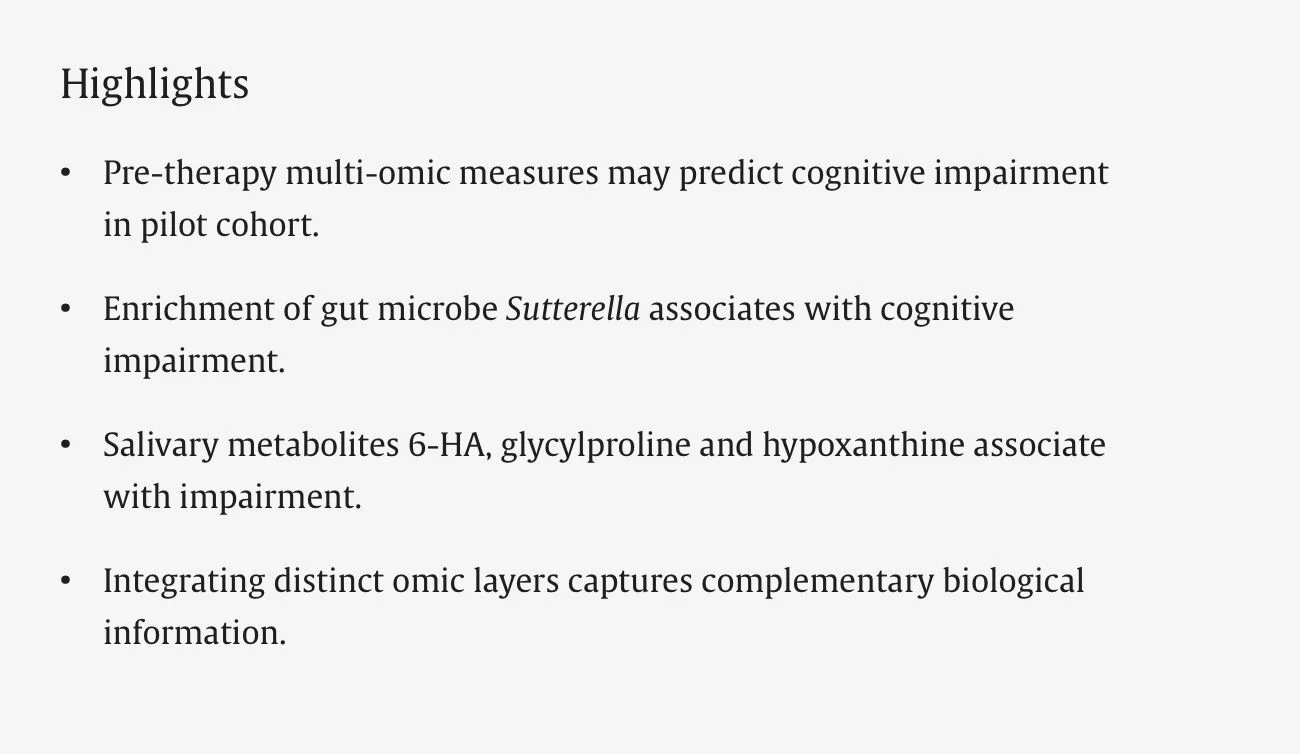
By integrating these layers, we move closer to predicting who is most vulnerable to chemobrain — before symptoms develop.
If we can predict risk, we can intervene earlier, tailor treatments, and protect quality of life alongside survival.
Proud of the team for pushing this space forward, in particular the wizardry of Feargal Ryan who helped bring all the data to life!”
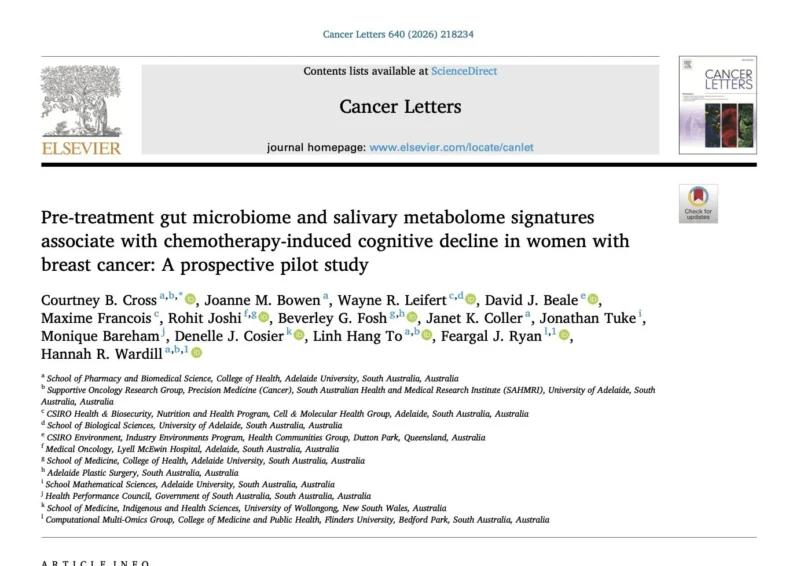
Title: Pre-treatment gut microbiome and salivary metabolome signatures associate with chemotherapy-induced cognitive decline in women with breast cancer: A prospective pilot study
Authors: Courtney Cross, Joanne Bowen, Wayne Leifert, David Beale, Maxime Francois, Rohit Joshi, Beverley Fosh, Janet Coller, Jonathan Tuke, Monique Bareham, Denelle Cosier, Linh Hang To, Feargal Ryan, Hannah Wardill
Read the Full Article.
Other articles featuring Hannah Wardill on OncoDaily.