





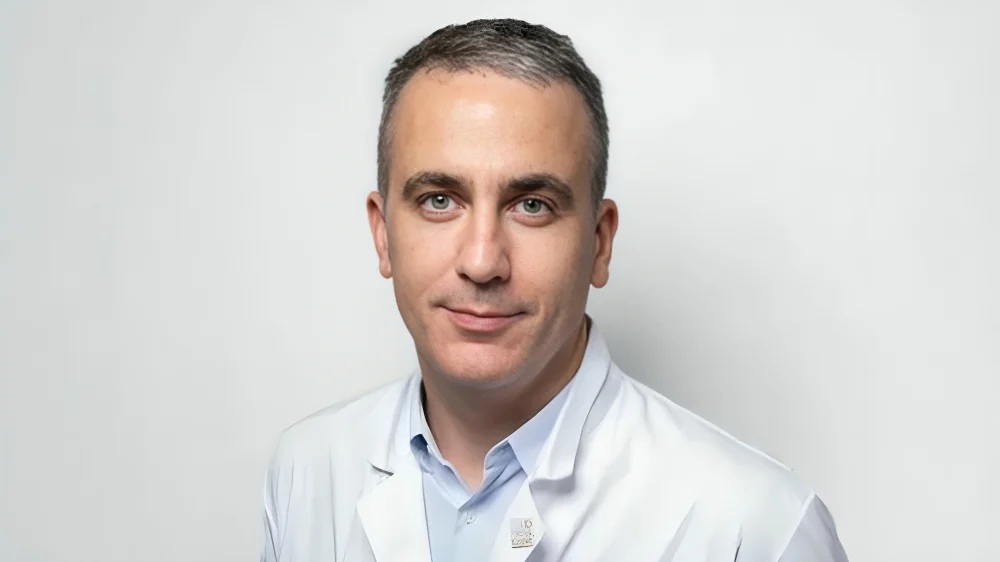
François-Clément Bidard, Head of Center for Clinical Investigation CIC-2501 at Inserm, shared a post on LinkedIn:
“What did we learn from the public hearing by FDA on SERENA-6?
Mainly that innovating remains difficult in a system that favors static approaches.
In short:
- The U.S. FDA agrees the study met its predefined endpoint, with no statistical concerns: the switch to cami improves PFS, compared to the current standard of care. The questions instead relate to interpretation within the clinical context, beyond statistics.
- But then, additional results supporting the broader value of the strategy, including QoL, PFS2, and ctDNA kinetics, are dismissed due to lack of alpha control or because they fall outside current regulatory doctrine, such as PFS2.
- In addition, there is still no clear framework proposed by FDA for using ctDNA. Designing a registration trial with crossover is not endorsed by FDA (as not interpretable). An OS primary endpoint is not realistically feasible in 1st line, and would likely be criticized anyway.
- Also, in the same week, vepdeg’ was approved based on a ‘modest’ (<3m) PFS gain observed vs fulvestrant monotherapy (when everyone knows it is not the best treatment option, PFS-wise), highlighting a striking inconsistency that supports ancient vs modern approaches to mBC therapy.
SERENA-6 is a first-of-its-kind study and cannot answer everything. Future trials can precise the modalities (which patients do have symptomatic PD, ctDNA testing modalities, etc).
In conclusion, the ‘head-in-the-sand’ strategy is probably not the best way to take into account ctDNA implementation – these tests are entering routine clinics… Let’s hope FDA realized that during the ODAC.”
Other Articles Featuring François-Clément Bidard on OncoDaily.