





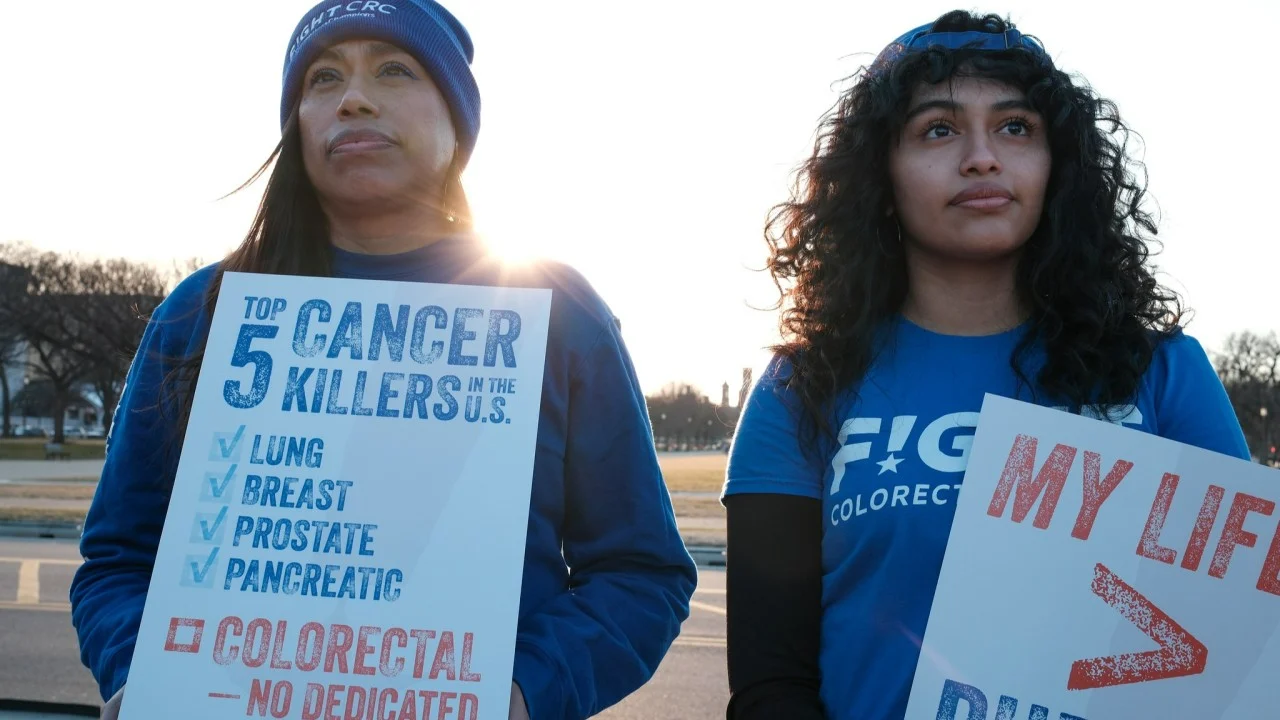
Fight Colorectal Cancer shared a post on LinkedIn:
“Colorectal Cancer Awareness Month: What happens when urgency, community, and relentless advocacy come together
Written by Anjee Davis, MPPA
CEO of Fight Colorectal Cancer (Fight CRC)
As we prepared for March, a new JAMA publication from Rebecca Siegel at the American Cancer Society showed that in 2023, colorectal cancer became the leading cause of cancer death for people under 50. At the same time, overall cancer deaths for people under 50 fell roughly 44% from 1990 to 2023, which makes this trend even more alarming and frustrating.
Her findings set the stage for Fight CRC’s 20th Call-on Congress, and my 16th, our annual lobby day that brings survivors, caregivers, and advocates from across the country to Washington, DC. We placed 27,400 flags on the National Mall. Four years ago, we chose that number because it represented the projected number of people under 50 who will be diagnosed with colorectal cancer in 2030. The display of blue flags is beautiful, but the reality is each of those flags represent a life. Colorectal cancer is rising, especially among younger adults, and the trend is not slowing.
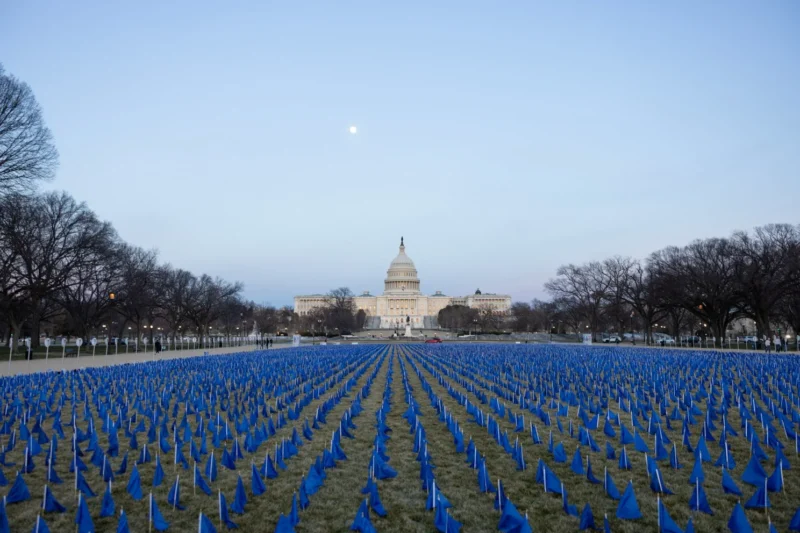
27,400 flags decorate the National Mall during the 2026 Colorectal Cancer Awareness Month. [Fight Colorectal Cancer]
After a day of planting flags, we hosted a community rally on the National Mall. One of our speakers, Dr. Ibram X. Kendi, is a colorectal cancer survivor. He shared that after his diagnosis he asked himself, ‘Why me? Why not you?’ That line hit me.
We have been planting blue flags since 2022, but this year felt different. This year the message is colorectal cancer is the leading cause of cancer death for people under 50. You can’t pacify that fact or brush it off. The reality is it could be you. It could be someone you love. It feels personal. The only way we can change this is if we increase screening, expand access, and invest in research. This can’t be optional if we want to prevent avoidable deaths.
So, like any good advocate, I reached out to the greatest cancer research resource in the country, the National Cancer Institute (NCI) and secured a meeting with the new Director, Dr. Anthony Letai. Our best and brightest researchers, Andrea Dwyer, Dr. John Inadomi, Dr. Folasade May, Dr. Cathy Eng and Rebecca Siegel, joined me to meet with him. He heard the data, saw the urgency, and by the end of our meeting recognized we need to prioritize colorectal cancer research. Getting NCI fully aligned as a partner matters because it is the nation’s largest funder of cancer research, and its leadership shapes the field. It was such an honor to meet with him.
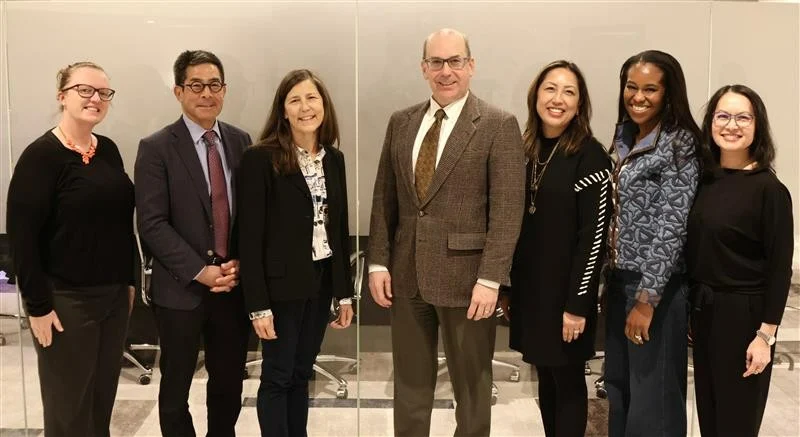
From left, Andrea Dwyer, Dr. John Inadomi, Rebecca Siegel, NCI Director Dr. Anthony Letai, FightCRC CEO Anjee Davis, Dr. Folasade May, and Dr. Cathy Eng pose for a photo during the 2026 Call-on Congress in Washington, DC. [Fight Colorectal Cancer]
After four days in DC, we flew home and our team got right back to work. We drafted a letter to ensure the HEDIS follow-up colonoscopy measure reflects the needs of patients and families. If someone gets a positive stool or blood-based screening test but cannot complete a follow-up colonoscopy, it is as if screening stopped halfway. We have to measure follow-up colonoscopy rates if we want screening programs to truly save lives.
Why does this matter?
HEDIS is one of the most widely used performance measurement tools in healthcare, covering plans that serve more than 235 million people, and The National Committee for Quality Assurance (NCQA) says it is used to evaluate and drive health care quality. What gets measured gets prioritized.
Two weeks into the month, advocates are rushing to meet deadlines to fill out our appropriations requests. We cannot put all of our research dollars in one basket. There is another critical opportunity to expand colorectal cancer research through the Department of Defense. We have built bipartisan support and are asking for colorectal cancer to have its own line item at $20 million within the DoD’s Peer Reviewed Research Program.
We are not stepping back. Even when the world feels complicated and being heard feels impossible, we have to find ways to make it possible. That is how advocacy works.
The rise in colorectal cancer is not slowing down, and neither are we. We will save lives through our advocacy efforts, and that makes it all worth it.
– Anjee Davis CEO, Fight CRC
Reference Siegel RL, et al. Trends in colorectal cancer mortality among adults younger than 50 years in the United States, 1990–2023.JAMA. Published January 22, 2026.”
Other articles about Fight Colorectal Cancer on OncoDaily.