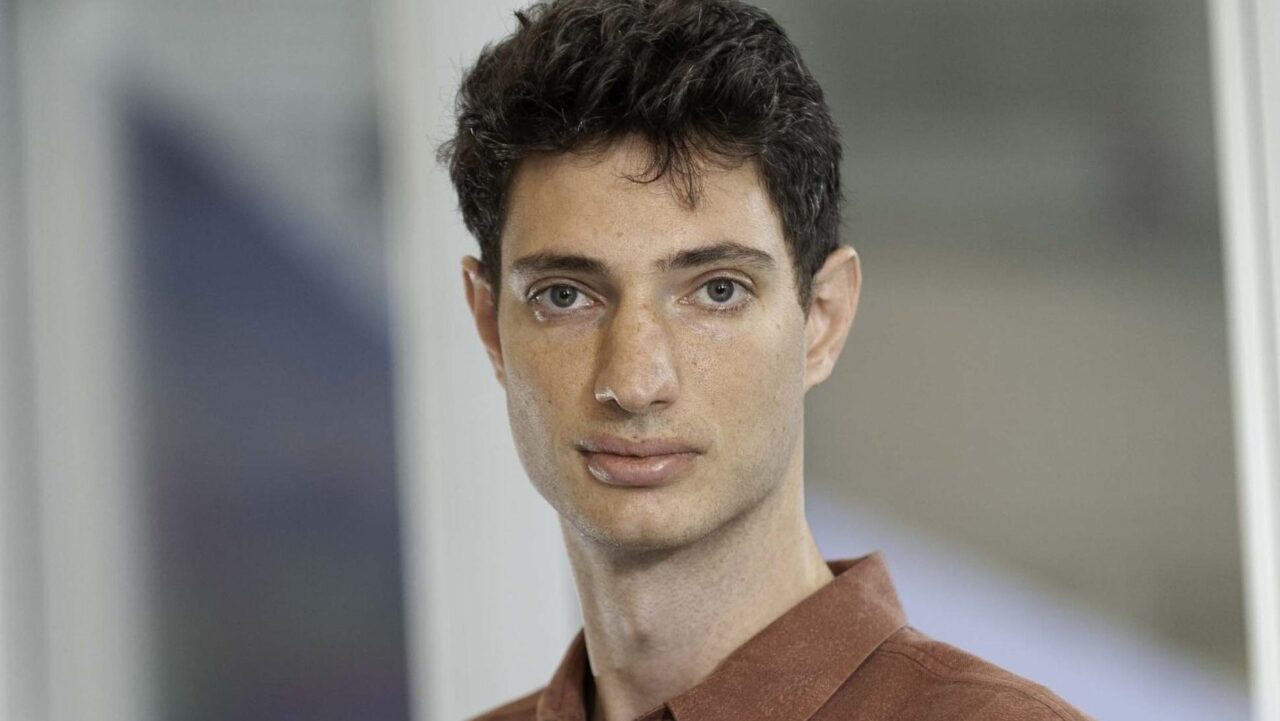
Ed Reznik, Assistant Attending Computational Oncologist at Memorial Sloan Kettering Cancer Center, posted on X:
“Very excited to report on our lab’s unexpected adventure into subtyping cancer cachexia by way of anatomy, where we study the evolution of the bodies (not the genomes!) of patients with cancer during profound weight loss. Led by Sonia Boscenco.
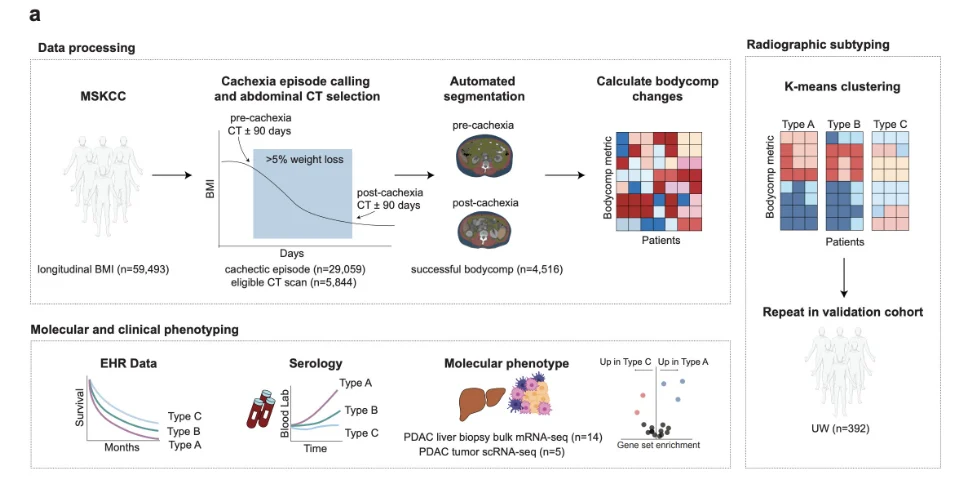
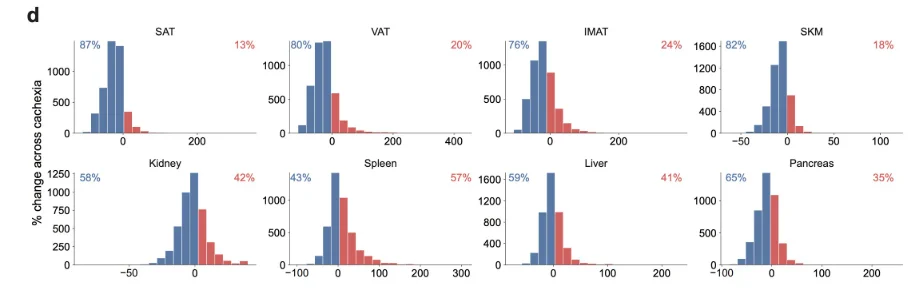
We identified 4,516 patients with suitable CT scans flanking a cachectic weight loss period. W/Perry Pickhardt, John Garrett, and Nate Swinburne, we used OSCAR to computationally analyze these scans for muscle, adipose, and organ volume and radiodensity.
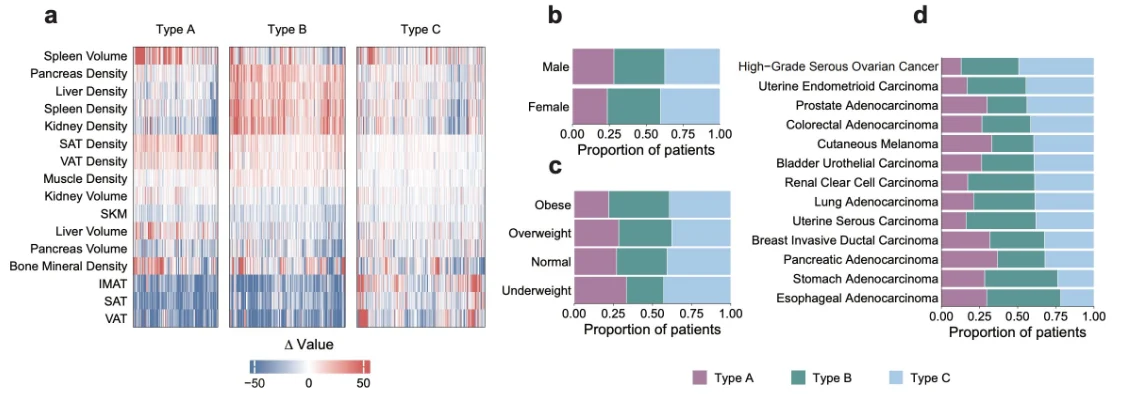
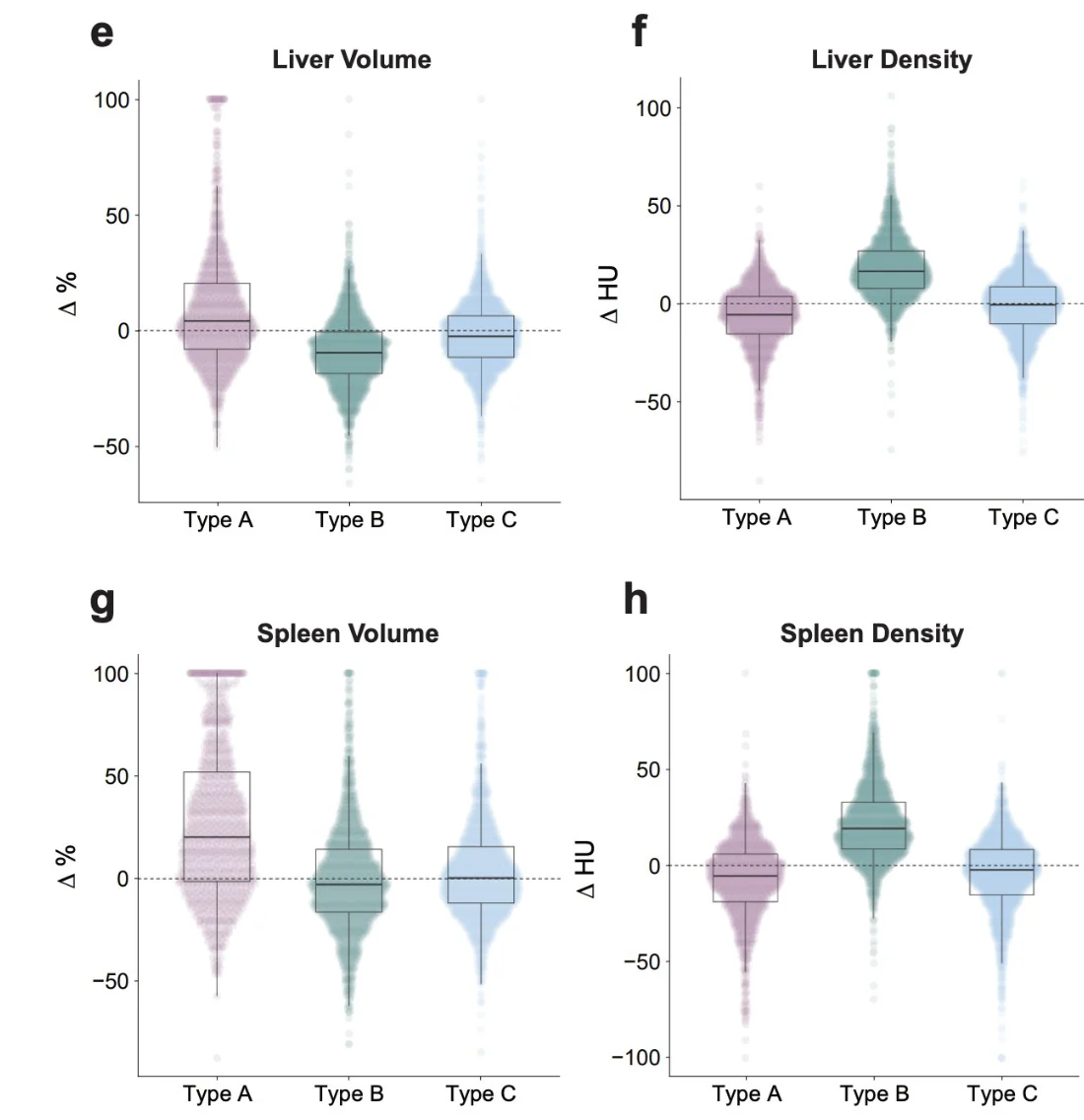
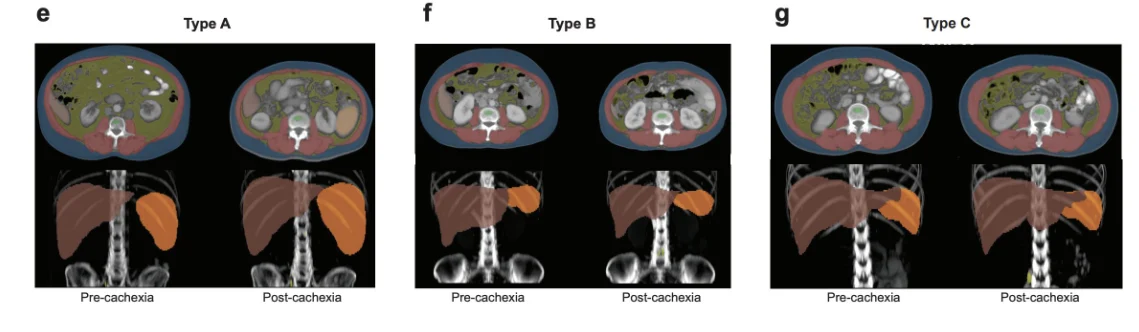
What do we find? Nearly everyone loses fat and muscle, and the action (as you will soon see) is in the visceral organs, especially the spleen and liver.
The cachexia field is rapidly moving from one-size-fits-all understanding of the wasting process to a more refined search for cachexia subtypes. These subtypes naturally emerge from our data by examining changes in body composition across the wasting period.
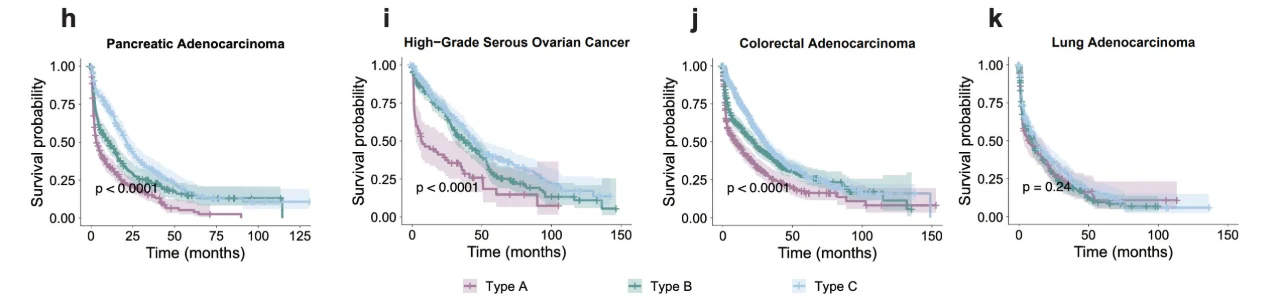
Three subtypes: Type A cachexia (inflammatory), Type B cachexia (atrophy-like), Type C (mild). Reproduced by Perry+John at UWisconsin. Type A has especially poor clinical outcomes. Take a look at that (orange, right-side) spleen in the Type A patient.
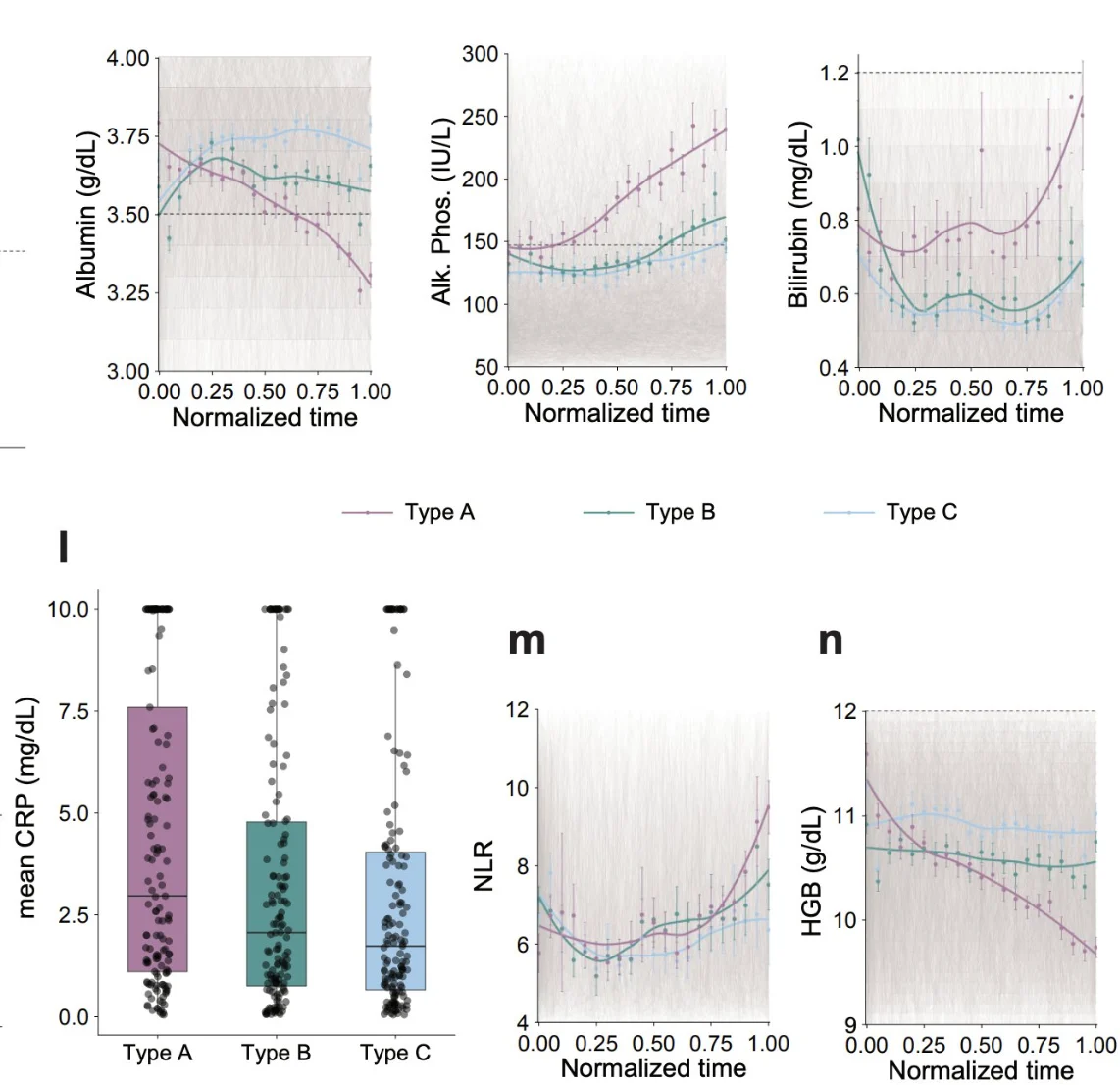
These subtypes have highly divergent patterns on peripheral blood labs, including a marked elevation of inflammatory markers and liver function tests in Type A.
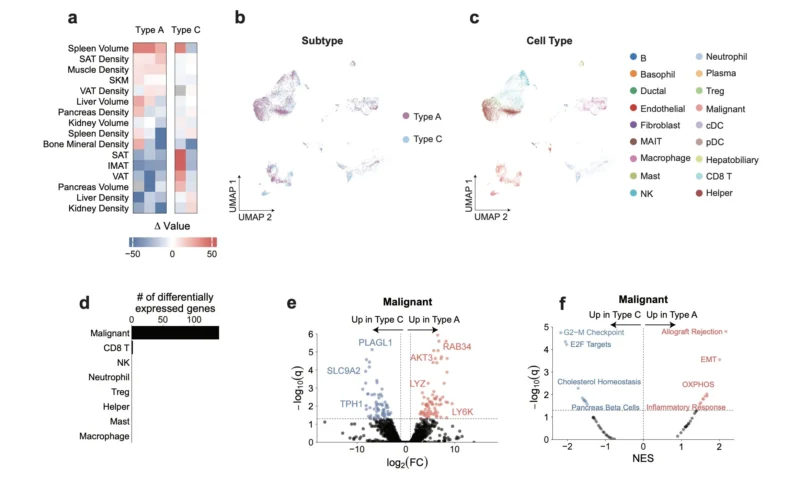
Our starting point was anatomy, and we wanted to bring it back to the molecular phenotype of the tumor itself. Using single cell data from the POLAR trial led by Wungki Park, we found that Type A patients demonstrated plus inflammatory signaling specifically in tumor cells.”
To which Wungki Park, Assistant Attending at Memorial Sloan Kettering Cancer Center and Assistant Professor of Medicine at Weill Cornell Medicine, added:
“The king of cachexia Ed Reznik is revealing the deep biological insight from the emperor of all maladies.
Really exciting work from Ed Reznik, MSK Cancer Center revealing deeper biological insight into cancer cachexia, one of the most complex and clinically meaningful paraneoplastic syndromes in oncology.
This is the beginning of deciphering multidimensional molecular and clinical data that may ultimately help define biologically distinct cachexia subtypes and guide future therapeutic strategies.
Our cachexia group is also studying how these processes affect clinical outcomes and quality of life.”
Other article featuring Ed Reznik and Wungki Park on OncoDaily.