





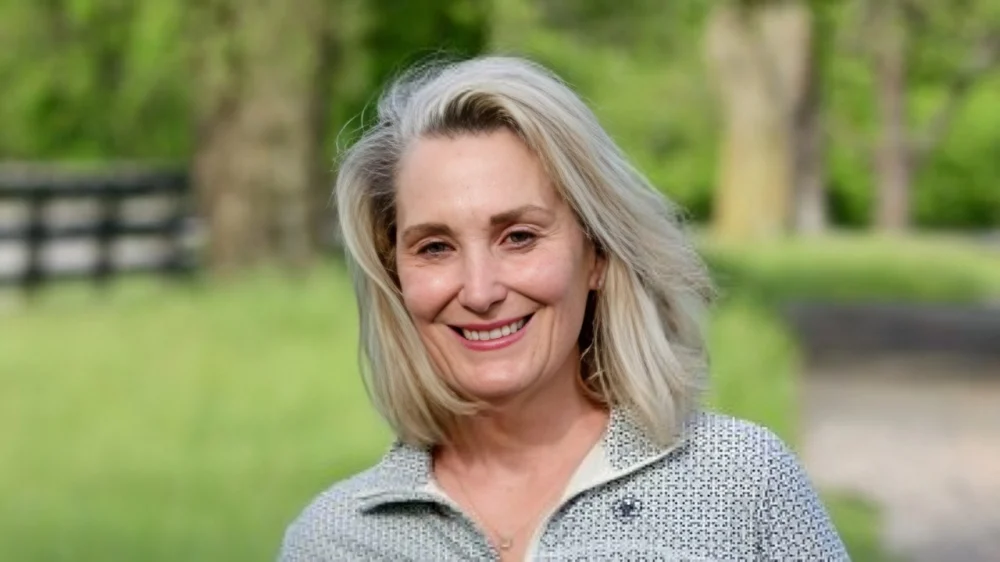
National Foundation for Cancer Research (NFCR) shared a post by Cheryl Stratos, Chief Patient Advocate, Author, Speaker NUCA: National Utility Contractors Association on LinkedIn, adding:
“This is exactly the kind of science NFCR exists to accelerate. Digital twins represent a shift from reactive treatment to predictive, personalized care – and the foundation has been laying groundwork for this through our investments in genomics and precision oncology research for decades.
The idea that a patient’s tumor could be virtually ‘tested’ before treatment begins is no longer just theoretical. Researchers funded by NFCR are working on the building blocks that make this possible.”
Quoting Cheryl Stratos‘s post:
“The Future of Cancer Care Starts Here.
What if doctors could test cancer treatments without ever touching your body?
That’s the promise behind something called a ‘digital twin’- and it’s one of the most exciting developments in melanoma research.
So what is a digital twin?
It’s a virtual model of a patient’s cancer built using:
- Your tumor’s DNA (genomics).
- Tumor biology.
- Imaging (scans).
- Treatment history.
This model can simulate how your cancer might respond to different therapies.
Think about it like this: What if doctors could test 10 treatments on your cancer first-and then choose the one most likely to work?
Why this matters. Today, many patients still go through a process of trial-and-error when it comes to treatment.
Digital twins could change that by helping doctors:
- Make smarter decisions from the start.
- Reduce unnecessary side effects.
- Improve outcomes faster.
Reality check: This is still early-stage and mostly happening in research-but the momentum is building quickly.
Coming next: How digital twins could actually transform cancer treatment in real time.”
Other articles about NFCR on OncoDaily.