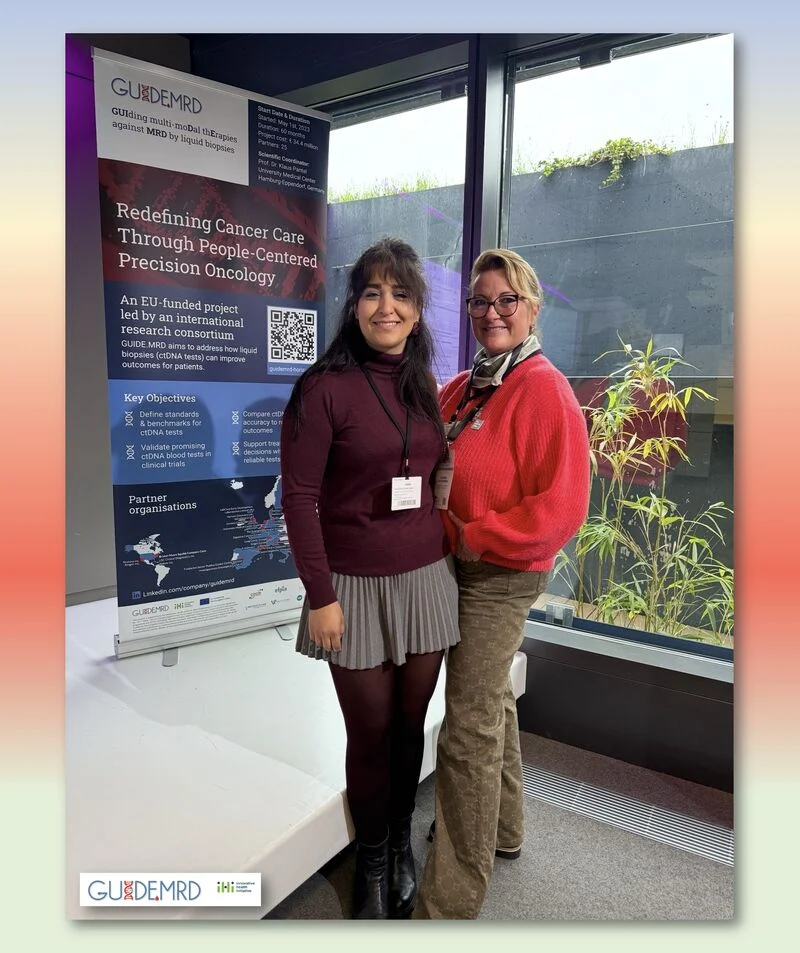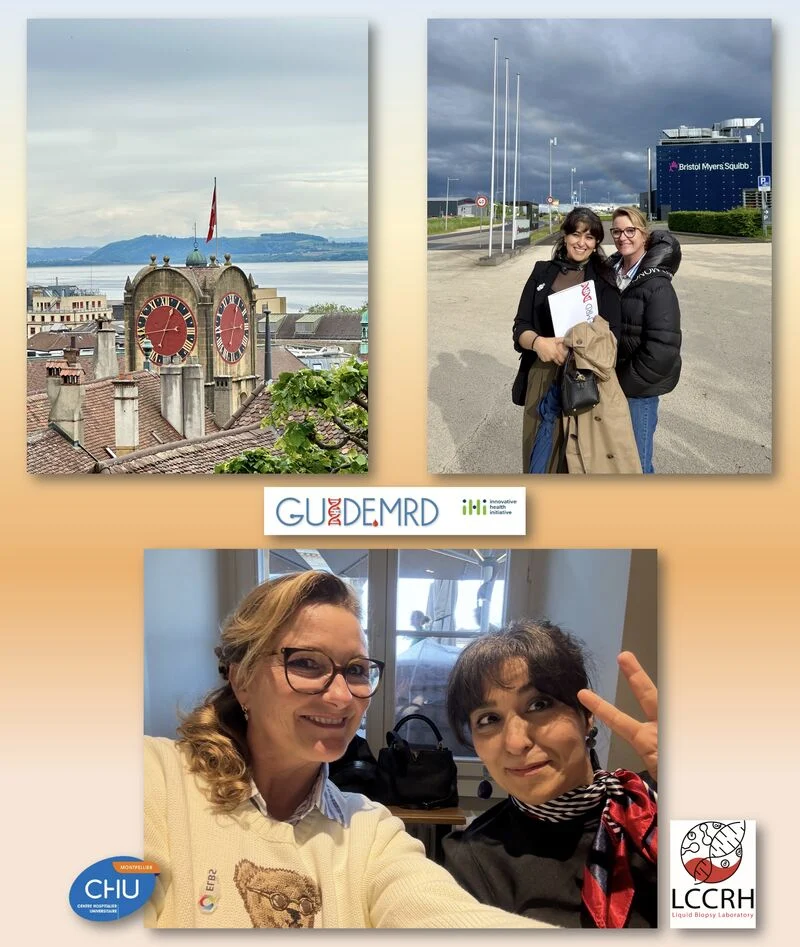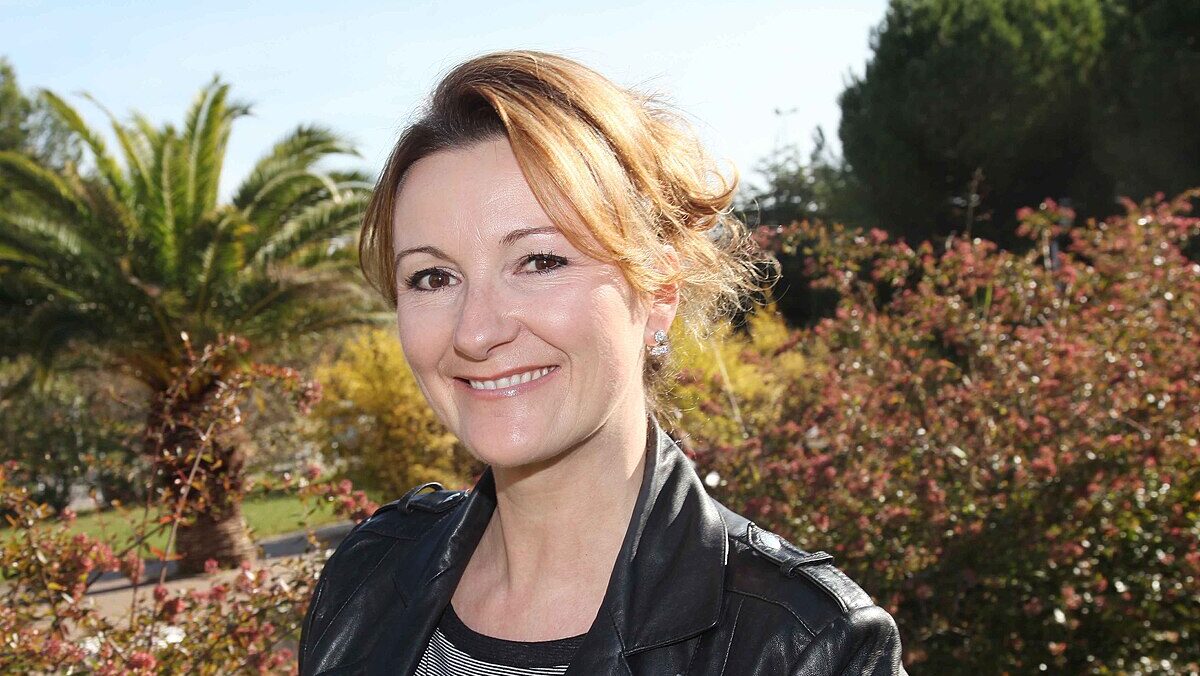
Catherine Alix-Panabières, Director of the Laboratory of Rare Human Circulating Cells and Professor of Universities – Hospital Practitioner at Montpellier University Hospital, shared a post on LinkedIn:
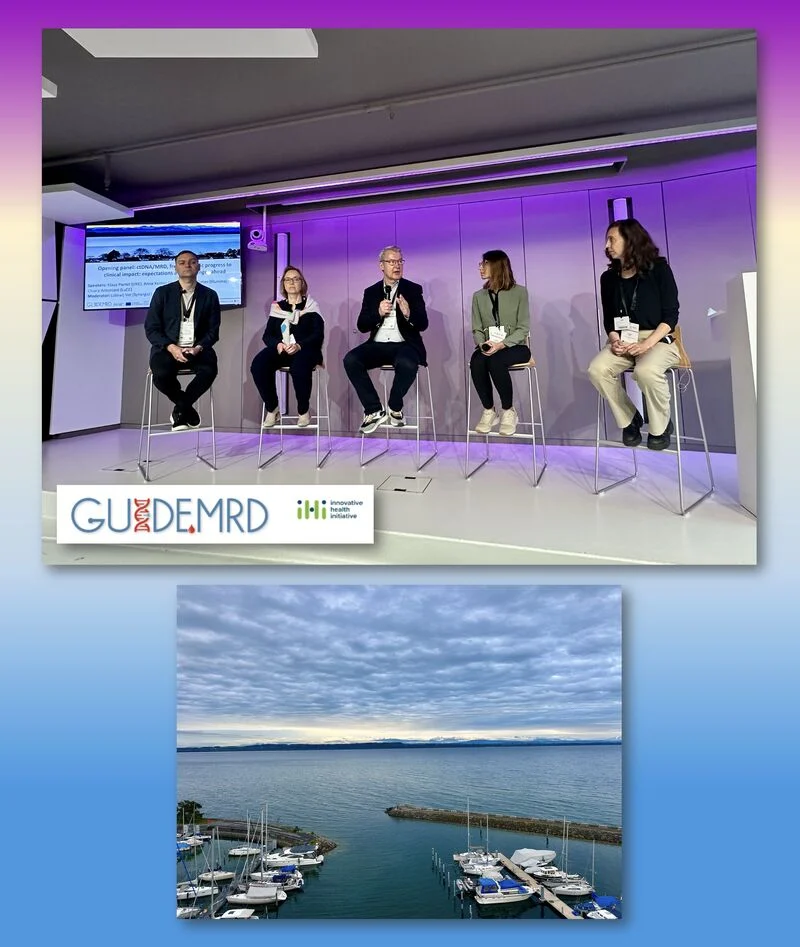
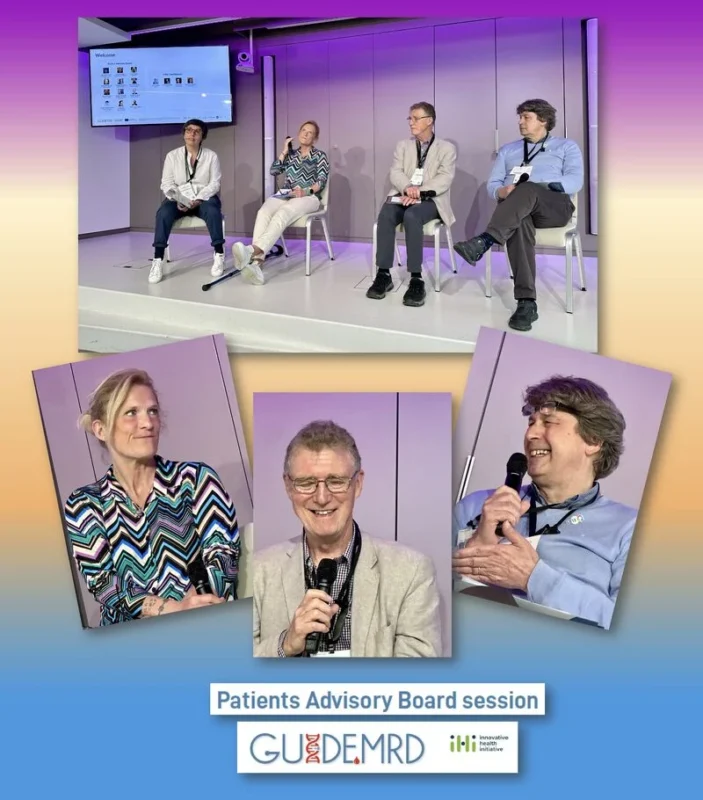
“Day 2 of the 4th General Assembly of the EU GUIDE.MRD project, hosted at Bristol Myers Squibb in Neuchâtel, Switzerland
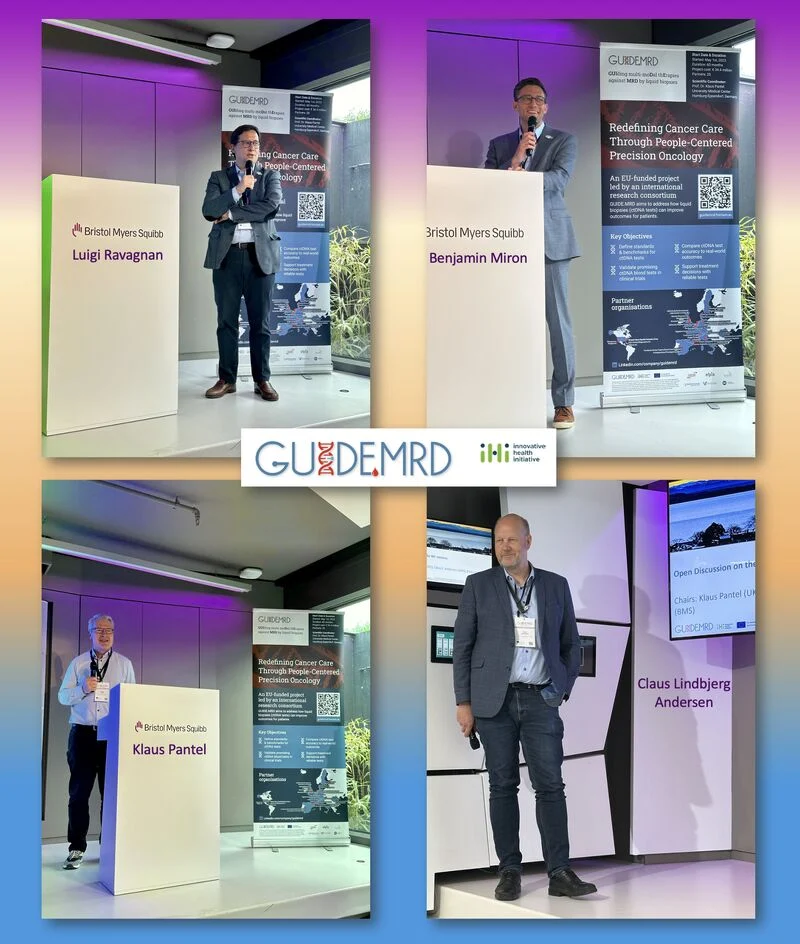
We strated the day with the Patient Advisory Board – a truly powerful and moving session. Hearing directly from patients brought a vital perspective that grounds and guides our work. Their insights are not only inspiring, but essential to shaping meaningful innovation in cancer care – with Luigi Ravagnan, Benjamin Miron, Anne Kerber.
Once again, the discussions were dynamic, constructive, and forward-looking. This unique IHI initiative brings together the complementary expertise of 25 institutions across Europe, creating a strong collaborative momentum for what lies ahead – with Lung Cancer Europe, Digestive Cancers Europe, Ana Martins, Ph.D., Stephen Rowley, Merel Hennink, Alexandre Brutti.
GUIDE.MRD, coordinated by Klaus Pantel is driven by a clear ambition: to improve cancer care through liquid biopsy, with a particular focus on circulating tumor DNA (ctDNA). Our goal is to identify the most effective technologies to detect minimal residual disease (MRD) – tiny traces of cancer that may remain after treatment with curative intent with Claus Lindbjerg Andersen, Ellen Heitzer, Ed Schuuring, Daniel J. Smit, Nuria Malats, Paul Hofman, Lidewij Eva Vat, Riccardo Bertini and all teams involved.
Detecting MRD early has the potential to transform clinical decision-making:
- Identifying patients who may benefit from additional treatment
- Sparing others from unnecessary therapies and side effects
- Detecting recurrence at the earliest possible stage.
Ultimately, this project is shaping a more precise and patient-centered pathway, helping guide individuals through the critical period following surgery or first-line treatment.
Excited to continue these important conversations and collaborations with all my colleagues and friends, the secret of success!”
Other articles featuring Catherine Alix-Panabières on OncoDaily.