





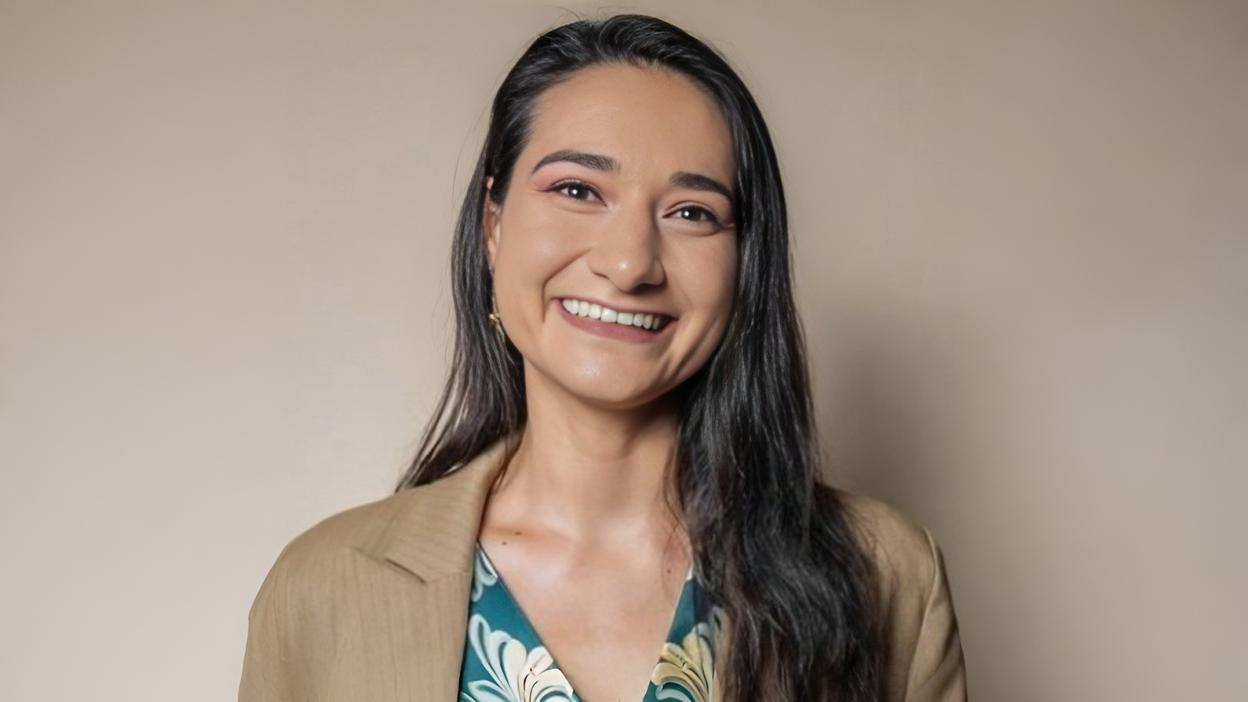
Carmen Monge-Montero, Researcher and Global Cancer Advocate, shared a post on LinkedIn:
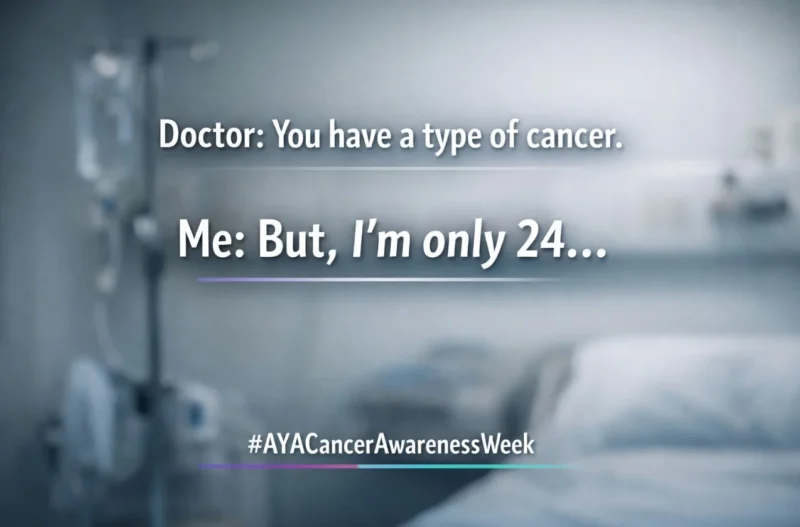
Doctor: You have cancer
Me: But, I’m only 24…
“I became that sad character from all those Hollywood movies, and normally it doesn’t end well”
My first thought when I got my diagnosis.
This week is Adolescents and Young Adults (AYA) Cancer Awareness Week, and I’ve been thinking a lot about this after speaking on a panel last week for Inspire2Live. The AYA cancer experience is very different from childhood or older age (>40), and yet there is still a gap in studies and support.
This is a global pattern; around 50% of the people I’ve spoken in MANO were diagnosed as AYAs. There are many studies about us, but less stories told by us, and in these interviews, you can see a clear tendency of these stories:
- It is not just about the disease; it’s about everything that gets interrupted. You’re just starting to build your independence. Understanding who you are, how your body works, what you want from life, sex, family, travel, career… and suddenly, everything changes.
- Your reality is no longer similar to your friends. You are on a different path, and you are afraid you might not be happy again, or even remember what it felt like to be happy and healthy.
- The AYA community is smaller than childhood or older adult cancer communities. In many cases, childhood organisations are led by parents, which can make the perspective more paternalistic (and we want to be independent), while older ones can feel more focused on “fighting” narratives.
Many of us don’t fully identify with either. Even many of us don’t even want to identify as “cancer patients” or “survivors”. There are only a few organisations led by AYAs that truly focus on what we need. But without enough funding, and while we are building a career and making a living, many of these initiatives struggle to survive. - Not everything is negative. Cancer has brought me not only the difficult parts, mental health issues, long-term side effects, relationship changes, and the loss of the life I imagined, but also my career, some of my best friends, global connections, and new dreams to follow.
- Cancer at this age is still understudied, underserved and underrepresented, but we should be there at the table, and get compensation to be there. Also, there is still a lot of discrimination by society in our population.
I’ve heard different perspectives: some people would choose to be diagnosed older, to have lived more of their life healthy. Others would choose younger, believing recovery is easier. For me, I felt “lucky” in a way that I was the one going through it, and not my parents. I felt stronger than them to deal with it, the thought the opposite.
How was your experience? Would you prefer to have cancer at a younger or older age than the one you had it?”
Other articles featuring Carmen Monge-Montero on OncoDaily.