





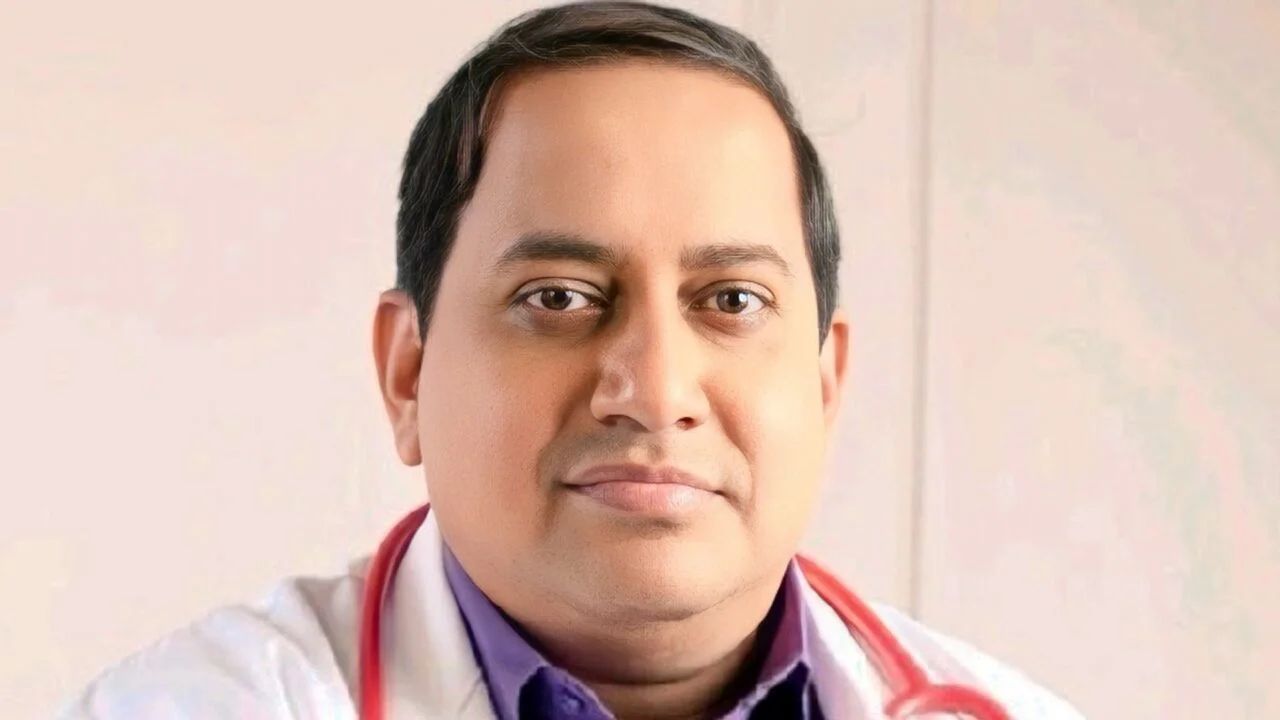
Amol Akhade, Senior Consultant Medical Oncologist and Hemato-Oncologist at Suyog Cancer Clinics and Reliance Hospitals, shared a post on LinkedIn:
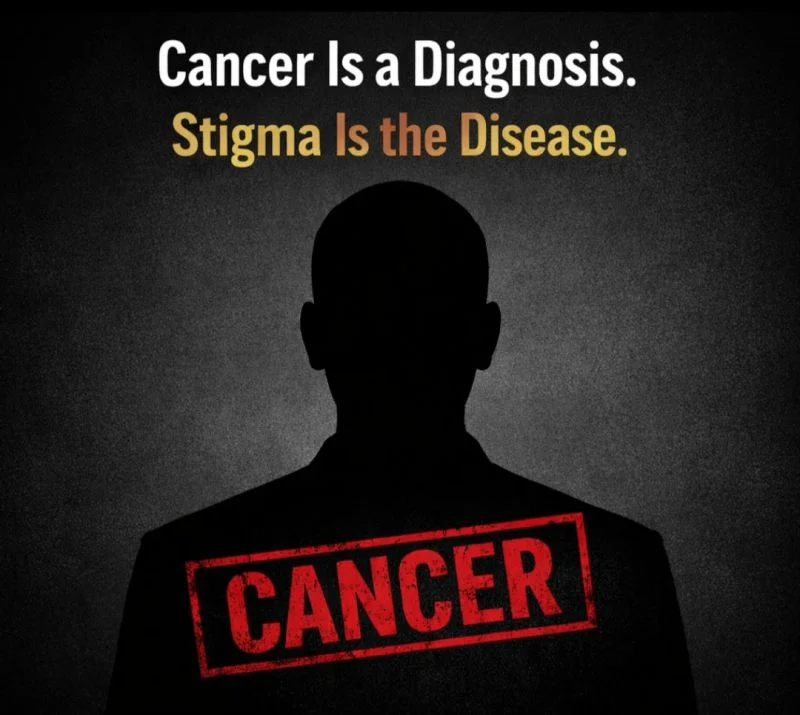
“Cancer Is a Diagnosis. Stigma Is the Disease.
Today in OPD, I was reminded that cancer is not just a biological disease. It is a social diagnosis.
Three encounters. Three different faces of stigma and fear .
A young woman, doing well on treatment, disease under control, walking into clinic with quiet strength. But outside the hospital, her corporate workplace is trying to edge her out. Not because she is incapable. Not because she is underperforming. But because she carries the label of “cancer.” In 2026, we still equate diagnosis with disability, prognosis with productivity.
A daughter, composed but anxious, requesting that her mother’s cancer diagnosis not be mentioned on the death certificate. Not for legal reasons. Not for accuracy. But for fear – fear of whispers in the housing society, of subtle exclusion, of questions that carry judgment more than concern. Even in death, stigma persists.
And then a patient with metastatic breast cancer, potentially treatable, saying she will not take therapy. She has been told elsewhere that she can be “cured” with alternative treatment and chemotherapy will make her worse .Hope, when manipulated, becomes a dangerous currency. Here, stigma and misinformation intersect – fear of cancer pushes patients away from evidence and into the arms of certainty, however false.
These are not rare events. They are daily realities in oncology OPDs.
So how do we respond?
First, we must recognize that our role extends beyond prescribing drugs. We are often the first line against misinformation, fear, and social prejudice. Clinical competence is necessary, but not sufficient.
Second, we must name the stigma – clearly, calmly, without judgment. Patients and families often don’t realize they are making decisions shaped by fear of society rather than facts about disease. Sometimes, simply articulating this helps them see it.
Third, communication matters more than we admit. Not long lectures, but honest, grounded conversations. With the young professional, it may mean reinforcing her capability and even guiding her on workplace rights. With the daughter, it may mean gently explaining that disease does not define dignity. With the patient refusing treatment, it means respecting autonomy but firmly outlining what is real, what is possible, and what is not.
Fourth, we must accept our limits. We cannot dismantle societal stigma in a 30 minute consultation. But we can create a counter-space – where cancer is discussed without fear, where decisions are informed rather than coerced, where hope is realistic, not manufactured.
And finally, we must reflect. Oncology is not just about survival curves and protocols. It is about navigating the human consequences of a diagnosis that still carries disproportionate psychological and social weight.
The biology of cancer is complex. But sometimes, the sociology of cancer is even harder to treat.”
Other articles featuring Amol Akhade on OncoDaily.