





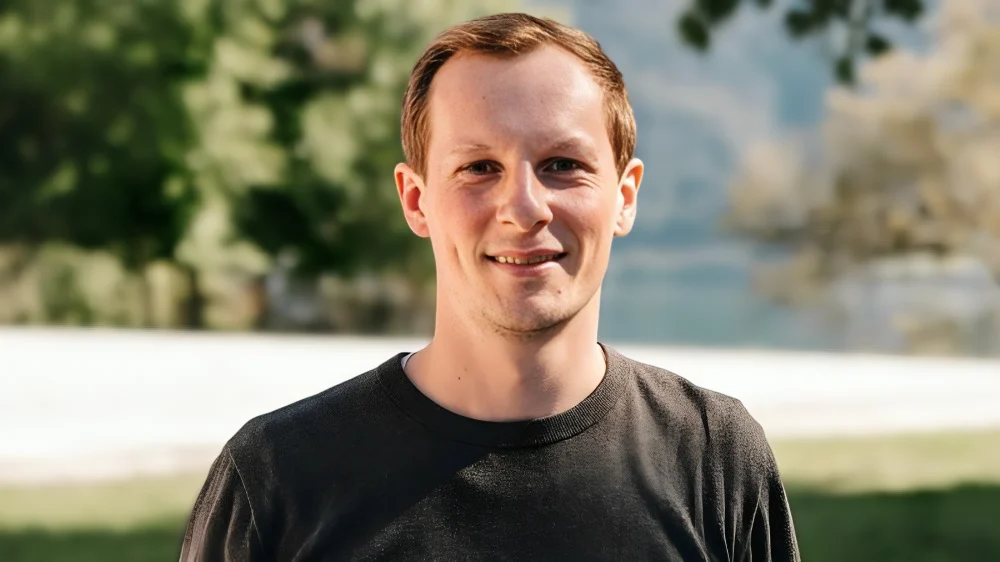
Alexandre Bréant, GI Oncology Commercial Lead at Roche, shared a post on Linkedin:
“A look back at the Roche OncoDays 2026 (2/3): an opening to the future of oncology
On March 6, I had the privilege of moderating the inaugural plenary session of the Roche Onco Days, dedicated to organoids. A theme that perfectly illustrates the ambition and culture of Roche en oncologie: to develop cutting-edge technologies, which accelerate therapeutic research and the personalization of the care pathway, and to do so in close collaboration with the academic ecosystem.
By way of introduction, I would like to remind you of two structuring figures, which fully justify investing in the development of organoids.
In oncology,
- For each drug that eventually reaches patients, 20 to 30 molecules have been tested in humans, and ultimately failed
- each year the industry (pharma & biotech) invests ~$80 billion in R&D
These figures should question us. At first glance, you might say to yourself, “Certainly, but it works, that’s the price to pay”.
Perhaps, but is it sustainable
- Is it sustainable, and ethical, for patients to expose them so much to m
- molecules that happen to be ineffective or dangerous?
- Is it sustainable for the industrie to maintain this level of inefficiency?- Is it sustainable for the medical community and public payers, in a world where human and financial resources are increasingly constrained?
Probably not, and this therefore forces us to be more efficient in the development of therapeutic innovations.
Through brilliant presentations, Lauriane Cabon of the Institute of Human Biology (research center dedicated to organoids, in which Roche has invested nearly CHF 1 billion) and Michel Ducreux of Gustave Roussy, as investigator of the organotreat trials, showed us that organoids are one way (among many others!) to help us make research more efficient and therapeutic strategies more personalized.”