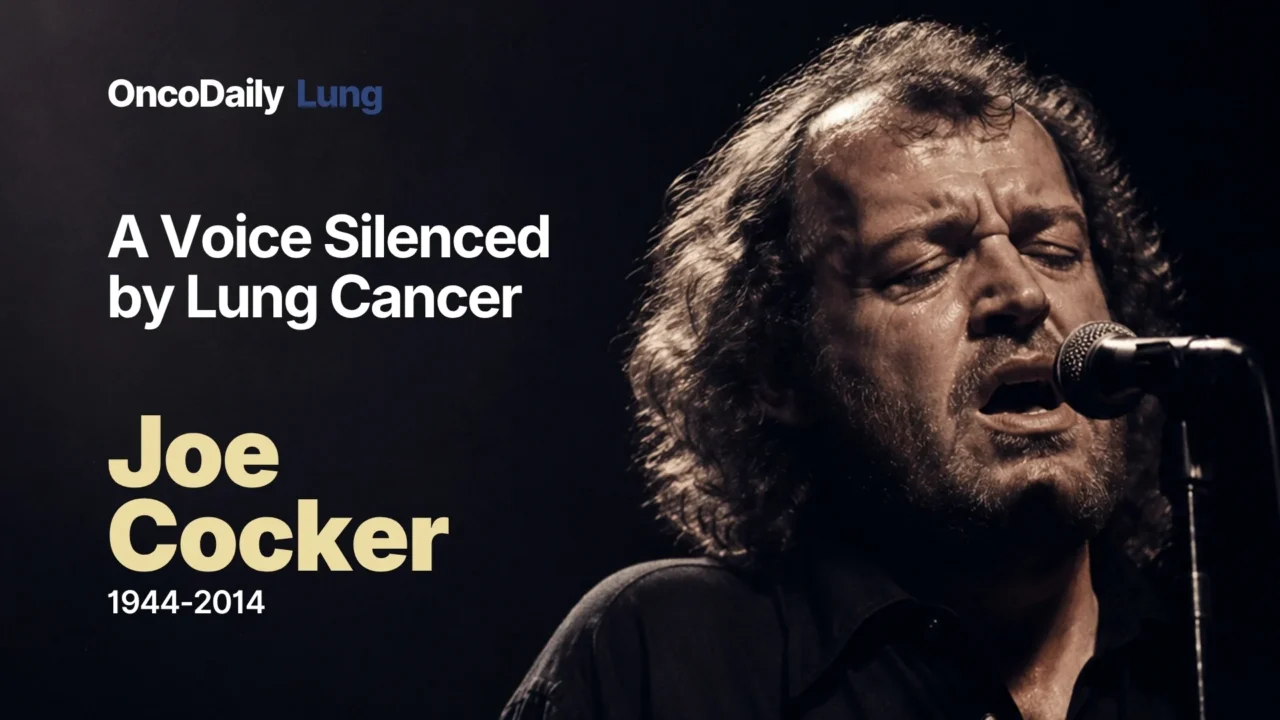
In the summer of 1969, a raspy, soul-shattering rendition of “With a Little Help from My Friends” electrified 400,000 fans at Woodstock, catapulting Joe Cocker from Sheffield obscurity to rock immortality. Born May 20, 1944, in the gritty steel city of South Yorkshire, England, Cocker’s life spanned seven decades of raw musical genius ending tragically on December 22, 2014, at age 70 after a fierce battle with lung cancer at his Colorado ranch.
This gravel-voiced everyman redefined rock-soul fusion, turning Beatles covers into visceral anthems and belting hits like “You Are So Beautiful” with unmatched emotional ferocity. Yet his path was no smooth ride: early triumphs crashed into alcoholism’s grip during the Mad Dogs & Englishmen tour, followed by a hard-won sobriety that fueled Grammy-winning comebacks like “Up Where We Belong.” Through personal demons and health woes, Cocker’s resilience shone, embodying the blues-rock spirit he championed.
Joe Cocker’s Early Life
Born in Sheffield, South Yorkshire on May 20, 1944, Joe Cocker grew up amid the industrial clang of steel mills and coal mines that defined working-class Britain. The son of a civil servant and a housewife, young John Robert Cocker later adopting his stage name found early solace in American blues and soul drifting across the Atlantic via Radio Luxembourg. By age 12, this scrawny kid with a gravelly voice was belting out Lonnie Donegan skiffle tunes in local pubs, earning pocket change and honing a raw, emotive delivery that would one day stun Woodstock audiences.
At 15, in 1959, Cocker dropped out of school and apprenticed as a gas fitter for the East Midlands Gas Board, a steady job that funded his musical dreams. But his heart wasn’t in pipes it was in rhythm. That same year, he joined The Cavaliers, Sheffield’s premier skiffle outfit, initially as drummer and harmonica player. The band gigged relentlessly in smoky working men’s clubs, covering Elvis, Chuck Berry, and Ray Charles. Cocker’s vocals soon took center stage, his raspy howl cutting through the din.
By 1961, at age 17, he rebranded as Vance Arnold nodding to his hero Little Richard and fronted Vance Arnold & the Avengers. This beat group sharpened his stage presence, blending R&B covers with original grit. They scraped by on local gigs, even scoring a residency at Sheffield’s Excelsior Club. These formative years forged Cocker’s unpolished authenticity: no posh accent, no silver spoon just sweat, smokes, and soul-stirring shouts that hinted at the rock legend emerging from steel-town shadows.
The Rise of Joe Cocker
Joe Cocker’s 20s ignited a meteoric rise that transformed a Sheffield gas fitter into a global rock-soul icon. At age 24 in 1968, he unleashed a seismic cover of The Beatles’ “With a Little Help from My Friends.” Produced by Denny Cordell at A&M Studios, this eight-minute opus with its spastic, soul-drenched vocals and horn-driven frenzy stormed to UK No. 1 and cracked the US Top 40. The single’s raw power caught fire, landing Cocker on TV’s The Ed Sullivan Show and signaling blues-rock’s new frontier.
The pinnacle arrived at 25 during Woodstock ’69. Before 400,000 mud-soaked faithful, Cocker’s flailing-arm rendition of the same Beatles track became legend gyrating like a man possessed, he embodied the festival’s chaotic spirit. Grainy footage later immortalized him as rock’s most visceral performer. His self-titled debut album followed, fusing R&B covers with Leon Russell’s gospel edge, while 1970’s Joe Cocker!, produced by Russell, birthed “Delta Lady” and “Darling Be Home Soon.”
At 26, the Mad Dogs & Englishmen tour exploded across America a 100+ member caravan of junkies, gospel singers, and Leon Russell’s wild vision. Captured on film and a double live album, it grossed millions but descended into hedonism: drugs, booze, and exhaustion. Cocker collapsed onstage in New York, foreshadowing burnout.
Career peaks continued beyond his 20s. Age 31 brought 1975’s “You Are So Beautiful,” a Joe Cocker-Billy Preston ballad that peaked at US No. 5 and became his signature slow-burner its aching vulnerability showcasing a voice weathered by triumph and turmoil. These years cemented Cocker’s alchemy: turning pop into primal catharsis, his seismic wail bridging British grit and American soul forever.
Struggles and Comeback
Joe Cocker’s 30s plunged into darkness after the Mad Dogs tour wreckage. By 1971, at age 27, severe alcoholism gripped him exacerbated by relentless touring, drug experimentation, and the pressure of fame. He returned to Sheffield a shell of himself, living with his mother and grandfather, unable to record or perform coherently. Banned from hotels and flights for erratic behavior, Cocker hit rock bottom: blackouts, hallucinations, and a voice ravaged by chain-smoking and excess. His 1972 album Something’s Coming On captured fleeting sparks amid the chaos, but 1973’s Australian tour ended in disgrace he was deported after onstage collapse and public drunkenness.
Sobriety flickered in 1974 during a California detox, aided by girlfriend Pam Baker (whom he married in 1978). Yet relapses persisted through the mid-70s. At 31, “You Are So Beautiful” offered a lifeline, topping charts and hinting at redemption. The 1976 album Heart & Soul showed vocal recovery, but true stability arrived in the early 1980s. By age 34, rigorous therapy and farm life in Colorado rebuilt him his gravelly timbre now tempered by discipline.
The phoenix rose at 38 with 1982’s “Up Where We Belong,” a duet with Jennifer Warnes for An Officer and a Gentleman. This soaring power ballad clinched a Grammy for Best Pop Performance by a Duo, US No. 1 status, and an Oscar nod, thrusting Cocker back to superstardom. It marked his commercial zenith, blending soulful rasp with cinematic polish.
His 40s solidified the comeback: 1984’s Civilized Man went gold, featuring Nile Rodgers production and hits like the buoyant title track. The 1990s brought steady output Unchain My Heart (1989) reworking Ray Charles classics, Night Calls (1991) earning blues acclaim. Into his 50s, Cocker balanced introspective ballads and rockers, collaborating with producer Chris Lord-Alge for crisp sound.
Tours remained grueling but triumphant: sold-out arenas in the 90s, a 2002 Live album capturing vintage fire. By his 60s, he headlined festivals like Glastonbury (2007) and cruised European stages at 69 (2013), voice undimmed despite health whispers. Albums like Hymn for My Soul (2007) and Hard Knocks (2010) affirmed longevity over 40 million records sold, a catalog fusing grit and grace. Cocker’s arc from abyss to elder statesman proved addiction’s scars could fuel enduring art, his raspy roar a beacon for recovery and resilience.
Joe Cocker’s Lung Cancer Journey
Joe Cocker faced lung cancer with the same grit that defined his music career, battling small cell lung cancer from diagnosis in 2013 until his death in 2014. This aggressive form, linked to his lifelong smoking, progressed rapidly despite treatment.
Diagnosis Timeline
Cocker first noticed symptoms during his 2013 European tour at age 69 persistent cough, fatigue, and breathlessness that forced pauses mid-performance. Returning to his Colorado ranch, he sought medical help. Doctors ordered chest X-rays and CT scans revealing a lung mass, confirmed as small cell lung cancer via biopsy. This neuroendocrine tumor, notorious for fast spread, was at stage III or IV by diagnosis, having likely smoldered for months amid his tour schedule.
Decades of heavy chain-smoking, starting from his Sheffield pub gigs at age 12, were the primary culprit. Cocker smoked up to two packs daily, crediting tobacco for his signature raspy timbre but ignoring warnings. No family history or occupational exposures (beyond gas fitting) noted, though alcohol abuse in his 20s-30s may have compounded lung vulnerability. Small cell carcinoma ties 95% to tobacco, striking men over 60 like Cocker.
Treatment Regimen
Chemotherapy formed the core: platinum-based drugs like cisplatin or carboplatin paired with etoposide, standard for small cell lung cancer. Cycles spanned weeks with rest periods at home, wife Pam providing care. Radiation targeted the chest tumor; immunotherapy wasn’t yet widespread in 2013. Cocker shunned publicity, focusing on nutrition, hydration, and light exercise to maintain strength for family. No surgery viable due to tumor type and spread.
Final Months
By mid-2014, cancer metastasized to other organs, prompting tour cancellations. Weight loss, pain, and oxygen dependence confined him to Crawford ranch. Palliative care eased symptoms; he spent days with loved ones, reflecting on music. On December 22, 2014, at 70, he died peacefully no prolonged suffering reported.
Legacy & Awareness
Cocker’s quiet fight spotlights lung cancer’s toll second deadliest cancer globally, 85% smoking-linked. His story fuels advocacy: early CT screening for high-risk groups saves lives. Posthumously, streams of “You Are So Beautiful” aid research; fans honor him by quitting smoking, turning personal loss into prevention. Resilience till the end mirrored his anthems.
You Can Also Read George Harrison Cancer Battle: A Beatles Legend’s Struggle with Throat and Lung Cancer by OncoDaily

Global Lung Cancer Statistics
According to the World Health Organization, lung cancer remains the leading cause of cancer death worldwide. In 2022, there were an estimated 2.5 million new lung cancer cases and 1.8 million deaths globally.Recent global data also show that lung cancer accounted for about 18.7% of all cancer deaths, making it the deadliest cancer type worldwide. In the United States, lung cancer is still the leading cause of cancer mortality. The American Cancer Society estimated that in 2025, most lung cancers were non-small cell lung cancer, accounting for about 87% of cases, while small cell lung cancer accounted for about 13%.
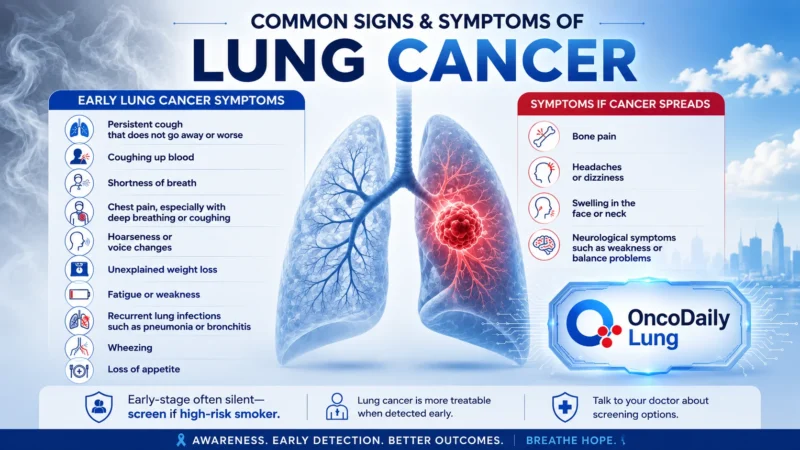
NCCN guidelines emphasize that lung cancer care depends on tumor type, stage, biomarkers, and patient health status, with treatment decisions guided by evidence-based recommendations. ASCO continues to highlight lung cancer as a major research priority, with recent studies focusing on targeted therapy, immunotherapy, screening, and improving outcomes for patients worldwide.
Written by Aharon Tsaturyan, MD, Editor at OncoDaily Intelligence Unit
FAQ
What was Joe Cocker's cause of death?
Joe Cocker died on December 22, 2014, at age 70 from small cell lung cancer, an aggressive neuroendocrine tumor strongly linked to his decades of heavy smoking. Diagnosed in early 2013 during his European tour, the cancer had advanced to stage III or IV by the time symptoms like persistent cough and fatigue became undeniable. Despite chemotherapy with platinum-based drugs (cisplatin/carboplatin plus etoposide) and chest radiation at his Crawford, Colorado ranch, the disease metastasized rapidly. He passed peacefully at home, surrounded by wife Pam Baker and family, with no reports of prolonged suffering his agent confirmed the cause shortly after.
How did Joe Cocker die?
Cocker's death came after a 20-month battle with small cell lung cancer, following a quiet, dignified fight away from the spotlight. By mid-2014, metastasis to other organs caused weight loss, pain, breathlessness, and oxygen dependence, forcing tour cancellations. Palliative care at his Colorado ranch managed symptoms while he spent final days reflecting with loved ones. On December 22, 2014, he died peacefully at age 70 less than two years post-diagnosis exemplifying the rapid progression of this tobacco-fueled cancer, which claims lives quickly even with treatment.
When was Joe Cocker diagnosed with lung cancer?
Joe Cocker received his lung cancer diagnosis in early 2013, at age 69, right after his strenuous European tour. Symptoms emerged mid-tour: unrelenting cough, exhaustion, and breathlessness that halted performances. Back at his ranch, chest X-rays and CT scans spotted a lung mass, confirmed as small cell lung cancer via biopsy. This fast-spreading tumor had likely been growing undetected for months amid his demanding schedule, highlighting how smoking-related cancers can silently advance in high-risk individuals over 60.
Did Joe Cocker smoke, and did it cause his cancer?
Yes, Joe Cocker was a chain-smoker from age 12 in Sheffield pubs, consuming up to two packs daily a habit he credited for his iconic raspy voice but which directly fueled his small cell lung cancer. About 95% of cases tie to tobacco, with his 50+ years of exposure as the primary risk factor; no family history or other exposures (like gas fitting) were noted, though past alcoholism may have worsened lung health. His story underscores smoking's dual role: artistic edge at a deadly cost.
What were Joe Cocker's biggest hits?
Cocker's signature tracks include his 1968 UK No. 1 cover "With a Little Help from My Friends" (eight-minute soul explosion), 1975's US No. 5 ballad "You Are So Beautiful" (co-written with Billy Preston), and 1982's Grammy/Oscar-nominated "Up Where We Belong" duet with Jennifer Warnes. Others like "Delta Lady," "Unchain My Heart," and "Summer in the City" defined his 40-million-album career, blending Beatles covers with blues-rock catharsis.
What is Joe Cocker's most famous performance?
Cocker's Woodstock 1969 rendition of "With a Little Help from My Friends" reigns supreme before 400,000 rain-drenched fans, his flailing arms, spastic gyrations, and soul-shredding vocals immortalized rock's rawest moment. Grainy footage shows him possessed, turning a pop tune primal; it launched him globally at age 25, defining his visceral style forever.
How did Joe Cocker overcome alcoholism?
Post-1970 Mad Dogs tour chaos, Cocker hit bottom by 1971 (age 27): blackouts, hotel bans, deportation from Australia. A 1974 California detox sparked recovery, aided by future wife Pam Baker (married 1978); relapses lingered until early 1980s therapy and Colorado farm life brought sobriety. His 1982 Grammy-winning "Up Where We Belong" marked triumphant return, proving discipline restored his voice and career into his 60s.
What was Joe Cocker's first band?
At age 15 in 1959, Sheffield dropout Cocker joined The Cavaliers as drummer/harmonica player, gigging in clubs with Elvis and Ray Charles covers his vocals soon dominated. By 1961 (age 17), he fronted Vance Arnold & the Avengers (nod to Little Richard), honing R&B grit at spots like Excelsior Club. These steel-town bands built his unpolished authenticity before 1968's breakthrough.
What is small cell lung cancer?
Small cell lung cancer is an aggressive neuroendocrine tumor comprising 15% of cases, almost exclusively (95%) caused by smoking; it spreads fast via lymph nodes/brain. Cocker's form resisted surgery, relying on chemo (etoposide/platinum), radiation, and palliative care median survival post-diagnosis: 8-12 months. Second-deadliest cancer globally (85% smoking-linked), it stresses early screening for at-risk groups like long-term smokers over 50.