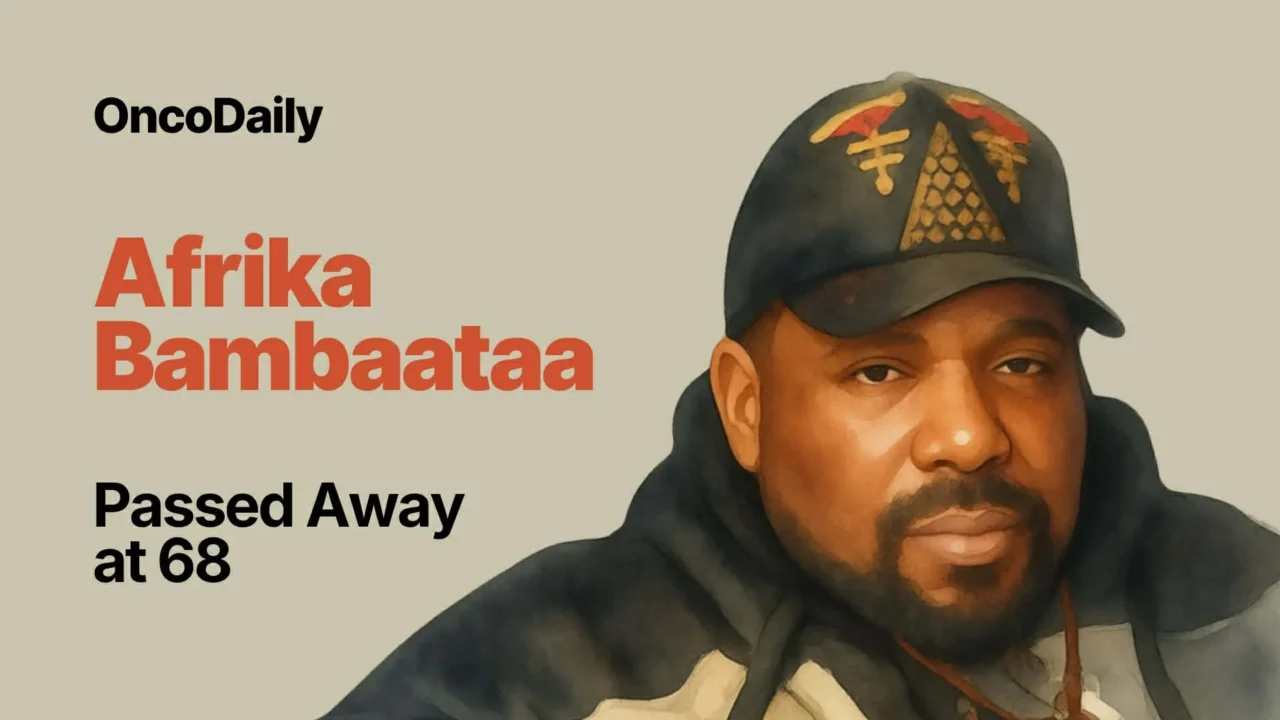
Hip‑hop pioneer Afrika Bambaataa has died at the age of 68 following a battle with prostate cancer; he passed away on April 9, 2026, in Pennsylvania, where he had been receiving treatment for complications related to the disease. Widely regarded as one of the founding fathers of hip‑hop, Bambaataa helped shape the culture’s early sound, aesthetic, and philosophy through his work as a DJ and the creation of the Universal Zulu Nation. His legacy, however, remains both celebrated and contested, as late‑life sexual‑abuse allegations complicated how many fans and institutions remember his role in the movement he helped build.
Biography and Cultural Impact
Afrika Bambaataa was born Kevin Donovan in the South Bronx in 1957, growing up at the epicenter of a rapidly changing urban landscape shaped by poverty, migration, and creative ferment. His family roots trace to Jamaica and Barbados, and in his teens he became a prominent member of the Black Spades, then one of the largest street gangs in New York, before steering his influence away from violence and toward cultural organizing.
In the early 1970s he founded the Universal Zulu Nation, a movement that sought to transform street culture into a philosophy of “peace, unity, love, and having fun,” promoting graffiti, breakdancing, DJing, and MCing as positive alternatives to gang life. Through block parties, outreach, and a strict code of conduct, the Zulu Nation helped lay the social and ethical groundwork for hip‑hop as a global youth culture.
Musically, Bambaataa reached a defining peak with the 1982 electro‑funk classic “Planet Rock,” a collaboration with the Soulsonic Force that fused German synth lines with hip‑hop beats and helped launch the electro era. The track influenced countless artists worldwide, led to extensive global touring, and cemented his status as a mentor figure for younger.
Diagnosis And Cancer Journey
Afrika Bambaataa was first diagnosed with prostate cancer in the early 2020s, though public details about the exact timing and stage at diagnosis remain limited; news reports and family statements describe it only as a long‑term battle with the disease. Over the following years, his condition gradually worsened, marked by treatment‑related decline, periodic hospitalizations, and a noticeable withdrawal from public events and performances as he focused on managing his health.
By the time of his death on April 9, 2026, official reports described it as due to “complications related to cancer,” without specifying whether he received surgery, radiation, hormone therapy, or newer systemic treatments. In the context of advanced‑stage prostate cancer, such complications often reflect the burden of metastatic disease (for example, bone or visceral spread) and the cumulative effects of treatment, including fatigue, immune suppression, cardiovascular strain, and other toxicities that can erode physical resilience over time.
Symptoms, Complications, and Public Silence
Afrika Bambaataa’s prostate‑cancer diagnosis and clinical course align epidemiologically with well‑documented patterns in Black men, for whom incidence and mortality are markedly elevated. In the United States, Black men face approximately 60–80% higher incidence of prostate cancer than White men and are roughly twice as likely to die from the disease, with data suggesting one in six Black men will develop prostate cancer in his lifetime versus one in eight men overall. [web/18] Incidence‑rate comparisons from national statistics show about 154 new prostate‑cancer cases per 100,000 Black men annually versus roughly 95 per 100,000 White men, underscoring the largest racial disparity for any major cancer in men.
Guidelines from the NCCN and ASCO emphasize that Black men are a high‑risk group for both earlier‑onset and more aggressive disease, and therefore recommend shared‑decision‑making for prostate‑cancer screening starting at age 45, rather than the average‑risk threshold of 50. The NCCN Guidelines for Prostate Cancer Early Detection advocate individualized use of PSA testing and digital rectal examination (DRE), with closer follow‑up (e.g., more frequent PSA intervals) for high‑risk men, including those of African descent, while acknowledging the risk of over‑detection and overtreatment of indolent tumors.
ASCO and other expert bodies highlight that while PSA screening can reduce advanced‑stage diagnoses, low specificity in the “gray zone” (PSA 4–10 ng/mL) leads to unnecessary biopsies and exposes many Black men to the harms of over‑biopsy and over‑treatment, even as under‑screening and structural barriers still contribute to later‑stage presentation in this population. Framed within these data, Bambaataa’s outcome illustrates how advanced‑stage or long‑treated prostate cancer in a Black male in his 60s reflects both elevated baseline risk and the broader, still‑unresolved tensions in screening policy and equitable access to guideline‑concordant care.
Legacy in Light of His Illness
In the wake of Afrika Bambaataa’s death, tributes poured in from across the hip‑hop world, with many artists and cultural leaders acknowledging both his role as a foundational architect of the culture and the quiet, prolonged toll of his illness. Figures associated with the Universal Zulu Nation and the broader Hip‑Hop Alliance framed his passing as the loss of a visionary who redirected street energy into art and community, often mentioning that his visible decline and withdrawal from public life in his final years had already signaled a gravely ill elder statesman rather than an active performer.
At the same time, the public discourse around his legacy remained ambivalent, as many remembrances carefully acknowledged the serious allegations of sexual abuse that had shadowed his later years, even as some outlets and fans emphasized his artistic impact and the respect he commanded in the community. His late‑stage cancer trajectory—with its long, poorly publicized struggle added a layer of pathos that softened some narratives, inviting more sympathetic or nostalgic portrayals while simultaneously raising questions about how illness can blur ethical reckonings and shape collective memory.
Precisely because his story combines cultural icon status, serious misconduct allegations, and a prolonged battle with an epidemiologically significant malignancy, it offers a potent case for public‑health and oncology communicators. It can be used to open conversations about Black and urban men’s reluctance to discuss prostate‑cancer risk, the importance of culturally competent screening dialogues, and the need for mental‑health and social‑support systems for men navigating long‑term survivorship or palliative care. His experience also provides an opportunity to reflect on how media should report celebrity cancer journeys balancing empathy for the patient with honesty about the person behind the illness, without conflating medical vulnerability with moral absolution.
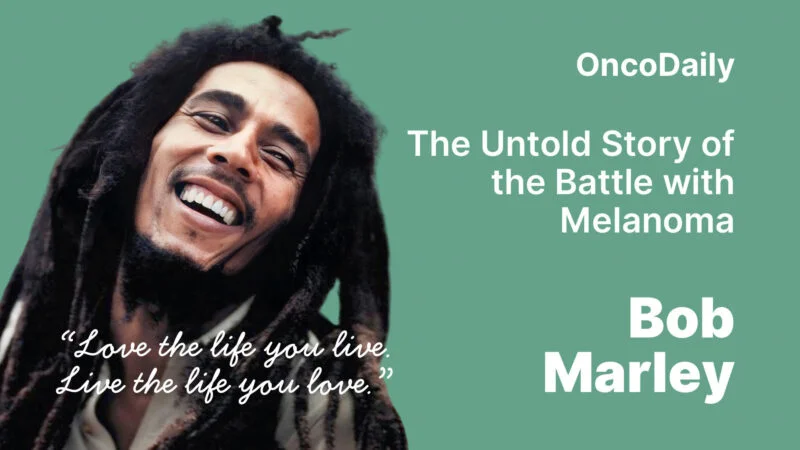
You Can Also Read In Memory of Bob Marley: His Battle with Melanoma and the Importance of Early Detection by OncoDaily
Written by Aharon Tsaturyan, MD, Editor at OncoDaily Intelligence Unit
FAQ
How did Afrika Bambaataa die?
Short answer: from complications of prostate cancer in Pennsylvania on April 9, 2026, at age 68.
What type of cancer did Afrika Bambaataa have?
He was diagnosed with prostate cancer, which progressed over several years before leading to his death.
At what age was Afrika Bambaataa diagnosed with prostate cancer?
Public reports place his diagnosis in his early 60s, aligning with rising prostate‑cancer risk in older men.
Where did Afrika Bambaataa die?
He died in Pennsylvania, where he had been receiving treatment and hospital care.
Who confirmed Afrika Bambaataa’s cause of death?
His lawyer and multiple news outlets confirmed that he died from complications related to prostate cancer.
How long did Afrika Bambaataa battle cancer before he died?
By the time of his death in 2026, he had been publicly described as struggling with prostate cancer for several years.
Why is Afrika Bambaataa’s cancer journey important for Black men’s health?
His case highlights the higher incidence and mortality of prostate cancer in Black men and underscores the need for earlier, tailored screening and education.
Did Afrika Bambaataa’s abuse allegations affect how his cancer was reported?
Media coverage often balanced reverence for his hip‑hop legacy with mention of the sexual‑abuse controversies, creating a more complex narrative around his illness and death.
What lessons can be learned from Afrika Bambaataa’s prostate‑cancer story?
His trajectory can be used to promote men’s health awareness, culturally sensitive oncology outreach, and more thoughtful celebrity‑cancer reporting.
Should Black men get screened for prostate cancer earlier because of cases like Afrika Bambaataa’s?
Guidelines (NCCN/ASCO) recommend starting shared‑decision‑making and PSA‑based screening around age 45 for Black men, reflecting higher risk and earlier‑onset disease patterns.