Megan Sanders, Chief Executive Officer at Thoracic Oncology Group of Australasia, shared on LinkedIn:
“Lung cancer treatment continues to advance, and each breakthrough creates opportunities for the next.
At TOGA’s post-ESMO International Conference Highlights, Professor Ben Solomon presented 2 important examples of how clinical research is continuing to improve outcomes for people with lung cancer.
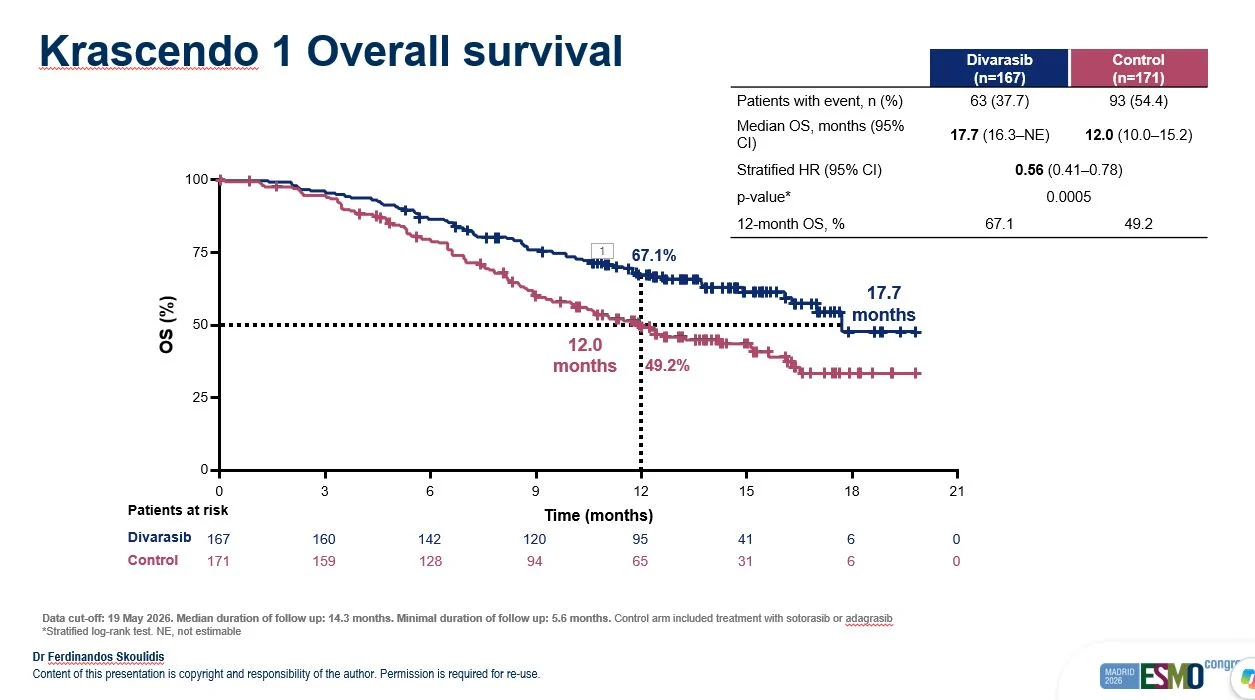
In KRAS G12C-mutated non-small cell lung cancer, the KRASCENDO-1 trial demonstrated that the next-generation targeted therapy divarasib significantly improved survival compared with existing KRAS inhibitors. Median overall survival increased from 12.0 to 17.7 months.
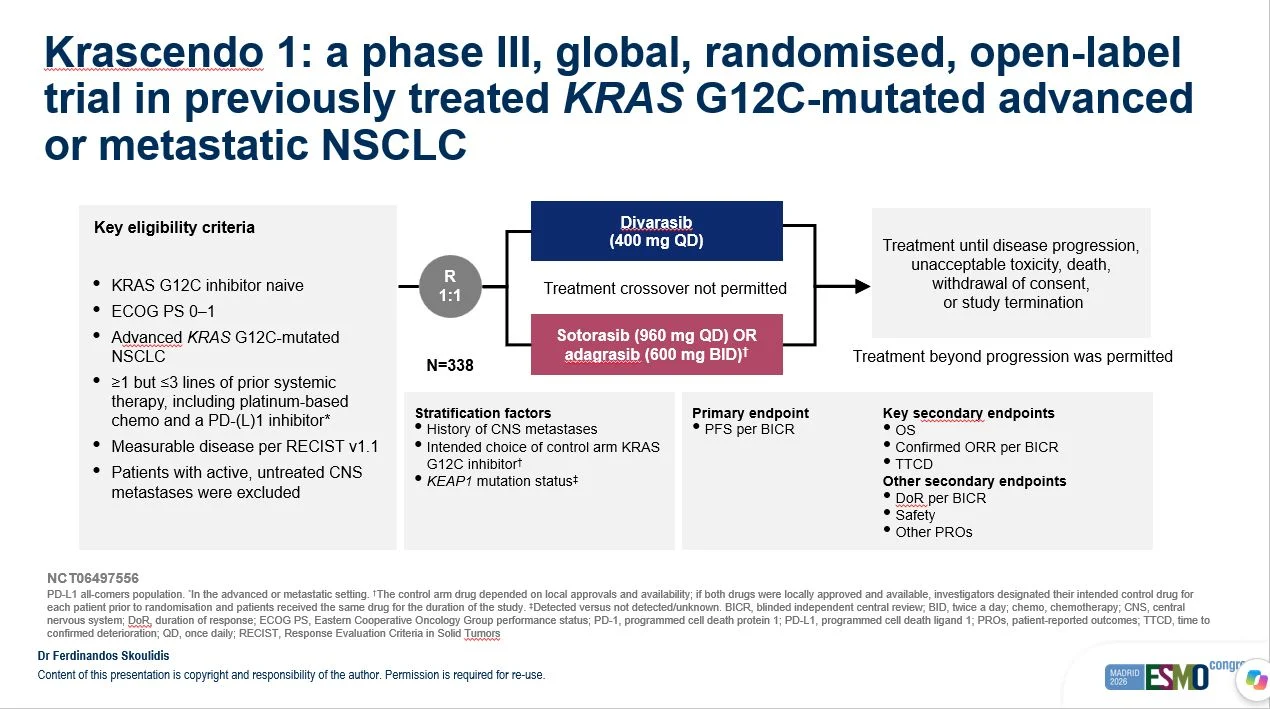
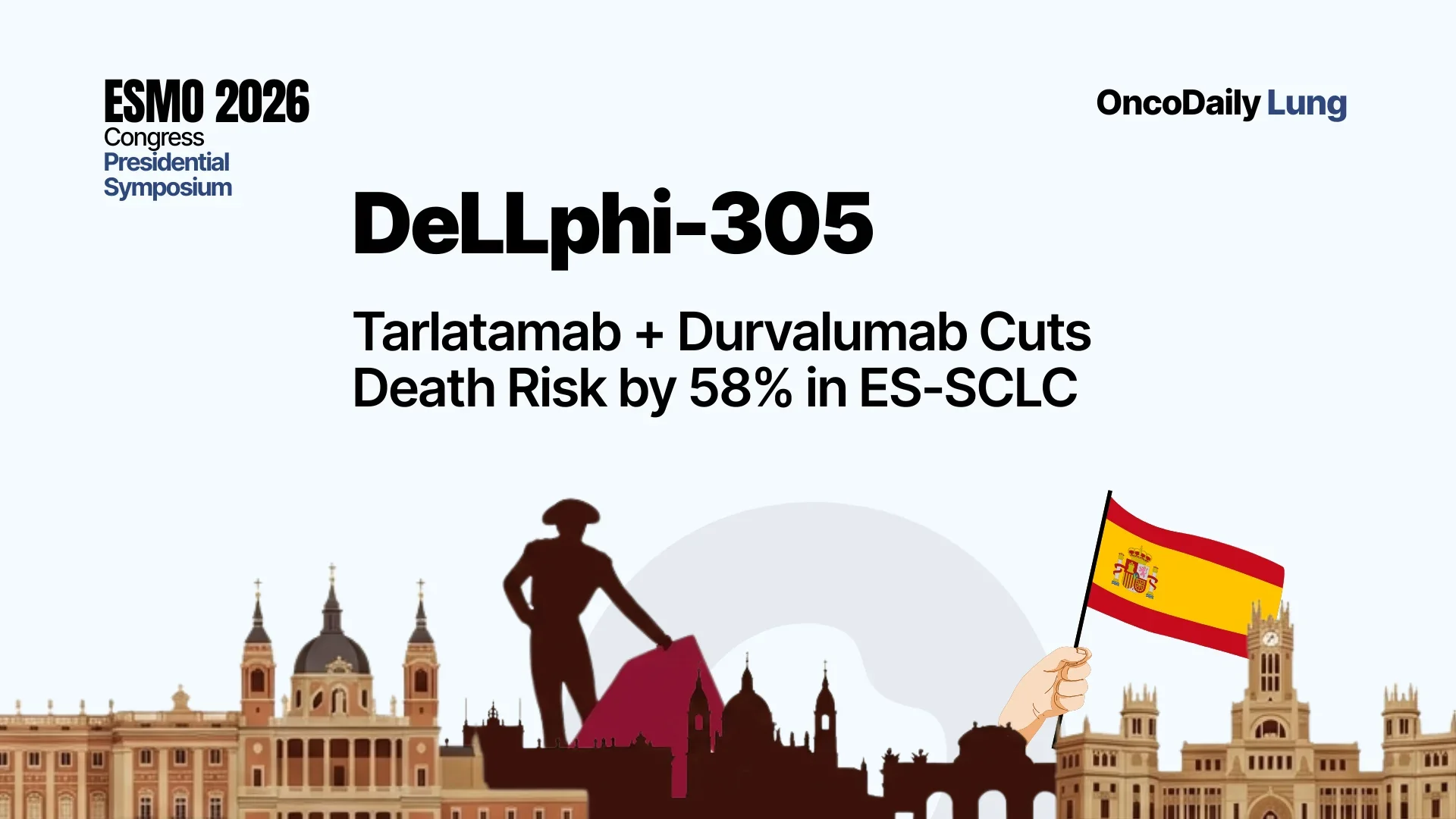
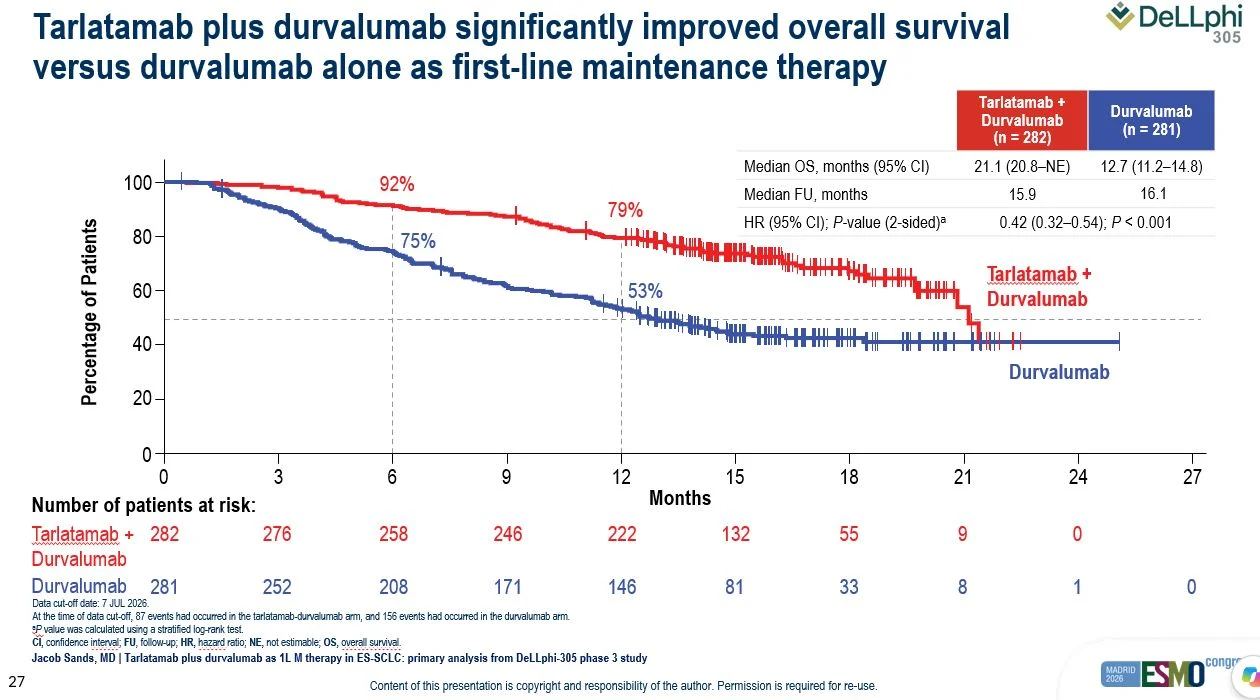
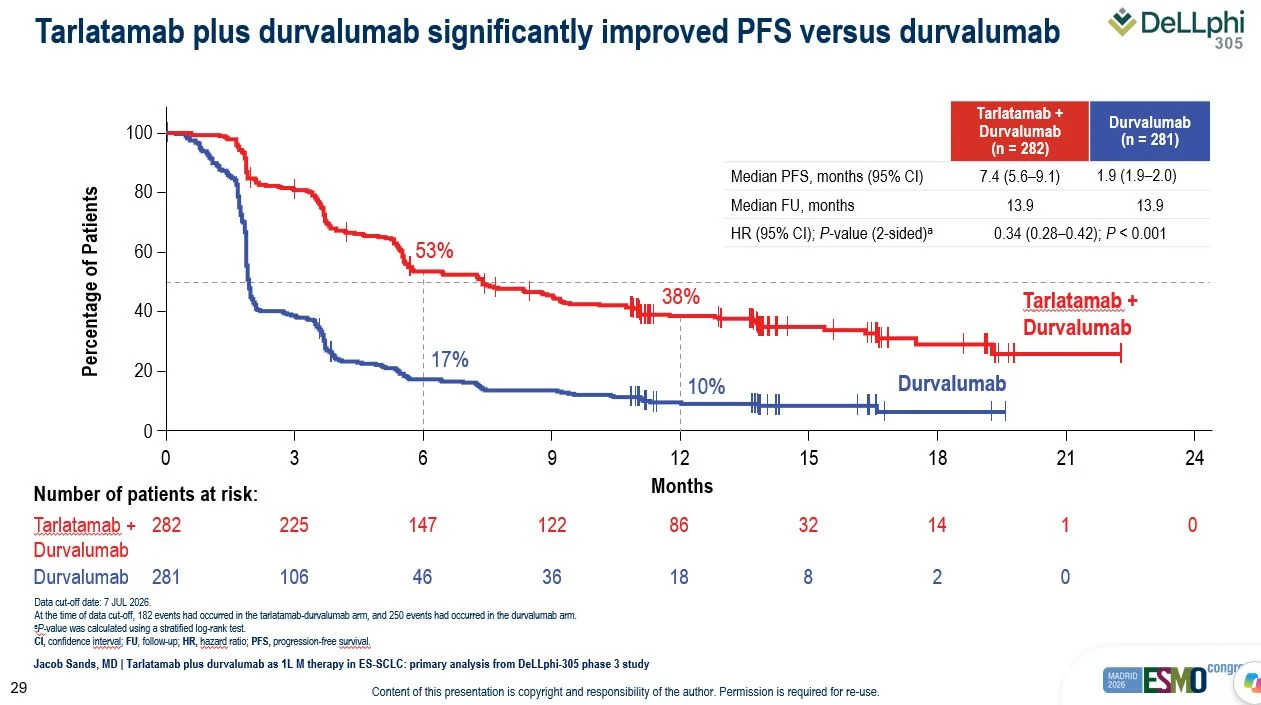
In extensive-stage small cell lung cancer, where treatment advances have historically been limited, DeLLphi-305 demonstrated an even more striking improvement. Adding the bispecific T-cell engager tarlatamab to first-line maintenance durvalumab increased median overall survival from 12.7 to 21.1 months.
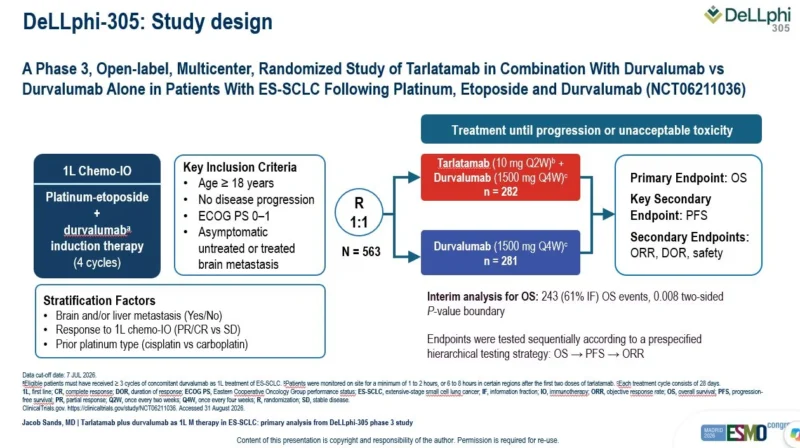
These advances illustrate how lung cancer research continues to build on earlier discoveries. New generations of targeted therapies are improving on existing treatments, different treatment approaches are being combined, and effective therapies are being investigated earlier in the course of disease.
Both divarasib and tarlatamab are now being investigated in earlier treatment settings, with the potential to further improve outcomes.
Translating scientific advances into patient access remains essential. Australia’s positive PBAC recommendation for tarlatamab in relapsed small cell lung cancer is an important step, although PBS listing is still awaited. Australia does not currently have a PBS-reimbursed KRASG12C targeted agent.
Progress in lung cancer treatment is cumulative. Each advance provides the foundation for further research, better treatments and improved survival.”
Dr. Sanders also shared series of informative images, that you can see in gallery below.
You can also read:
- Roche Reports Positive Phase 3 Results for Divarasib in Previously Treated KRAS G12C NSCLC
- DeLLphi-305: Tarlatamab–Durvalumab Redefines First-Line Maintenance in Extensive-Stage SCLC.