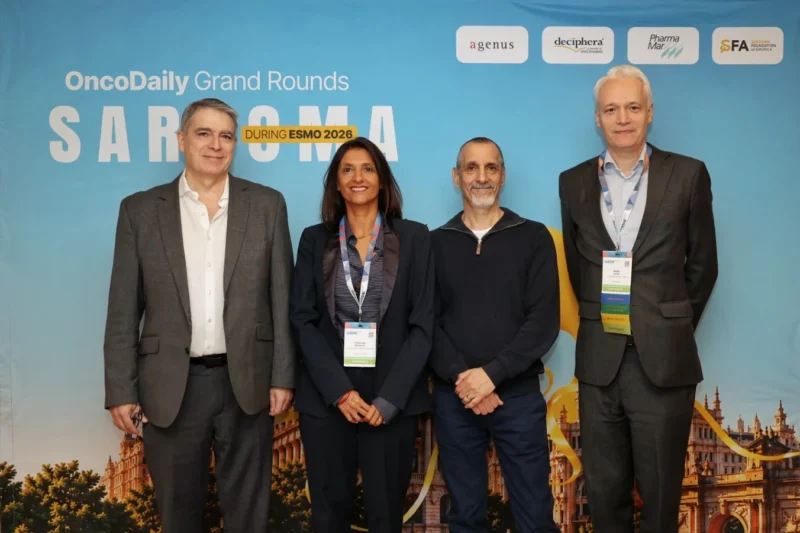
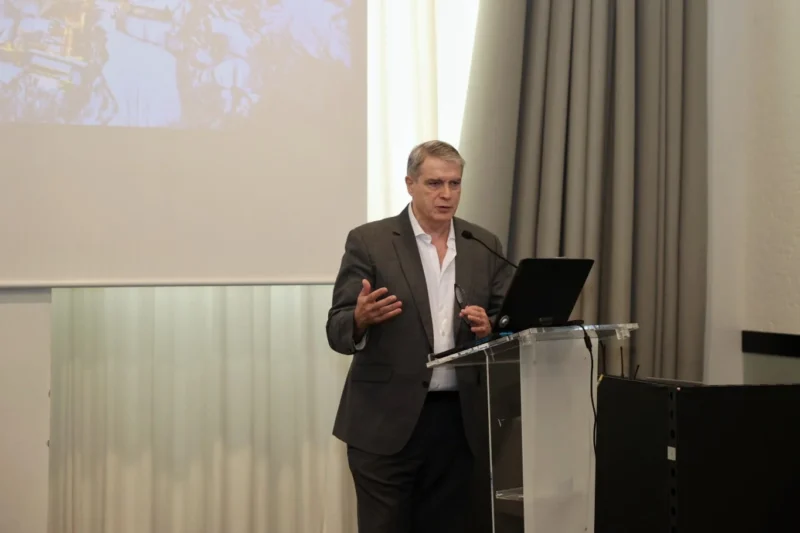
On October 23, 2026, OncoDaily Grand Rounds at ESMO 2026: Sarcoma Edition brought together leading sarcoma specialists, researchers, and patient advocates for an afternoon of scientific discussion during the ESMO Congress 2026 in Madrid, Spain.
Co-chaired by Robin Jones and Javier Martín-Broto, the program examined developments in sarcoma treatment, from emerging targeted therapies and radioligand approaches to immunotherapy and the challenges of conducting clinical trials in rare cancers.
An important part of the meeting was dedicated to the patient perspective, with Pan Pantziarka of the Sarcoma Foundation of America (SFA) addressing the need for meaningful patient involvement in research and drug development.
Across the presentations and subsequent panel discussion, speakers considered not only which treatments are showing promise, but also why translating scientific advances into accessible therapies remains difficult for many people living with sarcoma.
Waiting for Change: Why Patient Advocacy Must Be Part of the Research Team
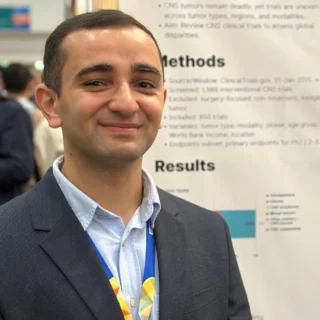
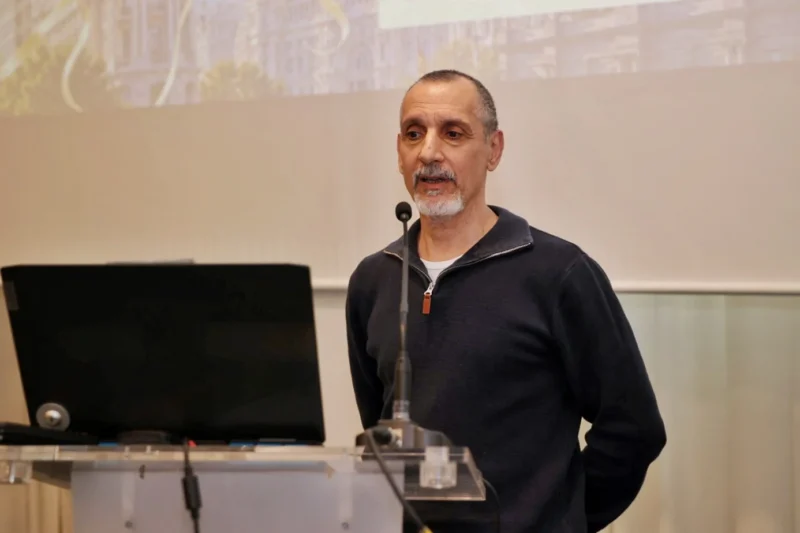
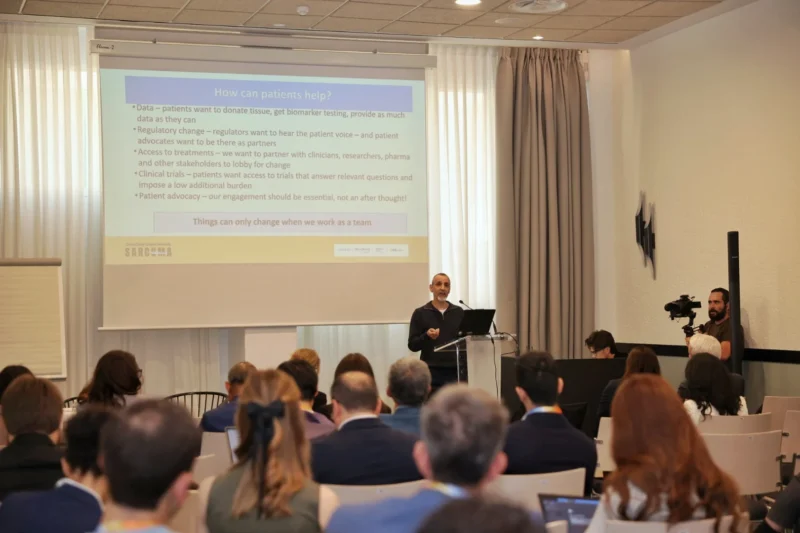
The scientific program opened with welcoming remarks from Amalya Sargsyan, followed by a presentation from Pan Pantziarka of the Sarcoma Foundation of America, titled Waiting for Change — The Patient Perspective.
Pantziarka addressed a persistent problem in cancer research: although patients are increasingly invited to participate in discussions about clinical trials and treatment development, their involvement does not always translate into meaningful influence over decisions.
He cautioned against approaching patient advocacy as a procedural requirement, particularly when patient consultation is treated primarily as a step toward obtaining ethical approval.
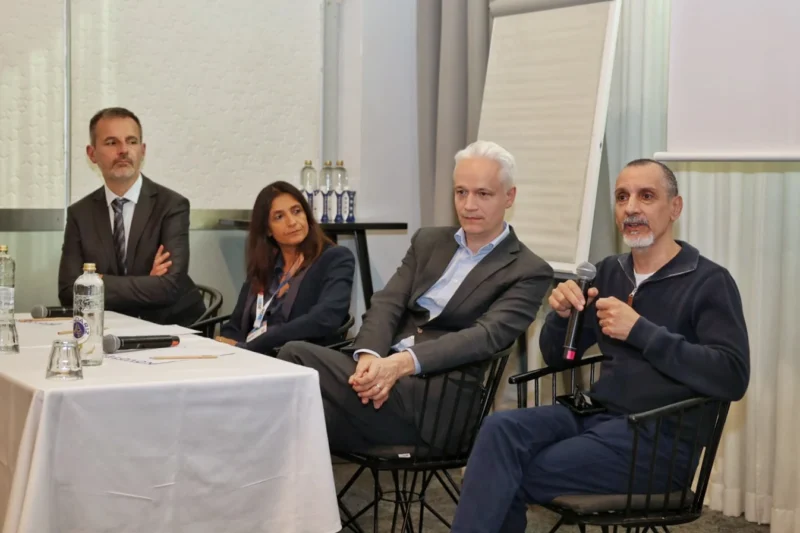
Instead, he argued that patients and advocacy organizations should be recognized as stakeholders with a direct interest in improving research, treatment development, and access to care.
His central message was that clinicians, researchers, pharmaceutical companies, regulators, and patients ultimately share the same objective: better outcomes. Yet the development of new treatments continues to encounter obstacles that are particularly difficult to overcome in rare diseases such as sarcoma.
Patient advocacy organizations can help connect these groups, identify priorities that matter to patients, and contribute to the design of research that addresses unmet needs.
Pantziarka encouraged researchers to involve patient advocates as members of the team rather than as external participants consulted only at particular stages.
The discussion established an important theme for the afternoon: scientific progress alone is not sufficient if patients cannot participate in the research process or benefit from its results.
High-Grade Chondrosarcoma: Are New Treatments Changing the Outlook?
Robin Jones continued the program with Are We Changing the Natural History of High-Grade Chondrosarcomas?, reviewing the current treatment landscape and the clinical evidence supporting emerging therapies.
Chondrosarcoma is a malignant bone tumor characterized by the production of cartilage matrix. Conventional chondrosarcoma accounts for approximately 90% of cases and is generally resistant to conventional chemotherapy.
Surgery remains the principal treatment for localized disease. However, patients with advanced, metastatic, or unresectable chondrosarcoma have historically faced limited systemic treatment options.
Jones explained that different chondrosarcoma subtypes have distinct biological characteristics and responses to treatment. Mesenchymal chondrosarcoma demonstrates greater chemotherapy sensitivity, while dedifferentiated chondrosarcoma is particularly aggressive and remains difficult to manage.
His presentation reviewed several therapeutic approaches under investigation.
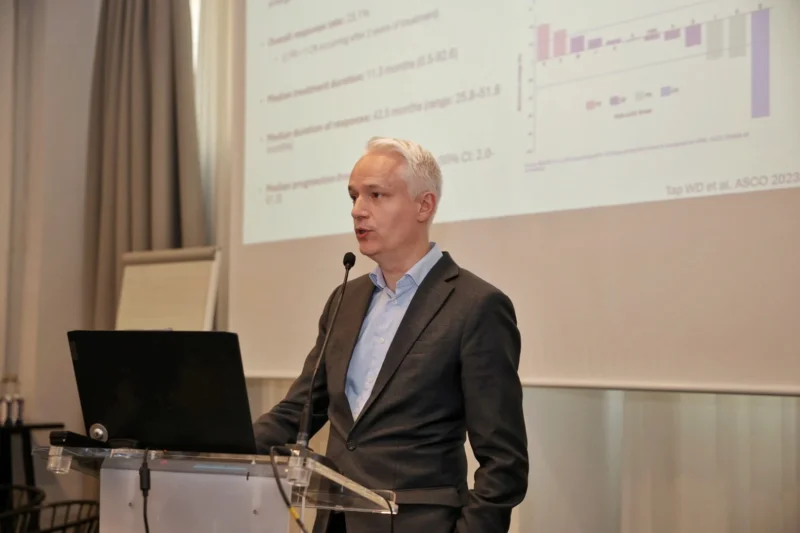
Targeting FAP: A New Direction for Radioligand Therapy in Sarcoma
Emanuela Palmerini presented Targeting FAP in Sarcomas: Radioligands and Beyond, examining the growing interest in treatments that deliver radiation directly to selected molecular targets.
Her presentation introduced the concept of theranostics, an approach that combines diagnostic imaging and targeted treatment.
In this strategy, imaging is used to identify whether a tumor expresses a particular molecular target. If sufficient expression is demonstrated, a therapeutic compound carrying a radioactive isotope may be used to deliver radiation to the targeted tissue.
The approach also allows researchers to reassess target expression after treatment, an important consideration because tumors may change over time.
Palmerini discussed the development of radioligand therapies using beta-emitting and alpha-emitting radionuclides, including the potential advantages of alpha particles, which deliver high-energy radiation over a short distance.
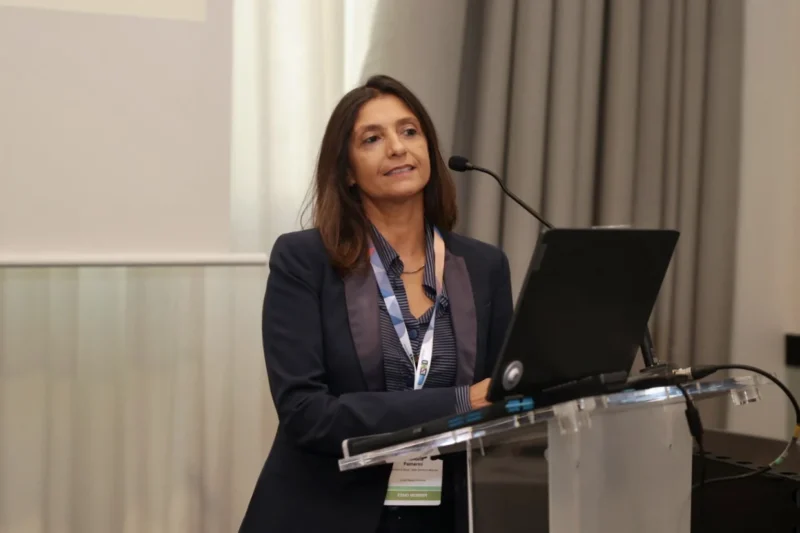
Why Fibroblast Activation Protein Matters
A major focus was fibroblast activation protein (FAP), which is expressed by cancer-associated fibroblasts within the tumor microenvironment.
These cells contribute to the structural and biological environment surrounding tumors and can influence their behavior and response to treatment.
Targeting FAP may therefore offer an opportunity to address not only cancer cells themselves but also components of the surrounding tumor environment.
Palmerini also discussed other potential molecular targets, including B7-H3 (CD276) and LRRC15, which are being investigated in sarcoma research.
Early-phase clinical trials are evaluating the feasibility, dosing, and safety of radioligand treatments directed against these targets.
Importantly, some of these studies include sarcoma-specific patient cohorts, creating opportunities to investigate therapies in tumor types that have historically been underrepresented in drug development.
The presentation highlighted the potential of radioligand therapy while acknowledging that clinical evidence in sarcoma remains preliminary.
For patients, these approaches represent an emerging field of research rather than an established treatment option for most sarcoma subtypes.
Dedifferentiated Liposarcoma: Moving Beyond Conventional Chemotherapy
In Targeted Therapy in Dedifferentiated Liposarcoma: What Can We Expect Going Forward?, Antoine Italiano reviewed advances in the development of treatments directed against molecular abnormalities associated with this challenging sarcoma subtype.
Dedifferentiated liposarcoma is a complex disease in which conventional systemic treatments have demonstrated variable activity.
Italiano focused on the therapeutic potential of targeting molecular pathways involved in tumor growth, particularly MDM2 and CDK4.
His presentation examined clinical studies of agents designed to inhibit these targets, including the opportunities and limitations identified in earlier trials.
Immunogenic Cell Death: Can Chemotherapy Help the Immune System Recognize Sarcoma?
Javier Martín-Broto presented Targeting Immunogenic Cell Death in Sarcomas, examining how certain chemotherapy drugs may help stimulate an immune response against cancer.
Although immune checkpoint inhibitors have transformed treatment in several cancer types, their activity in sarcoma varies considerably between subtypes.
Martín-Broto explained that the sarcoma tumor microenvironment is biologically complex, with immune cells and other surrounding tissue components influencing treatment response.
Some sarcoma subtypes demonstrate greater sensitivity to immunotherapy than others. He highlighted alveolar soft part sarcoma as an example in which immune checkpoint inhibition has shown meaningful clinical activity.
His presentation then focused on immunogenic cell death, a process in which dying cancer cells release signals that can activate the immune system.
Certain chemotherapy drugs, particularly anthracyclines such as doxorubicin, can induce this process.
The release or exposure of molecules including calreticulin, ATP, and HMGB1 can help initiate an immune response against tumor cells.
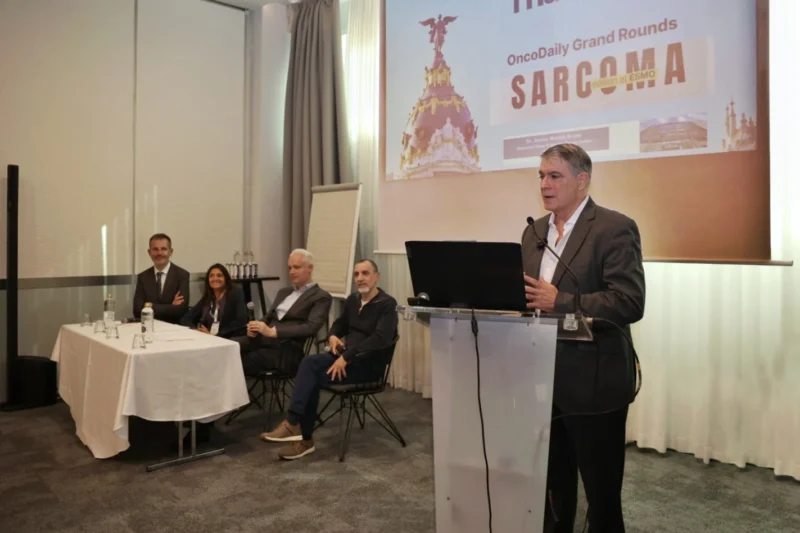
Beyond the Presentations: Clinical Trials, Regulation, and the Need for Flexibility
Following the scientific presentations, all speakers participated in a panel discussion and audience Q&A.
The discussion returned to the concerns raised earlier by Pan Pantziarka: despite substantial advances in understanding sarcoma biology, developing and obtaining approval for new treatments remains particularly challenging in rare cancers.
Panelists discussed the limitations of traditional clinical trial designs, the interpretation of treatment outcomes, and the role of regulatory agencies in evaluating evidence.
A recurring concern was whether conventional measures of treatment benefit always capture meaningful improvements in diseases with unusual patterns of growth or response.
In dedifferentiated liposarcoma, for example, speakers noted that radiological response and progression-free survival can be difficult to interpret.
Alternative methods of evaluating tumor response, including volumetric assessments, were discussed as possible ways to improve the evaluation of new therapies.
The panel also considered whether additional randomized trials are always necessary when substantial evidence already supports the biological rationale and activity of a treatment.
Examples included research involving CSF1R inhibitors in tenosynovial giant cell tumor (TGCT), as well as the potential repurposing of existing drugs for specific sarcoma subtypes.
Speakers argued that greater regulatory flexibility could be particularly valuable when studying rare diseases, where recruiting large patient populations is difficult.
Choosing the Next Treatment: Why There Is No Single Answer
The audience Q&A also addressed treatment sequencing in advanced dedifferentiated liposarcoma.
When asked whether an optimal second-line treatment sequence exists, panelists acknowledged that there is currently no universally established approach.
Available options may include doxorubicin, gemcitabine-based regimens, trabectedin, and other treatments, depending on the individual patient’s clinical circumstances.
The speakers emphasized that responses can be unpredictable. Some patients experience prolonged benefit from treatments that might initially appear unlikely to be effective, while others do not respond.
Treatment selection therefore requires consideration of potential benefit, adverse effects, administration requirements, previous therapy, and patient preferences.
Clinical trial participation was strongly encouraged whenever appropriate.
The discussion also reinforced the need for reliable biomarkers that could help clinicians predict which treatments are most likely to work for individual patients.
Until such tools become more widely available, treatment decisions will continue to require individualized assessment and careful discussion between patients and their clinical teams.
What the Meeting Means for Patients and Families
For people living with sarcoma, the meeting presented a picture of a field in which treatment development is progressing, but important challenges remain.
Several areas of research discussed during the program may eventually broaden treatment options:
- Chondrosarcoma: Investigational targeted therapies and new drug mechanisms are generating clinical evidence in diseases historically resistant to conventional treatment.
- Radioligand therapy: Molecular imaging and targeted radiation approaches are entering early clinical investigation in selected sarcoma populations.
- Dedifferentiated liposarcoma: MDM2 and CDK4 inhibitors remain important areas of research, with continued work needed to establish their most effective clinical use.
- Immunotherapy: Combining chemotherapy with immune checkpoint inhibition is producing encouraging early results in selected soft tissue sarcoma subtypes.
- Patient advocacy: Greater involvement of patients and advocacy organizations may improve research priorities, clinical trial design, and access to emerging treatments.
These developments should not be interpreted as evidence that every investigational treatment is ready for routine clinical use. Many of the approaches discussed remain in early development, and further studies are necessary to confirm their benefits and risks.
For patients considering their treatment options, consultation with a specialist sarcoma team and discussion of available clinical trials remain particularly important.
From Scientific Evidence to Meaningful Change
The meeting concluded with closing remarks from Robin Jones and Javier Martín-Broto, who thanked the speakers, partners, and attendees for their participation.
The discussions throughout OncoDaily Grand Rounds at ESMO 2026: Sarcoma Edition demonstrated both the scientific opportunities emerging in sarcoma research and the practical difficulties that continue to delay treatment development.
New therapeutic targets, clinical trial findings, and approaches to immunotherapy are expanding the possibilities for future care. At the same time, the speakers emphasized the need for better biomarkers, more appropriate clinical trial designs, and greater flexibility in the evaluation of treatments for rare cancers.
The patient perspective remained central to these discussions.
As Pan Pantziarka emphasized at the beginning of the program, patient advocacy should not be treated as an administrative requirement. Patients and advocacy organizations have an important role in determining how research is conducted, which questions are prioritized, and how scientific progress ultimately reaches the people who need it.
For the sarcoma community, the next challenge is not simply to develop more treatments, but to ensure that promising research can become meaningful improvements in care.
OncoDaily Grand Rounds at ESMO 2026: Sarcoma Edition provided an opportunity for clinicians, researchers, and patient advocates to examine that challenge together, with the shared goal of improving outcomes for people affected by sarcoma.