
FDA immunotherapy approvals in the first half of 2026 demonstrate the continued evolution of cancer immunotherapy beyond conventional checkpoint inhibition, with major advances in cellular therapies, antibody-drug conjugate (ADC)–immunotherapy combinations, biomarker-driven treatment strategies, bispecific antibodies, and novel targeted-immunotherapy combinations. Landmark studies—including CEPHEUS, KEYNOTE-B96, MajesTEC-3, SWOG S1826, IMvigor011, POTOMAC, LITESPARK-022, ASCENT-03, ASCENT-04/KEYNOTE-D19, and Precision-T—have established new standards of care across both hematologic malignancies and solid tumors.
These approvals highlight the expanding role of immunotherapy across multiple myeloma, classical Hodgkin lymphoma, platinum-resistant ovarian cancer, muscle-invasive and non-muscle invasive bladder cancer, renal cell carcinoma, triple-negative breast cancer, and hematologic malignancies undergoing allogeneic stem cell transplantation. Collectively, they underscore several defining trends in modern immuno-oncology, including the integration of precision biomarkers such as ctDNA molecular residual disease and PD-L1 expression, the emergence of next-generation cellular immunotherapies and bispecific antibodies, and the increasing use of combination strategies that pair immune checkpoint inhibitors with targeted therapies, antibody-drug conjugates, or conventional treatment modalities to further improve patient outcomes.
Tregzi (Allogeneic Regulatory T Cell-Based Immunotherapy) for Matched Donor Hematopoietic Stem Cell Transplantation
FDA Approval Date: June 30, 2026
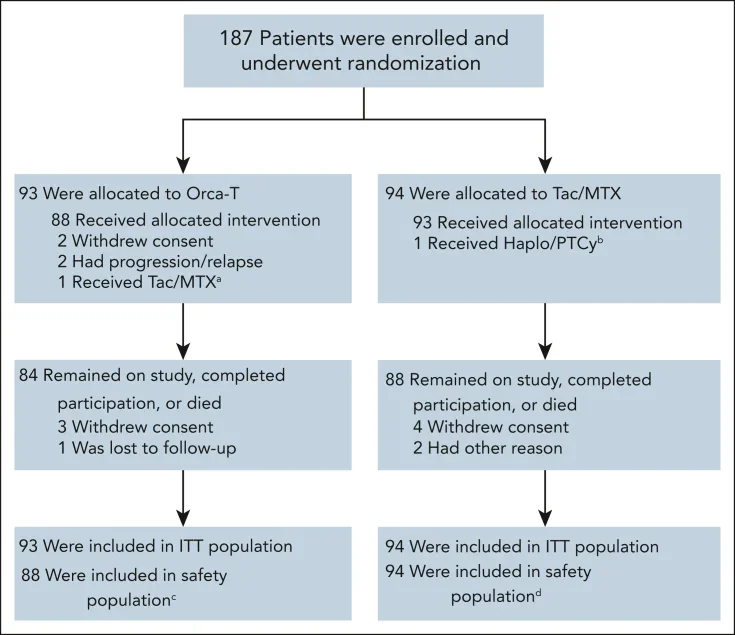
The FDA approved Tregzi (allogeneic regulatory T cell-based immunotherapy with hematopoietic stem and progenitor cells [HSPCs] and T cells-vldq) for use in matched donor hematopoietic stem cell transplantation (HSCT) with a myeloablative conditioning regimen in adults with hematologic malignancies. The therapy is indicated to support hematopoietic and immune reconstitution while improving chronic graft-versus-host disease (cGVHD)-free survival, representing the first FDA-approved allogeneic regulatory T-cell (Treg) therapy and introducing a new paradigm of immune modulation in transplantation.
Approval was based on the randomized Precision-T trial, which enrolled adults with acute leukemias or myelodysplastic syndrome undergoing matched donor HSCT. Tregzi significantly prolonged chronic GVHD-free survival, with the median not reached compared with 7.3 months in the standard allograft arm (HR 0.26). The cumulative incidence of moderate-to-severe chronic GVHD at 12 months was reduced from 44.0% with conventional transplantation to 12.6%with Tregzi (HR 0.19), while 100% of patients achieved neutrophil engraftment within 28 days, demonstrating preserved hematopoietic recovery despite targeted immune modulation.
Unlike conventional cancer immunotherapies that enhance antitumor immune responses, Tregzi harnesses regulatory T cells to promote immune tolerance, reducing harmful donor immune reactions while preserving successful engraftment. This approval marks an important milestone in cellular immunotherapy, expanding the field beyond immune activation toward precision immune regulation and offering a novel strategy to improve long-term outcomes after allogeneic stem cell transplantation in patients with hematologic malignancies.
Sacituzumab Govitecan With or Without Pembrolizumab for First-Line Metastatic Triple-Negative Breast Cancer
FDA Approval Date: June 24, 2026
The FDA approved sacituzumab govitecan (Trodelvy) for two first-line indications in adults with unresectable locally advanced or metastatic triple-negative breast cancer (TNBC). The approvals include sacituzumab govitecan as monotherapy for patients who are not candidates for PD-1/PD-L1 inhibitor-based therapy and sacituzumab govitecan in combination with pembrolizumab for patients with PD-L1-positive tumors (CPS ≥10). These approvals establish the first Trop-2-directed antibody-drug conjugate (ADC) as a frontline treatment for metastatic TNBC, expanding the role of ADCs both as a chemotherapy alternative and in combination with immunotherapy.
The approvals were supported by the ASCENT-03 and ASCENT-04/KEYNOTE-D19 phase III trials, which demonstrated significant improvements in progression-free survival over standard chemotherapy-based regimens.
Key efficacy results
ASCENT-03 (Sacituzumab Govitecan Monotherapy)
- Median PFS: 9.7 vs 6.9 months (HR 0.62; P <0.0001)
- Objective response rate (ORR): 50% vs 47%
- Overall survival: Data immature
ASCENT-04/KEYNOTE-D19 (Sacituzumab Govitecan + Pembrolizumab)
- Median PFS: 11.2 vs 7.8 months (HR 0.65; P = 0.0009)
- Objective response rate (ORR): 61% vs 55%
- Overall survival: Data immature
These approvals represent an important milestone in metastatic TNBC by bringing Trop-2-targeted ADC therapy into the first-line setting and reinforcing the growing role of ADC–immunotherapy combinations. By pairing targeted delivery of chemotherapy with PD-1 blockade, sacituzumab govitecan plus pembrolizumab offers a new immunotherapy-based strategy that may further improve outcomes for patients with PD-L1-positive disease while providing an effective frontline option for those ineligible for immune checkpoint inhibitors.

Sacituzumab govitecan (Trodelvy)
Belzutifan Plus Pembrolizumab for Adjuvant Clear Cell Renal Cell Carcinoma
FDA Approval Date: June 12, 2026
The FDA approved belzutifan (Welireg) in combination with pembrolizumab for the adjuvant treatment of adults with clear cell renal cell carcinoma (ccRCC) at intermediate-high or high risk of recurrence following nephrectomy, including patients who underwent complete resection of metastatic disease. This approval introduces the first adjuvant combination of a HIF-2α inhibitor and PD-1 inhibitor, representing a novel strategy to reduce recurrence by simultaneously targeting tumor hypoxia signaling and antitumor immunity.
The approval was based on the phase III LITESPARK-022 trial, which demonstrated a significant improvement in disease-free survival compared with pembrolizumab alone, establishing a new adjuvant treatment option for patients at high risk of relapse after surgery.
Key efficacy results
- Disease-free survival (DFS): Significant improvement with belzutifan plus pembrolizumab (HR 0.72; P = 0.0003)
- Median DFS: Not reached in either treatment arm at the interim analysis
- DFS events: 186 with belzutifan plus pembrolizumab vs 246 with pembrolizumab alone
- Overall survival (OS): Data immature at the time of approval
This approval expands the role of immunotherapy in renal cell carcinoma by combining PD-1 blockade with HIF-2α inhibition, targeting two complementary mechanisms of tumor progression. While pembrolizumab enhances antitumor immune responses, belzutifan inhibits the hypoxia-inducible factor (HIF-2α) pathway, a key driver of clear cell RCC biology. Together, this dual-targeted approach represents an important advance in adjuvant therapy, aiming to reduce the risk of recurrence in patients with high-risk localized disease following curative-intent surgery.
Durvalumab Plus Bacillus Calmette-Guérin (BCG) for High-Risk Non-Muscle Invasive Bladder Cancer
FDA Approval Date: May 28, 2026
The FDA approved durvalumab (Imfinzi) in combination with Bacillus Calmette-Guérin (BCG) for the treatment of adults with BCG-naïve, high-risk non-muscle invasive bladder cancer (NMIBC) following transurethral resection of bladder tumor (TURBT). This approval represents the first PD-L1 inhibitor approved in combination with BCG for BCG-naïve high-risk NMIBC, extending immunotherapy into earlier-stage bladder cancer with the goal of reducing recurrence and delaying disease progression.
The approval was based on the phase III POTOMAC trial, which demonstrated that adding durvalumab to standard BCG induction and maintenance significantly improved disease-free survival compared with BCG alone.
Key efficacy results
- Disease-free survival (DFS): Significant improvement with durvalumab plus BCG (HR 0.68; P = 0.0154)
- Median DFS: Not reached in either treatment arm at the time of analysis
- Risk reduction: 32% lower risk of recurrence, progression, or death compared with BCG alone
This approval marks an important advance in the management of high-risk NMIBC, integrating PD-L1 blockade with intravesical BCG, the long-standing standard of care. By combining local immune activation induced by BCG with systemic checkpoint inhibition, durvalumab aims to enhance antitumor immunity and improve long-term disease control. The approval further expands the role of immunotherapy into earlier stages of bladder cancer and establishes a new treatment option for patients with BCG-naïve high-risk disease.
Atezolizumab for ctDNA-Positive Muscle-Invasive Bladder Cancer Following Cystectomy
FDA Approval Date: May 15, 2026
The FDA approved atezolizumab (Tecentriq) and atezolizumab and hyaluronidase (Tecentriq Hybreza) as adjuvant treatment for adults with muscle-invasive bladder cancer (MIBC) following radical cystectomy who have circulating tumor DNA (ctDNA)-defined molecular residual disease (MRD) identified by an FDA-authorized test. Simultaneously, the FDA approved the Signatera CDx assay as the companion diagnostic, making this the first immunotherapy approval guided by ctDNA-based MRD testing in bladder cancer and an important milestone for precision oncology.
The approval was based on the phase III IMvigor011 trial, which demonstrated significant improvements in both disease-free survival and overall survival with adjuvant atezolizumab compared with placebo in patients with detectable ctDNA after surgery.
Key efficacy results
- Disease-free survival (DFS): 9.9 vs 4.8 months (HR 0.64; P = 0.0047)
- Overall survival (OS): 32.8 vs 21.1 months (HR 0.59; P = 0.0131)
- Risk reduction: 36% lower risk of recurrence or death and 41% lower risk of death compared with placebo
This approval represents a major advance in biomarker-driven immunotherapy, shifting adjuvant treatment decisions from clinicopathologic risk factors to molecular evidence of residual disease. By using ctDNA to identify patients most likely to benefit from PD-L1 blockade, atezolizumab delivers a more personalized postoperative treatment strategy, potentially sparing ctDNA-negative patients from unnecessary therapy while improving outcomes for those at highest risk of recurrence. It marks a significant step toward the integration of liquid biopsy-guided immunotherapy in early-stage cancer management.
Read more about IMvigor011 Trial at ESMO 2025 on OncoDaily.
Nivolumab Plus AVD Chemotherapy for Previously Untreated Advanced Classical Hodgkin Lymphoma
FDA Approval Date: March 20, 2026
The FDA approved nivolumab (Opdivo) in combination with doxorubicin, vinblastine, and dacarbazine (AVD) for the treatment of adults and pediatric patients (≥12 years) with previously untreated Stage III or IV classical Hodgkin lymphoma (cHL). The approval establishes PD-1 blockade plus AVD as a new frontline standard of care for advanced cHL, replacing the previous brentuximab vedotin-based regimen. The FDA also converted nivolumab’s previous accelerated approvals in relapsed or refractory cHL to traditional approvals, confirming its long-term clinical benefit.
The approval was supported by the phase III SWOG S1826 (CA209-8UT) trial, which demonstrated superior progression-free survival with nivolumab plus AVD compared with brentuximab vedotin plus AVD, while maintaining a manageable safety profile.
Key efficacy results
- Progression-free survival (PFS): Significant improvement with nivolumab plus AVD (HR 0.42; P < 0.0001)
- Median PFS: Not reached in either treatment arm
- Risk reduction: 58% lower risk of disease progression or death compared with brentuximab vedotin plus AVD
- Overall mortality (36.7-month follow-up): 1.8% with nivolumab plus AVD vs 3.4% with brentuximab vedotin plus AVD
This approval represents a major advance in the frontline management of advanced classical Hodgkin lymphoma, reinforcing the central role of PD-1 blockade in this highly immunogenic disease. By combining nivolumab with standard AVD chemotherapy, the regimen achieved superior disease control over the previous standard while avoiding brentuximab vedotin, establishing a new benchmark for newly diagnosed Stage III–IV cHL in both adult and adolescent patients.
Teclistamab Plus Daratumumab for Relapsed or Refractory Multiple Myeloma
FDA Approval Date: March 5, 2026
The FDA approved teclistamab (Tecvayli) in combination with daratumumab hyaluronidase for adults with relapsed or refractory multiple myeloma who have received at least one prior line of therapy, including a proteasome inhibitor and an immunomodulatory agent. The approval moves BCMA-directed bispecific T-cell engager therapy into earlier lines of treatment, marking an important expansion of T-cell–redirecting immunotherapy in multiple myeloma. The FDA also converted teclistamab’s previous accelerated approval as monotherapy into traditional approval, confirming its clinical benefit in heavily pretreated disease.
The approval was based on the phase III MajesTEC-3 trial, which demonstrated significant improvements in both progression-free and overall survival compared with standard daratumumab-based regimens.
Key efficacy results
- Progression-free survival (PFS): Not reached vs 18.1 months (HR 0.17; P < 0.0001)
- Overall survival (OS): Not reached in either arm, with a significant survival benefit (HR 0.46; P < 0.0001)
- Risk reduction: 83% lower risk of disease progression or death and 54% lower risk of death compared with standard therapy
This approval represents a major advance in the treatment of relapsed or refractory multiple myeloma, establishing BCMA-directed bispecific immunotherapy as an earlier treatment option. By combining teclistamab-mediated T-cell redirection with CD38-targeted therapy using daratumumab, the regimen delivers complementary immune mechanisms that enhance antimyeloma activity. The approval further reinforces the growing role of bispecific antibodies as a new pillar of immunotherapy alongside CAR T-cell therapies and antibody-based treatments in multiple myeloma.
Multiple Myeloma: Symptoms, Causes, Stages, Diagnosis and Treatment
Pembrolizumab Plus Paclitaxel for Platinum-Resistant Ovarian Cancer
FDA Approval Date: February 10, 2026
The FDA approved pembrolizumab (Keytruda), including the subcutaneous formulation Keytruda Qlex, in combination with paclitaxel, with or without bevacizumab, for adults with PD-L1-positive (CPS ≥1) platinum-resistant epithelial ovarian, fallopian tube, or primary peritoneal carcinoma who have received one or two prior lines of systemic therapy. The FDA also approved the PD-L1 IHC 22C3 pharmDx assay as the companion diagnostic, making this the first biomarker-selected immunotherapy approval for platinum-resistant ovarian cancer.
The approval was based on the phase III KEYNOTE-B96 trial, which demonstrated significant improvements in both progression-free and overall survival compared with paclitaxel-based therapy alone in patients with PD-L1-positive disease.
Key efficacy results
- Progression-free survival (PFS): 8.3 vs 7.2 months (HR 0.72; P = 0.0014)
- Overall survival (OS): 18.2 vs 14.0 months (HR 0.76; P = 0.0053)
- Risk reduction: 28% lower risk of disease progression or death and 24% lower risk of death compared with chemotherapy alone
This approval represents a significant milestone for gynecologic immuno-oncology, introducing PD-1 blockade into the treatment of platinum-resistant ovarian cancer, a setting where immunotherapy has historically shown limited success. By selecting patients based on PD-L1 expression, pembrolizumab delivers clinically meaningful survival benefits and establishes a new biomarker-driven treatment strategy for this difficult-to-treat population. The approval also reinforces the expanding role of precision immunotherapy in ovarian cancer through the integration of companion diagnostics.
Daratumumab Plus VRd for Transplant-Ineligible Newly Diagnosed Multiple Myeloma
FDA Approval Date: January 27, 2026
The FDA approved daratumumab and hyaluronidase-fihj (Darzalex Faspro) in combination with bortezomib, lenalidomide, and dexamethasone (VRd) for adults with newly diagnosed multiple myeloma who are ineligible for autologous stem cell transplantation (ASCT). This approval expands the use of CD38-targeted immunotherapy into the frontline treatment of transplant-ineligible patients, reinforcing daratumumab-based quadruplet regimens as a cornerstone of initial multiple myeloma therapy.
The approval was based on the phase III CEPHEUS trial, which demonstrated significantly deeper responses and improved progression-free survival with the addition of daratumumab to standard VRd therapy.
Key efficacy results
- Minimal residual disease (MRD) negativity: 52.3% vs 34.8% (P = 0.0005)
- Progression-free survival (PFS): Significant improvement (HR 0.60; P = 0.0078)
- Risk reduction: 40% lower risk of disease progression or death compared with VRd alone
This approval further strengthens the role of CD38-directed immunotherapy in newly diagnosed multiple myeloma by demonstrating that adding daratumumab to standard triplet therapy produces deeper and more durable responses in patients who are not candidates for stem cell transplantation. The marked increase in MRD negativity, an increasingly important surrogate marker of long-term outcomes, supports the growing shift toward quadruplet immunotherapy-based induction regimens as the new standard of care in frontline multiple myeloma.