In 2025, gastrointestinal oncology continued to move at an exceptional pace. New trials matured, biomarkers refined patient selection, and regulatory decisions translated science into practice. At the same time, the volume and complexity of information made focused, disease-specific insight more important than ever.
OncoDaily GI was created to respond to this need. In just four months, it has grown into a dedicated space for daily GI oncology updates, clinical context, and shared discussion across the global cancer community.
How It Started
The OncoDaily family has always been built around a simple belief: cancer care improves when knowledge is accessible, current, and shared with purpose. In 2025, that mission gained a new, focused voice.
On September 7, 2025, we launched OncoDaily GI—a dedicated member of the OncoDaily ecosystem created to follow gastrointestinal oncology with the attention it deserves. GI cancers are among the most common and the most complex globally. They span diverse tumor biologies, demand multidisciplinary decision-making, and evolve quickly as new biomarkers, combinations, and treatment strategies reshape daily practice. From the first day, our goal was to make this fast-moving field easier to navigate without losing the scientific depth that it requires.
What We Set Out to Do
From the beginning, the goal of OncoDaily GI has been to move beyond headlines and deliver context. We set out to interpret data rather than simply report it, helping clinicians, researchers, and patients understand how emerging evidence fits into real-world practice and everyday decision-making.
Our editorial focus spans the full spectrum of gastrointestinal malignancies, including colorectal, gastric, gastroesophageal junction, pancreatic, hepatobiliary, and esophageal cancers. We have closely followed practice-changing clinical trials, FDA and EMA regulatory decisions, advances in biomarker-driven precision oncology, and evolving approaches to screening and early detection, always with an emphasis on clinical relevance.
As our readership grew, another purpose became clear. Patients and caregivers began writing to us, often hoping to find information about ongoing clinical trials they might be able to participate in. These messages were a powerful reminder that information in oncology is not theoretical. For many patients, it represents possibility, timing, and hope.
In response, we expanded our coverage of ongoing GI oncology trials—not as a standalone feature, but as an integral part of our mission. By highlighting active studies, emerging strategies, and investigational approaches, we aim to improve trial awareness and support more informed conversations between patients and their treating teams. This patient-driven perspective has become a defining element of OncoDaily GI and continues to shape how we approach our work.
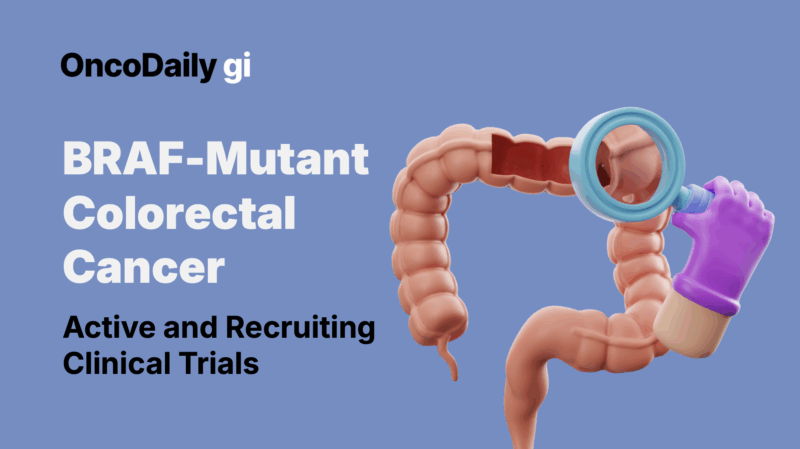
You can read more about BRAF-Mutant Colorectal Cancer Active and Recruiting Trials You Need to Know in 2025 on OncoDaily.
What We Achieved Together
In just four months, OncoDaily GI grew faster than we expected—and that growth felt meaningful because it was driven by engagement, not just numbers. Our LinkedIn community reached more than 3k followers, and on X we grew to over 2k followers, bringing together GI oncologists, surgeons, gastroenterologists, pathologists, translational scientists, trainees, and advocates from many countries and practice settings.
We published daily updates because the GI oncology landscape changes daily. Approvals arrive, conference sessions shift standards, and new datasets refine what we thought we knew. Keeping pace is difficult even for specialists, and our work has been to make that pace manageable—without oversimplifying it. Over these first months, this commitment translated into more than 100 scientific posts, including over 41 dedicated trial updates, each aimed at delivering timely, clinically meaningful insight rather than volume for its own sake.
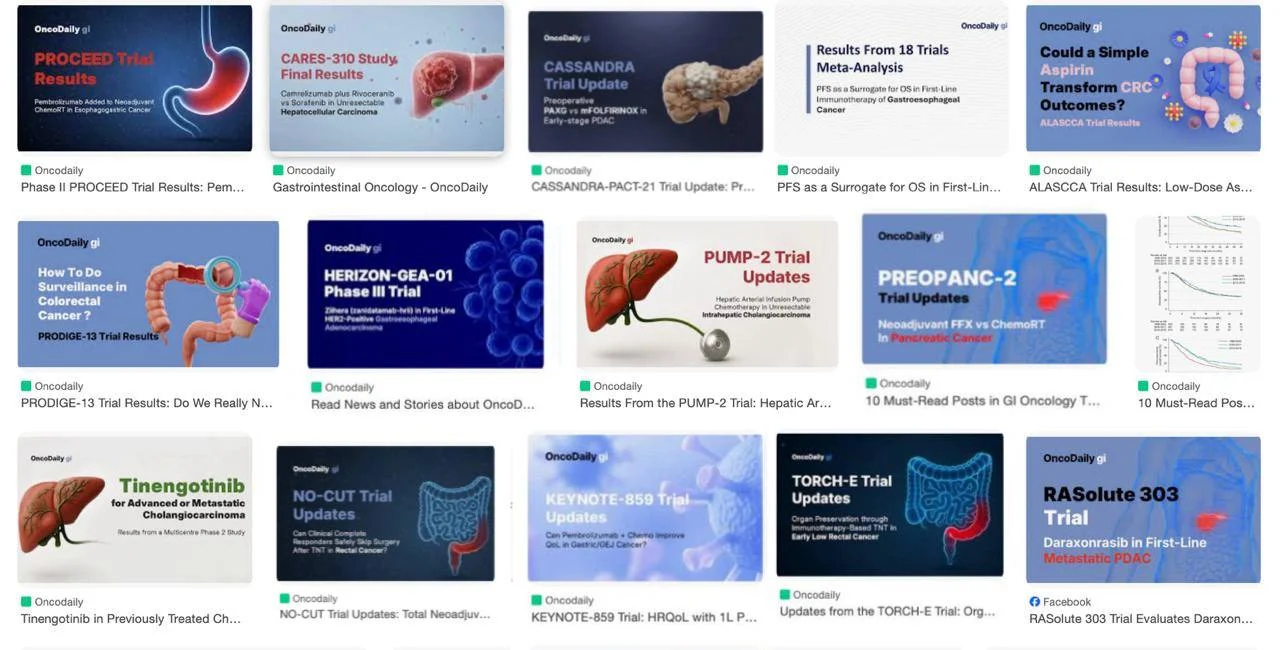
We also began to establish a weekly rhythm that many readers now look for: every Monday, OncoDaily GI shares our “10 Must-Read Posts in GI Oncology”—a curated snapshot of the week’s most practice-relevant developments, paired with expert perspective and clinical framing. In a world of endless information, curation is not a luxury; it is part of clinical efficiency. This weekly series became one of the ways we try to respect our readers’ time while still honoring the complexity of the field.
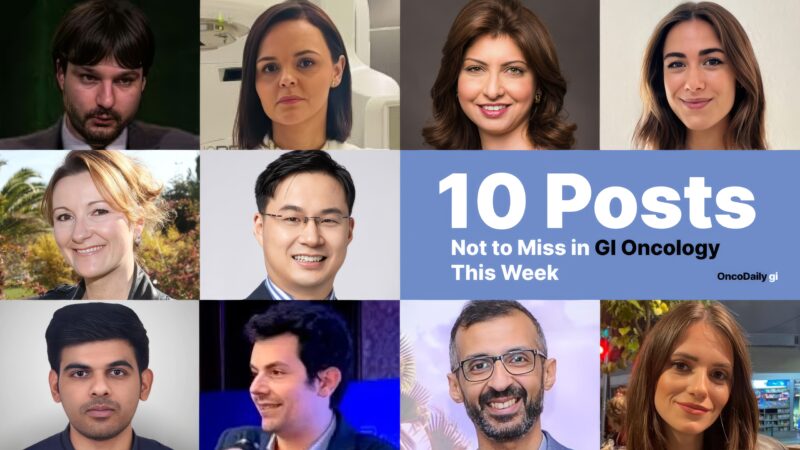
Read more about 10 Must-Read Posts in GI Oncology This Week on OncoDaily.
Key FDA Approvals in GI Oncology
One of the clearest signals of how quickly GI oncology is moving came through regulatory milestones. Our OncoDaily GI coverage of “5 FDA approved drugs for GI cancers in the first half of 2025” captured this momentum precisely: a period in which landmark approvals reshaped treatment paradigms across colorectal cancer, gastric and GEJ adenocarcinoma, hepatocellular carcinoma, and anal cancer—reflecting the accelerating impact of precision medicine, immunotherapy combinations, and biomarker-driven patient selection.
This kind of progress brings hope, but also new real-world complexity. New options require thoughtful sequencing, careful toxicity management, and disciplined biomarker testing. That is exactly where a focused platform like OncoDaily GI can add value—by keeping the science visible and the clinical implications clear.
Read about 5 FDA approved drugs for GI Cancers in the first of half 2025 on OncoDaily.
The Trial Update That Resonated Most: CASSANDRA
The most-read trial update on OncoDaily GI during this period focused on the CASSANDRA (PACT-21) phase III trial, reflecting strong interest in perioperative strategies for pancreatic ductal adenocarcinoma. Shared widely across the community, the analysis generated more than 7K impressions on LinkedIn, highlighting how strongly this question resonated with clinicians and researchers alike.
CASSANDRA was the first randomized study to directly compare preoperative PAXG with modified FOLFIRINOX in resectable and borderline resectable PDAC. The trial demonstrated a clear advantage for PAXG, with improved event-free survival, deeper biological and pathological responses, and fewer early metastatic events, while maintaining similar resection rates and manageable toxicity.
The attention this update received underscored the value of trials that refine clinical strategy and inform patient selection—not only by changing practice, but by clarifying why and for whom certain approaches work. This remains central to our focus on practical, data-driven interpretation in GI oncology.
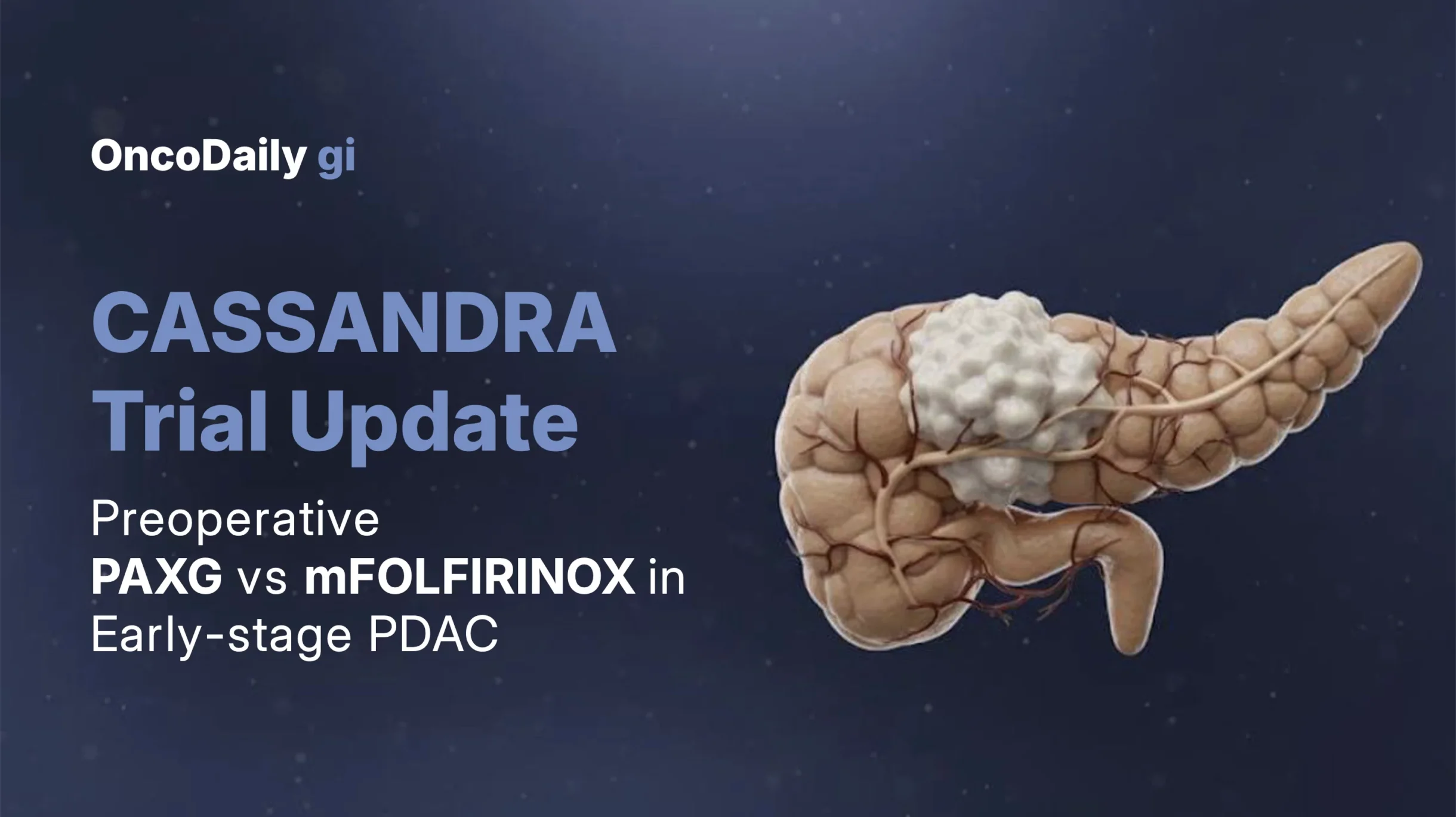
Read more about CASSANDRA-PACT-21 Trial Update: Preoperative PAXG vs mFOLFIRINOX in Resectable and Borderline Resectable PDAC on OncoDaily.
ESMO 2025: Staying With the Science, In Real Time
ESMO 2025 in Berlin marked one of the most intense and defining weeks of the year in oncology, and OncoDaily GI remained closely engaged throughout the congress. With continuous coverage running around the clock, we followed key gastrointestinal oncology sessions as they unfolded, highlighting late-breaking data, expert interpretation, and emerging themes across gastric, GEJ, and colorectal cancers.
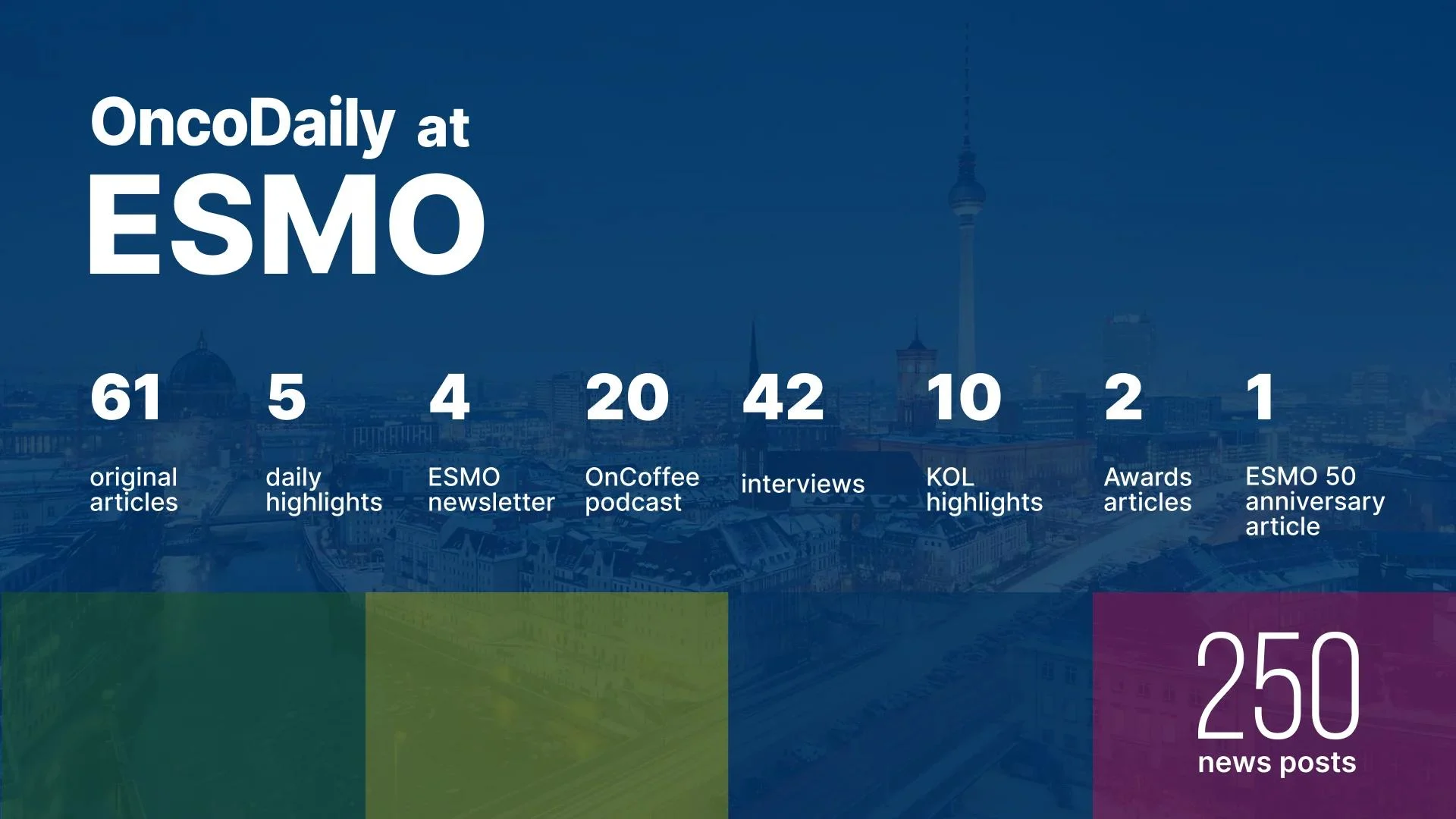
Read about ESMO 2025 – The Grand Catch-Up (Berlin, October 17-21, 2025) on OncoDaily.
From biomarker-driven strategies and ctDNA-guided approaches to evolving HER2-targeted therapies, our ESMO coverage aimed to move beyond summaries and provide timely clinical context—connecting conference data to everyday decision-making while the discussions were still happening.
The Post Everyone Read: MATTERHORN at ESMO 2025
Some moments define a year—or, in our case, define the beginning of a platform.
One of our most-read and most-discussed pieces was the coverage of MATTERHORN at ESMO 2025: durvalumab plus FLOT in resectable gastric and GEJ adenocarcinoma. The response was immediate and striking: more than 12k impressions on LinkedIn, reflecting how strongly the GI oncology community was looking for clear interpretation of practice-changing perioperative data.
MATTERHORN mattered not only because it was a major phase 3 program, but because it spoke directly to curative-intent care—where improvements in event-free survival, pathological response, and overall survival translate into a real shift in what “standard” means for patients with resectable disease.
Read more about MATTERHORN Trial at ESMO 2025: Durvalumab Plus FLOT in Resectable Gastric and GEJ Adenocarcinoma on OncoDaily.
Where GI Oncology Came Together
We closed ESMO 2025 by bringing the science back to its core purpose: clinical decision-making. We organized a dedicated GI Round, led by Yelena Janjigian and joined by leading GI oncologists, to focus on what was truly practice-changing in gastric, gastroesophageal junction, and colorectal cancer—and where restraint and careful patient selection remain essential. It served as a valuable bridge between headline data and the realities of day-to-day clinical care.
As the scientific sessions gave way to conversation, the OncoDaily Party in Berlin became a different kind of highlight. We hosted the evening in the city’s creative district and deliberately designed it with “zero slides,” creating space for dialogue rather than presentations. With more than 500 registrations from over ten countries and a strong presence of early-career oncologists, the atmosphere felt less like a side event and more like a snapshot of where oncology is heading—open, collaborative, and globally connected.
Supported by a hosting committee spanning academia and industry, the evening was a reminder that progress in oncology does not happen only in lecture halls. It also happens through conversations, shared perspectives, and the connections that carry ideas forward long after the congress ends.
From Conference to Clinic: The FDA Approval That Followed
After ESMO, the story did not end. It moved where it matters most: into routine practice.
On November 25, 2025, the FDA approved durvalumab (Imfinzi) plus FLOT as perioperative therapy for adults with resectable gastric or gastroesophageal junction adenocarcinoma, followed by durvalumab monotherapy—an approval grounded in the MATTERHORN trial and one of the most consequential GI oncology regulatory milestones of the year.
This was the kind of full-circle moment that reflects why we built OncoDaily GI in the first place: to track the continuum from trial design to conference presentation to regulatory decision to real-world implementation—and to do so in a way that is accessible, timely, and clinically grounded.
A Note of Gratitude, and a Look Toward 2026
As we step into 2026, we will continue to do what we promised at the start—bring clarity, depth, and perspective to GI oncology—while expanding what you have asked for most: stronger coverage of ongoing trials, sharper interpretation of high-impact approvals, and thoughtful weekly curation that respects both evidence and time.
On the Ground at ASCO GI
We will also remain present where new data first emerge. In 2026, OncoDaily GI will be on the ground at ASCO GI, bringing key moments, expert insights, and real-time highlights directly from the meeting floor, with a continued focus on translating conference data into meaningful clinical context.
Advancing GI Oncology Through Academic Publishing
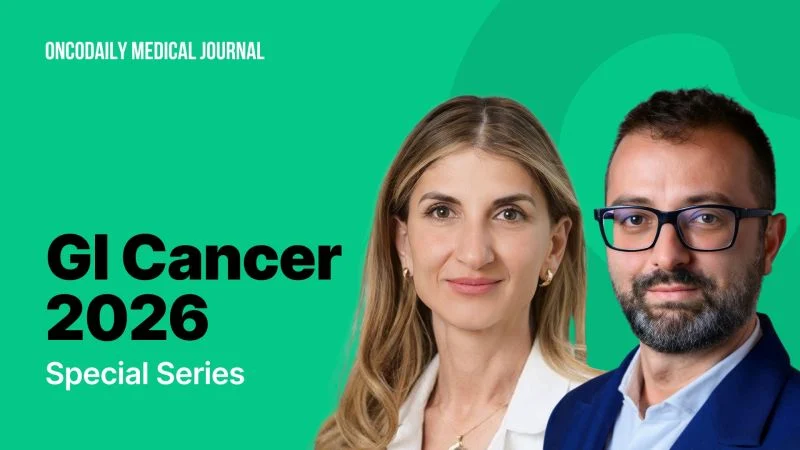
Our commitment to GI oncology will extend beyond daily reporting and into academic publishing. In 2026, OncoDaily Medical Journal will launch a Special Series dedicated to Gastrointestinal Oncology, led by Yelena Janjigian and Filippo Pietrantonio. The series will focus on evidence-based innovations and key challenges across upper gastrointestinal cancers, with accepted manuscripts fast-tracked and prominently featured—reflecting our shared goal of accelerating the translation of high-quality research into clinical practice.
Happy New Year
If these first months taught us anything, it is that OncoDaily GI is not just a platform. It is a relationship built on trust—between readers who expect rigor and relevance, and a team that takes that responsibility seriously.
To every clinician who reads between cases, every researcher who wants the clinical meaning of a dataset to be understood correctly, every trainee learning how fast this field can move, and every patient or caregiver who reached out searching for trials or options: thank you. Your questions, messages, and engagement have shaped OncoDaily GI more than you may realize.
We wish our readers a healthy, peaceful, and hopeful New Year. May 2026 bring meaningful progress in GI oncology, compassionate care, and continued strength to all those working, learning, and living within this field.
“Cancer does not take a day off—and neither do we”.
Written by Mariam Khachatryan, MD, Editor-in-Chief of OncoDaily GI