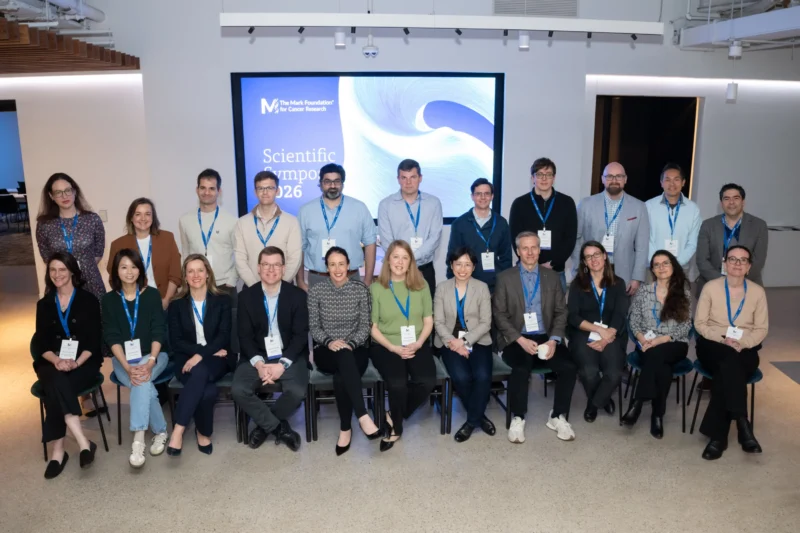
The 2026 Mark Symposium has brought together leading voices in cancer research for a meeting centered on scientific discovery, translational progress, and support for the next generation of investigators. Organized by The Mark Foundation for Cancer Research, the symposium reflects the foundation’s broader mission of accelerating impactful oncology research through both scientific exchange and targeted funding programs.
From brain tumor biology to novel therapeutic strategies, the symposium programming highlights how modern oncology is increasingly being shaped by precision technologies, cross-disciplinary collaboration, and biology-driven treatment development. Based on the sessions highlighted by The Mark Foundation, this year’s meeting places particular emphasis on emerging therapies, glioblastoma research, aging and cancer, and the career development of early-stage scientists.
$1 Million Emerging Leader Awards Expand Globally
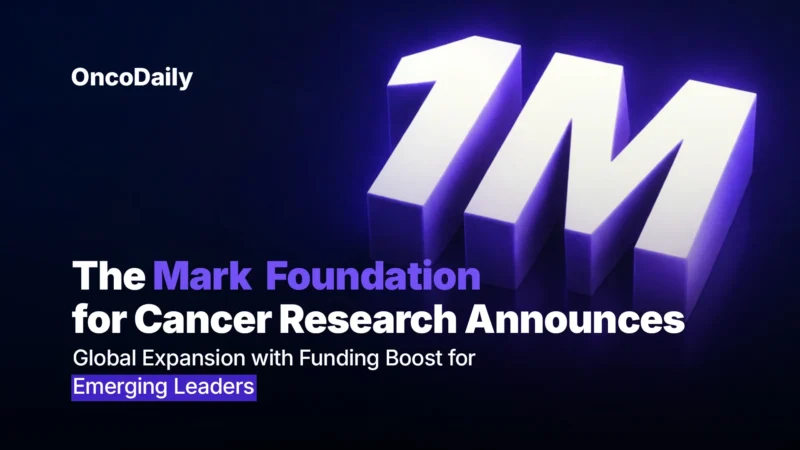
One of the most important announcements linked to this year’s symposium is the expansion of The Mark Foundation’s flagship Emerging Leader Award program. On March 25, 2026, the foundation announced that the award will now total $1,000,000 over four years, with eligibility expanded to researchers around the world.
The Mark Foundation for Cancer Research/X
According to the official program page, the funding will be distributed as $250,000 per year for four years, and the award is intended for a single investigator pursuing innovative cancer research. The Mark Foundation has described the program as a major investment in early-career scientists, designed to help promising researchers build independent programs and pursue ambitious, high-risk, high-impact ideas.
This year’s expansion is notable not only because of the increased dollar amount, but also because of its global scope. By opening the competition internationally, The Mark Foundation has widened access to a program that has already supported dozens of researchers since its launch in 2018. The foundation says the Emerging Leader Award program has awarded more than $40 million since its inception.
You Can Also Read The Mark Foundation for Cancer Research Announces Global Expansion and $1M Funding Boost for Flagship Emerging Leader Award by OncoDaily
Novel Cancer Therapies Take Center Stage
A major scientific focus of the symposium has been the session on novel cancer therapies, which featured prominent researchers including William Sellers, Aashish Manglik, and Julien Sage, according to posts shared by The Mark Foundation during the meeting. The session emphasized the momentum behind targeted treatments and the broader shift toward more precise, mechanism-informed therapeutic strategies in oncology.
This focus is consistent with the foundation’s broader 2026 portfolio, which has included major investments in drug discovery and translational research. Earlier this month, for example, The Mark Foundation announced $4 million in 2026 Drug Discovery Awards, underscoring its continued interest in supporting research that can move promising ideas toward therapeutic development.
Brain Tumors and New Tools for Glioblastoma Research
The symposium opened with a session focused on brain tumors, particularly glioblastoma, one of the most difficult cancers to diagnose and treat effectively. Based on The Mark Foundation’s coverage of the meeting, speakers including Peter Sorger, Mario Suvà, and Dimitrios Mathios discussed how tools such as spatial analysis and liquid biopsies are helping researchers better understand glioblastoma biology and improve approaches to detection and treatment.
That emphasis also fits with the foundation’s recent work outside the symposium. In February 2026, The Mark Foundation announced a $4 million brain tumor therapy initiative in partnership with The Sontag Foundation and other philanthropic groups, specifically aimed at accelerating new therapeutic strategies for glioblastoma.
Taken together, these efforts suggest that glioblastoma remains an area of major strategic interest for the foundation, both scientifically and financially. Rather than focusing only on established treatment paradigms, the symposium discussions appear to highlight new technological approaches that may reshape how aggressive brain tumors are studied and managed in the future.
Cancer Across the Lifespan and the Biology of Aging
Another major theme at Mark Symposium 2026 is the relationship between aging and cancer. The session titled Cancer Across the Lifespan included talks from Kamila Naxerova, Scott Lowe, and Kornelia Polyak, reflecting growing interest in how age-related biological changes influence cancer risk, tumor behavior, and treatment response.
This area is not new for The Mark Foundation. The organization already supports substantial work in aging-related cancer research, including through its Samuel Waxman Aging and Cancer Institute and other partnerships. The foundation has stated that aging-related cancer research represents more than $10 million of its portfolio, showing that this is a sustained area of focus rather than a one-off symposium topic.
As populations continue to age worldwide, this field is becoming increasingly important. Research at the intersection of aging and oncology may help explain why cancers arise differently across the lifespan and how treatments can be better tailored to the biology of individual patients. That makes this session especially relevant to the broader direction of precision oncology.
William Kaelin Jr. Brings Scientific Weight to the Meeting
The 2026 symposium also features a keynote address from Nobel Laureate William Kaelin Jr., MD, a detail highlighted by The Mark Foundation in its symposium updates. His participation adds significant scientific prestige to the meeting and reinforces its role as a forum not just for program announcements, but for serious discussion of major advances in cancer biology and translational science.
Kaelin is widely associated with work that has deepened understanding of fundamental disease mechanisms, and his inclusion aligns with the symposium’s broader balance of basic science, translational research, and clinical aspiration. In that sense, the meeting appears designed to connect high-level scientific insight with practical pathways for future cancer innovation.
Honoring Samuel Waxman and a Legacy of Less Toxic Treatment
The symposium also paid tribute to Samuel Waxman, MD, recognizing his long-standing contributions to cancer research and his role in promoting less toxic therapeutic approaches. The Mark Foundation highlighted this recognition during the meeting and linked it to the ongoing work of the Waxman Institute for Aging & Cancer.
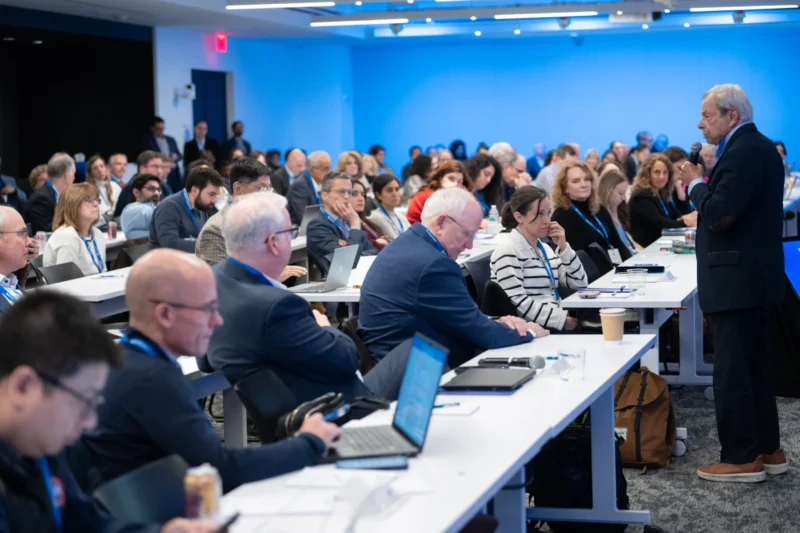
The Mark Foundation for Cancer Research/X
This tribute adds an important historical dimension to a meeting otherwise focused on emerging science. While much of the symposium looks forward, honoring Waxman underscores the continuity between decades of foundational work and today’s push for more refined, patient-centered cancer treatment strategies.
Can Diet Influence Cancer Therapy Response?
Another thought-provoking discussion at Mark Symposium 2026 focused on the relationship between nutrition and cancer therapy response. Jennifer McQuade and Semir Beyaz explored how factors such as lipids, fiber, and the microbiome may shape immune responses and influence treatment outcomes. The session highlighted a growing area of oncology research that looks beyond drugs alone, asking how metabolism, diet, and the tumor environment may interact to affect therapeutic benefit.
Supporting Early-Career Scientists Beyond the Award Announcement
In addition to opening applications for the Emerging Leader Awards, The Mark Foundation also highlighted its Emerging Leader Award Summit, where current awardees discussed their research progress and the broader challenges facing early-career investigators. According to the foundation’s posts, these discussions included not only scientific updates but also reflections on the structural difficulties young researchers face as they try to establish independent careers.
That focus matters. Funding gaps, career instability, and limited institutional support remain major barriers for many promising scientists. By combining high-profile scientific programming with a concrete expansion of early-career funding, the symposium positions support for young investigators as part of the future of oncology, not as a side issue.
Cancer Immunology Closes the Symposium
The final talks at Mark Symposium 2026 turned to cancer immunology, with Aaron Ring exploring the role of autoantibodies and E. John Wherry discussing T-cell exhaustion. Together, these presentations highlighted two important areas shaping modern immuno-oncology: the complex immune signals that may influence cancer behavior and the mechanisms that limit effective anti-tumor immune responses. The session added another layer to the symposium’s broad scientific scope, showing how advances in immunology continue to inform the future of cancer therapy.
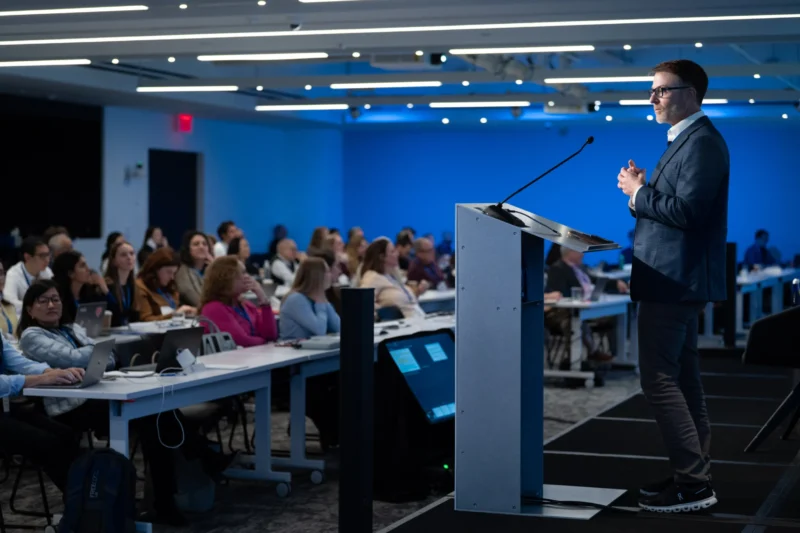
The Mark Foundation for Cancer Research/X
A Broader Picture of Where Oncology Is Heading
Mark Symposium 2026 ultimately reflects several of the biggest themes shaping cancer research today: deeper biological understanding, smarter therapeutic development, growing attention to early detection and aging, and stronger investment in the people who will drive the next wave of discovery. The meeting is clearly oncology-focused, and its programming suggests an effort to connect scientific ambition with long-term infrastructure for progress.
From glioblastoma and targeted therapies to global funding opportunities for early-career researchers, the symposium presents a picture of oncology as both a scientific and institutional enterprise. Discovery remains central, but so does the question of who gets supported to make those discoveries happen. That may be the clearest message coming out of Mark Symposium 2026: the future of cancer research depends not only on breakthrough ideas, but also on sustained investment in the scientists capable of turning those ideas into impact.
Written by Aharon Tsaturyan, MD, Editor at OncoDaily Intelligence Unit
FAQ
What is the Mark Symposium 2026?
Annual event (March 22-24, NYC) by The Mark Foundation uniting oncology leaders for breakthroughs in therapies, brain tumors, and early-career support.
What are the $1M Emerging Leader Awards?
Grants for early-career scientists (3-8 years independent): $250K/year x4 years, now global, for high-risk/high-reward cancer projects. Launched March 25, 2026.
Who can apply for Emerging Leader Awards?
Independent investigators worldwide, 3-8 years post-faculty, with transformative ideas in cancer prevention/diagnosis/treatment. Apps open now.
What were the key sessions at Mark Symposium 2026?
Novel therapies (Sellers, Manglik, Sage); glioblastoma (Sorger, Suva, Mathios); aging-cancer (Naxerova, Lowe, Polyak); Kaelin Jr. keynote; Waxman tribute.
What is The Mark Foundation for Cancer Research?
2014-founded nonprofit by Alexander Knaster; $300M+ awarded globally for innovative oncology via grants, workshops, and partnerships.
When did the Emerging Leader Awards expansion happen?
Announced Day 2 (March 23-24) at symposium; press release March 25, 2026. Builds on $40M to 49 investigators since 2018.
What glioblastoma research was highlighted?
Spatial analysis, liquid biopsies for tumor heterogeneity; ties to $4M Mark/Sontag initiative (Feb 2026).
Who is William Kaelin Jr., and what was his role?
Nobel Laureate (2019, hypoxia research); delivered keynote on cancer biology frontiers.
Where to learn more/apply for Mark Foundation grants?
markfoundation.org—symposium recaps, ELA apps, Drug Discovery Awards ($4M in 2026).