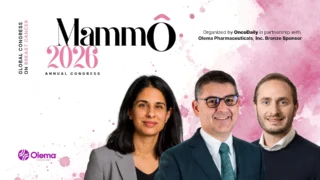
The Mammo 2026: Global Breast Cancer Virtual Congress will bring together an international faculty of breast cancer specialists for two days dedicated to the evolving landscape of breast cancer prevention, diagnosis, treatment, research, and survivorship.
Organized as part of the OncoDaily O Series, Mammo 2026 is designed as a global virtual medical congress focused on the practical questions shaping breast cancer care in 2026. From screening and early diagnosis to precision treatment, metastatic disease, triple-negative breast cancer, survivorship, genetics, and global access to care, the congress will bring perspectives from across the breast cancer continuum into one scientific program.
The meeting is intended for medical oncologists, surgical oncologists, radiation oncologists, pathologists, radiologists, translational researchers, and oncology trainees seeking an internationally informed view of contemporary breast cancer management.
Breast Cancer Care Is Changing Across the Entire Disease Course
Breast cancer remains the most commonly diagnosed cancer worldwide, with more than 2.3 million new cases and approximately 670,000 deaths each year.
Outcomes remain closely linked to the stage at which the disease is diagnosed. Five-year survival exceeds 99% for localized breast cancer, falls to approximately 86% with regional disease, and is around 30% for distant metastatic disease.
At the same time, progress has been substantial. Breast cancer mortality has declined by approximately 44% since 1989, reflecting advances in screening as well as continued development of more effective treatment strategies.
Against this background, Mammo 2026 will look beyond individual therapies to examine how breast cancer care is changing across the entire patient journey—from prevention and early detection to multidisciplinary treatment, metastatic disease management, and long-term survivorship.
From Screening to Metastatic Disease: A Program Built Around Clinical Practice
The scientific program will cover the full clinical spectrum of breast cancer, with an emphasis on practical and evidence-based management in 2026.
Screening and early-stage breast cancer will form an important part of the discussion, alongside risk-adapted decision-making and increasingly individualized treatment strategies.
The congress will also address the rapidly developing treatment landscape in metastatic and triple-negative breast cancer, as well as the principles guiding the use of antibody-drug conjugates (ADCs) and the sequencing of endocrine therapies.
Multidisciplinary coordination will remain central throughout the program, reflecting the growing need to integrate medical oncology, surgery, radiation oncology, pathology, imaging, translational research, genetics, and supportive care when making treatment decisions.
Scientific Leadership Bringing Together Clinical and Translational Expertise
Mammo 2026 will be led by Giuseppe Curigliano, Antonio Marra, and Sara M. Tolaney, bringing together internationally recognized expertise in breast oncology, drug development, translational research, biomarkers, and clinical trials.
Giuseppe Curigliano, MD, PhD, is Full Professor of Medical Oncology at the University of Milano and Chief of the Clinical Division of Early Drug Development at the European Institute of Oncology in Milan. He serves as President-Elect of the European Society for Medical Oncology and has an extensive clinical and translational research focus on biomarkers, personalized medicine, and the development of novel targeted therapies.
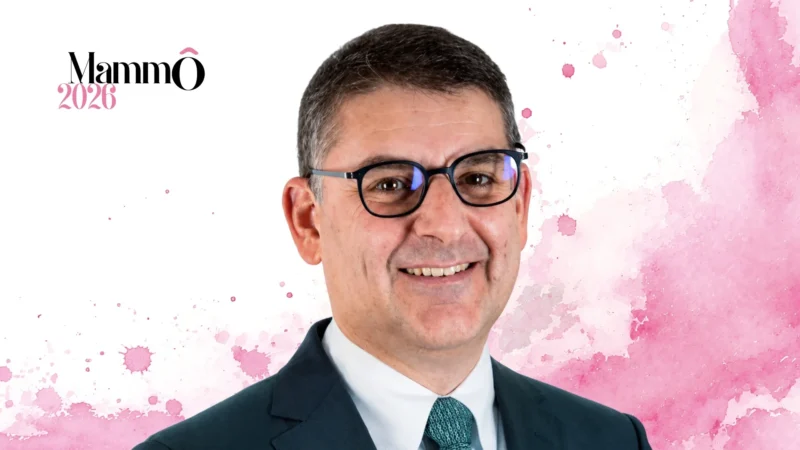
Antonio Marra, MD, PhD, is Assistant Professor in Precision Oncology in the Department of Oncology and Hemato-Oncology at the University of Milan and a medical oncologist at the European Institute of Oncology. His work focuses on breast cancer, early-phase drug development, genomics, multiomics, and biomarker discovery in solid tumors.
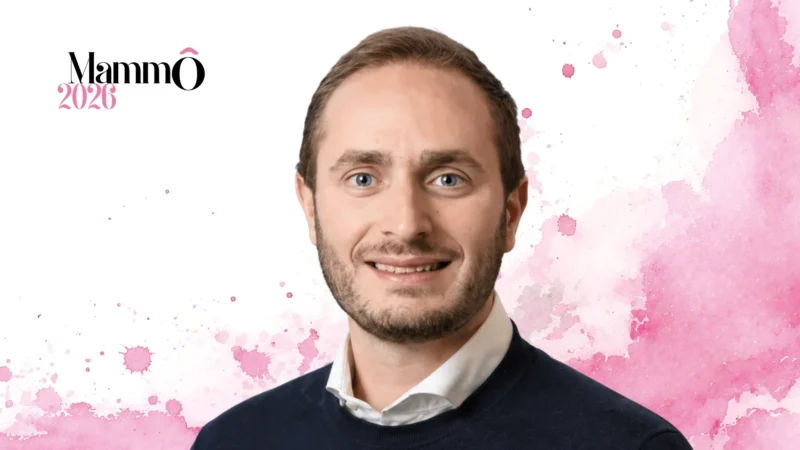
Sara M. Tolaney, MD, MPH, is Chief of the Division of Breast Oncology at Dana-Farber Cancer Institute, Associate Professor of Medicine at Harvard Medical School, and Associate Director of the Susan F. Smith Center for Women’s Cancers. Her research focuses on immunotherapy, novel combinations, antibody-drug conjugates, and optimization of breast cancer therapeutics.
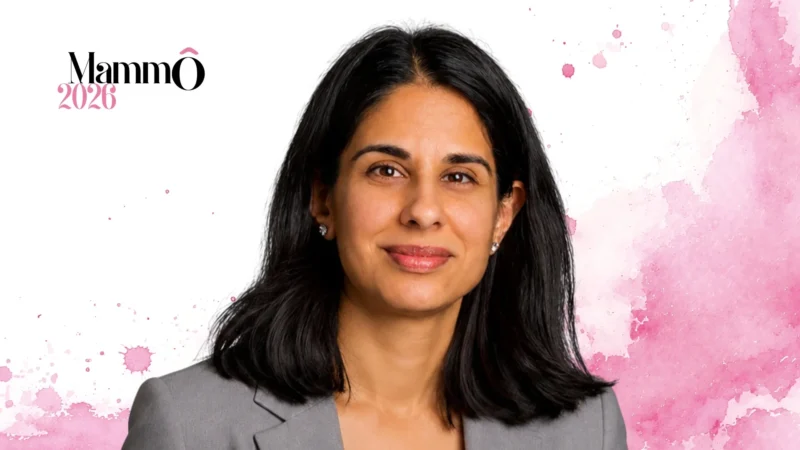
Together, the scientific leadership reflects the central theme of Mammo 2026: connecting biological understanding and clinical research with the decisions being made for patients in everyday practice.
A Global Faculty Across the Breast Cancer Continuum
The confirmed Mammo 2026 faculty brings together specialists from the United States, Europe, Canada, Australia, Brazil, and other parts of the international breast cancer community.
Among the speakers is Paolo Tarantino, a breast medical oncologist and Clinical Research Fellow at Dana-Farber Cancer Institute and Harvard Medical School whose work focuses on antibody-drug conjugates, HER2-targeted therapies, and precision oncology.
Surgical perspectives will be represented by experts including Isabel Teresa Rubio, Director of the Breast Surgical Oncology Unit and Coordinator of the Breast Cancer Center at Clínica Universidad de Navarra in Madrid, whose work includes surgical de-escalation, neoadjuvant therapy, axillary management, and patient-reported outcomes.
Breast pathology and biomarker assessment will be represented by Giuseppe Viale, Chairman of the Department of Pathology and Laboratory Medicine at the European Institute of Oncology and Emeritus Professor of Pathology at the University of Milan. His work has contributed to international standards for breast cancer biomarkers including ER, PR, HER2, and Ki67.
Precision Medicine, Biomarkers and the Biology Behind Treatment Decisions
A major component of the faculty’s expertise lies in understanding why breast cancers behave differently—and how that biology can inform treatment.
Michail Ignatiadis, Director of the Breast Medical Oncology Clinic & Program at Institut Jules Bordet, brings extensive expertise in precision oncology, circulating tumor DNA, blood-based biomarkers, immunotherapy, and biomarker-driven clinical trials.
Ilana Schlam focuses on breast cancer drug development and biomarkers of treatment response, particularly liquid biopsies and circulating tumor DNA, while Giovanna Rossi works across liquid biopsy, ctDNA, precision medicine, and emerging biomarkers.
Christos Sotiriou, Director of the Breast Cancer Translational Research Laboratory at the Jules Bordet Institute, is internationally recognized for his work in breast cancer genomics, tumor heterogeneity, metastatic dissemination, and the tumor microenvironment.
Sendurai A. Mani, Professor of Pathology and Medicine at Brown University, contributes expertise in epithelial-mesenchymal transition, cancer stem cell biology, tumor plasticity, metastasis, and therapeutic resistance.
Together, these areas reflect one of the defining questions in contemporary breast oncology: how biological information can be translated into more precise decisions throughout the course of disease.
HER2, Triple-Negative Disease and the Search for Better Treatment Strategies
The evolving therapeutic landscape will be represented by investigators working across several major breast cancer subtypes.
Ana C. Garrido-Castro, Director of Triple-Negative Breast Cancer Research at Dana-Farber Cancer Institute, leads clinical trials examining immunotherapy, antibody-drug conjugates, targeted therapies, and other treatment strategies in triple-negative breast cancer.
Adrienne G. Waks, Associate Director of Clinical Research for Breast Oncology at Dana-Farber, focuses particularly on HER2-positive breast cancer and the mechanisms underlying treatment response and resistance.
Nadine Tung, Professor of Medicine at Harvard Medical School, brings expertise in breast cancer genetics, HER2-positive disease, hereditary BRCA1/2-associated cancers, PARP inhibitor development, and clinical trials including CompassHER2 pCR.
Véronique Debien, Head of the Early Phase Trials Unit at Institut Bergonié, works in early-phase clinical research with interests spanning antibody-drug conjugates, targeted therapies, immunotherapy, precision oncology, and HER2-positive breast cancer.
Naoto T. Ueno, Director and Professor of Medicine at the University of Hawaiʻi Cancer Center, contributes extensive experience in inflammatory breast cancer, metastatic disease, treatment-resistant breast cancer, targeted therapies, immunotherapy, and early drug development.
What Comes After CDK4/6 Inhibition?
Treatment resistance remains another major clinical challenge in breast oncology.
Antonio Giordano, Senior Physician in Medical Oncology at Dana-Farber Cancer Institute and Interim Director of its Center for Cancer Therapeutic Innovation, studies metastatic breast cancer with particular emphasis on cell-cycle resistance and therapeutic approaches beyond progression on CDK4/6 inhibitors.
Claudine Isaacs, Professor of Medicine and Oncology at Georgetown University and Leader of the Clinical Breast Cancer Program at Lombardi Comprehensive Cancer Center, brings expertise in early-stage and metastatic breast cancer, hereditary disease, endocrine resistance, and translational oncology.
Michael Gnant, Professor of Surgery at the Medical University of Vienna and President of the Austrian Breast & Colorectal Cancer Study Group, contributes extensive experience in endocrine therapy, bone-targeted treatments, tumor dormancy, precision medicine, and international breast cancer trials.
Reva Basho, Chief Medical Officer at the Ellison Medical Institute, focuses on development of novel breast cancer therapeutics, including strategies targeting the PI3K pathway and novel immunotherapies.
Breast Cancer Is More Than Treatment Alone
Mammo 2026 will also address aspects of breast cancer care that extend well beyond the selection of systemic therapy.
Matteo Lambertini, Director of the Medical Oncology Unit at Galliera Hospital and Associate Professor of Medical Oncology at the University of Genoa, is internationally recognized for his work on breast cancer in young women, fertility preservation, pregnancy-associated breast cancer, survivorship, and care of special patient populations.
Megan Tesch, a breast medical oncologist at Dana-Farber Cancer Institute, focuses on young-onset breast cancer and the clinical and biological factors affecting outcomes in younger patients.
Neil M. Iyengar, Co-Director of Breast Oncology and Director of Survivorship Services at Winship Cancer Institute of Emory University, studies survivorship, metabolic health, lifestyle interventions, nutrition, exercise, and strategies to reduce breast cancer risk and improve outcomes.
Virginia G. Kaklamani, Leader of the Breast Cancer Program at the Mays Cancer Center, contributes expertise in precision medicine, hereditary breast cancer, cancer genetics, targeted therapies, and the relationship between obesity and breast cancer.
Genetics, Screening and Earlier Detection
Prevention and early diagnosis remain fundamental to improving breast cancer outcomes.
Nehmat Houssami, Professor of Public Health at the University of Sydney and leader of the Breast Cancer Clinical and Population Health Research Group at the Daffodil Centre, is internationally recognized for her work in breast cancer screening, imaging, early detection, and population-based prevention.
Nimmi Kapoor, Breast Surgical Oncologist and Associate Clinical Professor of Surgery at UCLA, has clinical and research interests spanning genomic profiling, postpartum breast cancer, cryoablation, tumor recurrence scoring, surgical localization, and screening.
Hadar Goldvaser, Assistant Attending in the Division of Breast Oncology at Memorial Sloan Kettering Cancer Center, works across HER2-positive and hormone receptor-positive breast cancer, biomarkers, surveillance in BRCA mutation carriers, and evidence-based personalized treatment strategies.
The program will therefore place treatment advances alongside the equally important questions of whom to screen, when to intervene, how to assess inherited risk, and how early detection can translate into better outcomes.
Breast Cancer Care Through a Global Lens
Mammo 2026 will also bring broader questions of access, health systems, disparities, and global oncology into the discussion.
Julie R. Gralow, Executive Vice President and Chief Medical Officer of the American Society of Clinical Oncology, brings expertise in breast cancer, cooperative clinical trials, global oncology, cancer policy, survivorship, and access to high-quality cancer care.
Carlos Barrios, co-founder and President of the Latin American Cooperative Oncology Group, contributes decades of experience in international breast cancer clinical trials and regional research collaboration across Latin America.
Lily Gutnik, Vice Chair of Global Surgery at the University of Alabama at Birmingham, focuses on breast cancer screening and early detection in low-resource settings, particularly in Sub-Saharan Africa.
Coral Omene, Program Director of Breast Cancer Disparities Research at Rutgers Cancer Institute, studies triple-negative breast cancer, health disparities, obesity, metabolomics, and immune cell metabolism.
Felicia Marie Knaul, distinguished professor of medicine and Director of Global Health at the UCLA Jonsson Comprehensive Cancer Center, brings expertise in global health, health systems, health economics, cancer advocacy, and women’s health.
These perspectives broaden the conversation from what breast cancer care can achieve to the equally important question of how advances can reach patients across different populations and health systems.
A Multidisciplinary Congress for a Multidisciplinary Disease
The faculty extends across medical oncology, breast surgery, pathology, translational science, public health, survivorship, genetics, and radiation oncology.
Confirmed speakers also include Carmen Criscitiello, Kevin Kalinsky, Adam M. Brufsky, Evandro de Azambuja, Ashley Marumoto, Frederick Howard, Tarek Hijal, and other internationally recognized clinicians and researchers working across breast cancer research and care.
This breadth reflects the reality of modern breast cancer management. Decisions increasingly depend on coordinated interpretation of disease biology, pathology, imaging, genomic and molecular information, systemic therapy options, local treatment, patient characteristics, and long-term priorities.
Mammo 2026 will provide a setting in which these perspectives can be considered together rather than in isolation.
Two Days Focused on the Questions Shaping Breast Cancer Care in 2026
Breast cancer care is being reshaped at multiple points simultaneously: earlier diagnosis, increasingly refined risk stratification, new systemic therapies, biomarker-driven treatment selection, changing surgical strategies, improved understanding of resistance, and greater attention to survivorship and individual patient priorities.
The Mammo 2026: Global Breast Cancer Virtual Congress will bring those developments into one international scientific forum on October 8–9, 2026.
Through its global faculty and multidisciplinary program, the congress will examine how current evidence is influencing breast cancer care today—and the questions that remain as the field continues to evolve.