The ESMO Congress 2026, held from October 23–27 in Madrid, Spain, brings together the global oncology community for five days of groundbreaking research, clinical updates, and discussions shaping the future of cancer care.
From late-breaking clinical trial results and new treatment strategies to expert perspectives and memorable moments shared across social media, the congress is once again at the center of the oncology conversation.
OncoDaily has gathered 25 posts not to miss from Day 4 of ESMO Congress 2026, highlighting the key scientific updates, expert insights, and conversations that caught the attention of the oncology community.
Here are 25 posts not to miss from ESMO Congress 2026, capturing the latest scientific developments, expert perspectives, and memorable moments shared by the global oncology community
25 Posts Not to Miss from ESMO Congress 2026: Day 4
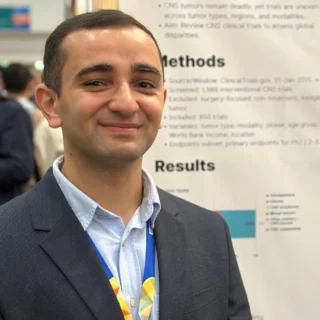
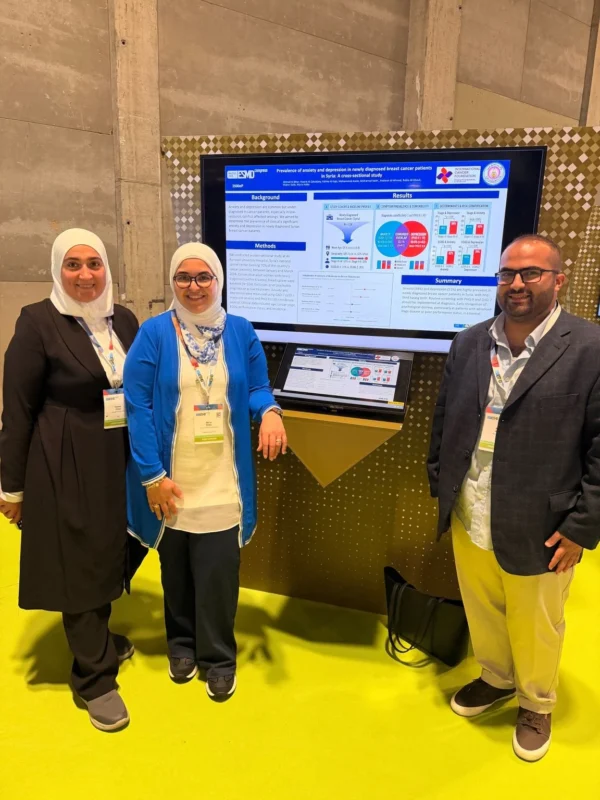
“Proud to represent St. Luke’s University Health Network at ESMO2026 in Madrid.
As a breast medical oncologist, I direct the Breast Cancer Program and Oncology Clinical Trials & Research at St. Luke’s.
Global oncology is also a big part of who I am. Through the Syrian American Medical Society (SAMS) Oncology Committee, I work in oncology leadership and medical education. I’ve joined medical missions to conflict-affected areas, which let me see cancer care from two very different worlds: advanced US health systems and resource-limited settings like Syria. Each perspective keeps teaching me something about the other.
We are living through an exciting era in breast cancer care, with antibody-drug conjugates, targeted therapies, immunotherapy, and increasingly personalized treatment.
But we also have to ask: Who actually has access to them?
Our studies at ESMO help answer that question:
Oncology Education (3406eP)
Among 1,097 recent Syrian medical graduates, 87% want oncology in the core curriculum. Yet only 11% are considering an oncology career, and over half reported low confidence in managing cancer emergencies and end-of-life care.
Mental Health at Diagnosis (3500eP)
About 51% of newly diagnosed breast cancer patients had clinically significant depression, and 44% had anxiety. One-third had both.
Treating cancer means treating the whole person, not just the tumor.
Quality of Life & Adherence (4118eP)
More than half of Syrian women with breast cancer missed or delayed treatment. Financial hardship, transport costs, and security concerns were the main barriers.
Risk Awareness & Prevention (3462eP)
Only 7.6% of adults get regular preventive checkups. This shows a major opportunity for screening, education, and early detection.
Together, these studies tell one story: cancer care is not just about having the right medications. It also requires education, psychological support, access to treatment, and a functioning health system.
International collaboration must go beyond short-term missions. We need to invest in local professionals, mentorship, education, clinical research, and infrastructure.
Most of the first authors on these posters are Syrian medical students and young physicians, and they did this work under extraordinary conditions.
A heartfelt thank you to all my co-authors and collaborators in Syria and beyond. This work is yours.
My message from ESMO is simple: The future of oncology should not only be about more precise medicine. It should also be about more equitable medicine.
Our greatest achievement will be measured not only by the treatments we discover, but by how many patients around the world can actually benefit from them.”
Alfredo Addeo, MD:
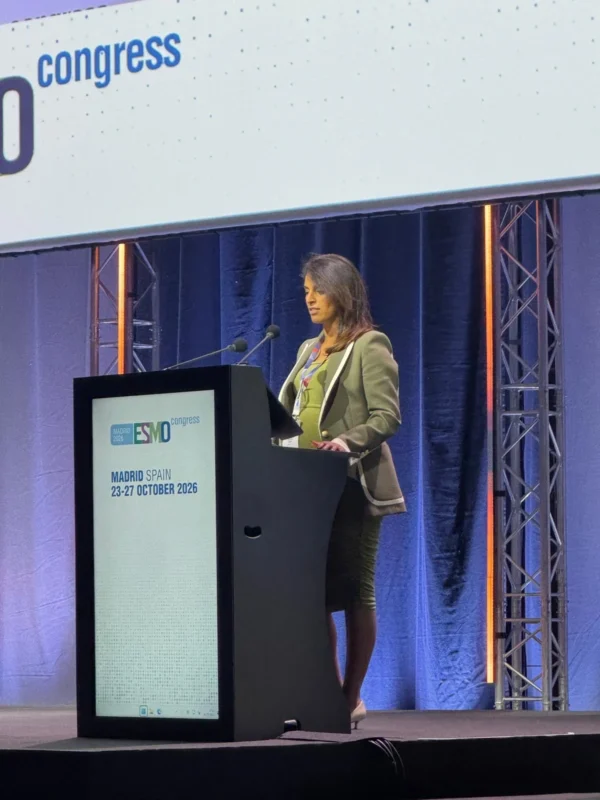
“3rd Presidential Session at ESMO26!
Can we safely reduce the frequency of immunotherapy in advanced solid cancers?
The Phase III MOIO trial tested 12-weekly versus standard immune checkpoint inhibitor administration in responding patients.
Unexpected and concerning results!
PFS: HR 1.35 (96.16% CI 0.90–2.04).
OS: HR 2.04 (95% CI 1.08–3.85), favouring standard treatment.
The trial stopped enrolment early following an unexpected OS imbalance.
A superb and thought-provoking discussion by Dr. Jarushka Naidoo.
Her key messages:
Statistically inconclusive, but clinically reassuring? Certainly not!
Non-inferiority margins matter! Would we really be comfortable accepting a potential 30% increase in the hazard of progression simply to reduce treatment frequency?
One size does not fit all! Different tumour types, different immunotherapy regimens, different biology. Can a pan-tumour de-escalation strategy really work?
Pragmatic does not mean compromising scientific rigour.
The take-home message:
De-escalation remains an important goal, but it must be biologically justified, clinically meaningful, and supported by robust evidence.
Doing less is only progress if we can demonstrate that patients are not paying the price in efficacy or survival.
Congratulations to Dr. Jarushka Naidoo for an outstanding discussion!”
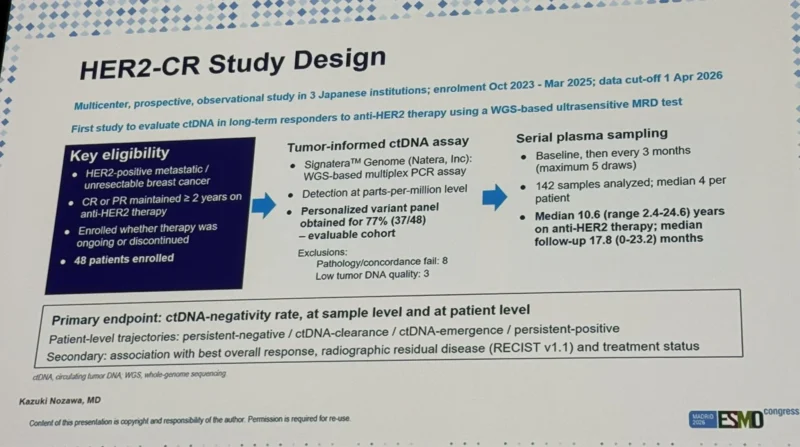
Dr Yamaguchi, Medical Oncologist at National Cancer Center Hospital (NCCH), Japan:
“HER2+ MBC with CR/PR ≥2 years, ctDNA monitored every 3 months. 81% remained ctDNA-negative without radiographic PD. In all patients with baseline radiographic RD who progressed, ctDNA positivity preceded or coincided with PD. The era of ctDNA-guided trials is here.”
Dr Tarantino, Clinical Research Fellow at Dana-Farber Cancer Institute:
“Extremely promising association of ctDNA dynamics with outcomes. Concomitant ESMO Open publication!”
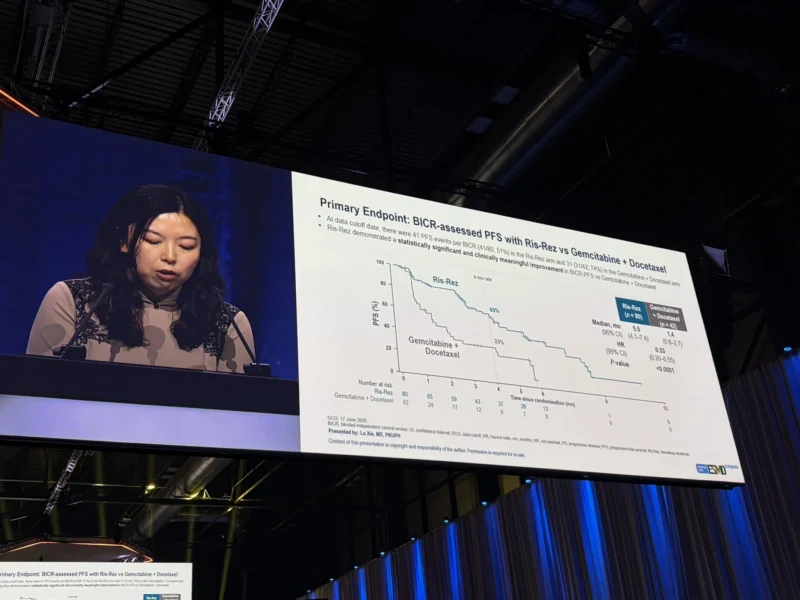
“Presidential Symposium III: RPIII trial from China evaluating Ris-Rez vs. GD in relapsed osteosarcoma.
PFS: HR 0.33 — outstanding results!
However, median PFS was 5.5 months, highlighting the harsh reality that remains for patients with relapsed osteosarcoma.”
“DESTINY-Breast09
In 61 patients with baseline brain metastases, CNS-PFS HR was 0.26 for T-DXd + pertuzumab vs THP; CNS response 51.6% vs 26.7%. Exploratory analysis in inactive/stable BMs. Impact on 1L choice?
OptiTROP-Breast01
In previously treated mTNBC, sac-TMT sustained its OS benefit vs chemotherapy: median OS 14.7 vs 9.9 months (HR 0.60); 30-month OS 26.8% vs 13.2%. Where will this ADC fit in sequencing?”
“You don’t want to miss this!
My ecancer annual highlights video of major practice-changing and news-making trials from the ESMO 2026 Annual Meeting.
Watch for a bias-free commentary on what you should know from ESMO26.”
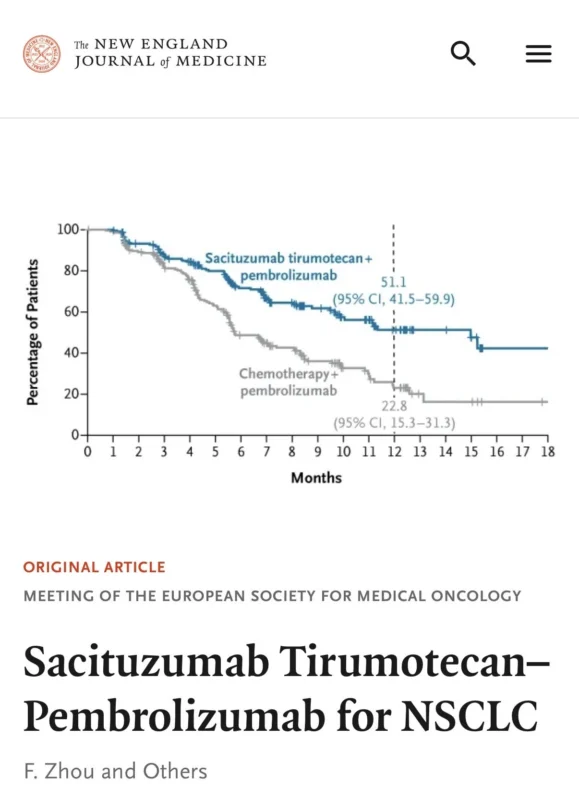
“Another major ESMO26 paper, published in the New England Journal of Medicine (NEJM) today.
In PD-L1-negative advanced nonsquamous lung cancer, sacituzumab tirumotecan (a TROP2-targeted ADC) plus pembrolizumab improved median progression-free survival (PFS) from 5.7 to 15 months, replacing chemotherapy rather than adding to it.
Overall survival (OS) data remain immature, and these China-only results need global confirmation.”
Noureen Saber, MD, MRCP (UK), SCE (Medical Oncology):
“ESMO 2026 | Day 4 | Madrid, Spain
An important day for gynecological oncology and precision medicine. Selected highlights:
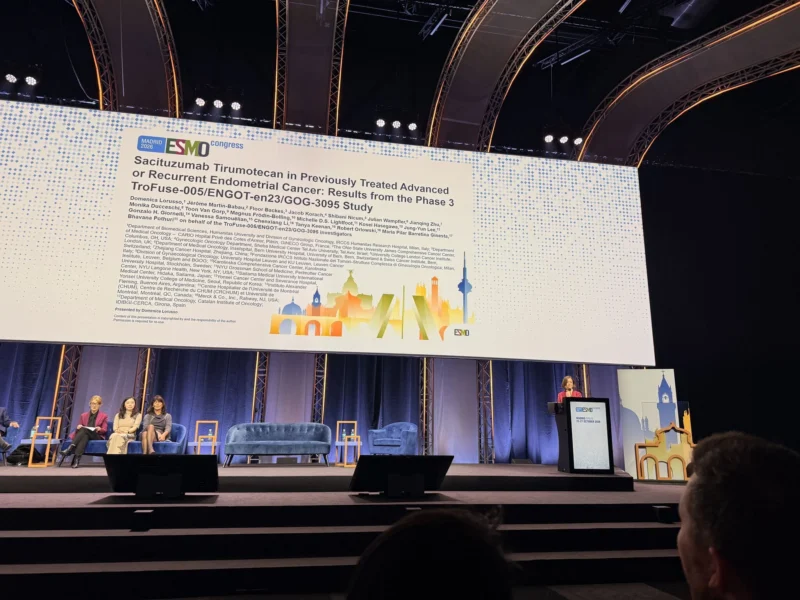
TroFuse-005: Sacituzumab tirumotecan improved survival in advanced or recurrent endometrial cancer following platinum chemotherapy and immunotherapy. Median overall survival reached 19.0 versus 12.1 months with chemotherapy (HR 0.68), offering encouraging evidence for this investigational TROP2-directed ADC.
KEYNOTE-C93: First-line pembrolizumab alone improved median progression-free survival to 38.2 versus 8.4 months with carboplatin–paclitaxel in dMMR advanced or recurrent endometrial cancer (HR 0.57). These findings inform the discussion around chemotherapy-free treatment, although the trial did not compare against chemotherapy plus immunotherapy, and an overall survival benefit remains unconfirmed.
SANOVO: In a Phase III trial conducted in China, osimertinib plus savolitinib improved median progression-free survival to 24.9 versus 13.8 months with osimertinib alone in previously untreated EGFR-mutated, MET-overexpressing advanced NSCLC (HR 0.56), highlighting the potential of dual EGFR/MET targeting.
Grateful for the opportunity to learn, exchange perspectives, and bring these discussions back to what matters most: better care for our patients.”
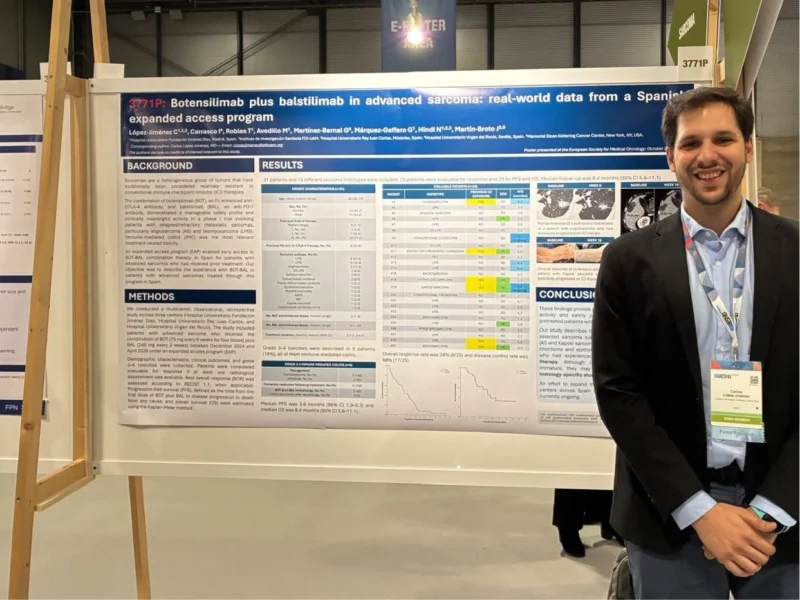
“Botensilimab Plus Balstilimab in Advanced Sarcoma: Real-World Data from a Spanish Expanded Access Program
Today, at ESMO2026, we presented during the poster session our preliminary experience with botensilimab plus balstilimab in advanced sarcoma in a real-world setting.
Despite the limited sample size and heavily pretreated population, we observed activity with BOT-BAL in selected histotypes, including vascular sarcomas (angiosarcoma and Kaposi sarcoma), undifferentiated pleomorphic sarcoma, and leiomyosarcoma, as well as ultra-rare histologies such as conventional chordoma, poorly differentiated chordoma, and epithelioid sarcoma.
This included some patients who had experienced disease progression on prior immune checkpoint inhibitor (ICI) therapy.
Although these results are exploratory, we believe they may help inform the design of future histology-specific studies.
Thanks to Agenus for developing the expanded access program that made this therapy available to patients, and to all the clinicians who contributed to the study.
Efforts to expand this study to additional centers across Spain are currently ongoing.”
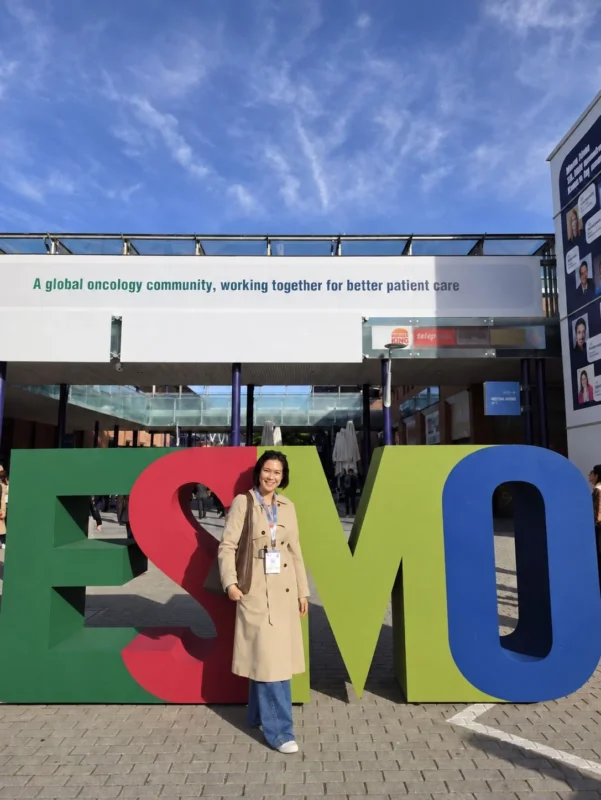
“Grateful to be part of ESMO – European Society for Medical Oncology 2026 in Madrid.
A big thank you to GSK for giving me the opportunity to attend this year’s congress.
It was a great chance to reconnect with colleagues from different countries, share experiences, exchange ideas, and learn about the latest advances in oncology.
What inspired me most was seeing how far cancer care has come and how much more there is still to discover. From new treatment approaches and emerging research to more personalized care, it is exciting to see how science continues to open new possibilities for patients.
Beyond the scientific updates, this experience reminded me why I love working in oncology. It was inspiring to see so many people from around the world sharing knowledge and working towards the same goal of improving cancer care and patients’ lives.
Leaving ESMO with new knowledge, fresh perspectives, and renewed motivation to keep learning and growing.
At the end of the day, it is all about making a difference for patients.”
Young Kwang Chae, MD, MPH, MBA:
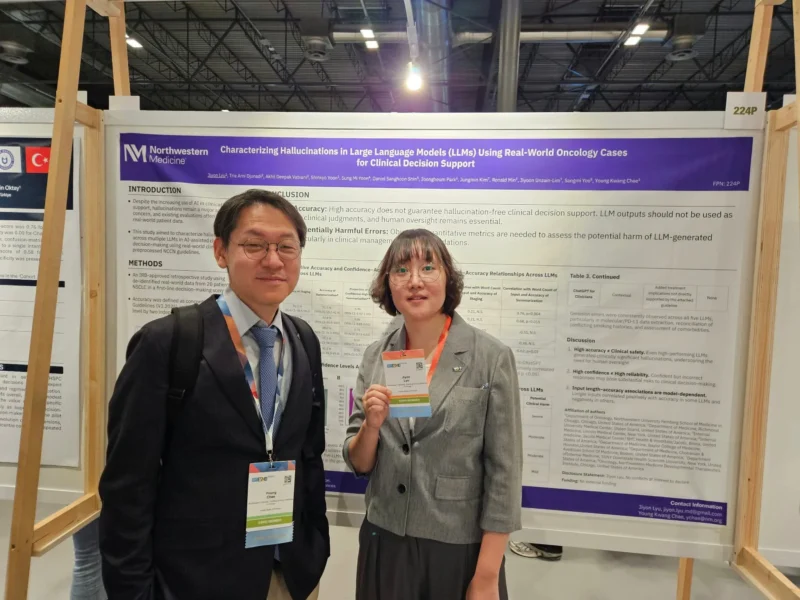
“Proud to present our team’s latest research from Lurie Cancer Center at ESMO2026!
Characterizing Hallucinations in Large Language Models (LLMs) Using Real-World Oncology Cases for Clinical Decision Support
Key takeaways from evaluating LLMs on 20 first-line NSCLC cases against NCCN Guidelines:
\- High Accuracy ≠ Clinical Safety: Even top-performing models exhibit clinically significant hallucinations, emphasizing that high accuracy does not guarantee hallucination-free outputs.
\- High Confidence Risks: Confident but incorrect responses pose critical risks to clinical decision-making, requiring strict human oversight.
\- Input-Length Dynamics: The impact of input length on accuracy varies widely across models. Longer inputs correlated positively in some models, but negatively in others.
Huge thanks to lead author Dr. Jiyon Lyu and all co-authors for this impactful work on AI safety in oncology!”
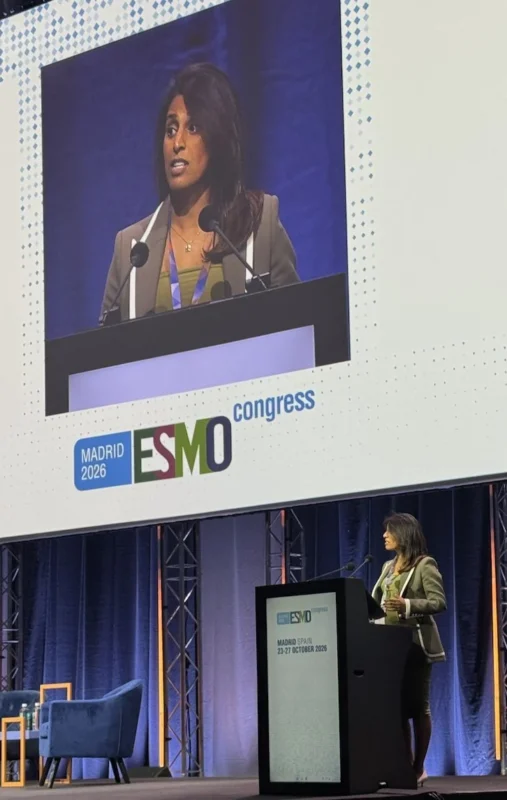
“ESMO26: Dr. Jarushka Naidoo with a fantastic discussion on de-escalation trials in oncology.
A callout on why de-escalation studies are important and their limitations.
And for MOIO in particular, lessons on trial design, non-inferiority, and pragmatism.
A must-listen for all involved in trial design.”
“Great discussion on escalation and de-escalation in muscle-invasive bladder cancer (MIBC) at ESMO26!
Not ready to de-escalate outside clinical trials, but ready to personalize treatment.
We’re getting closer!
Fantastic team!”
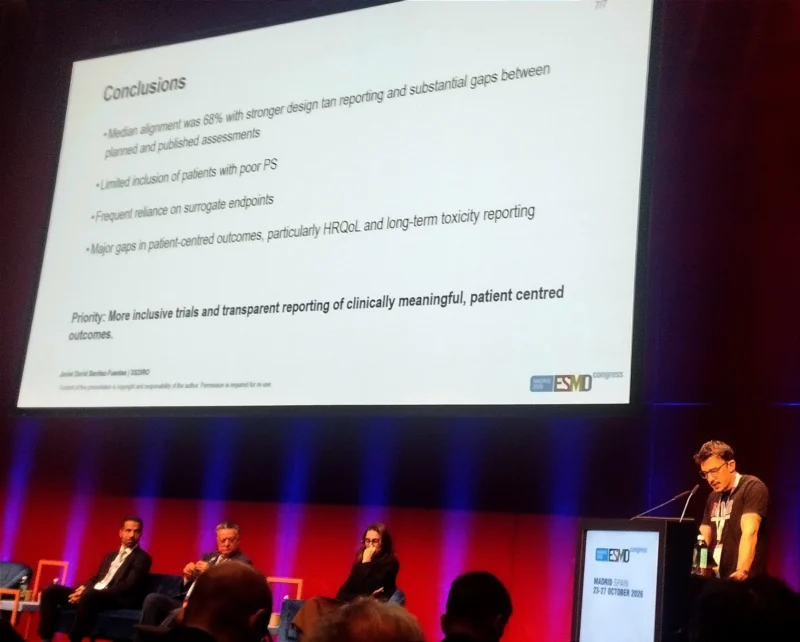
“Great work by my friend Javier David at ESMO26, applying the Common Sense Oncology (CSO) checklist to European Medicines Agency (EMA) approvals of lung cancer drugs from 2020 to 2025.
Invaluable collaboration with Bishal Gyawali, the Oncology BG Lab, and RIO Oncology!”
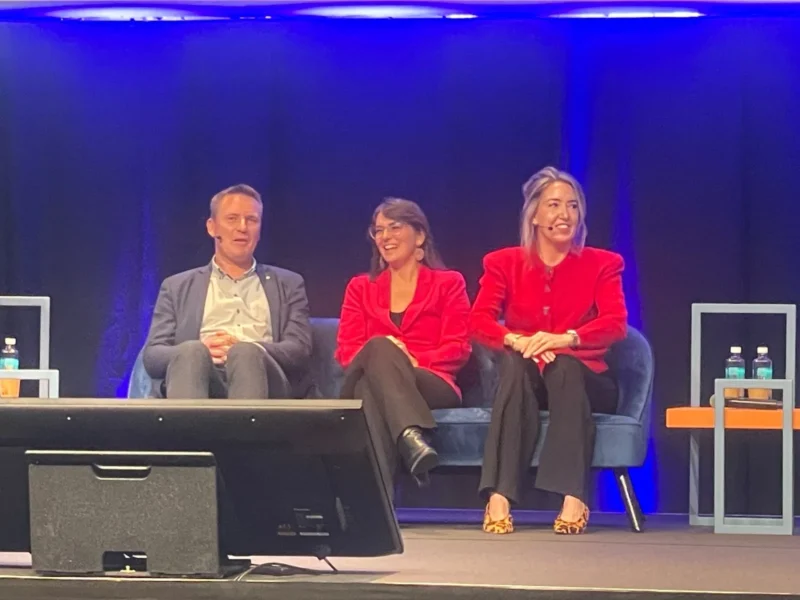
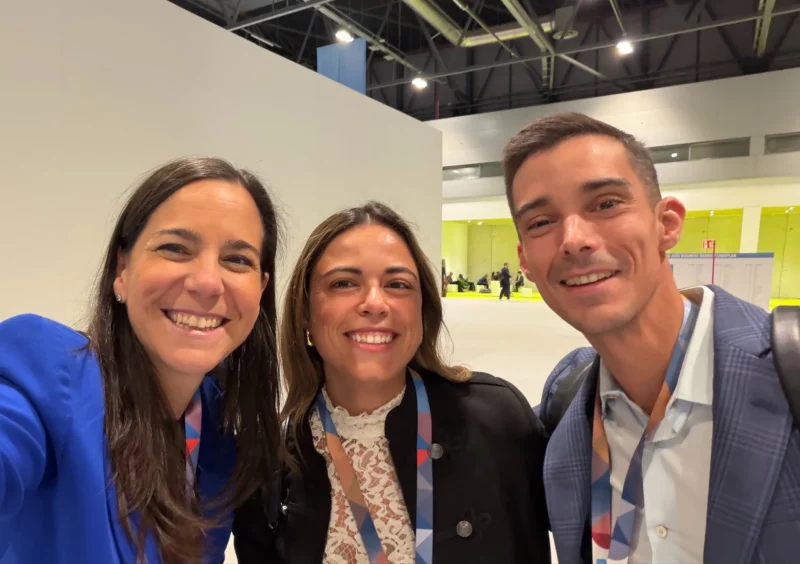
“At ESMO26, ESMO conversations are also about reuniting with people!
Here is the oncology representation from Vitoria-Gasteiz, Álava, in the Basque Country (Spain).
Many stars in oncology were born there!”
Young Kwang Chae, MD, MPH, MBA:
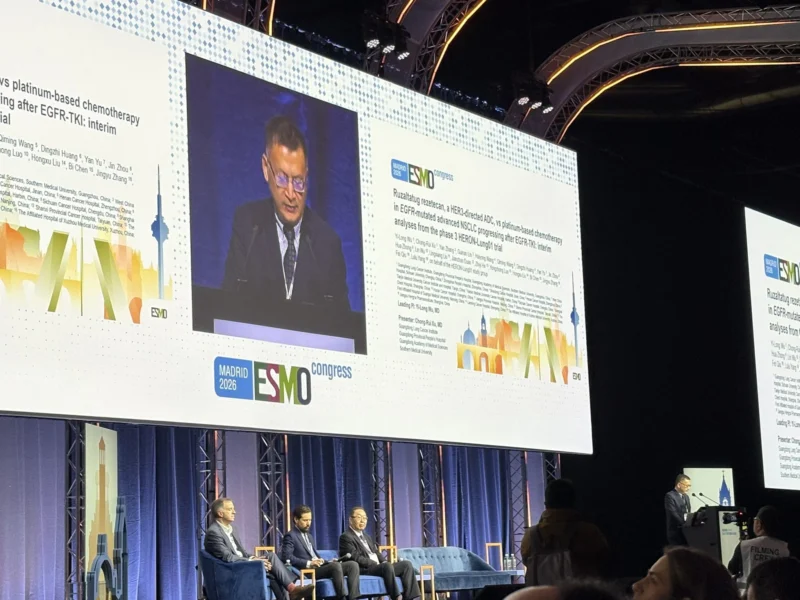
“Excited to see the Phase III HERON-Lung01 trial results presented at ESMO2026 by Dr. Chong-Rui Xu (lead author Prof. Yi-Long Wu)!
Ruzaltatug rezetecan (SHR-A2009), a novel HER3-directed ADC, shows significant progression-free survival (PFS) improvement versus platinum-based chemotherapy in EGFR-mutated NSCLC after TKI progression.
Key Highlights:
Median PFS: 8.3 vs. 5.4 months (HR 0.47; 95% CI 0.36–0.60; p < 0.0001).
Objective Response Rate (ORR): 60.0% vs. 34.3%.
Overall Survival (OS) Trend: Favors ruzaltatug rezetecan (HR 0.70), despite chemotherapy crossover.
Safety: Differentiated and manageable safety profile, with low rates of interstitial lung disease (ILD) at 2.4%.
Positioning ruzaltatug rezetecan as a strong potential new standard of care in EGFR-TKI-resistant NSCLC!”
“Gustave Roussy at ESMO26!
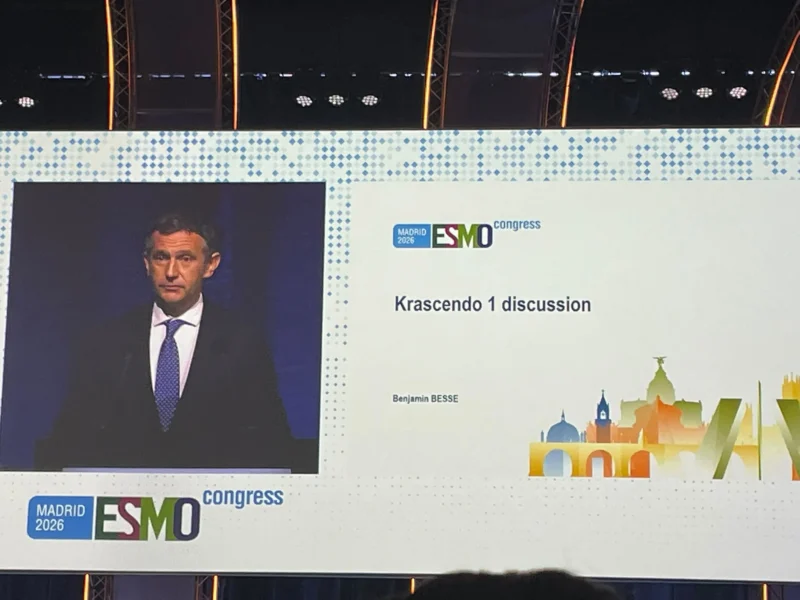
A fascinating discussion at the ESMO Presidential Session with Prof. Benjamin Besse, putting the KRAScendo1 results of divarasib, a next-generation KRAS G12C inhibitor, into perspective in non-small cell lung cancer (NSCLC).
A key question emerged: When progression-free survival (PFS) is the primary endpoint, how should trial design be balanced with patients’ access to therapeutic innovation?”
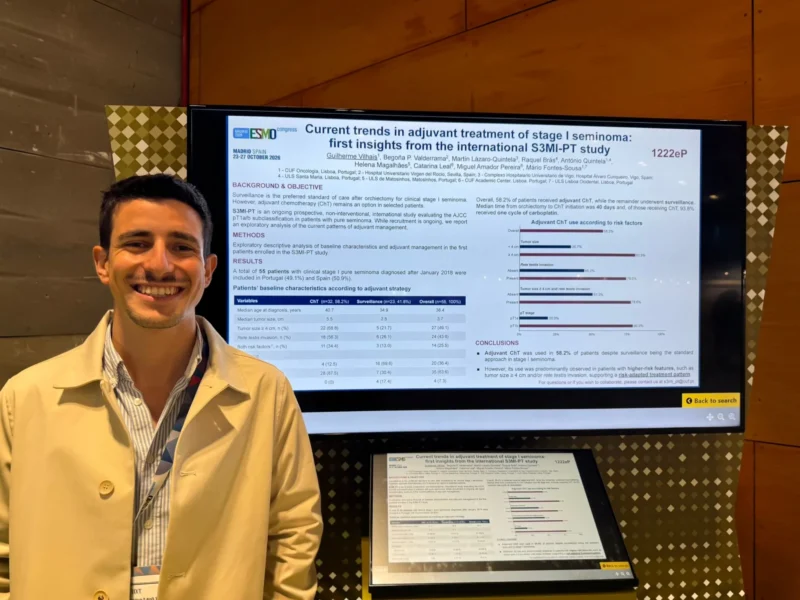
“I’m glad to share the first results of our international multicentre S3MI-PT study at ESMO Congress 2026 in Madrid!
S3MI-PT is an ongoing prospective, non-interventional international study aiming to prospectively validate the AJCC pT1a/b subclassification in patients with stage I pure seminoma.
While recruitment is ongoing, our first exploratory analysis focuses on current patterns of adjuvant treatment.
Some key findings from the first 55 patients:
\- Despite surveillance being the preferred standard of care, 58.2% of patients received adjuvant chemotherapy, predominantly one cycle of carboplatin.
\- Chemotherapy use was more frequent among patients with traditional risk factors, particularly tumour size ≥4 cm (81.5% vs. 35.7%) and rete testis invasion (75.0% vs. 45.2%).
\- These findings suggest that risk-adapted decision-making continues to influence clinical practice, despite the increasing emphasis on surveillance.
Grateful to all colleagues and collaborating centres for their contributions to this ongoing international effort!
ESMO Congress 2026 | ePoster 1222eP”
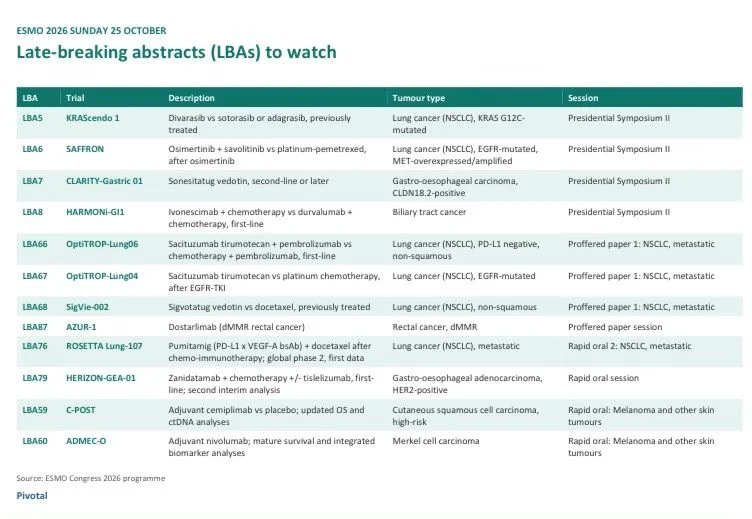
“Day 3 of ESMO 2026 is here, and we got an extra hour during last night to let Saturday’s results sink in.
Four Phase III late-breakers in lung, gastro-oesophageal, and biliary tract cancer at Presidential Symposium II. Proffered paper and rapid oral sessions will add late-breaking abstracts in NSCLC, rectal cancer, gastro-oesophageal cancer, and skin tumours, including cutaneous squamous cell and Merkel cell carcinoma.
Also on our radar today, TTD Group – Grupo de Tratamiento de los Tumores Digestivos will be presenting additional data on the CR-SEQUENCE trial in poster 862P:
Survival Impact of Hepatic Metastasectomy During Sequential Systemic Treatment in Left-Sided RAS Wild-Type Metastatic Colorectal Cancer (mCRC) (Hall 5).
Pivotal is proud to have contributed to this work.
Which session is on your agenda?
Coffee loaded, notebooks open. Let’s go!”