The ESMO Congress 2026, held from October 23–27 in Madrid, Spain, brings together the global oncology community for five days of groundbreaking research, clinical updates, and discussions shaping the future of cancer care.
From late-breaking clinical trial results and new treatment strategies to expert perspectives and memorable moments shared across social media, the congress is once again at the center of the oncology conversation.
OncoDaily has gathered 25 posts not to miss from Day 4 of ESMO Congress 2026, highlighting the key scientific updates, expert insights, and conversations that caught the attention of the oncology community.
Here are 25 posts not to miss from ESMO Congress 2026, capturing the latest scientific developments, expert perspectives, and memorable moments shared by the global oncology community
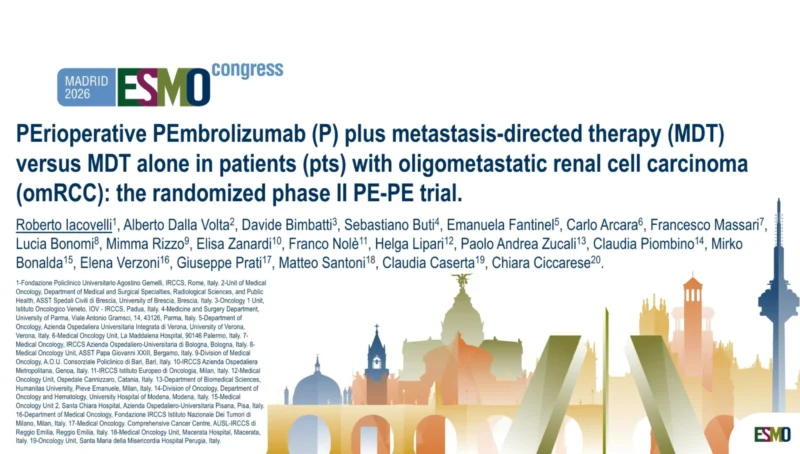
“Proud to report at ESMO2026 the results of the PE-PE trial.
Oligometastatic RCC patients have a significant benefit when pembrolizumab was added to MDT, irrespective of the type of MDT used and up to 5 years from previous surgery.
Thanks to the Italian team and special thanks to Dr. Toni Choueiri!”
“Beyond Science, It’s the People Who Make ESMO Special!
One of the greatest joys of attending ESMO2026 in Madrid is reconnecting with wonderful friends, inspiring colleagues, and passionate collaborators who share the same vision for advancing cancer care.
A special moment today with my amazing friends and colleagues from the OncoDaily community, Amalya Sargsyan, Arpi Asminian, Rasha Aboelhassan, Mona Elhosary, Reem Eid, and Rana Naoum.
Beyond the scientific sessions, research presentations, and exciting discoveries, conferences are about people, friendships, meaningful conversations, and collaborations that turn ideas into action.
Proud to be part of a community where scientific passion meets genuine friendship, and where geographical boundaries never limit our shared ambitions.
Because advancing oncology is not only about better science, but also about the people who inspire us to make a difference.”
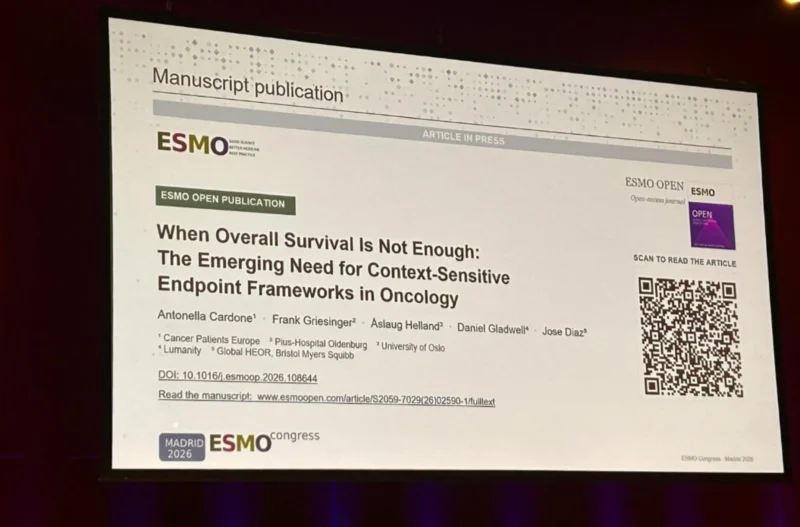
“Antonella Cardone, CEO of Cancer Patients Europe, presenting at ESMO26 on new definitions of clinical benefit as informed by patients themselves.
An impressive work toward person-centric care!”
Sahar Barjesteh van Waalwijk van Doorn-Khosrovani:
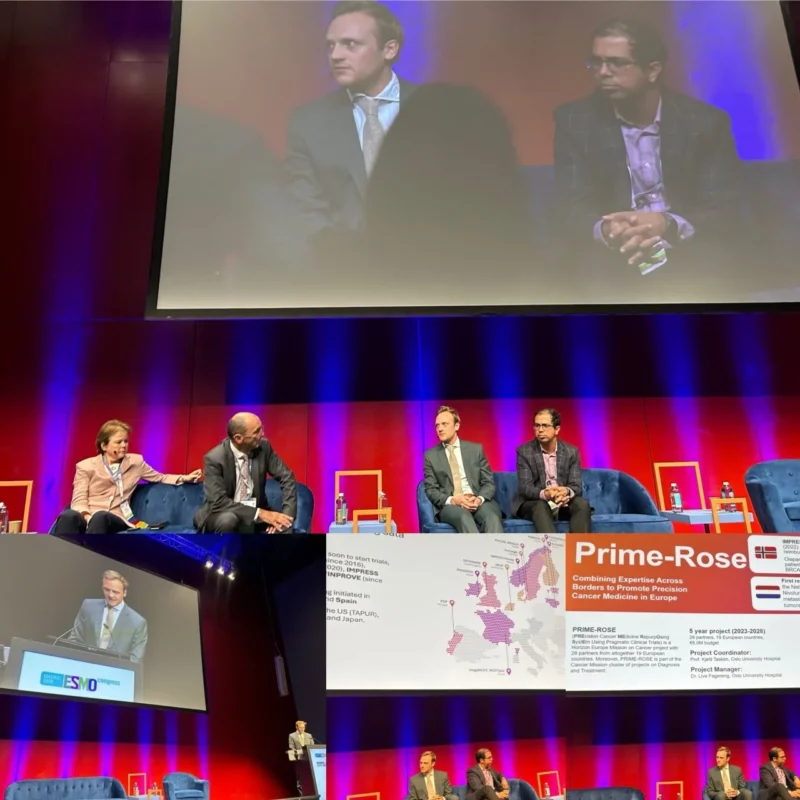
“Very relevant and insightful presentations by Atse Huisman and Bishal Gyawali on off-label use and a review of approvals for single-arm trials at the ESMO2026 Policy Session.
Jean-Yves Blay served as discussant and highlighted initiatives like PRIME-ROSE/DRUP-like trials as platforms to provide responsible access.”
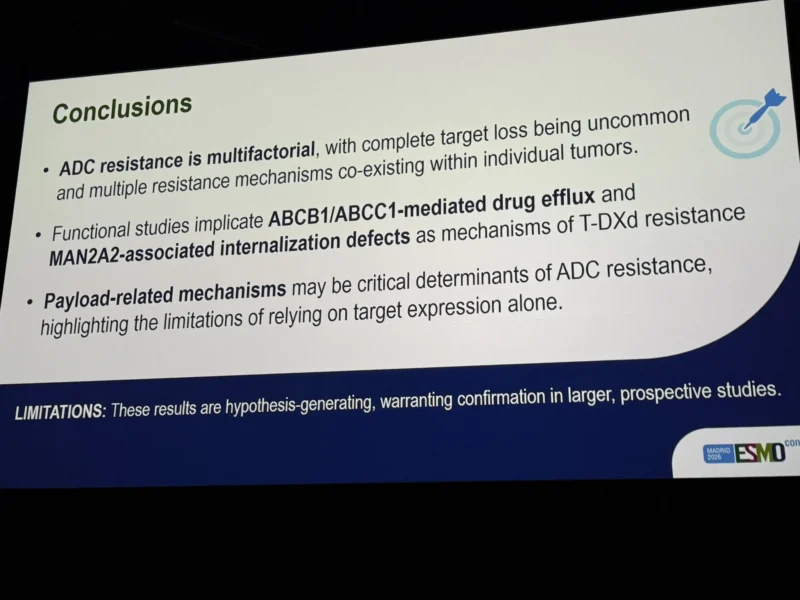
“ESMO26: Paolo Tarantino presents the novel and unique CHARISMA trial, with matched samples collected at the start of ADC treatment and at disease progression (PD).
My take?
Resistance is incredibly complex and not due to an isolated pathway. Downregulation of the target receptor is uncommon.”
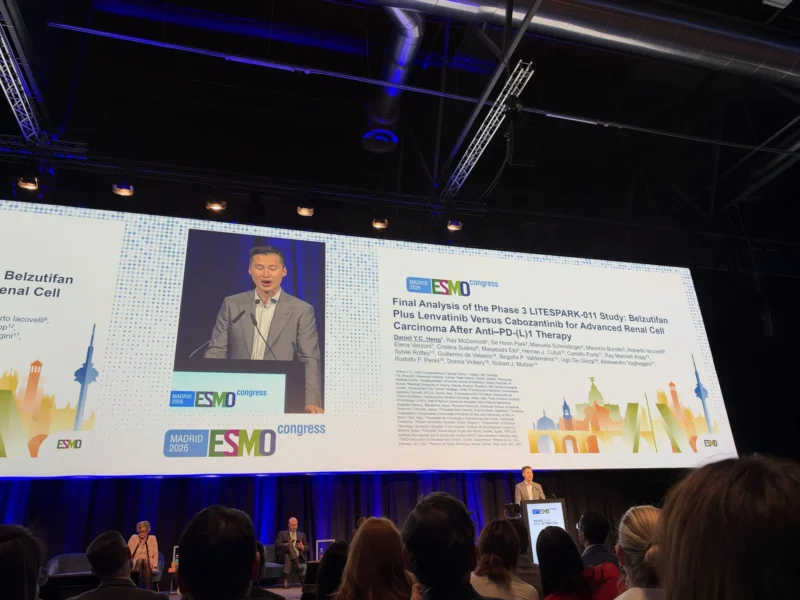
“Great presentation by Dr. Daniel Heng at ESMO26 on LITESPARK-011. Congratulations on the simultaneous publication of the data in Annals of Oncology!
It’s a high bar to advance therapies in the second-line setting.
I tend to still favor monotherapy for most patients. I’ve had challenges with lenvatinib 20 mg and also want to understand more about the cardiac toxicity.
Still, always eager to have more options to discuss with my patients!”
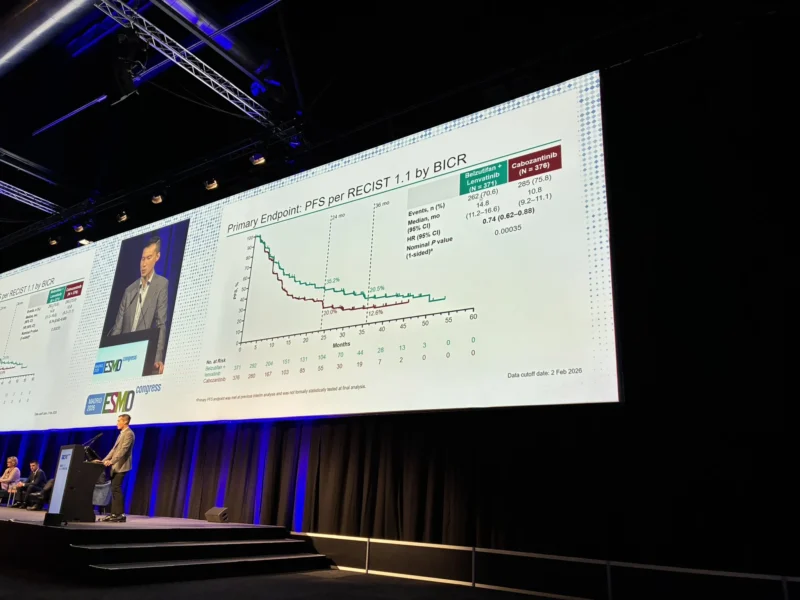
“Day 3 ESMO26 take-home messages from Dr. Mafalda Oliveira on early HR+/HER2− breast cancer:
Stage carefully and clip nodes before therapy.
Surgery + genomic score: standard for cT1–2 cN0–1.
Ki-67 after 2–4 weeks of endocrine therapy (ET) adds information.
In young women, the endocrine therapy given matters as much as tumor biology.
ET-sensitive tumors rarely achieve pCR with chemotherapy, even if clinically high risk.
Can CDK4/6 inhibitors + endocrine therapy fill the gap?
The NoLEEta trial is addressing this question.
Survival, not pCR, will decide.”
“Negative trial in newly diagnosed glioblastoma at ESMO26.
Adding trotabresib to standard radiotherapy and temozolomide (RT/TMZ) failed to improve progression-free survival (PFS).
Late separation of the curves raises questions about treatment exposure.
Amazing presentation!”
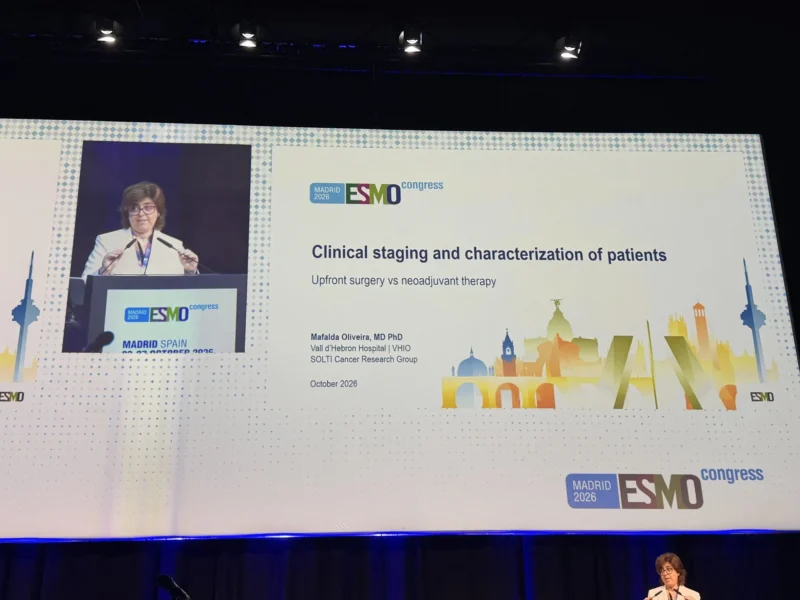
“Very informative session on Concepts in Precision Oncology, chaired by Dr. Oh.
Discussions on next-generation ADC strategies, innovative clinical trial designs, and how precision medicine continues to reshape oncology drug development.”
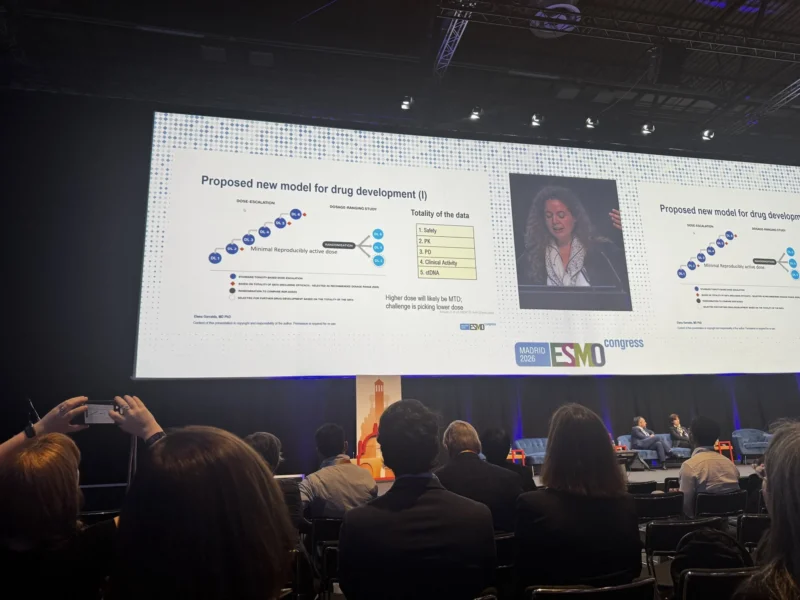
“ESMO26 | LITESPARK-011 in advanced renal cell carcinoma (RCC).
Belzutifan + lenvatinib vs. cabozantinib after immunotherapy (IO).
No statistically significant overall survival (OS) benefit (HR 0.85; p=0.0469; prespecified one-sided significance boundary of 0.0223).
The primary OS endpoint was not met.”
“Upper GI Rapid Oral session at ESMO26.
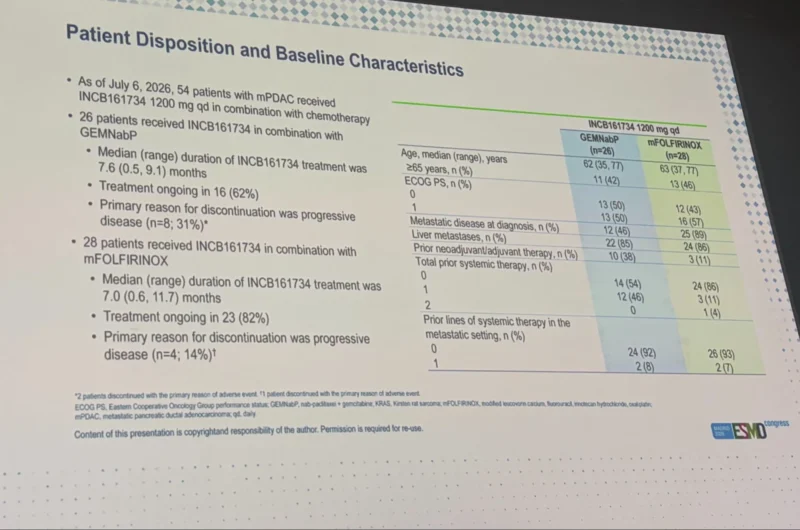
First- to third-line pancreatic ductal adenocarcinoma (PDAC): Phase I study of iKRAS (INCB161734) + chemotherapy, with mFOLFIRINOX and gemcitabine/nab-paclitaxel cohorts.
Safety: We can make it work.
Objective response rate (ORR): Impressive results.
The DAWN-303 trial has opened for recruitment at multiple sites, including Hospital Universitario Fundación Jiménez Díaz.”
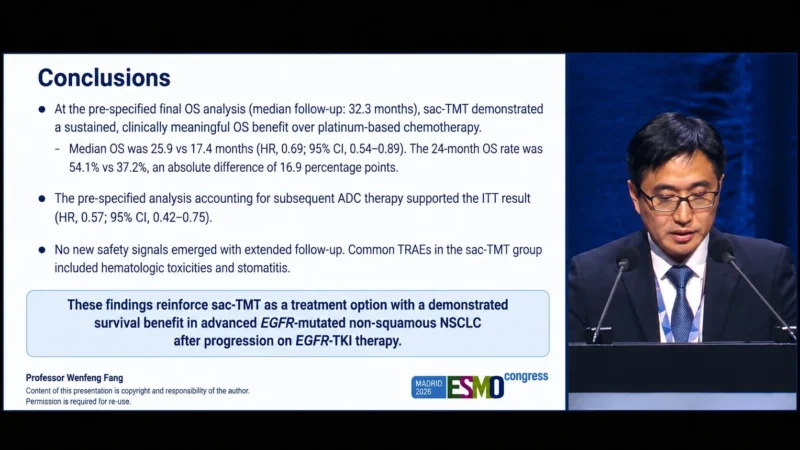
“An 8.5-month overall survival (OS) gain after EGFR-TKI failure!
At ESMO26, Prof. Wenfeng Fang presented the final Phase III OptiTROP-Lung04 results in EGFR-mutant non-small cell lung cancer (NSCLC).
Sac-TMT vs. chemotherapy:
OS: 25.9 vs. 17.4 months (HR 0.69).
A potential practice-changing ADC milestone.”
“ESMO 2026: AZUR-1 Trial Changes the Game for dMMR Rectal Cancer! Simultaneous Publication in Annals of Oncology.
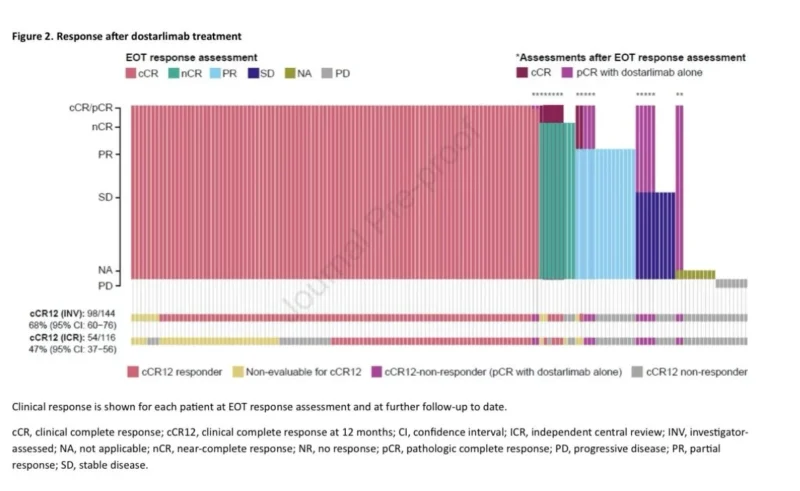
I just attended one of the most practice-changing presentations of this ESMO. Dr. Andrea Cercek presented the first results of the global Phase II AZUR-1 trial, evaluating dostarlimab monotherapy in patients with locally advanced (stage II/III) dMMR/MSI-H rectal cancer.
The data were simultaneously published in Annals of Oncology, and they are nothing short of revolutionary for organ preservation.
The Concept:
We know that dMMR tumors are exquisitely sensitive to PD-1 blockade. AZUR-1 investigated whether we could safely omit the standard toxic trimodal therapy (chemotherapy + radiation + radical surgery) and use immunotherapy alone, guided by a non-operative management (NOM) strategy.
The Results (N=154):
Patients received dostarlimab 500 mg IV every 3 weeks for 9 cycles.
Clinical Complete Response (cCR): 71% (110/154) achieved a cCR with dostarlimab alone.
Durability: Of those evaluable for cCR12, 68% maintained cCR for at least 12 months. Crucially, 98% of patients who achieved cCR maintained it.
Composite cCR12 + pCR: 76%.
Survival & Recurrence: There have been zero recurrences to date in any patient who achieved cCR or pCR after dostarlimab alone.
Surgery Avoidance: Only 16% of the total population ultimately required total mesorectal excision (TME).
Safety & Quality of Life:
The safety profile is highly favorable. Grade ≥3 immune-mediated adverse events occurred in only 3% of patients, with no fatal events.
Patient-reported outcomes (PROs) showed meaningful improvements from baseline in gastrointestinal symptoms, emotional functioning, and global quality of life—a massive win given the life-altering morbidities of standard rectal cancer surgery.
The Bottom Line:
AZUR-1 proves that dostarlimab monotherapy provides durable cCRs, allowing most patients to avoid the toxicity of chemotherapy, radiation, and the morbidity of a permanent stoma. This sets a new standard of care for dMMR/MSI-H locally advanced rectal cancer.
For my GI oncology and surgical colleagues: These data reinforce the absolute necessity of universal MMR/MSI testing at diagnosis.
How are we preparing our multidisciplinary tumor boards to standardize the assessment of cCR and implement NOM pathways for these patients?
Let’s discuss!”
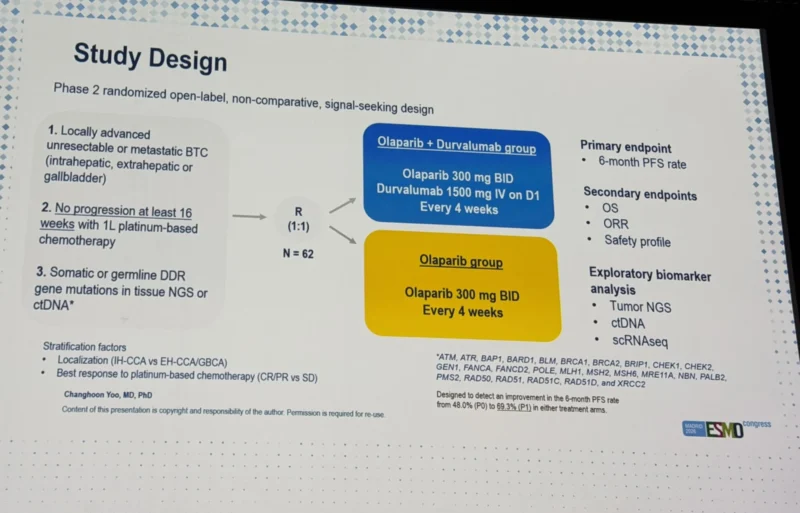
“Changhoon Yoo presents the Phase II OPTIMUM study of olaparib with or without durvalumab in patients with DNA damage repair (DDR) gene-mutated advanced biliary tract cancer (BTC) at ESMO26.”
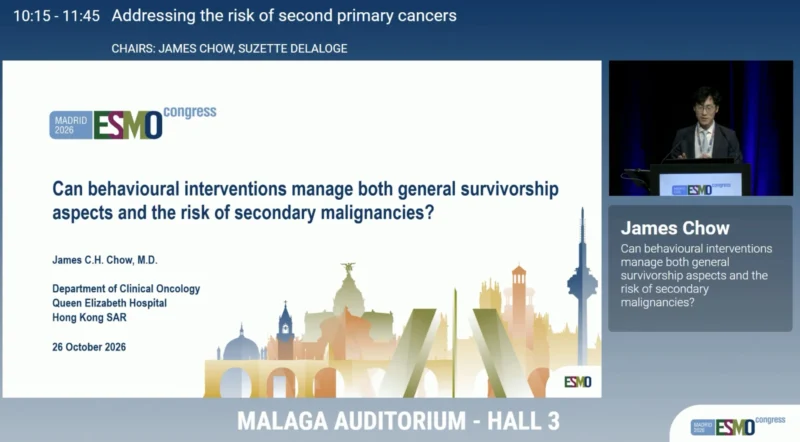
“Excellent overview by my friend and colleague James Chow from Queen Elizabeth Hospital (QEH) in Hong Kong on the possibility of behavioural interventions in survivorship and reducing the risks of secondary cancers.
As clinicians, we are in a position to not only treat the current cancer but also intercept any future ones.”
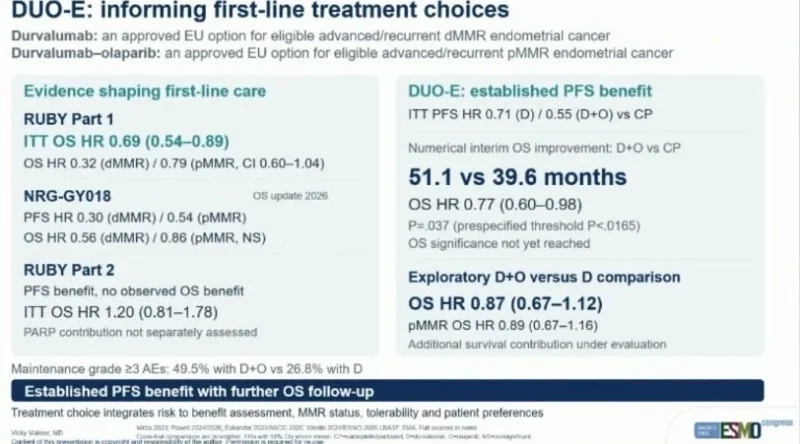
“One biomarker, three trials, three different answers. Endometrial cancer at ESMO 2026.
DUO-E: Stage III–IV or recurrent, first line. Three arms, all with chemo: chemo alone, chemo + durvalumab, or chemo + durvalumab followed by durvalumab + olaparib maintenance.
Both regimens beat chemo on PFS. Survival tells a different story by MMR status.
dMMR: Durvalumab drives the benefit, OS HR 0.57. Olaparib adds nothing, PFS HR 0.97.
pMMR, 80% of patients: Durvalumab alone, OS HR 0.95. Olaparib adds modest PFS, HR 0.76, no survival benefit shown, and grade ≥3 AEs rise from 26.8% to 49.5%.
Olaparib was never formally tested against durvalumab alone. That comparison is exploratory.
KEYNOTE-B21: After surgery, stage III–IVA, or stage I–II serous, clear cell or carcinosarcoma. Chemo ± pembrolizumab. Negative overall. dMMR 3-year DSFS 95% vs. 80%, large but descriptive.
NRG-GY020: Stage I–II endometrioid dMMR, high-intermediate risk. Radiation ± pembrolizumab. Negative, 73% vs. 77%. 21% stopped pembrolizumab for toxicity.
My read: After surgery, pembrolizumab helps where risk is high and adds little where cure is already likely.
In pMMR, we keep adding drugs and buying PFS, not survival. Olaparib is not the partner for IO in endometrial cancer. In ovarian cancer, PARP inhibition rides on homologous recombination deficiency. More on the mechanism in a separate post.
How I will practice:
dMMR, advanced or high risk: IO in first line.
dMMR, early stage: Radiation alone.
pMMR: I discuss olaparib honestly, a few months of PFS for real toxicity.
Molecular profile first, trials early.
Where I am putting my effort: The pMMR population, with ADCs and selection by tumor biology.
Slides: Vicky Makker’s discussion, ESMO 2026.”
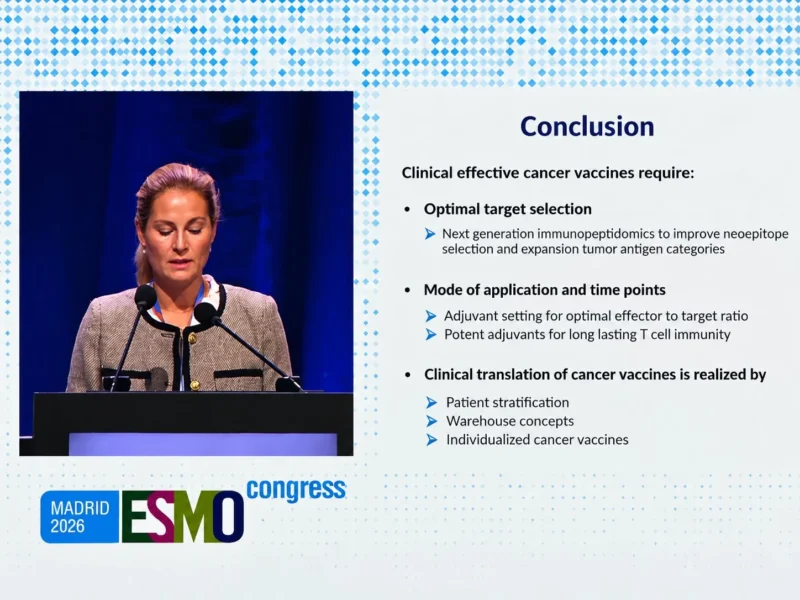
“Cancer Vaccines: From Immune Activation to Durable Clinical Benefit
At ESMO26, Prof. Juliane Walz highlighted five key principles shaping the future of therapeutic cancer vaccines:
1\. Antigen selection: Immunopeptidomics can help identify clinically relevant tumor targets.
2\. Timing matters: The adjuvant/MRD setting may offer the greatest opportunity for vaccine-induced immunity.
3\. Better combinations: Novel adjuvants, checkpoint inhibitors, and bispecific antibodies may enhance T-cell responses.
4\. Encouraging early data: In chronic lymphocytic leukemia (CLL), a personalized peptide vaccine induced T-cell responses in 95% of patients, with MRD reduction in 90%.
5\. Toward personalization: Fusion-derived antigens and individualized vaccine platforms are opening new therapeutic possibilities.
The key question is no longer just whether cancer vaccines induce immunity, but whether that immunity translates into durable clinical benefit.”
“Honored to have the opportunity to present the results from our translational CHARISMA study, unveiling mechanisms of resistance to TOPO1 ADCs.
A true team effort involving the amazing Dana-Farber Cancer Institute Breast Oncology research teams and AstraZeneca Translational Medicine.”
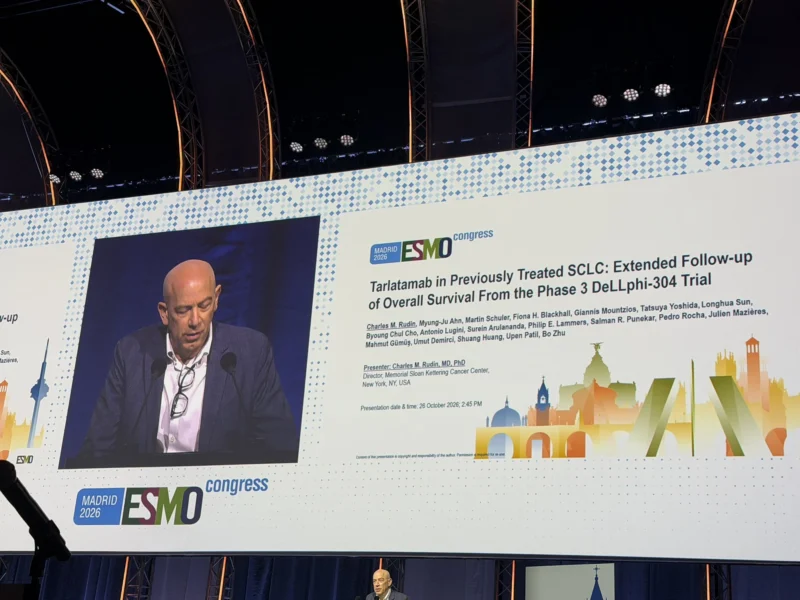
“ESMO26: Does tarlatamab provide long-term benefit to responding patients?
The answer is yes!
Extended follow-up of the DeLLphi-304 trial shows that after 22 months of follow-up:
Landmark 2-year overall survival (OS): 30% vs. 15%.
Sustained disease control: 24% of patients at more than 52 weeks.
We need to investigate the characteristics of these patients to understand how we can improve the outcomes of the 70% of patients who do not make it to two years.”