The 15th European Breast Cancer Conference (EBCC-15), held from March 25 to 27, 2026, in Barcelona, Spain, brought together the global breast cancer community for a multidisciplinary exchange focused on progress in research, clinical care, and patient advocacy. As one of the leading international meetings in the field, EBCC-15 highlighted the importance of collaboration in translating scientific advances into meaningful improvements in daily practice and patient outcomes.
Here are 20 insightful posts you shouldn’t miss from leading experts highlighting key research findings, clinical advances, and important discussions shared during EBCC-15.
20 Posts Not To Miss From EBCC
EUROPA DONNA – The European Breast Cancer Coalition:
“Day 3 of EBCC15 in Barcelona: focusing on equity across all ages.
Breast cancer is most commonly diagnosed between ages 50–69, yet it increasingly affects both younger and older populations, groups that remain underserved by current care pathways.
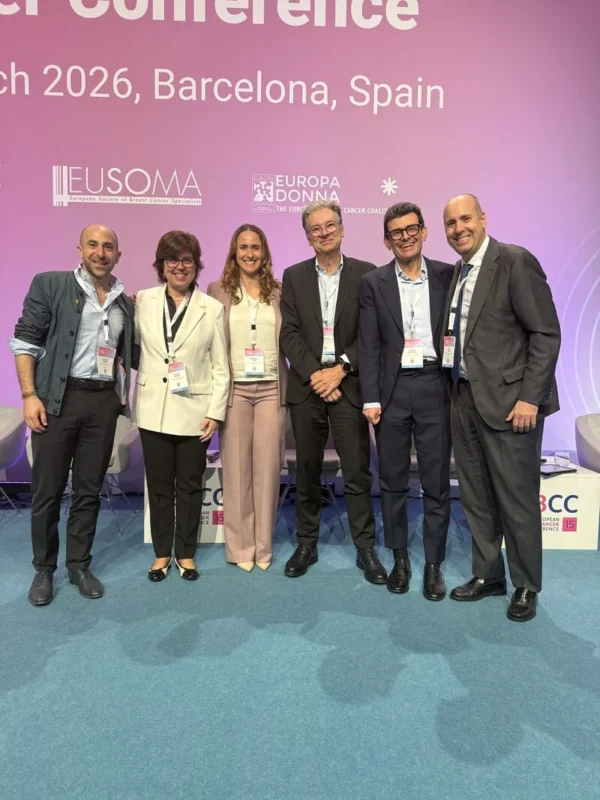
Today’s Europa Donna session brought together Tanja Spanic , Marjolein Smidt, Matteo Lambertini and Hans Wildiers to address this critical gap. Across Europe, screening programmes largely focus on ages 50–69, leaving many patients at a disadvantage.
Younger women often face more aggressive cancers, delayed diagnosis, and additional challenges such as fertility, body image and long-term survivorship. Older patients are less frequently screened, often excluded from clinical trials and must navigate complex treatment decisions alongside comorbidities, where quality of life and independence are key.
What clearly emerged: unmet needs persist at both ends of the age spectrum. Personalisation (across diagnosis, treatment, and follow-up) must become the standard, not the exception.
The EBCC Manifesto reinforces this vision, calling for stronger multidisciplinary care across Europe. This year’s theme (removing age-related barriers) is a clear call to action: ensuring that age does not determine access to high-quality care.
Key takeaway: equity in breast cancer care means addressing every stage of life, no patient should be left behind.
As EBCC15 comes to a close, these three days have reinforced one clear message: progress happens when science, policy, and patient voices come together.”
It’s a beautiful day in Barcelona, time for another packed few days of learning, sharing and networking at EBCC26. Reach out for a chat about how IME drives better outcomes for patients with breast cancer.
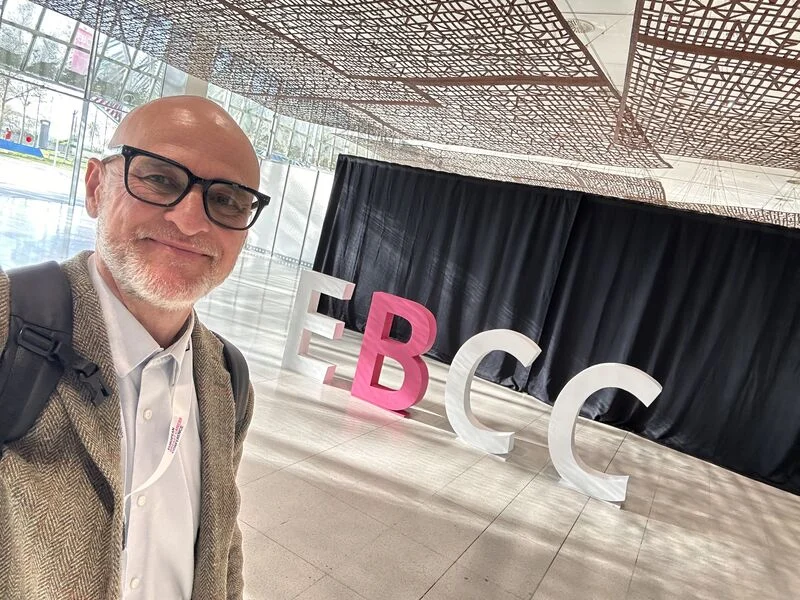
“A real pleasure to co-chair this excellent session with Dr. Javier Cortés Castán at EBCC15 on ER+ metastatic breast cancer.
I also had the opportunity to present on tailoring optimal sequencing in 1st- and 2nd-line ER+ metastatic breast cancer.
It was a great faculty and a very stimulating discussion throughout the session:
Antonio Llombart-Cussac — molecular mechanisms of resistance to CDK4/6 inhibitors
Philippe Aftimos MD — novel anti-estrogenic agents: SERDs and PROTACs
Mafalda Oliveira — new drugs targeting the PIK3CA/AKT pathway
Emanuela Risi — adherence and management of co-morbidities in frail/elderly patients
Thank you to all speakers and participants for such a rich exchange.”
SIOG – International Society of Geriatric Oncology:
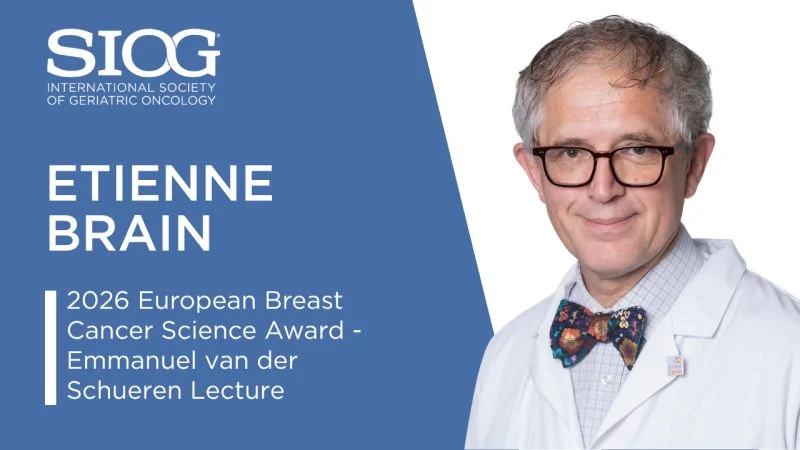
” We are proud to share that Etienne BRAIN, SIOG Board Member and Past President, has received the European Breast Cancer Science Award – Emmanuel van der Schueren Lecture at the European Breast Cancer Conference (EBCC).
This prestigious award recognises his longstanding contributions to Breast Cancer research and care, with a strong focus on older adults. Through his work, including leading the SIOG Advanced Course in Geriatric Oncology, he has helped advance education, clinical practice, and decision-making in our field.
His lecture at EBCC addressed the challenges and choices in treating older patients with breast cancer, a topic central to improving age-appropriate care.
Warm congratulations on this well-deserved recognition!”
“I’ve just wrapped up an incredible experience at the EBCC15. It has been a truly remarkable opportunity to connect with leading experts in the field of breast cancer, exchange ideas with esteemed colleagues, and reconnect with dear friends.
The sessions were incredibly thought-provoking, covering the latest advancements in research and clinical practice. I am heading home with a “heavier” suitcase—not just from notes and materials, but from the wealth of new knowledge and perspectives gained.
I feel deeply inspired and energized to start working on new projects and to apply these insights to improve patient care and outcomes.
A huge thank you to the organizers and speakers for such a stimulating event!
Isabel T. Rubio Dr. Javier Cortés Castán.”
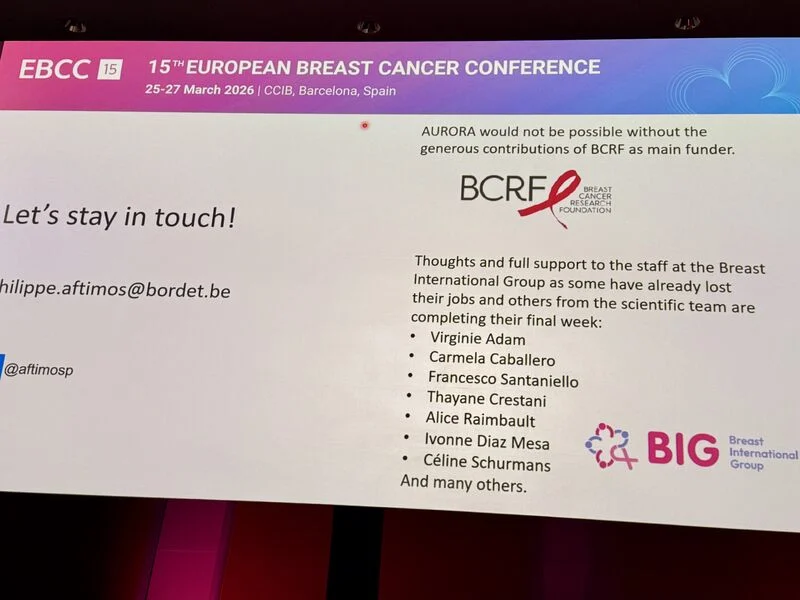
“At EBCC15, Philippe Aftimos MD closed his presentation with a word for colleagues from the BIG against breast cancer, which had to close due to lack of funding.
An important reminder of the value of strong academic collaborations in moving the field forward. The BIG has played a key role in bringing together investigators across countries to address clinically meaningful questions and generate high-quality evidence for our patients.
This is also a call for the academic community to continue joining forces — to prioritize the questions that matter most and ensure we keep advancing care for patients together.”
European Breast Cancer Conference:
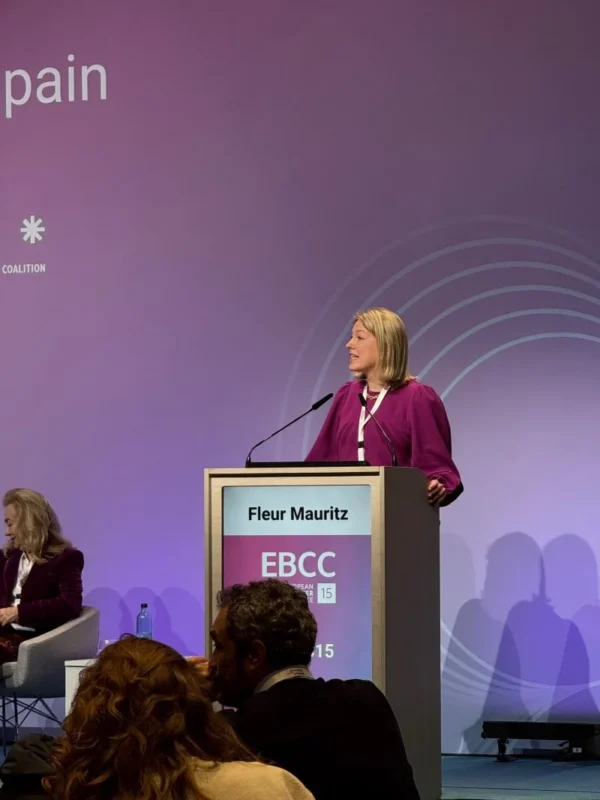
“EBC Council Awards at EBCC15
European Breast Cancer Council Young Investigator Innovation Award (EBCC YIIA Award).
Fleur Mauritz shares long-term insights on treatment optimisation in early-stage breast cancer.”
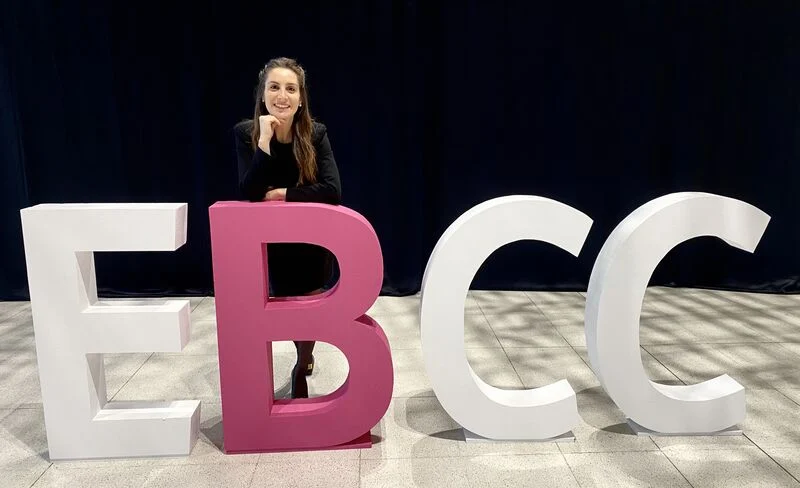
“The end of 3 information packed days at The European Breast Cancer Conference. Sharing our work, networking & keeping up to date with all the very latest in the field.”
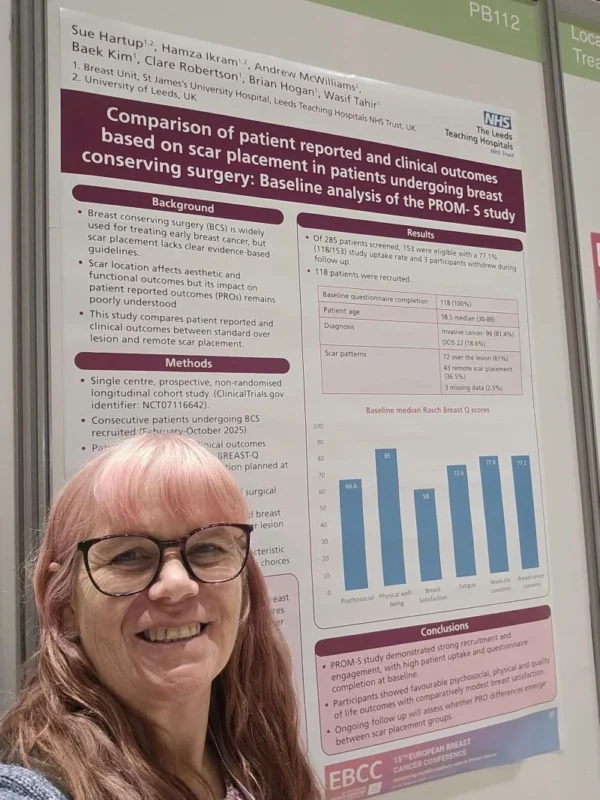
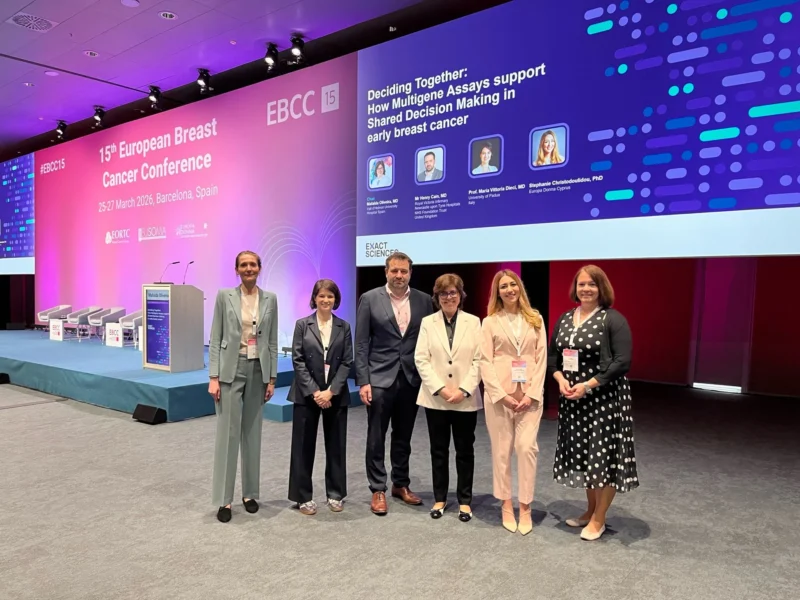
“Truly rewarding days at EBCC15. One of the highlights for me was our symposium today on shared decision‑making in early breast cancer and the important role multigene assays can play in supporting clearer, more individualized treatment discussions.
Hearing different perspectives from a surgeon, oncologist, and patient advocate underscored how essential transparent communication and robust diagnostic insights are in guiding people through complex decisions.
I’m grateful for all the thoughtful conversations throughout the conference — they reaffirm how collaboration across disciplines continues to move our field forward.
Shouting out to my team, especially Eva and Magdalena, great job!”
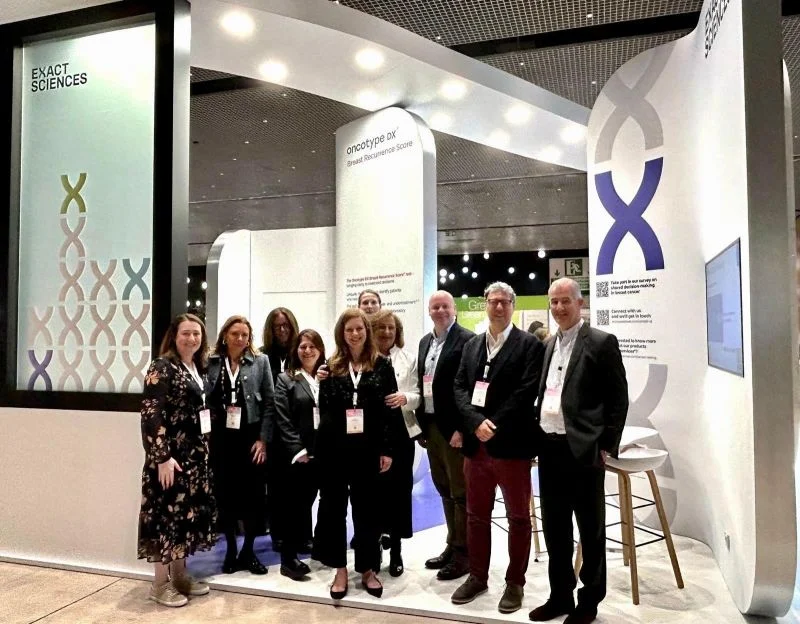
“Great to be here at EBCC15 in Barcelona! Always inspiring to reconnect with colleagues, partners, and clinicians from across Europe who are driving progress in breast cancer care.
I’ll be spending the next few days meeting people across the congress and speaking with teams about how tools like the Oncotype DX test support more personalized and confident treatment planning in early breast cancer.
If you’re attending, feel free to stop by Booth 22 – I’d love to say hello and hear what’s top of mind for you this year.
Looking forward to an energizing few days of science, collaboration, and meaningful conversations.
EORTC – European Organisation for Research and Treatment of Cancer:
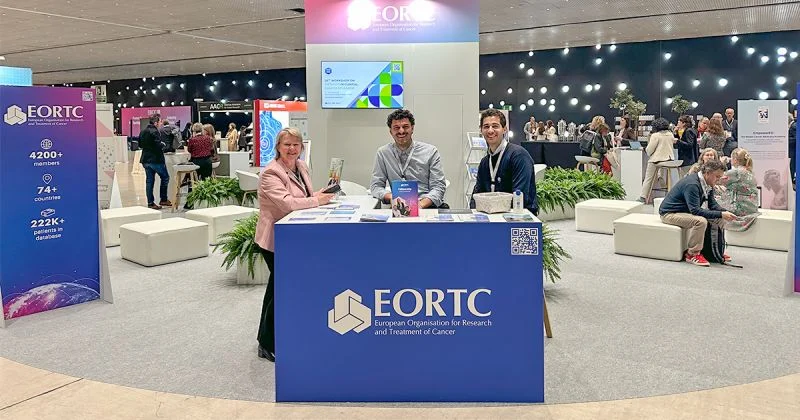
“Live from EBCC15 in Barcelona!
As a proud partner of European Breast Cancer Conference (EBCC), EORTC is excited to be here and part of the conversation shaping the future of breast cancer care.
Come visit our booth to meet the team, learn more about our latest research, and explore opportunities to collaborate. We’d love to connect with you!
See you there ”
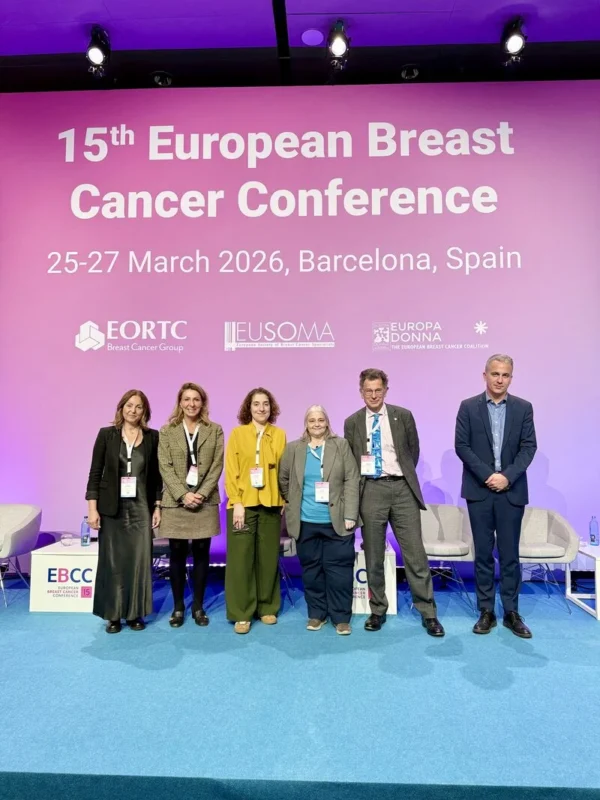
“Grateful for the opportunity to represent the patient voice at EBCC15 and present on what actually matters to patients. A heartfelt thank you to the organising committee for involving patients, reflecting their true commitment to meaningful partnership, co-creation and ensuring that patient experience shapes the direction of research, policy, and care.”
“EBCC15 begins! Medical oncologists team from Lithuania are ready to learn breast cancer treatment news.”
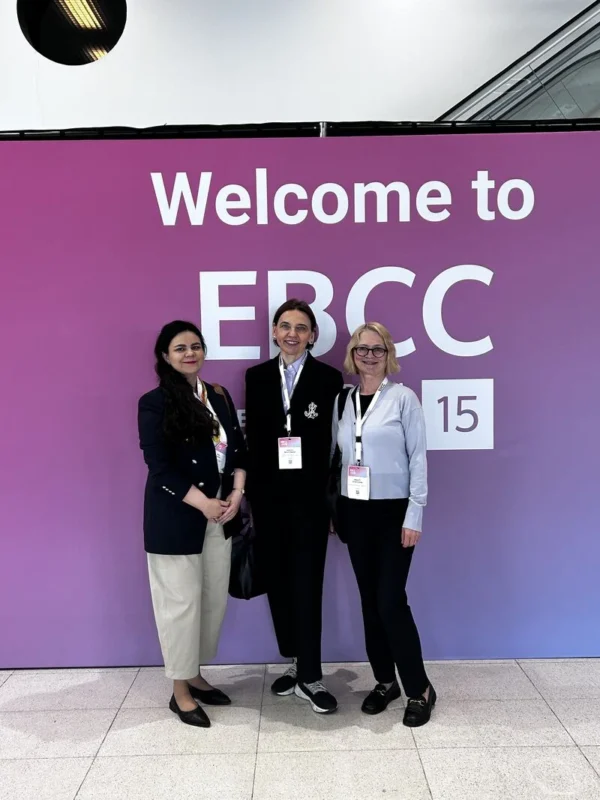
“Three intense and meaningful days at EBCC15, where science, policy and patient voices came together to shape the future of breast cancer care.
I had the honour to contribute in the session: “What Personalised Care for a 35-Year-Old Breast Cancer Patient, Carrier of High (BRCA) or Moderate Penetrance (CHEK, PALB2) PV?”
As the patient advocate in a highly clinical discussion, I brought the perspective from the other side of the table, what these decisions feel like when you are the one living them.
Because personalised care is not only about what we decide, but how we communicate, when we communicate, and whether patients are truly supported in moments of uncertainty.
Grateful to share this discussion with outstanding experts: Judith Balmaña Gelpi, Jan Lubinski, Jose Manuel Perez Garcia, Thiemo van Nijnatten, Caroline Drukker.
Thank you for an open, respectful and truly multidisciplinary exchange.
Across all sessions, one message was clear:
innovation is advancing rapidly, from AI to risk prediction to personalised approaches, but its impact depends on how well we integrate the patient voice, ensure equity, and translate knowledge into real-life care.
As highlighted in the EBCC Manifesto, we must continue to push for stronger multidisciplinary collaboration, equitable access, and care that reflects the realities of patients across all ages and contexts.
Because in the end, progress in cancer care happens when science, policy, and patient voices move forward together.”
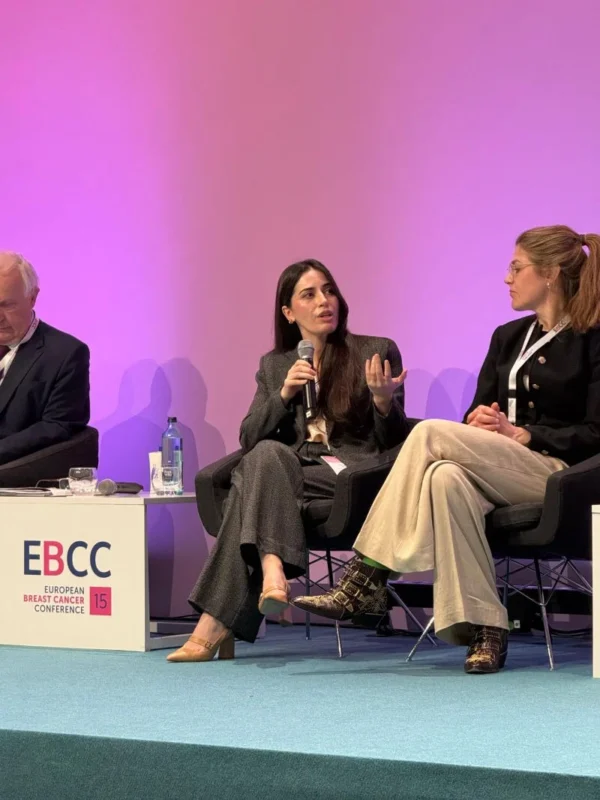
“EBCC15 in Barcelona is over…as always very informative and a chance to meet with colleagues all over the world.
Once again it was proven that each breast cancer patient is different and therefore each treatment should be tailored accordingly.
Manifesto-removing age related barriers to improve quality in breast cancer care!
Age does not and should not limit access to high quality breast care!”
European Breast Cancer Conference:
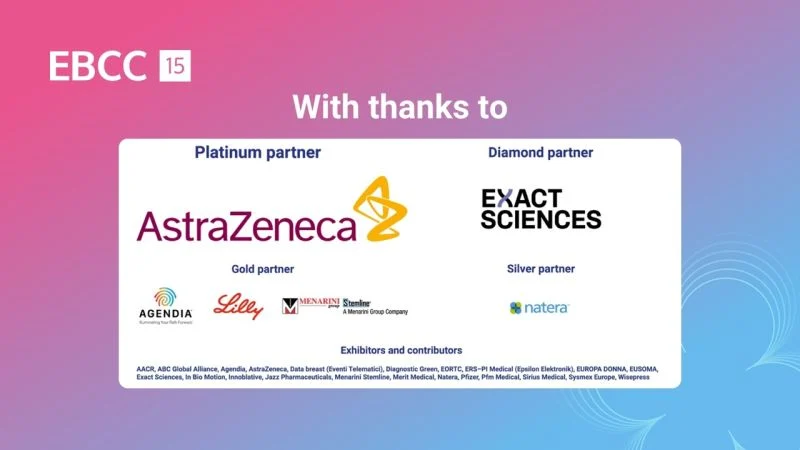
“EBCC15
We are grateful for the continued support of our sponsors.
Their commitment plays a key role in making EBCC-15 a hub for collaboration and scientific progress in breast cancer research.
Thank you!”
“The concept of Breast Density as a Mammographic Risk Factor was first written about in 1970s. John Wolfe described the first qualitative classification of Mammographic Density patterns in 1976.
It’s unconscionable that 50 years later Women in Ireland are resolutely refused information about their Personal Breast Density as seen on their Breast Screening Mammograms.
Dense breast tissue, which appears white on mammograms, can obscure Breast Cancer tumors and is an Independent Risk Factor for developing breast cancer.
Most women in Ireland still don’t realise Breast Density is an important Risk Factor. Few women understand that having dense breasts increases Breast Cancer Risk more than family history or some other risk factors.
Ireland Tell Me My Breast Density
Almost 50% of Women have Dense Breasts. Women need more transparency in relation to what their Mammograms determine in relation to their future Breast Cancer Risk.”
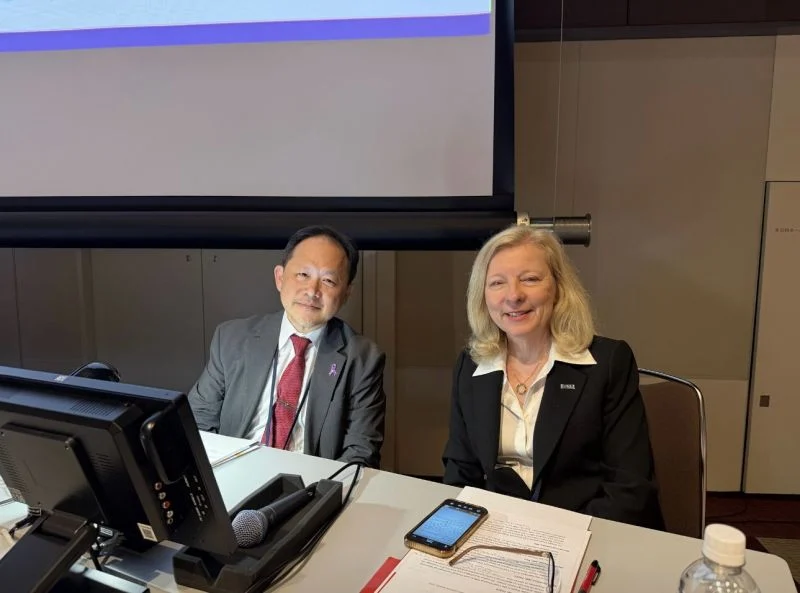
“Beautiful joint session of American Society of Clinical Oncology (ASCO) and JSMO yesterday focusing on breast, lung, GI, and GU cancers.”
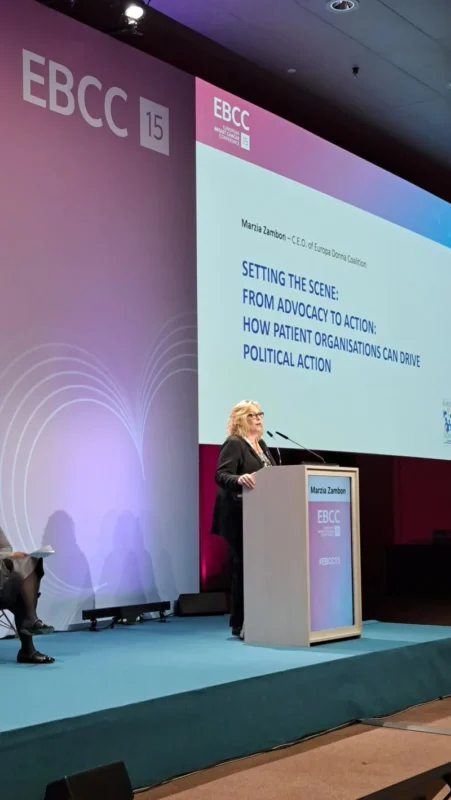
“Excited to kick off the second day of the European Breast Cancer Conference 15 with the session led by the Europa Donna. A powerful discussion on how to turn advocacy into concrete action, with a shared commitment to protecting the right of all European citizens to access high-quality care and the latest therapeutic innovations in a harmonized and equitable way. Looking forward to meaningful exchanges that can drive real change across Europe. The session opened with Dr. Marzia Zambon, President of the Europa Donna Coalition, who reaffirmed the critical role of patient advocacy in driving equitable access to care across Europe. Among the speakers, Dr. Sandra Caldeira from the Joint Research Centre (JRC) highlighted the JRC’s role in collecting and analysing data to support evidence-based policymaking within the European Commission. The European Commission Initiative on Breast Cancer (ECIBC) aims to improve screening and reduce inequalities across European countries. Dr. Isabel Rubio, President of the European Cancer Organisation, also contributed, playing a key role in the development of a cancer indicator to measure inequalities across European countries—an essential tool to inform and shape EU policies. A key intervention was delivered by Dr. Stella Kyriakides former EU Commissioner for Health and Food, who presented the Europe’s Beating Cancer Plan. The ultimate goal is clear: surviving cancer should not depend on where you are born or your economic means. Prevention must be our first line of defence—through healthier lifestyles and early detection—to reduce cancer mortality. The EU ambition is to improve the lives of more than 3 million people, supported by initiatives such as the creation of a shared EU-wide cancer database. At the same time, with over 12 million cancer survivors in Europe, new challenges are emerging around the psychological and physical restart of life. Patient advocacy organisations play a vital role. Giving a voice to those who have walked this path—such as the Europa Donna—is essential to drive meaningful progress across Europe. The challenge is clear: maintain momentum, continue investing in research and innovation, and keep patients at the centre of everything we do.”
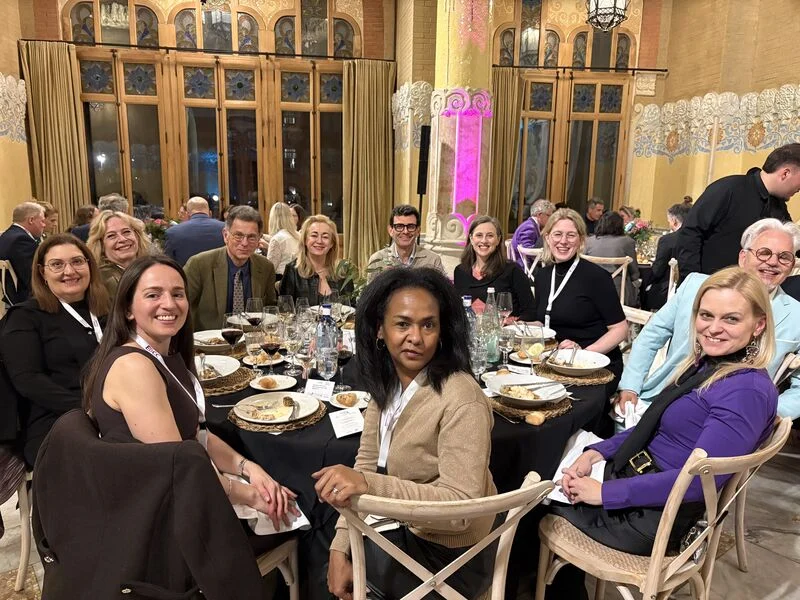
“After a great day with sessions, multidisciplinary meetings, debates great place to share impressions about the EBCC15 EORTC – European Organisation for Research and Treatment of Cancer Europa Donna Isabel T. Rubio Michail Ignatiadis Tanja Spanic”
Find more exclusive oncology content on OncoDaily.
Written by Nare Hovhannisyan,MD