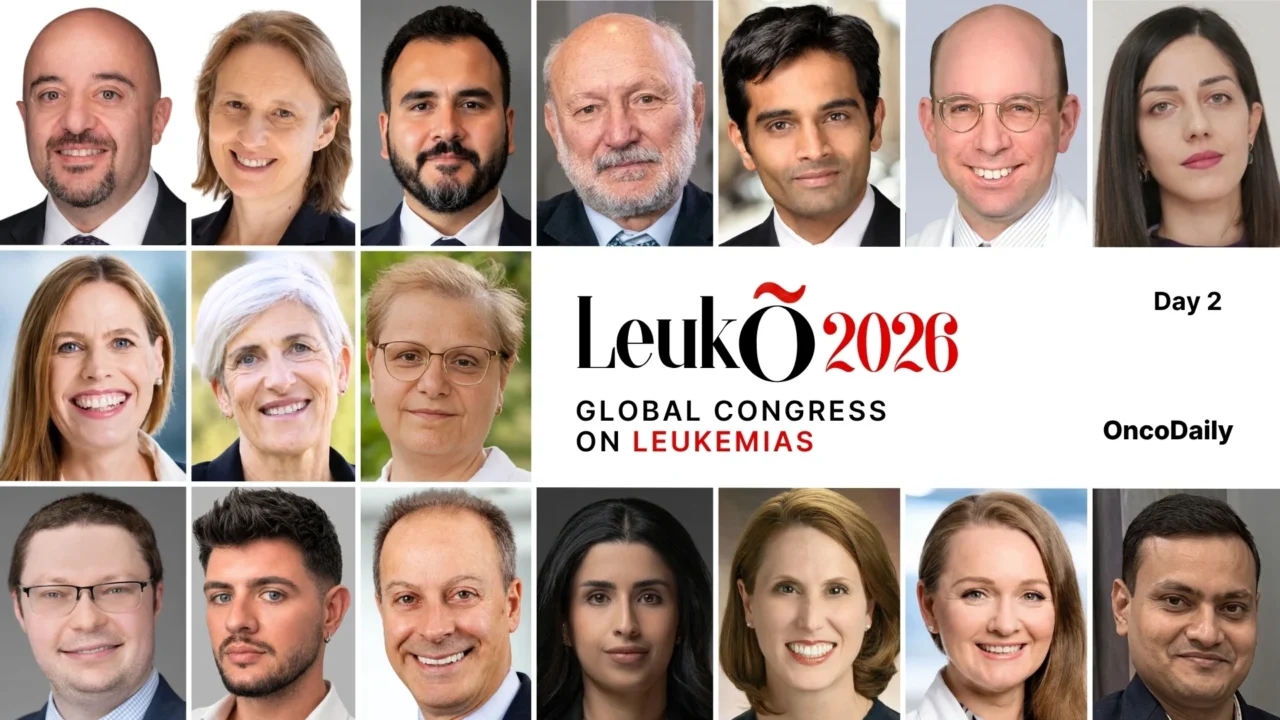
The second and final day of LeukO 2026: Global Virtual Congress on Leukemias continued the global conversation on the changing landscape of leukemia care, bringing together clinical practice, emerging therapies, precision medicine, supportive care and patient perspectives.
From treatment sequencing in chronic lymphocytic leukemia (CLL) and resistant chronic myeloid leukemia (CML) to precision medicine in pediatric acute lymphoblastic leukemia (ALL), artificial intelligence, supportive care and new therapeutic strategies in AML, Day 2 reflected the breadth of challenges and opportunities shaping modern leukemia treatment.
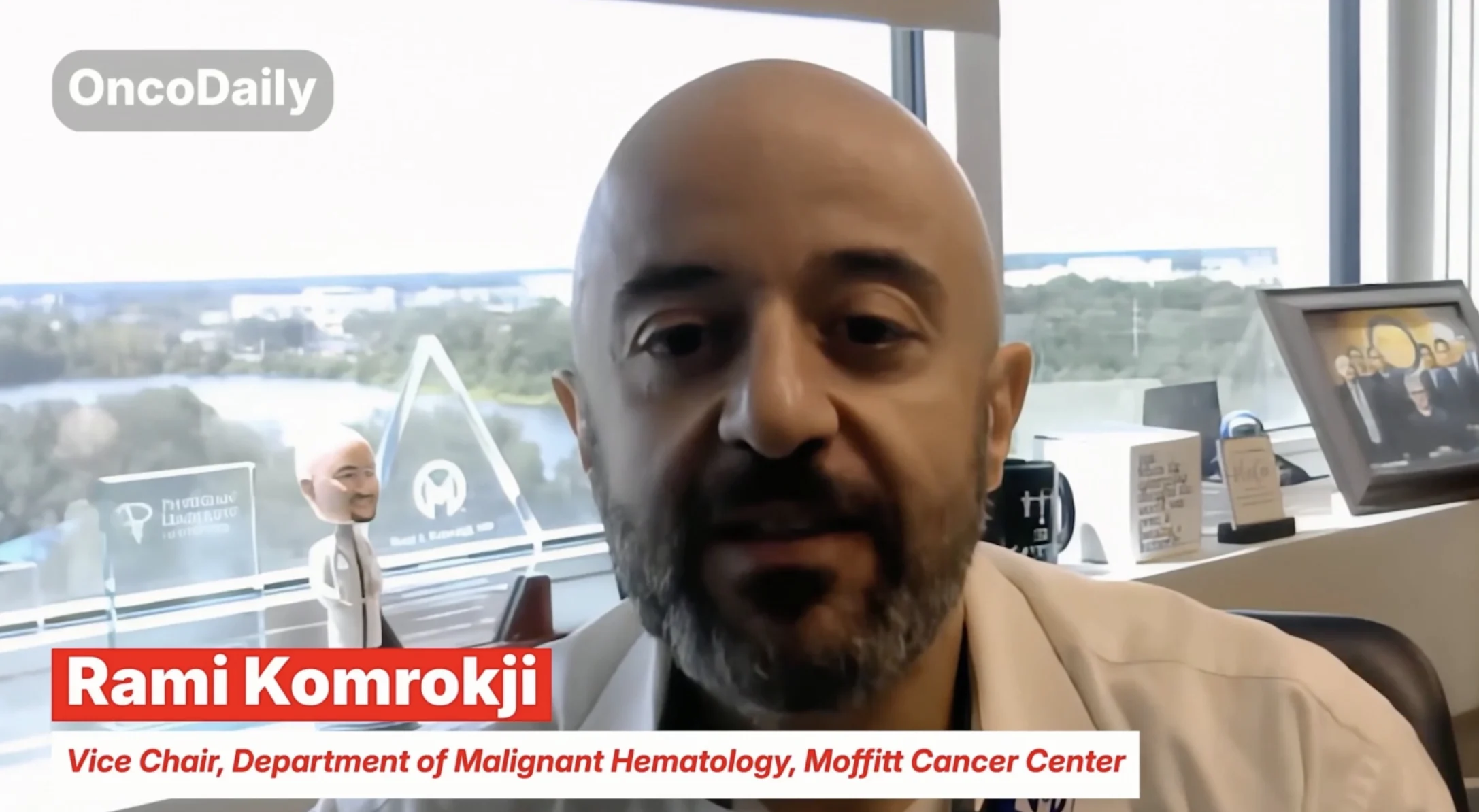
The day was opened by Rami Komrokji, Vice Chair of the Department of Malignant Hematology at Moffitt Cancer Center, whose remarks introduced another programme focused on advances in treatment, research and patient care across the leukemia spectrum.
What Comes After Covalent BTK Inhibitors in CLL?
Henrique Nunes Pêcego, hematologist and stem cell transplant physician from Rio de Janeiro, Brazil, addressed an increasingly important question in chronic lymphocytic leukemia: how treatment should be sequenced after covalent BTK inhibitors.
His presentation explored emerging options including pirtobrutinib, BTK degraders and fixed-duration venetoclax-based combinations, reflecting the expanding number of therapeutic choices available for patients whose disease requires treatment beyond earlier BTK-directed approaches.
The session highlighted the growing complexity of sequencing therapies in CLL as new drug classes and treatment strategies become available.
Exploring Freeze-Dried Platelets for Patients With Leukemia
Maro Ohanian and Keith Moskowitz discused a Phase 2 clinical trial evaluating freeze-dried platelets in patients with leukemia.
The discussion brought attention to supportive care as a critical part of leukemia treatment, particularly for patients who may develop significant hematologic complications during the course of their disease or treatment.
The session underscored how advances in leukemia care extend beyond anti-cancer therapies themselves and also include approaches aimed at improving the management of treatment-related and disease-related complications.
CML Today and Where Treatment May Be Heading
Maha AlDoughaim, Assistant Professor at King Saud bin Abdulaziz University for Health Sciences and Adult Oncology Clinical Pharmacist in Saudi Arabia, reviewed current practice and future directions in chronic myeloid leukemia.
Her presentation examined the evolving CML treatment landscape and the considerations that continue to shape long-term management as therapeutic options expand.
The session reflected how CML has become one of the clearest examples of how targeted therapy can transform the natural history of a hematologic malignancy, while also raising new questions about treatment selection, resistance and long-term disease control.
Can AI Help Match Patients to CAR-T Clinical Trials?
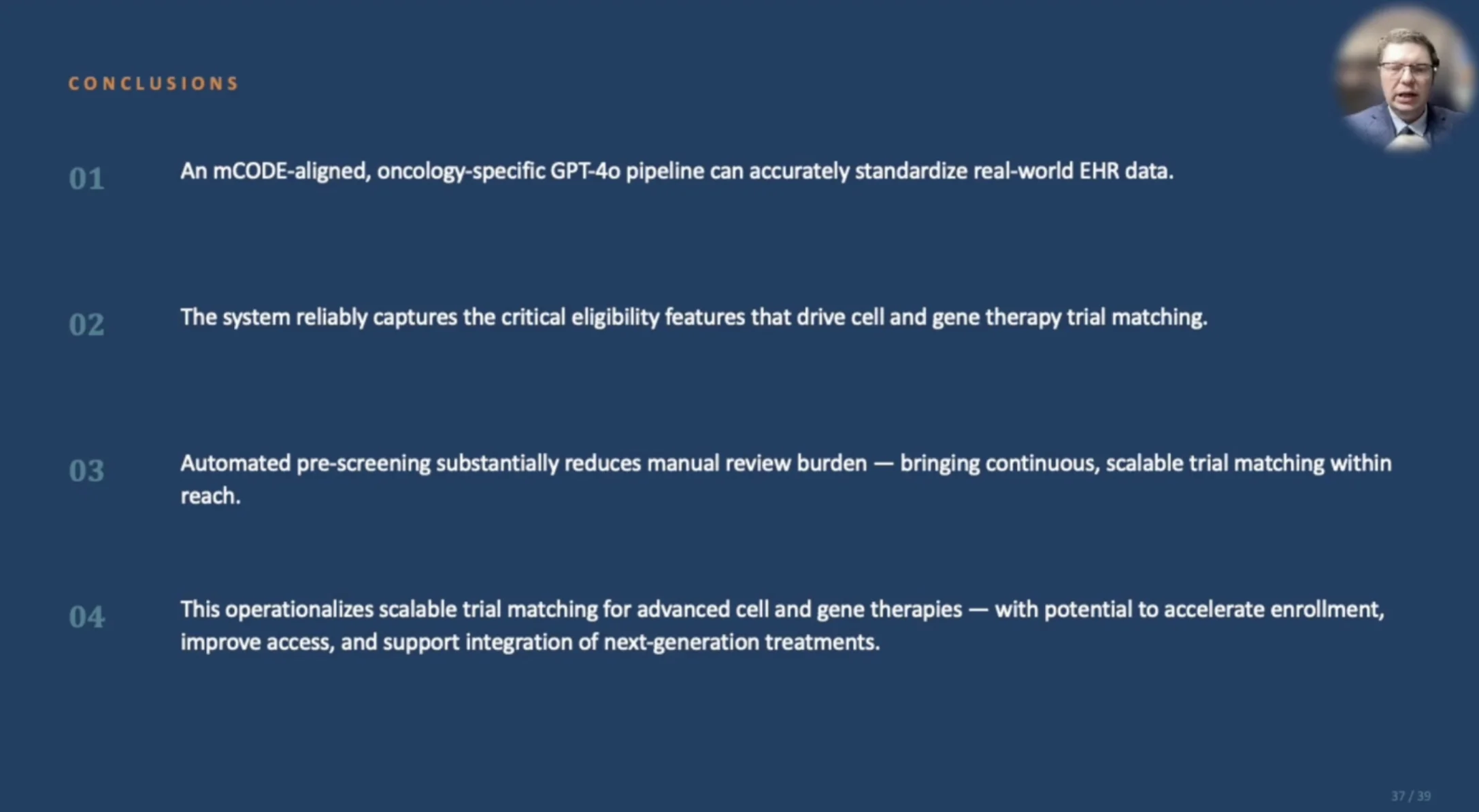
Yan Leyfman of the Meyer Cancer Center at NewYork-Presbyterian Hospital explored the use of artificial intelligence in CAR-T cell clinical trial matching.
The presentation examined how AI-based approaches may help connect individual patients with potentially relevant clinical trials, addressing one of the practical challenges surrounding access to rapidly evolving cellular therapies.
By bringing together artificial intelligence, clinical research and CAR-T therapy, the session highlighted how technology may increasingly support decision-making and trial navigation in hematologic malignancies.
Precision Medicine in Pediatric ALL
Sarah Tasian, Chief of the Hematologic Malignancies Program at the Children’s Hospital of Philadelphia, focused on precision medicine in pediatric acute lymphoblastic leukemia.
Her presentation explored the growing role of disease biology and molecular characteristics in guiding increasingly individualized approaches to childhood ALL.
The session reflected the broader movement in pediatric leukemia toward treatment strategies that seek to better match therapy to the biological features of each patient’s disease while continuing to improve outcomes and reduce treatment burden where possible.
Managing Resistant CML and BCR-ABL Mutations
Giuseppe Saglio, Emeritus Professor of Hematology and Internal Medicine at the University of Turin, addressed one of the continuing challenges in CML: resistant disease and BCR-ABL mutations.
His presentation focused on the clinical considerations involved when patients develop resistance to treatment, including the importance of understanding the molecular mechanisms that may influence therapeutic response.
The discussion complemented the broader CML sessions during LeukO 2026, moving from current practice and treatment-free remission to the more difficult question of how to manage disease when established therapies no longer provide adequate control.
Hope Beyond Treatment: A Helping Hand for Leukemia Patients
One of the special highlights of Day 2 was the patient advocacy session, “Hope Beyond Treatment: A Helping Hand for Leukemia Patients,” which shifted the focus from treatment itself to the broader support patients and families need throughout the leukemia journey.
The session brought together patient advocates and organizations working across different regions, highlighting how access to medicines, community support, and practical assistance can make a meaningful difference for people affected by leukemia.
Natalia Vilcu, President of the Life Without Leukemia Foundation, shared the organization’s experience in Moldova and its work supporting patients with leukemia and their families.
Manette Le Grange presented the experience of ACT 4 Children, focusing on the importance of supporting children with leukemia in low- and middle-income countries and improving access to high-quality medicines.
Pat Garcia-Gonzalez, Chief Executive Officer of The Max Foundation, shared the organization’s experience in improving outcomes for people living with chronic myeloid leukemia by expanding access to life-saving tyrosine kinase inhibitor therapies in low- and middle-income countries.
Together, the presentations highlighted an important message: for many patients, medical treatment alone is not enough. Access, advocacy, information and sustained support can all play an essential role in the cancer journey.
A Survivor’s Perspective: Life Beyond Leukemia
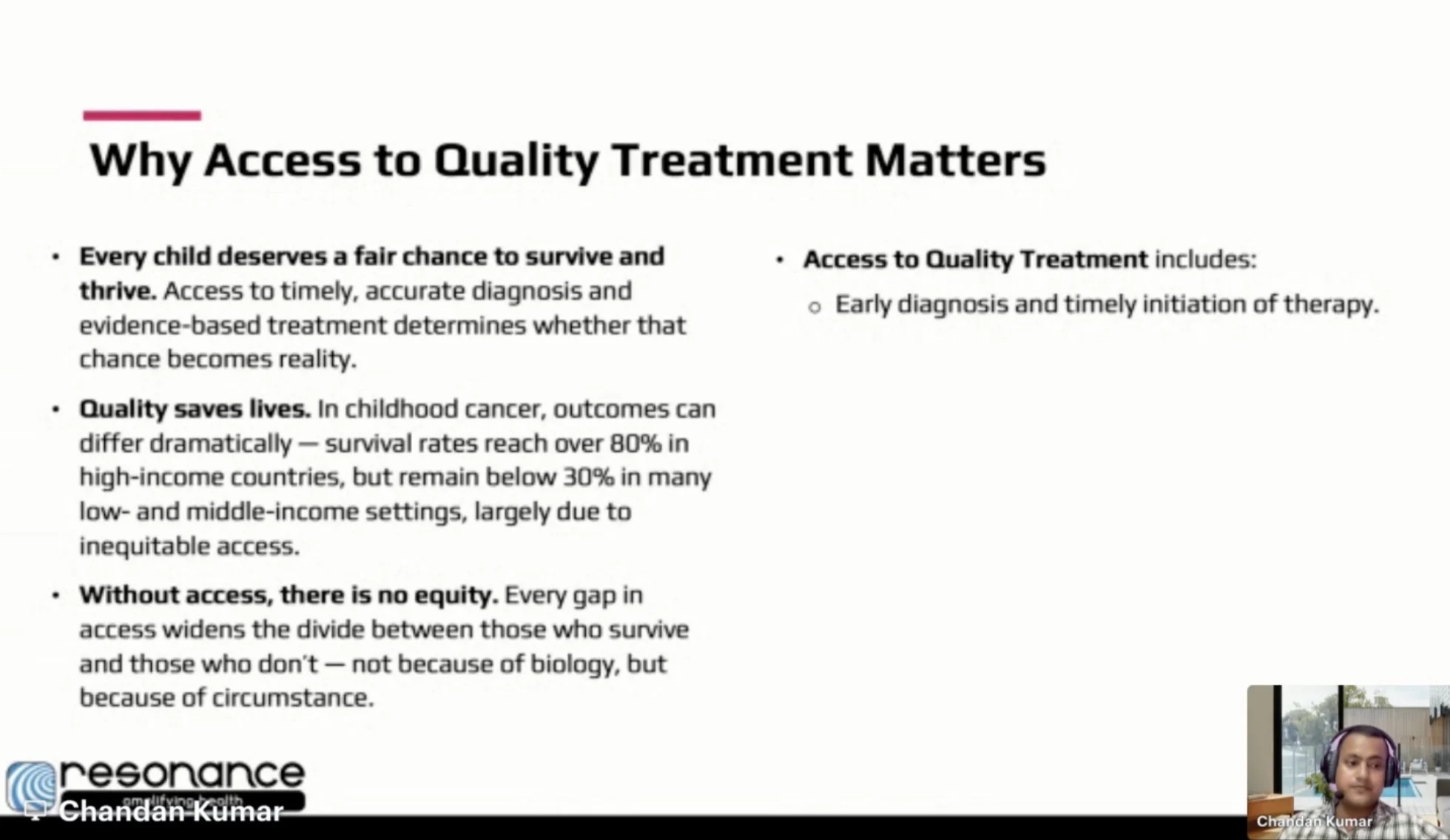
Following the advocacy session, Chandan Kumar from India shared his personal experience of surviving childhood cancer.
His story brought the patient voice directly into the congress, offering a deeply personal perspective on treatment, survivorship and life beyond cancer.
The session served as a reminder that behind every clinical discussion, therapeutic advance and survival statistic is an individual whose experience continues long after treatment ends.
T-ALL: Where Challenges Remain
In a presentation, Kristian Taka, Hematology Resident at Policlinico Tor Vergata in Rome and Clinical Trainee in Pediatric Hematology-Oncology at Bambino Gesù Children’s Hospital, discussed T-cell acute lymphoblastic leukemia.
The session reviewed the current challenges and advances in T-ALL, a disease that continues to require distinct therapeutic considerations within the broader ALL landscape.
The presentation addressed how progress in understanding and treating T-ALL continues alongside efforts to improve outcomes for patients with more difficult-to-treat forms of acute leukemia.
A Decade of Progress in Acute Leukemia in Armenia
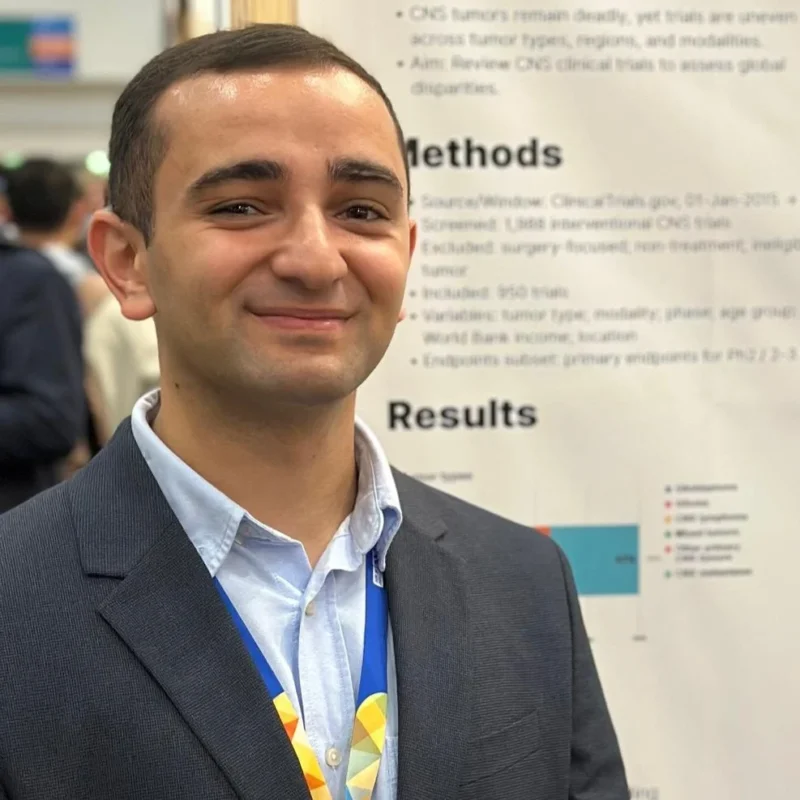
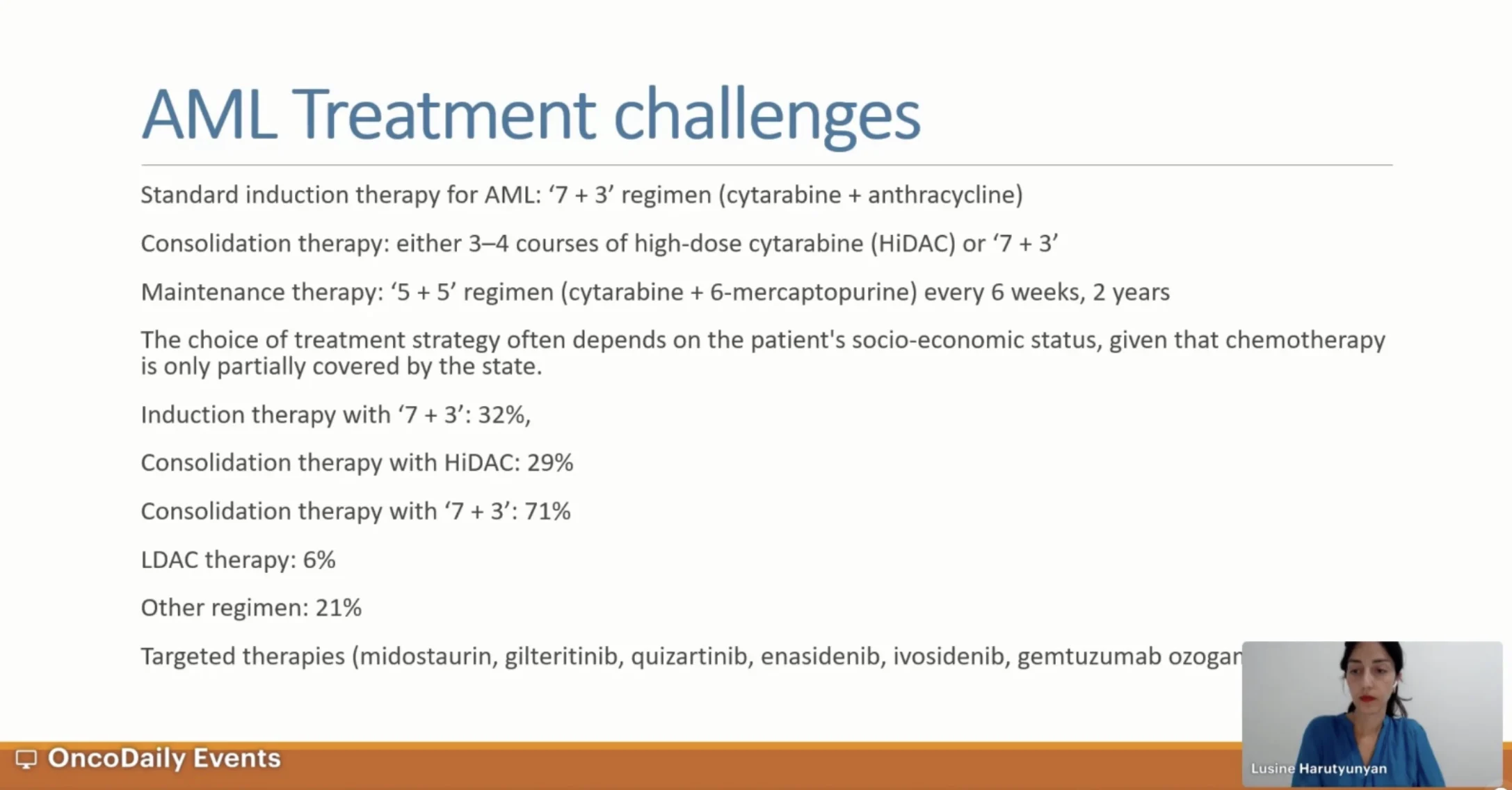
Lusine Harutyunyan, a clinical researcher at the Yeolyan Hematology and Oncology Center in Armenia, presented on the improvement in mortality rates from acute leukemia in Armenia over the past 10 years.
The presentation brought a national perspective to the congress, examining how outcomes in acute leukemia have changed over time in Armenia.
The session added an important population-level dimension to LeukO 2026, highlighting that progress in leukemia care can also be assessed through changes in survival and mortality across healthcare systems over time.
From Telomerase Science to an Approved Medicine
Joseph Eid, Executive Vice President of Research and Development and Chief Medical Officer at Geron, explored the development of Rytelo, tracing its journey from telomerase science to an approved medicine.
The presentation highlighted the long path that can connect an underlying biological concept with drug development, clinical investigation, and eventual therapeutic use.
The session offered a broader look at how translational research can move from understanding cancer biology toward developing new treatment options for patients with hematologic malignancies.
FLT3 and Mutation-Agnostic Strategies in AML
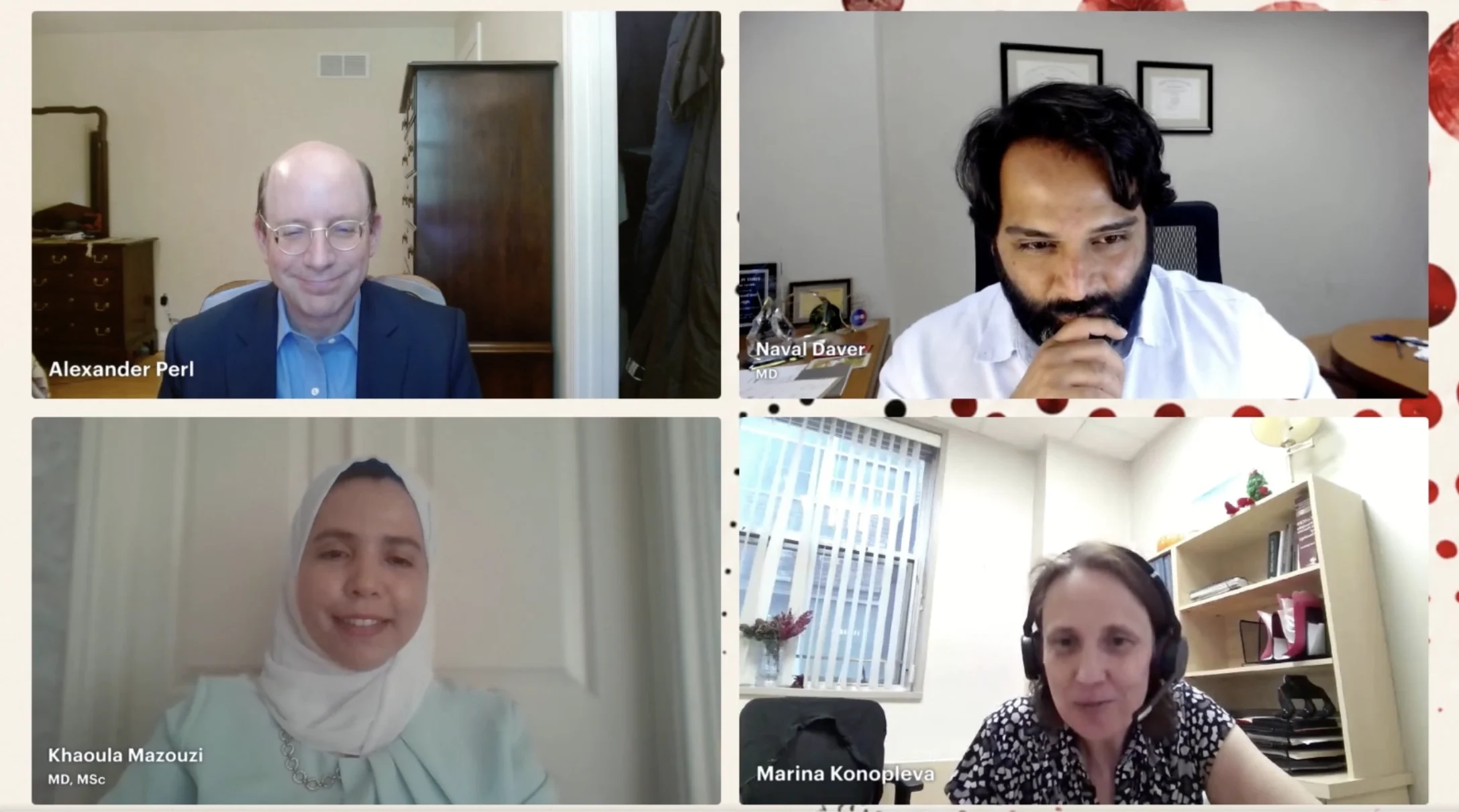
LeukO 2026 concluded with an engaging conversation-style discussion moderated by Khaoula Mazouzi and featuring Alexander Perl and Naval Daver.
The discussion focused on the evolving role of FLT3-directed and mutation-agnostic therapies in acute myeloid leukemia, examining their potential and application across both frontline and relapsed/refractory settings.
The conversation brought together perspectives on how the AML treatment landscape continues to evolve as clinicians gain access to increasingly targeted therapies while also exploring approaches that may benefit broader groups of patients regardless of individual mutation profiles.
As the final scientific discussion of LeukO 2026, the session provided a forward-looking close to the congress, highlighting the continuing effort to refine treatment strategies and improve outcomes across different stages of AML.
Two Days, One Global Conversation on Leukemia
With the conclusion of Day 2, LeukO 2026 brought together perspectives spanning leukemia biology, treatment sequencing, precision medicine, cellular therapy, supportive care, drug development and survivorship.
The programme moved from questions at the forefront of leukemia research to the realities patients and healthcare systems face every day.
Across both days, one message remained clear: improving leukemia outcomes requires more than developing the next therapy. It also requires understanding who should receive it, when to use it, how patients can access it, and how every part of care can work together.
LeukO 2026 concluded after two days of global discussion, bringing together the leukemia community to share knowledge, experience, and perspectives on the future of care.
Read more on OncoDaily: Highlights From LeukO 2026: Global Virtual Congress on Leukemias, Day 1