





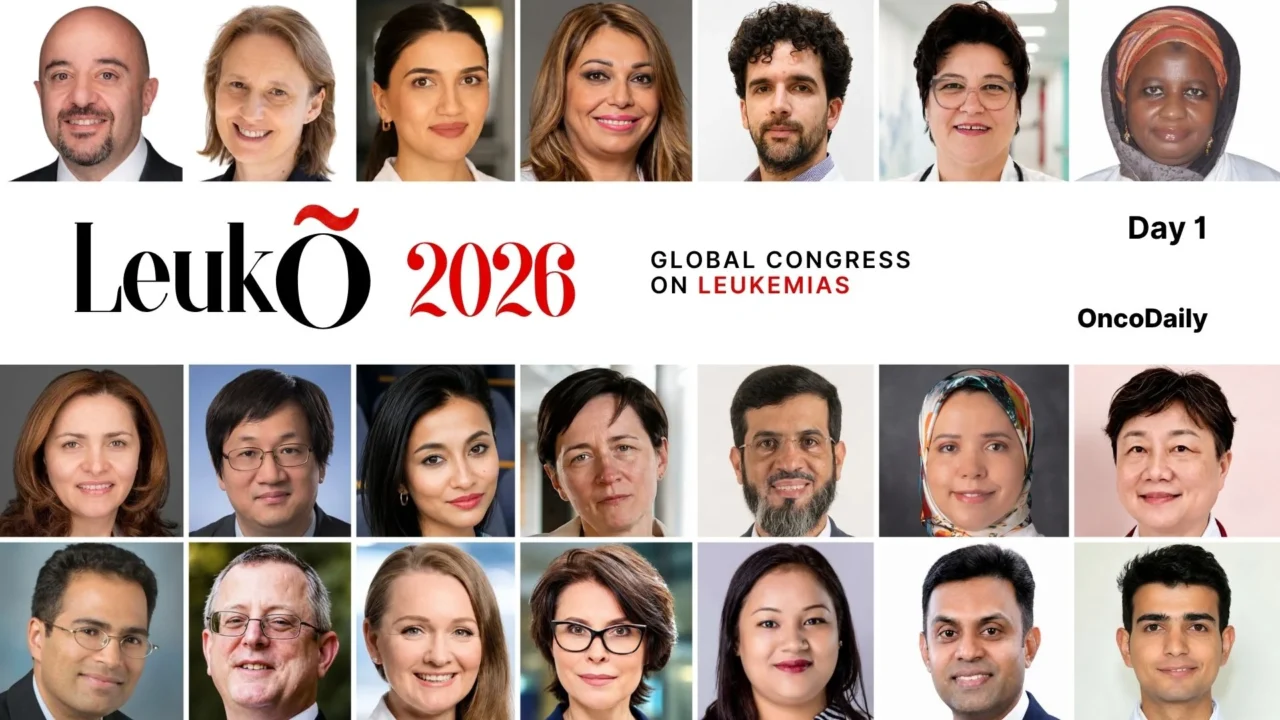
The first day of LeukO 2026: Global Virtual Congress on Leukemias brought together hematologists, oncologists, researchers and other experts from across the world for discussions spanning acute and chronic leukemias, cellular therapies, transplantation and emerging approaches in leukemia care.
The programme combined clinical discussions with global perspectives, addressing not only advances in treatment but also how leukemia is diagnosed and managed across different healthcare settings. From relapsed and refractory acute myeloid leukemia (AML) to treatment-free remission in chronic myeloid leukemia (CML), CAR-T cell therapy and early-phase clinical trials, Day 1 reflected the rapidly evolving landscape of leukemia care.
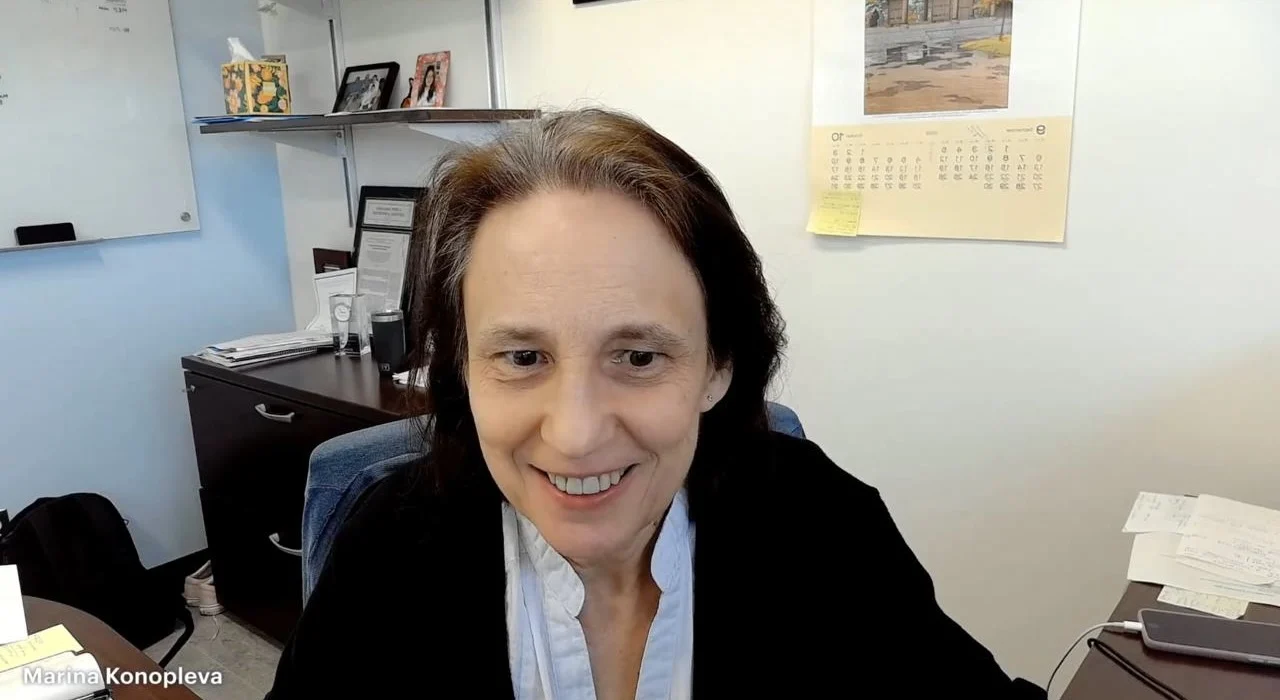
Marina Konopleva, Director of the Leukemia Program at Montefiore Einstein Comprehensive Cancer Center and Co-Director of the Translational Blood Cancer Institute, opened the congress, setting the stage for two days of international discussion on the changing landscape of leukemia care. Her opening remarks introduced a programme focused on emerging therapies, evolving treatment strategies and the practical challenges of improving outcomes for patients with leukemia worldwide.
Relapsed and Refractory AML: Navigating Emerging Treatment Strategies
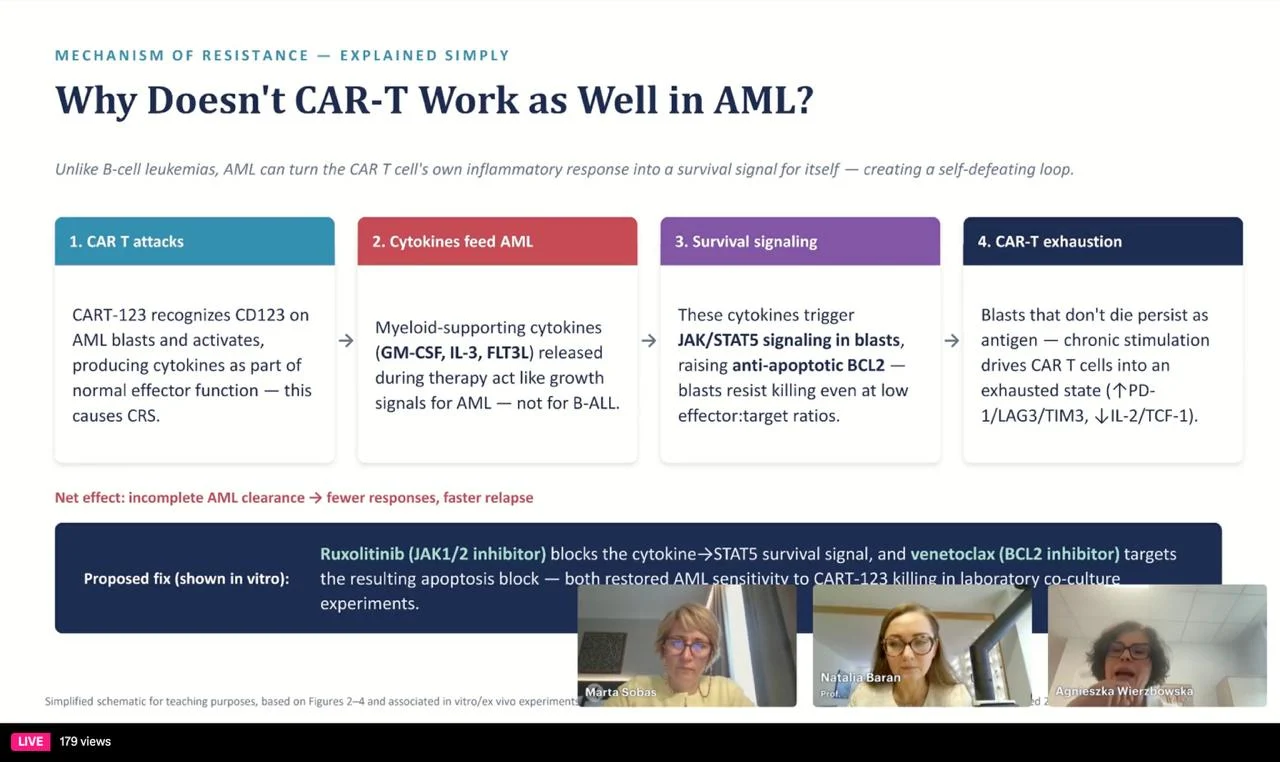
The scientific programme began with a panel discussion on relapsed and refractory acute myeloid leukemia, featuring Natalia Baran, Marta Sobas and Agnieszka Wierzbowska.
The panel explored the continuing therapeutic challenges faced by patients whose AML does not respond to initial treatment or returns after remission. The discussion addressed the growing range of therapeutic strategies being investigated and incorporated into the management of relapsed and refractory disease, alongside the complexity of selecting treatment for a highly heterogeneous patient population.
Recognising Hematological Malignancies Earlier
Sugeeth M. Thambi, Associate Professor in the Department of Medical Oncology at the Regional Cancer Centre in Trivandrum, India, addressed an important question beyond specialist hematology practice: when should a general physician suspect a hematological malignancy?
His session focused on the clinical circumstances that should raise suspicion for an underlying blood cancer and the importance of recognising signs that may warrant further hematological evaluation.
Early recognition remains particularly important because patients with leukemia may initially present outside specialist cancer centres, making awareness among general physicians an important part of the pathway toward timely diagnosis.
How Leukemia Is Treated Across Different Healthcare Settings
One of the recurring themes of Day 1 was that leukemia treatment does not take place in a single universal healthcare environment.
Several speakers shared perspectives on how they approach leukemia in their own countries and clinical settings.
Huyong Zheng, Professor of Pediatrics at Beijing Children’s Hospital and Chairman of the Pediatric Oncology Committee of the Chinese Medical Doctor Association, discussed his approach to treating pediatric AML in China.
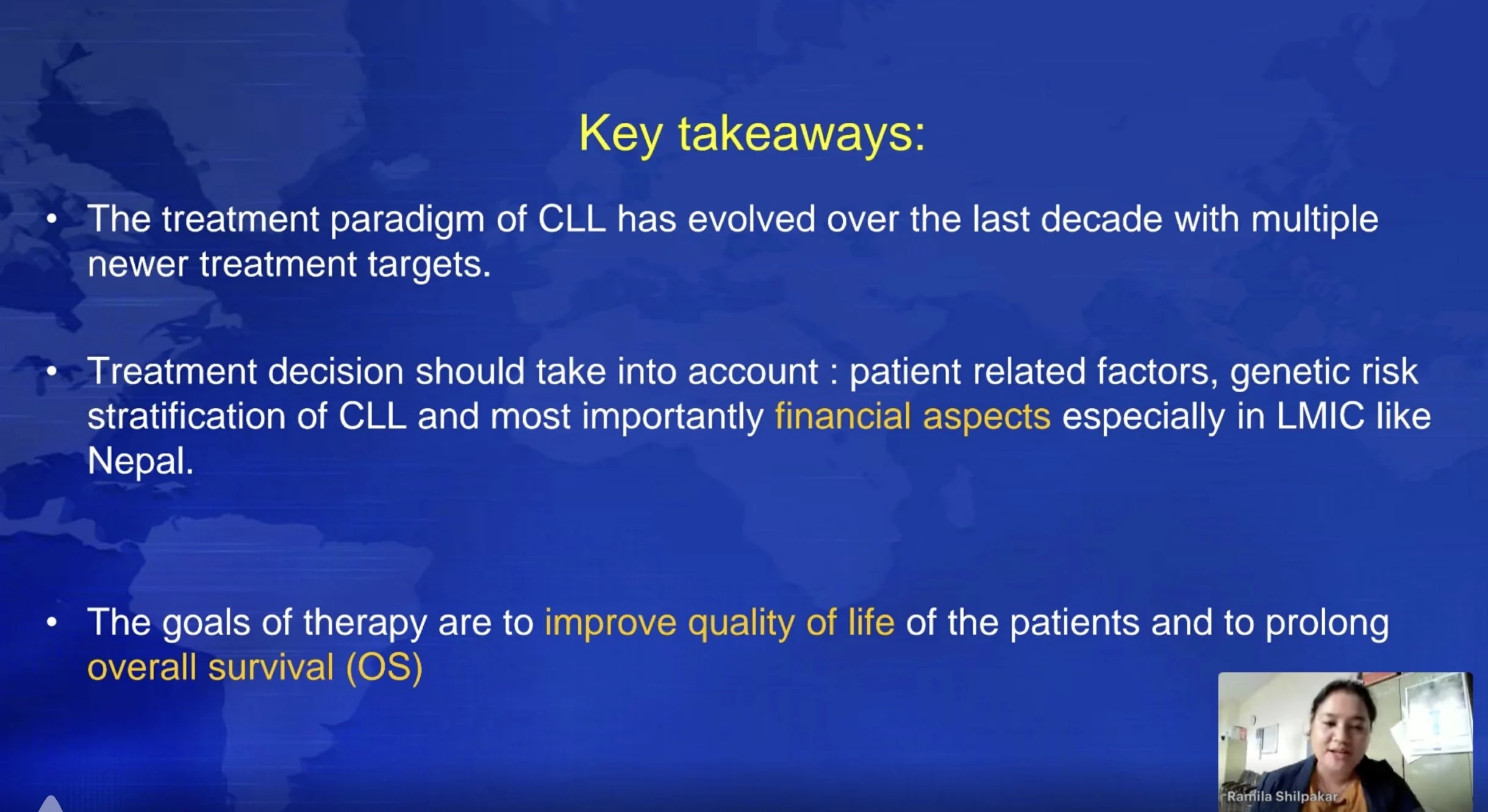
From Nepal, Ramila Shilpakar of the National Academy of Medical Sciences presented her approach to chronic lymphocytic leukemia (CLL), drawing attention in particular to challenges around access to costly therapies, including BTK inhibitors.
She noted:
“Through its programme, The Max Foundation provides zanubrutinib to patients in Nepal, which has helped improve patient survival. Access to expensive medicines remains a major challenge in Nepal, particularly when it comes to treatments such as BTK inhibitors.”
Her remarks highlighted how access to modern therapies can directly shape CLL care and outcomes in resource-constrained settings.
Ahmad Alhuraiji, Consultant Hematologist at the Kuwait Cancer Control Center, discussed how he treats AML in Kuwait, bringing another regional perspective to the management of acute leukemia.
Later in the programme, Anna Avagyan, pediatric hematologist and oncologist at the Pediatric Cancer and Blood Disorders Center of Armenia, focused on a particularly complex clinical scenario. She presented a case of a child with acute lymphoblastic leukemia and Louis-Bar syndrome, highlighting the challenges of treating leukemia in the setting of primary immunodeficiency.
She explained:
“Because of Louis-Bar syndrome, the patient could not be treated with standard chemotherapy courses, and transplantation was also not an option. We therefore decided to treat the child with the immunotherapeutic agent blinatumomab, and we were able to achieve a successful outcome.”
The case illustrated how treatment strategies may need to be adapted when standard chemotherapy and transplantation are not feasible.
Together, these sessions illustrated how the principles of leukemia treatment intersect with patient characteristics, healthcare resources, and local clinical practice.
Preventing a Serious Complication After Allogeneic Transplantation
Zhemal Rakhmanova, pediatric hematologist at the R.M. Gorbacheva Research Institute of Pediatric Oncology, Hematology and Transplantation in Russia, addressed hepatic sinusoidal obstruction syndrome/veno-occlusive disease (SOS/VOD) following allogeneic hematopoietic stem cell transplantation in patients with acute leukemia previously treated with antibody-drug conjugates.
The session examined the determinants associated with this potentially serious post-transplant complication and the importance of identifying factors that may influence its development in this patient population.
Leukemia Epidemiology: One Disease Landscape, Different Regional Realities
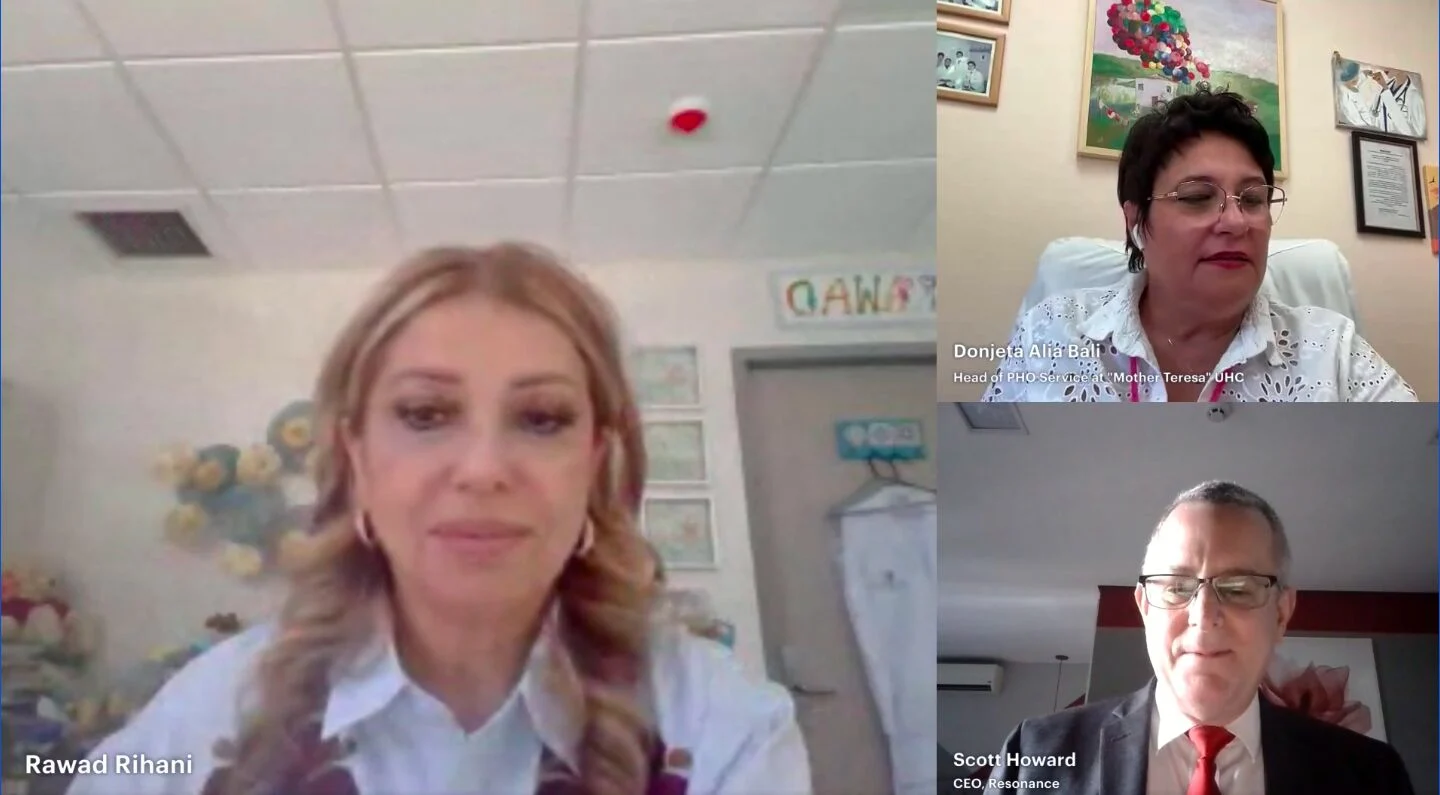
A global perspective continued with a panel discussion featuring Scott Howard, Donjeta Bali and Rawad Rihani, who examined the epidemiology of leukemias across different regions of the world.
The discussion explored not only differences in disease patterns, but also the realities of accessing specialized leukemia care across different healthcare systems.
During the conversation between Donjeta Bali and Scott Howard, the panel highlighted the pathways available when patients in Albania require treatment that is not available locally:
“When patients in Albania need treatment that is not available in the country, they are most commonly referred to Italy, Austria or Greece. For the family, this treatment is provided free of charge.”
Rawad Rihani also discussed capacity-building efforts in Jordan, including programmes designed to strengthen the knowledge and skills of healthcare professionals. He highlighted initiatives that extend beyond Jordan, supporting physicians from countries and regions including Yemen and Gaza through training, mentorship and professional collaboration.
The conversation also emphasized that successful leukemia care extends far beyond anti-cancer treatment alone. In an exchange between Rawad Rihani and Donjeta Bali, they stressed the importance of the full spectrum of supportive and clinical care:
“Every part of cancer care is important, especially in leukemia: from nutrition and hygiene to palliative care and diagnostics.”
Together, the discussion showed that improving leukemia outcomes requires more than access to medicines. It also depends on referral pathways, trained healthcare professionals, strong international collaboration, and attention to every component of patient care.
BCL-2 Inhibition in AML: Progress and Remaining Challenges
Returning to acute myeloid leukemia, Marina Konopleva examined the role of BCL-2 inhibition in AML.
Her presentation focused on both the successes associated with targeting BCL-2 and the challenges that continue to shape this therapeutic strategy.
BCL-2-directed treatment has become an important area of AML research and clinical practice, and the session placed current progress alongside the questions that remain as clinicians seek to improve the depth and durability of treatment responses.
Treatment-Free Remission in CML: How Far Has the Field Come?
For many years, successful management of chronic myeloid leukemia was defined largely by maintaining disease control with long-term therapy. Increasingly, however, another question has become central: can appropriately selected patients safely remain in remission after stopping treatment?
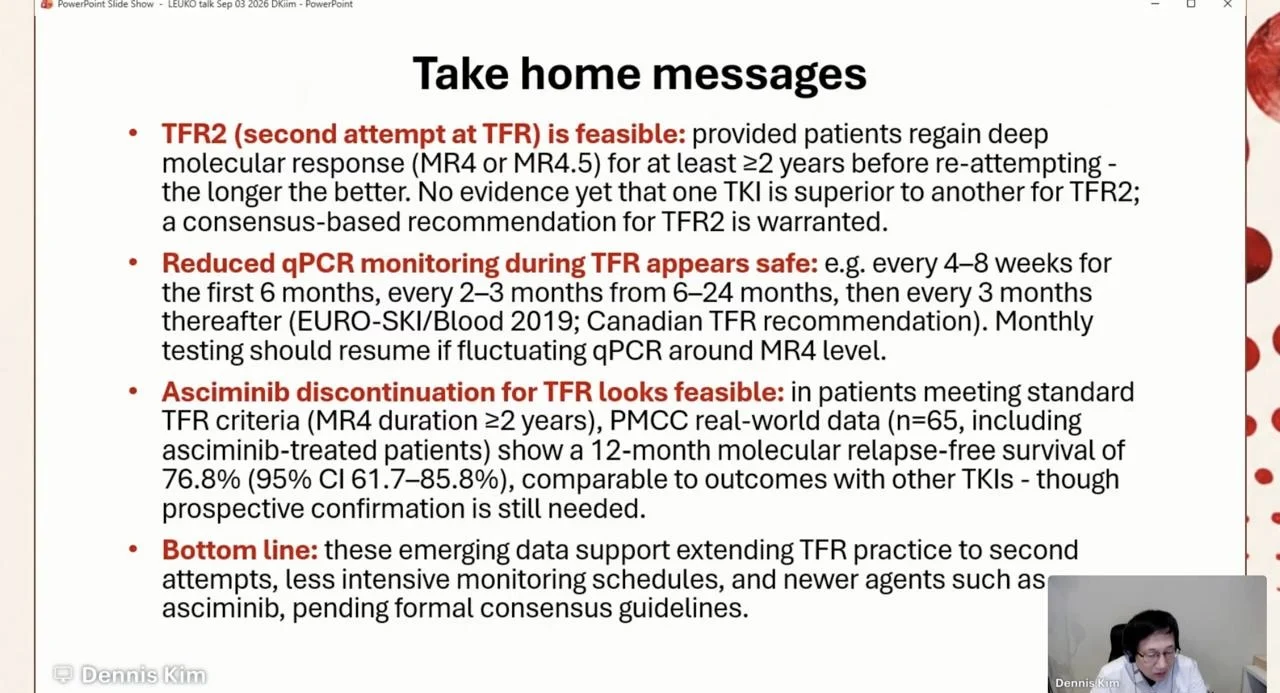
Dennis Kim, President-Elect of Cellular Therapy Transplant Canada and Professor of Medicine at the University of Toronto, discussed treatment-free remission in CML, reviewing where the field currently stands and where it may be heading.
The session addressed the evolving role of treatment discontinuation as a goal of CML management and the clinical considerations surrounding the identification and follow-up of patients in whom treatment-free remission may be pursued.
Cellular Therapy Beyond CAR-T
While CAR-T cell therapy has transformed the conversation around cellular therapies in hematologic malignancies, it represents only one part of a broader and rapidly developing field.
Nelly Bejanyan, Senior Member and Program Leader in Blood and Marrow Transplantation at Moffitt Cancer Center, explored cellular therapies beyond CAR-T.
Her session broadened the discussion beyond the most widely recognised cellular therapy platforms and considered other approaches being developed as researchers seek new ways to harness immune and cellular strategies against blood cancers.
CAR-T in ALL: Who, When and What Comes Next?
The programme then turned specifically to the role of CAR-T cell therapy in acute lymphoblastic leukemia.
Khaoula Mazouzi, Fellow in Stem Cell Transplantation and Cellular Therapy at The University of Texas MD Anderson Cancer Center, examined three central questions surrounding CAR-T in ALL: which patients should receive it, when it should be used, and what may come next for the field.
The session addressed the increasingly important place of cellular therapy within the treatment landscape of ALL and the clinical decision-making required as these therapies become integrated into increasingly complex treatment pathways.
Treating CML in Nigeria: A Local Perspective
Aishatu Maude Suleiman, Professor and Consultant Haematologist at Ahmadu Bello University Teaching Hospital in Zaria, Nigeria, shared her approach to treating chronic myeloid leukemia (CML) in Nigeria.
Her presentation brought another important regional perspective to LeukO 2026, examining the management of CML within the Nigerian healthcare setting and the practical considerations that shape treatment decisions and long-term patient care.
The session complemented the broader global discussions throughout Day 1, highlighting how established principles of CML management are applied within different healthcare systems and clinical environments.
How Early-Phase Trials Are Redefining Leukemia Treatment
Many of today’s established leukemia treatments began with questions tested in early-phase clinical trials.
Naveen Pemmaraju, Professor in the Department of Leukemia at The University of Texas MD Anderson Cancer Center, discussed how early-phase clinical trials are redefining leukemia treatment.
His presentation focused on the role of early clinical development in bringing new therapeutic strategies into leukemia care and the importance of these studies in evaluating novel agents, combinations, and treatment concepts.
The session underscored how rapidly leukemia drug development continues to evolve, with early-phase research serving as an important bridge between scientific discovery and future clinical practice.
Can We Change the Course of Lower-Risk MDS?
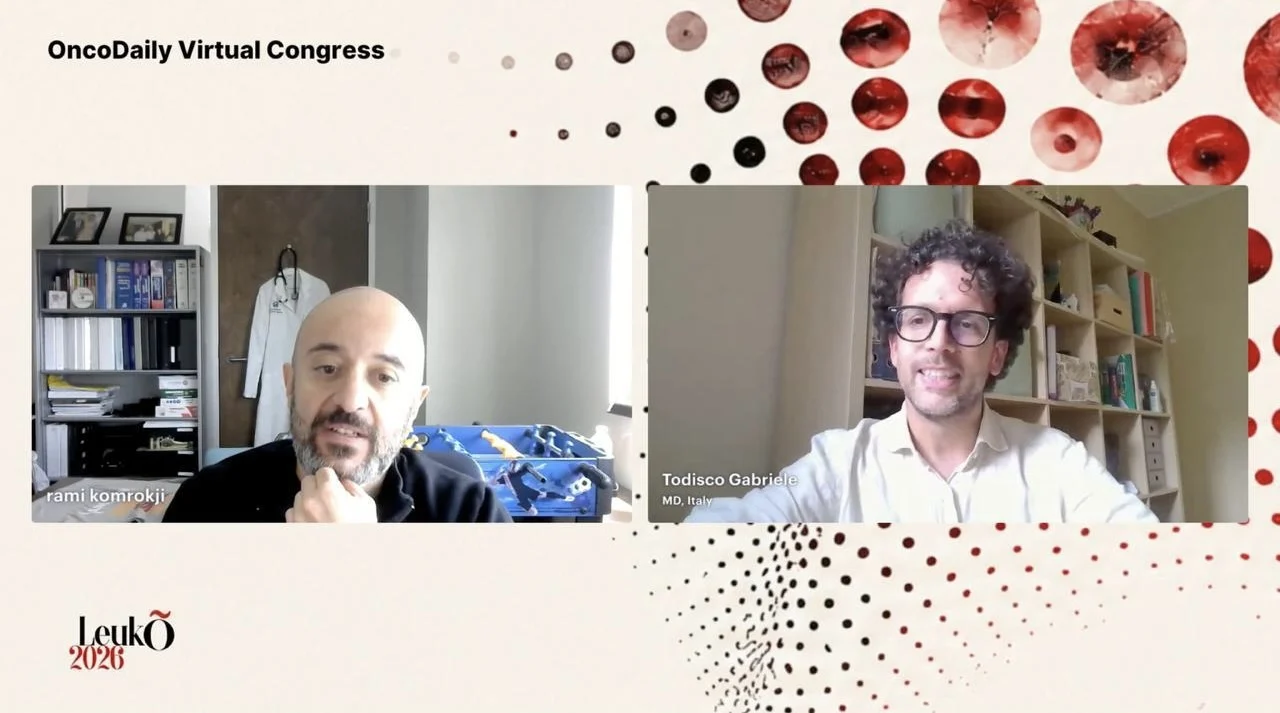
Day 1 concluded with an “In Conversation” discussion between Rami Komrokji, Vice Chair of the Department of Malignant Hematology at Moffitt Cancer Center, and Gabriele Todisco, Assistant Professor at Humanitas Cancer Center and Humanitas University.
Their conversation centred on a forward-looking question: Can we change the course of lower-risk myelodysplastic syndromes (MDS)?
The discussion addressed the evolving approach to lower-risk MDS and the broader shift from managing disease consequences toward exploring strategies that may influence the natural history of the disease itself.
A Global Conversation on the Future of Leukemia Care
Across its first day, LeukO 2026 moved between some of the most established challenges in leukemia and some of the field’s newest therapeutic directions.
Relapsed AML, treatment-free remission in CML, CAR-T therapy, transplantation complications, artificial intelligence and early drug development were discussed alongside regional approaches to treating leukemia in China, Nepal, Kuwait and Armenia.
Together, the sessions highlighted a central reality of modern leukemia care: progress is being driven not by a single treatment or technology, but by advances across diagnosis, targeted therapy, transplantation, cellular therapy, clinical trials and increasingly personalised treatment strategies.
LeukO 2026 continues on September 4 with the second day of discussions on leukemia research, treatment and patient care.