





Nivolumab plus AVD (doxorubicin, vinblastine, dacarbazine) reduced progression or death in advanced classical Hodgkin lymphoma (cHL) and has become a frontline standard of care. About a quarter of the randomized patients were adolescents.
Programmed death 1 (PD-1) are also used in relapsed Hodgkin lymphoma, primary mediastinal B-cell lymphoma (PMBCL), and anaplastic large cell lymphoma (ALCL). Activity differs between subtypes, following programmed death ligand 1 (PD-L1) expression, tumor genetics, and the immune microenvironment.
A review in Haematologica by David J. Hoogstra and colleagues assesses the evidence for checkpoint inhibition in pediatric and adolescent lymphomas: nivolumab and pembrolizumab in Hodgkin lymphoma, newer applications in PMBCL and ALCL, and the limited experience in other mature B-cell and T/natural killer-cell malignancies.
Biological Rationale for Immune Checkpoint Inhibition in Pediatric Lymphoma
Immune checkpoint inhibitors restore antitumor T-cell activity by blocking the inhibitory pathways malignant cells use to evade immune surveillance. The two most extensively studied targets are PD-1 and cytotoxic T-lymphocyte-associated antigen 4 (CTLA-4). PD-1 inhibitors, including nivolumab and pembrolizumab, interrupt signaling through PD-L1 and PD-L2, allowing suppressed T cells to recover antitumor function. CTLA-4 inhibitors act during T-cell activation by preventing inhibitory interactions between CTLA-4 and B7 molecules on antigen-presenting cells.
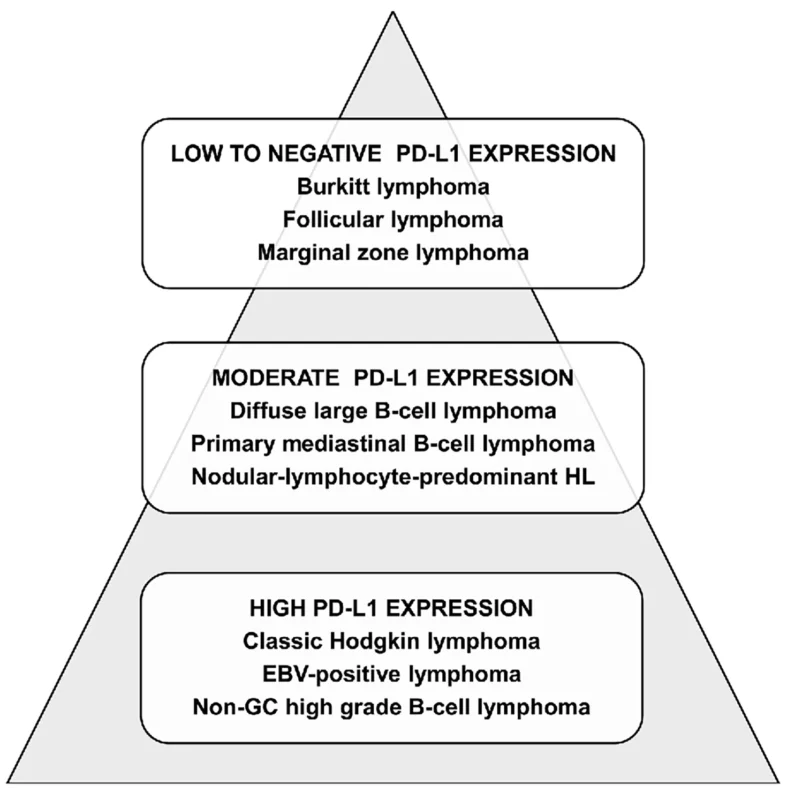
PD-L1 expression on malignant cells and infiltrating immune cells, together with activated T cells in the tumor microenvironment, appears particularly relevant to sensitivity. cHL has the strongest biological and clinical evidence for PD-1 blockade. Hodgkin Reed-Sternberg cells frequently carry chromosome 9p24.1 gains or amplifications involving CD274 and PDCD1LG2, which encode PD-L1 and PD-L2. These alterations promote immune evasion and account for the characteristic sensitivity of cHL to PD-1 inhibitors. Related abnormalities occur in PMBCL. PD-L1 expression is more heterogeneous in other pediatric lymphomas.
haematologica.org
Hodgkin Lymphoma: Checkpoint Inhibitors in Relapsed and Refractory Disease
Survival in pediatric Hodgkin lymphoma exceeds 90% in many contemporary treatment settings, but chemotherapy and radiotherapy can cause late complications: secondary malignancies, cardiovascular and pulmonary disease, endocrine dysfunction, infertility, and persistent fatigue. Checkpoint inhibitors have been tested both to improve outcomes after relapse and to reduce exposure to treatments with long-term morbidity.
The phase II CheckMate 744 trial (AHOD1721), conducted by the Children’s Oncology Group and EuroNet, evaluated response-adapted brentuximab vedotin plus nivolumab in children, adolescents, and young adults aged 5-30 years with relapsed/refractory cHL.
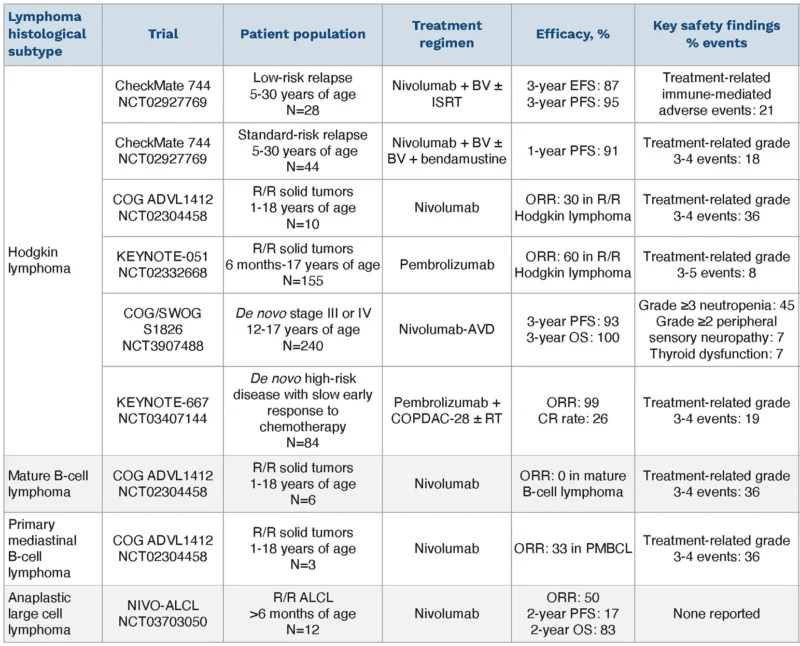
In the low-risk relapse cohort, four cycles of brentuximab vedotin plus nivolumab produced complete metabolic remission in 23 of 28 patients (82%). Patients without complete metabolic remission received additional brentuximab vedotin plus bendamustine. Overall, 93% achieved complete metabolic remission before consolidative radiotherapy, without ASCT. Three-year EFS was 87% and PFS 95%. These results back up a transplant-free approach for selected patients with low-risk relapse, and no randomized comparison with transplantation-based strategies exists.
In the standard-risk relapse cohort, 23 of 43 patients (59%) achieved complete metabolic remission after four induction cycles. Response-adapted intensification with brentuximab vedotin and bendamustine raised the overall complete metabolic remission rate to 94% before autologous transplantation, and one-year PFS was 91%. PD-1-based salvage combinations produced deep responses before consolidation in both groups, with radiotherapy as consolidation in low-risk relapse and autologous transplantation in standard-risk relapse.
Nivolumab Plus AVD: A Frontline Standard for Advanced Hodgkin Lymphoma
The randomized phase III S1826 trial enrolled adolescents and adults with stage III or IV cHL, including patients aged 12-17 years (about 24% of participants). Participants received six cycles of AVD combined with either nivolumab or brentuximab vedotin.
Two-year PFS was 92% with nivolumab plus AVD and 83% with brentuximab vedotin plus AVD. Treatment discontinuation was lower with nivolumab (9.4% vs 22.2%). Among adolescent participants, subsequently reported three-year PFS and OS were 93% and 100%. Fewer than 1% of participants in either arm received consolidative radiotherapy. Favorable disease control, lower discontinuation, and almost no radiotherapy have made nivolumab plus AVD a frontline standard for advanced-stage cHL in adolescents and adults, with no increase in chemotherapy intensity.
Reducing Chemotherapy and Radiation in Lower-Risk Hodgkin Lymphoma
In lower-risk disease, ongoing studies use PD-1 inhibition to reduce chemotherapy and radiation exposure. A North American Hodgkin Consortium phase II study enrolled adolescents and adults older than 16 years with newly diagnosed cHL. Patients with non-bulky stage I or II disease and complete metabolic remission after two cycles of ABVD were randomized to additional ABVD followed by nivolumab consolidation, or to three cycles of brentuximab vedotin plus nivolumab.
Two-year PFS was 100% in both groups, in small cohorts. Patients with bulky disease and an early complete metabolic response received additional ABVD and nivolumab consolidation, with two-year PFS of 86%. Those without an early complete metabolic response received intensified brentuximab vedotin-containing chemotherapy followed by nivolumab, with two-year PFS of 77%.
The ongoing phase III AHOD2131 trial compares brentuximab vedotin plus nivolumab with conventional chemotherapy in children and adults aged 5-60 years with newly diagnosed stage I or II cHL. Patients are stratified by favorable or unfavorable baseline characteristics and by metabolic response after two cycles of ABVD. Rapid early responders are randomized to brentuximab vedotin plus nivolumab or additional conventional chemotherapy, with treatment intensity set by initial risk. Slow early responders are randomized against more intensive chemotherapy regimens and receive involved-site radiotherapy.
The ongoing KEYNOTE-667 trial adds pembrolizumab to consolidation chemotherapy in children and young adults with high-risk cHL and a slow early response. Interim findings showed end-of-treatment PET negativity in 27 of 42 patients (64%), and the incremental benefit of pembrolizumab is not yet established.
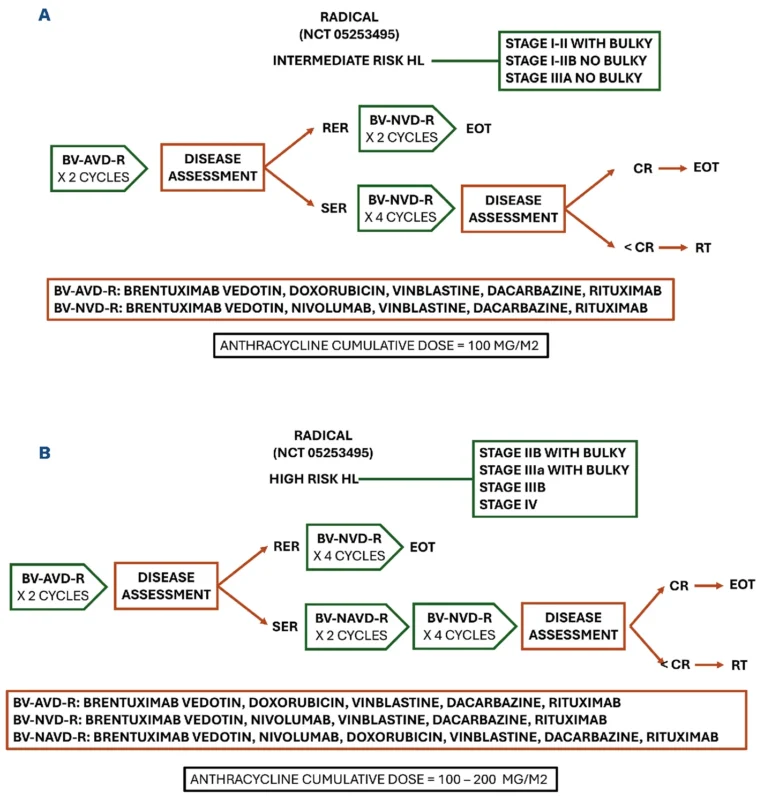
The investigator-initiated RADICAL study uses nivolumab to replace part of the anthracycline exposure in intermediate- and high-risk cHL. Across 50 patients treated with the reported approach, including 20 enrolled in RADICAL, all achieved complete remission and only four required radiotherapy. Investigators reported 100% EFS and OS at a median follow-up exceeding 90 months (range, 2-159). The small prospective RADICAL cohort and the heterogeneous follow-up limit conclusions about long-term efficacy and late toxicity.
Mature B-Cell Lymphomas: Variable Sensitivity to Checkpoint Inhibition
Burkitt lymphoma and diffuse large B-cell lymphoma (DLBCL) account for most pediatric non-Hodgkin lymphomas. Intensive chemotherapy, with rituximab added for selected high-risk patients, produces excellent survival in newly diagnosed disease, but outcomes are poorer after relapse or primary treatment failure, which creates a need for effective immunotherapy.
The biological rationale for PD-1 inhibition is less consistent than in Hodgkin lymphoma. Burkitt lymphoma generally shows little or no PD-L1 expression. DLBCL is more heterogeneous, with higher expression in specific subtypes, including Epstein-Barr virus (EBV)-associated disease and tumors with chromosome 9p24.1 alterations.
Clinical evidence is limited. In the phase I/II ADVL1412 trial, of children with relapsed/refractory solid tumors and lymphomas, none of the three patients with Burkitt lymphoma or three with DLBCL achieved complete remission. Burkitt lymphoma, germinal center B-cell-like DLBCL, and B- and T-lymphoblastic lymphomas are comparatively unlikely to benefit from PD-1-directed treatment, based on their biology and the available evidence.
Current pediatric research combines PD-1 blockade with tumor-associated antigen-specific T cells, the lymphocyte activation gene-3 inhibitor relatlimab, and the hypomethylating agent decitabine. For most pediatric mature B-cell lymphomas, checkpoint inhibition remains investigational, and stronger clinical evidence supports other immunotherapies, including bispecific antibodies, antibody-drug conjugates, and cellular therapies.
Primary Mediastinal B-Cell Lymphoma
PMBCL mainly affects adolescents and young adults and shares several biological features with cHL. Chromosome 9p24.1 amplification, JAK-STAT signaling abnormalities, and increased PD-L1 expression provide the rationale for checkpoint inhibition.
Outcomes with conventional chemotherapy are variable. In a prospective international study of 46 pediatric patients treated with dose-adjusted EPOCH-R, EFS was 69.6% (95% confidence interval, 55.2-80.9%), and retrospective pediatric studies have reported EFS of 81-84%. About 15-30% of patients relapse or have primary refractory disease, with unfavorable outcomes.
Pembrolizumab is active in adults with relapsed/refractory PMBCL. The phase Ib KEYNOTE-013 and phase II KEYNOTE-170 trials reported objective response rates of 48% and 45% and complete response rates of 33% and 13%. At a median follow-up of 48.7 months, KEYNOTE-170 showed durable remissions: all 11 patients with complete response remained in remission without further treatment.
These results, with pediatric safety data, supported FDA approval of pembrolizumab for adults and children with refractory PMBCL or relapse after at least two prior lines. Nivolumab plus brentuximab vedotin is also active in previously treated PMBCL: in a phase II study of 29 adults, the objective response rate was 73.3% and the complete response rate 37%, with 24-month PFS of 55.5% and OS of 75.5%.
The major ongoing development is in frontline treatment. The randomized phase III ANHL1931 trial (NCT04759586) adds nivolumab to chemoimmunotherapy in patients aged two years or older with newly diagnosed PMBCL. Participants received dose-adjusted EPOCH-R or R-CHOP by physician preference and were randomized to chemotherapy with or without nivolumab. Enrollment was completed in May 2025, and the results are expected in early 2027.
Anaplastic Large Cell Lymphoma
ALCL accounts for about 10-15% of newly diagnosed pediatric non-Hodgkin lymphomas, and more than 95% of pediatric cases express anaplastic lymphoma kinase (ALK), most commonly through the NPM::ALK fusion. The fusion protein drives proliferation through JAK-STAT, PI3K-AKT, and RAS-MAPK signaling.
ALK-positive ALCL also shows endogenous antitumor immunity. NPM::ALK can induce circulating anti-ALK antibodies, and high titers at diagnosis (commonly defined as greater than 1:750) are associated with a lower relapse risk after conventional chemotherapy. PD-L1 expression has been reported in 76-100% of ALK-positive ALCL specimens, and higher expression is associated with poorer prognosis in pediatric cohorts. A malignancy with both an endogenous immune response and mechanisms of immune suppression is a plausible target for PD-1 blockade.
Several case reports described complete responses to PD-1 inhibitors in heavily pretreated patients with ALK-positive ALCL. The European NIVO-ALCL trial then evaluated nivolumab in relapsed/refractory ALK-positive ALCL: the early overall response rate was 50%, but two-year PFS was only 17%. A consolidation cohort, for patients in second or subsequent remission after brentuximab vedotin or ALK inhibitor treatment, closed early when relapses triggered predefined stopping rules. Nivolumab is active in ALK-positive ALCL, but as monotherapy it does not give durable disease control to many patients.
The ACCELERATE ALCL trial, initiated in 2025, evaluates nivolumab-containing, risk-adapted reinduction followed by reduced-toxicity conditioning and allogeneic stem cell transplantation in children, adolescents, and young adults with high-risk relapsed/refractory ALK-positive ALCL. It pairs checkpoint inhibition with potentially curative consolidation, reflecting the limited durability of single-agent remissions.
Aggressive NK/T-Cell Lymphomas: EBV-Associated Disease and Checkpoint Inhibition
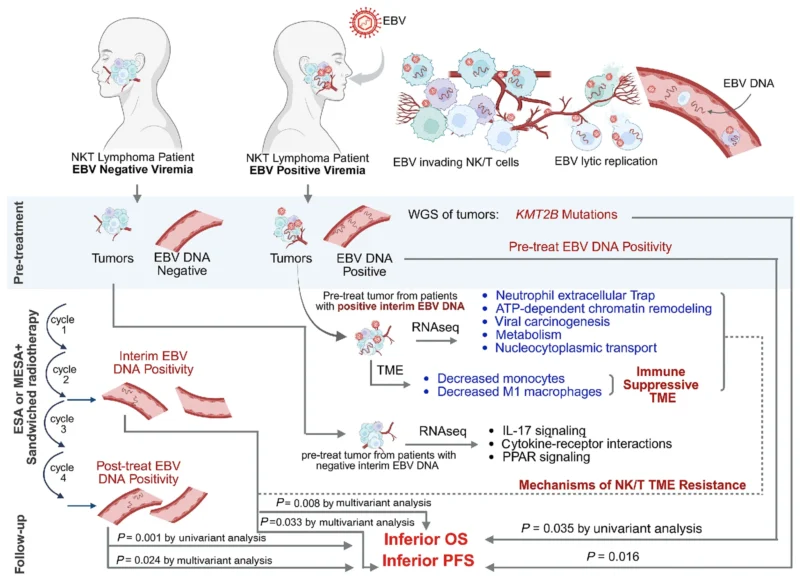
Aggressive natural killer-cell leukemia/lymphoma is rare, frequently EBV-associated, and has limited pediatric treatment evidence. EBV contributes to transformation through several signaling pathways, including mechanisms that increase PD-L1 expression. Molecular studies have identified a TSIM subtype with JAK-STAT pathway alterations and amplification of loci involving PD-L1 and PD-L2.
Detectable plasma EBV DNA is associated with disease activity, dissemination, and treatment response, and persistent viremia after therapy correlates with inferior response and survival. EBV DNA monitoring therefore tracks disease activity, but circulating EBV DNA is not an established biomarker for predicting benefit from checkpoint inhibitors.
Most treatment evidence comes from adults with relapsed/refractory extranodal NK/T-cell lymphoma. A systematic review of 14 publications on pembrolizumab reported an objective response rate of 84.5% and a complete response rate of 61%, with disease-free survival ranging from two to 48 months. These estimates come from heterogeneous, largely small studies and cannot be extrapolated directly to pediatric aggressive NK-cell leukemia.
In children and young adults, the NCT03719105 study gives pembrolizumab to patients who fail to reach complete remission after induction with daratumumab plus modified SMILE chemotherapy, before planned allogeneic transplantation. The aim is adequate disease control for consolidation in a malignancy with few established options.
Peripheral T-Cell Lymphoma: Limited Pediatric Clinical Evidence
Peripheral T-cell lymphoma, not otherwise specified (PTCL-NOS), is exceptionally rare in children, and treatment recommendations are largely extrapolated from adult studies. Reported PD-L1 expression ranges from about 40% to nearly 100% across cohorts, depending on the immunohistochemical threshold. The microenvironment may influence sensitivity: adult studies associate B-cell and dendritic-cell gene-expression signatures with more favorable outcomes, and macrophage-rich tumors with poorer prognosis and higher PD-L1 and PD-L2 expression.
Pediatric clinical evidence consists of isolated cases. The review describes two children with refractory disease treated with nivolumab, one with complete remission and one with a very good partial response. Pediatric tumors and their immune microenvironments have not been characterized well enough for checkpoint inhibitors to enter standard treatment.
Open Aspects: Late Toxicity, Biomarkers, and Relapse After PD-1 Exposure
Checkpoint inhibitor development in pediatric lymphoma has two objectives: better disease control in treatment-resistant malignancies, and lower long-term toxicity in highly curable disease. In Hodgkin lymphoma, randomized evidence supports frontline nivolumab-based treatment for advanced-stage disease, and ongoing studies address chemotherapy reduction, radiation avoidance, and transplant-free approaches in selected relapses. ANHL1931 results in PMBCL are expected in early 2027. In ALCL and EBV-associated NK/T-cell malignancies, development focuses on remission in refractory disease and access to curative consolidation.
PD-L1 expression and 9p24.1 alterations give useful biological context, but sensitivity also depends on antigen presentation, immune-cell infiltration, and interactions within the microenvironment, and no biomarker reliably predicts response. CTLA-4 inhibition and newer targets, including LAG-3, TIM-3, and TIGIT, have only preliminary evidence in pediatric lymphoma. As more children and adolescents receive PD-1 inhibitors in frontline treatment, relapse after PD-1 exposure becomes a new consideration, and effective salvage strategies for it are not yet identified.
Watch more on OncoDaily TV