Key takeaways
- EGFR-mutated NSCLC is not a single disease entity; exon 19 deletions, L858R, uncommon point mutations, and exon 20 insertions can have different therapeutic implications.
- Real-time PCR and NGS both have important roles in EGFR testing: PCR is fast and sensitive for common mutations, while NGS provides broader detection of rare and low-level alterations.
- Osimertinib has become a central therapy across multiple stages of EGFR-mutated NSCLC, from metastatic first-line treatment to adjuvant and post-chemoradiotherapy settings.
- Immunotherapy generally performs poorly in classical EGFR-mutated NSCLC regardless of high PD-L1 expression, making targeted therapy the preferred approach.
- Resistance to EGFR-TKIs is expected over time, making re-biopsy and repeat molecular testing at progression important for identifying new resistance mechanisms and emerging treatment options.
At the Community Oncology Global Congress (COGC 2026), organized by OncoDaily, Samvel Bardakhchyan, Scientific Director of the Immune Oncology Research Institute (IMMONC), presented a detailed overview of EGFR-mutated non-small cell lung cancer (NSCLC), moving from molecular testing and the evolution of EGFR-targeted therapy to uncommon mutations, resistance mechanisms, and emerging treatment strategies.
His presentation reflected how far the field has moved beyond simply identifying whether EGFR is mutated. Today, the specific alteration, the method used to detect it, the disease setting, CNS involvement, and the mechanisms that emerge under treatment pressure can all influence therapeutic decisions.
EGFR Is Not a Single Molecular Entity
“Non-small cell lung cancer accounts for approximately 85% of lung cancers, and within NSCLC we see a number of important oncogenic alterations.
The most common are KRAS mutations, which occur in approximately 30% of cases. Around 12% are KRAS G12C mutations, while the remainder include alterations such as G12D, G12V, G12R, and others.
EGFR mutations are another major group, although their prevalence varies considerably between populations. They are more common in Asian populations and less frequent in Western populations, with an overall prevalence of approximately 15% to 20% in NSCLC.
Other important oncogenic alterations include BRAF mutations, MET alterations, HER2 mutations, ALK fusions, RET fusions, ROS1 fusions, and NTRK fusions.
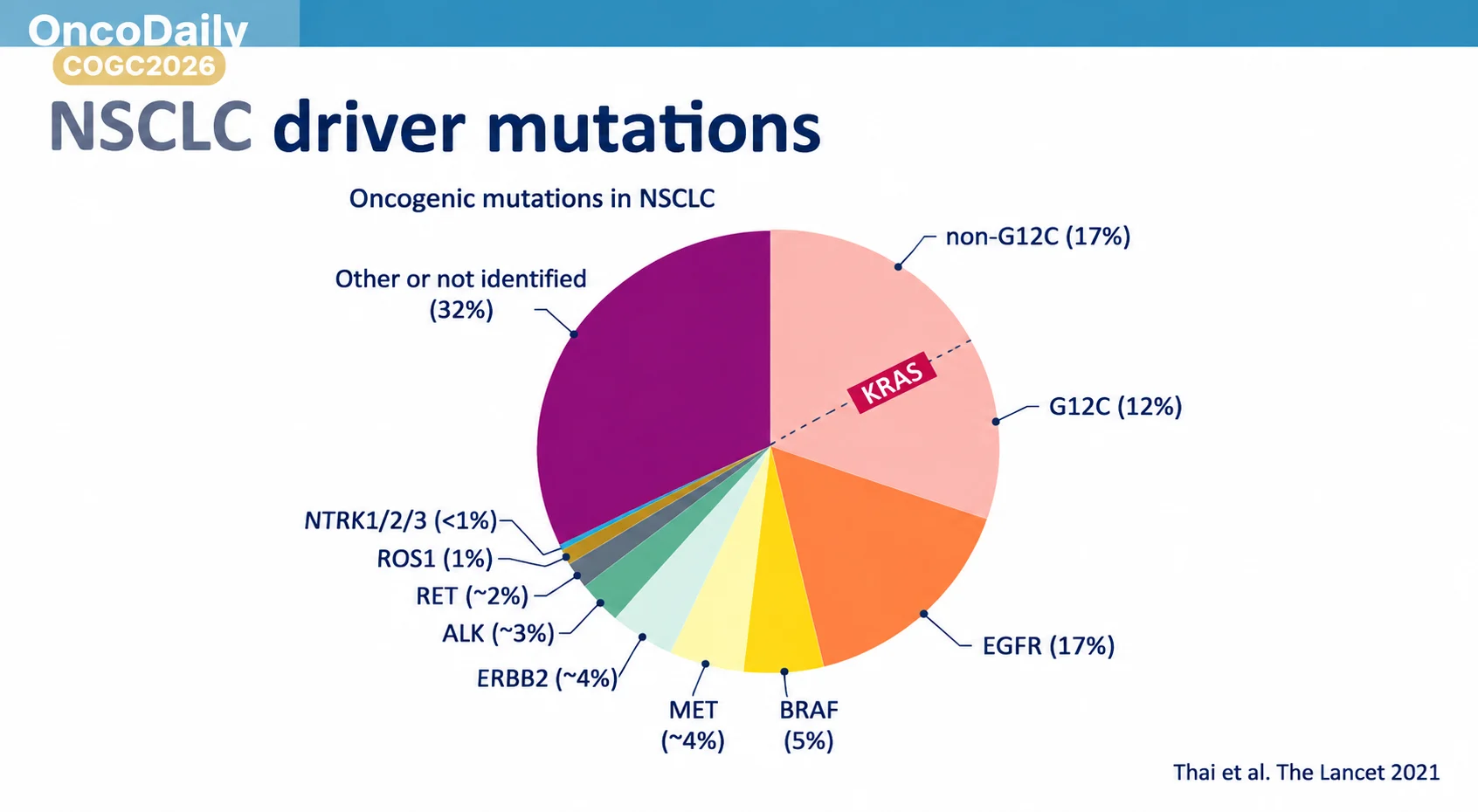
Within this broader molecular landscape, EGFR represents one of the most established targetable drivers in lung cancer. But EGFR itself is not a single mutation. It is a group of alterations with different biological and therapeutic implications.
The most common subtype is the EGFR exon 19 deletion, accounting for approximately half of EGFR-mutated cases. Around 40% are exon 21 L858R mutations, while the remaining group includes less common alterations such as G719X, L861Q, S768I, exon 20 insertions, complex mutations, and other rare variants.
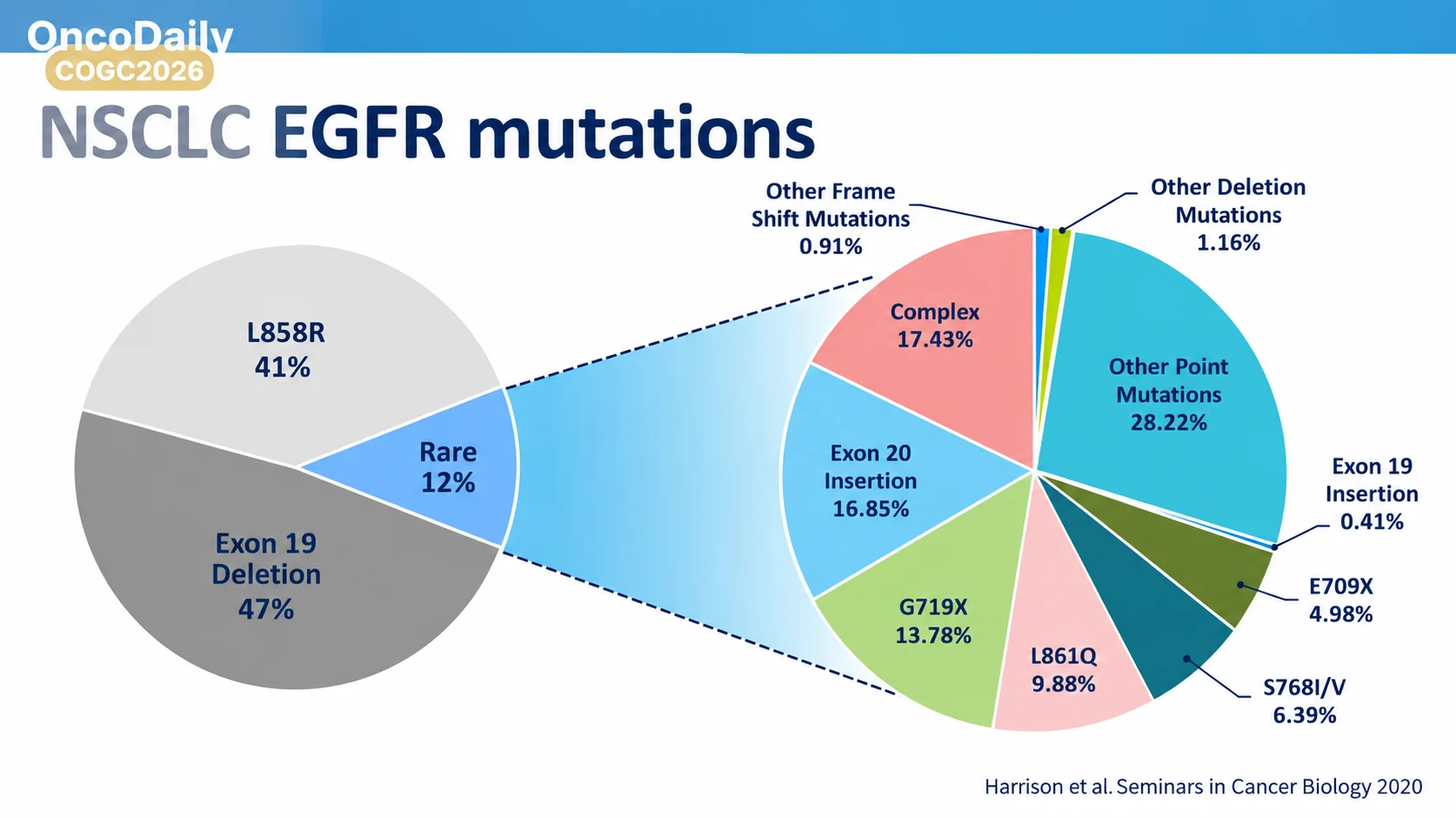
That distinction matters because these mutations do not all respond in the same way to the same drugs.”
Choosing the Right Test: PCR or NGS?
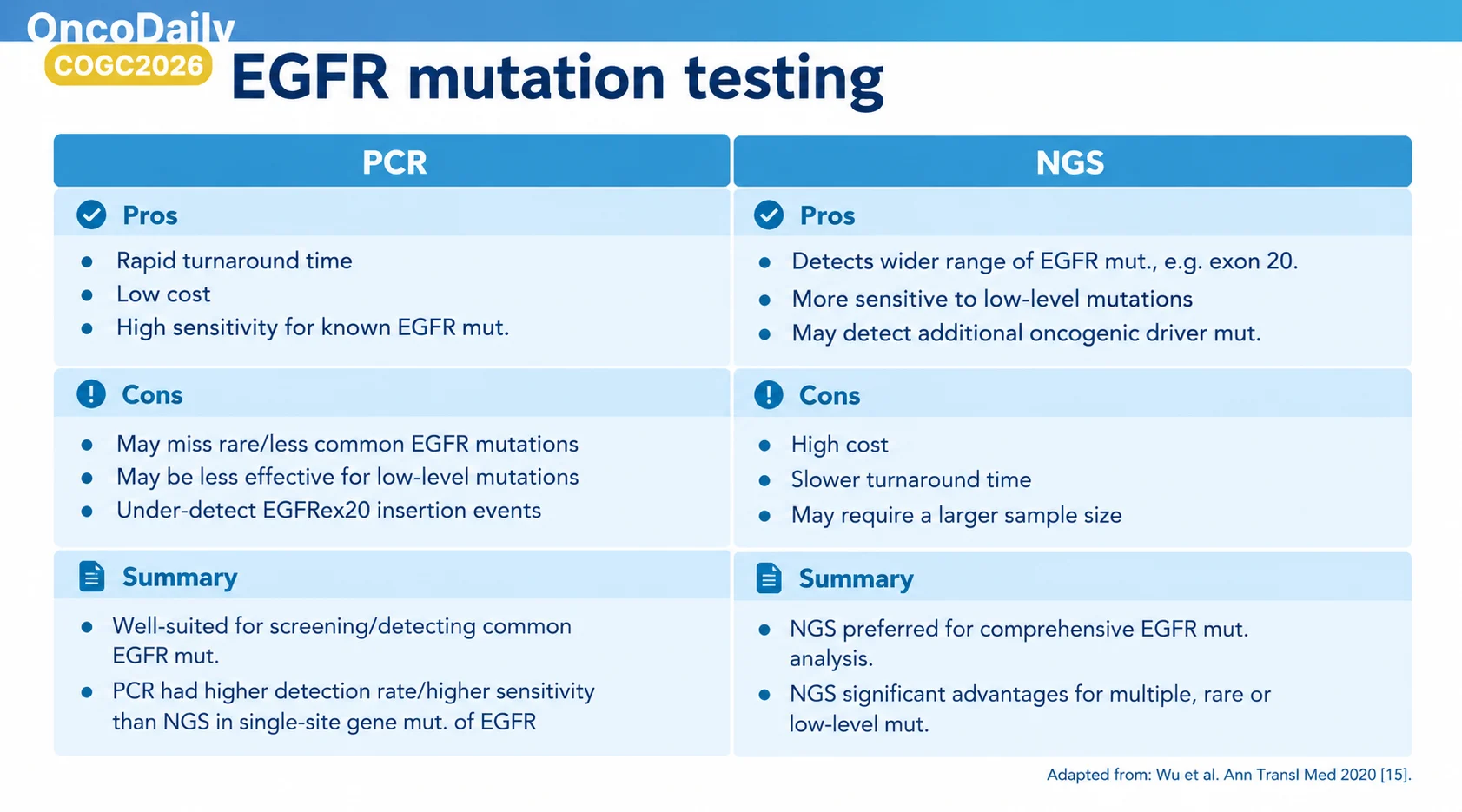
“The two most commonly used methods for EGFR testing are real-time PCR and next-generation sequencing. There is sometimes an assumption that NGS is automatically the better test because it can detect more alterations, but the choice is more nuanced.
Real-time PCR has important advantages.
- It is relatively inexpensive,
- Has a rapid turnaround time of approximately three to five days,
- Has very high sensitivity for known common EGFR mutations such as exon 19 deletions and L858R.
Its limitation is breadth. It is less effective for detecting uncommon alterations, low-level variants, and particularly the diversity of EGFR exon 20 insertion events.
NGS provides a broader molecular profile.
It can identify a wider range of EGFR alterations, including exon 20 insertions and rare mutations, while simultaneously detecting other oncogenic drivers.
The trade-offs are greater cost, longer turnaround time, and potentially greater tissue requirements.
So PCR remains an effective approach when the objective is rapid detection of common sensitizing EGFR mutations, whereas NGS becomes particularly valuable when comprehensive molecular characterization is required.
And this becomes even more important later in the disease course, because once resistance develops, we may need to look beyond the original EGFR mutation and identify a completely different acquired molecular mechanism.”
From First-Generation TKIs to Osimertinib
“The evolution of EGFR treatment has occurred across several generations of tyrosine kinase inhibitors.
First-generation drugs included gefitinib and erlotinib. Second-generation agents included afatinib and dacomitinib, followed by third-generation drugs such as osimertinib and lazertinib. Now, fourth-generation EGFR inhibitors are being developed specifically to address resistance mechanisms that emerge after current therapies.
Gefitinib was initially approved in 2003 in an unselected population. At that time, we did not yet understand why some patients had dramatic responses while others did not. The identification of sensitizing EGFR mutations in 2004 completely changed that understanding and transformed EGFR from a clinical observation into a molecularly defined therapeutic target.
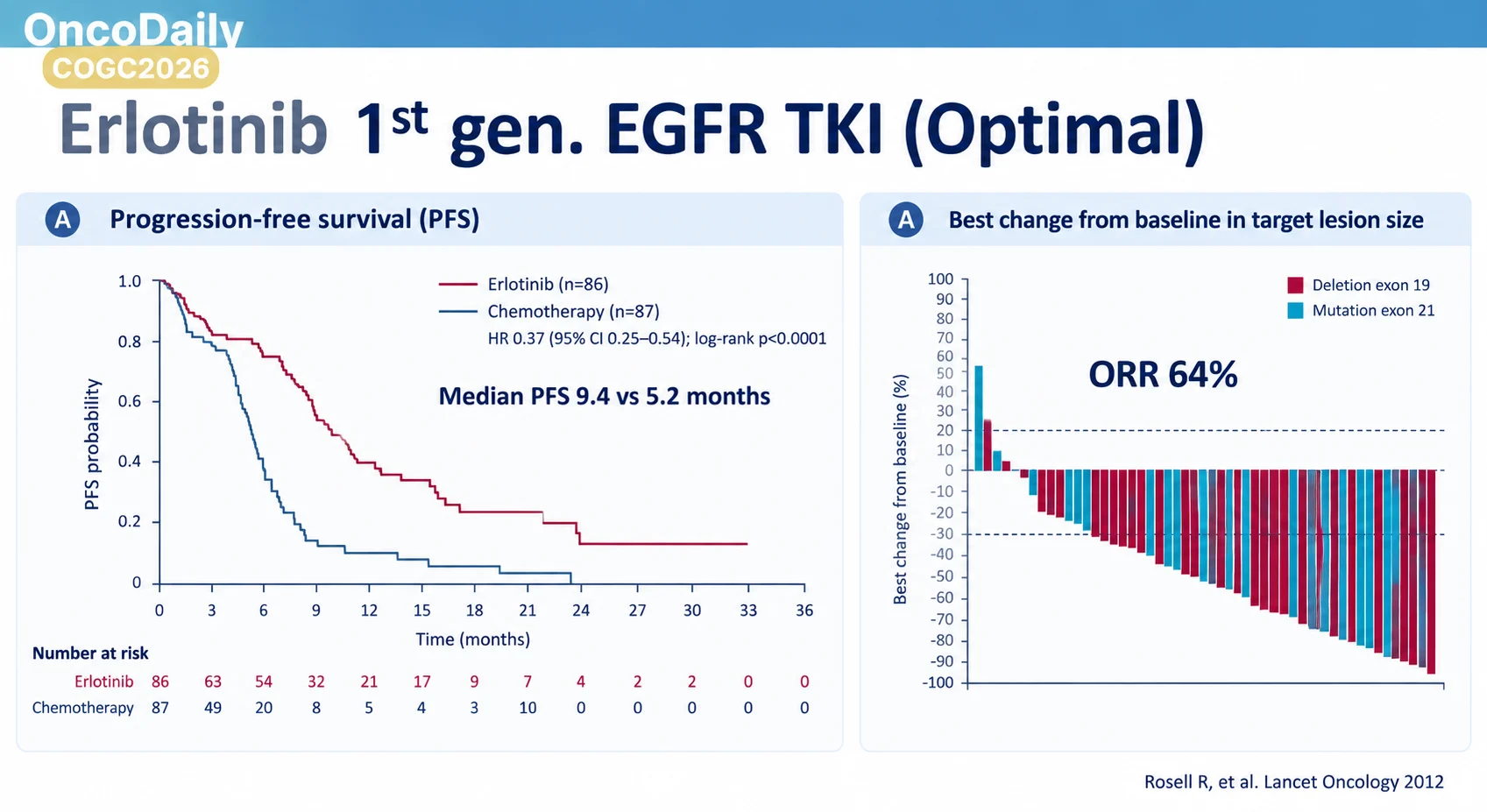
Erlotinib subsequently demonstrated that selecting patients according to EGFR mutation status could produce substantially better disease control than chemotherapy. That established the principle that the molecular driver, rather than histology alone, should determine treatment.
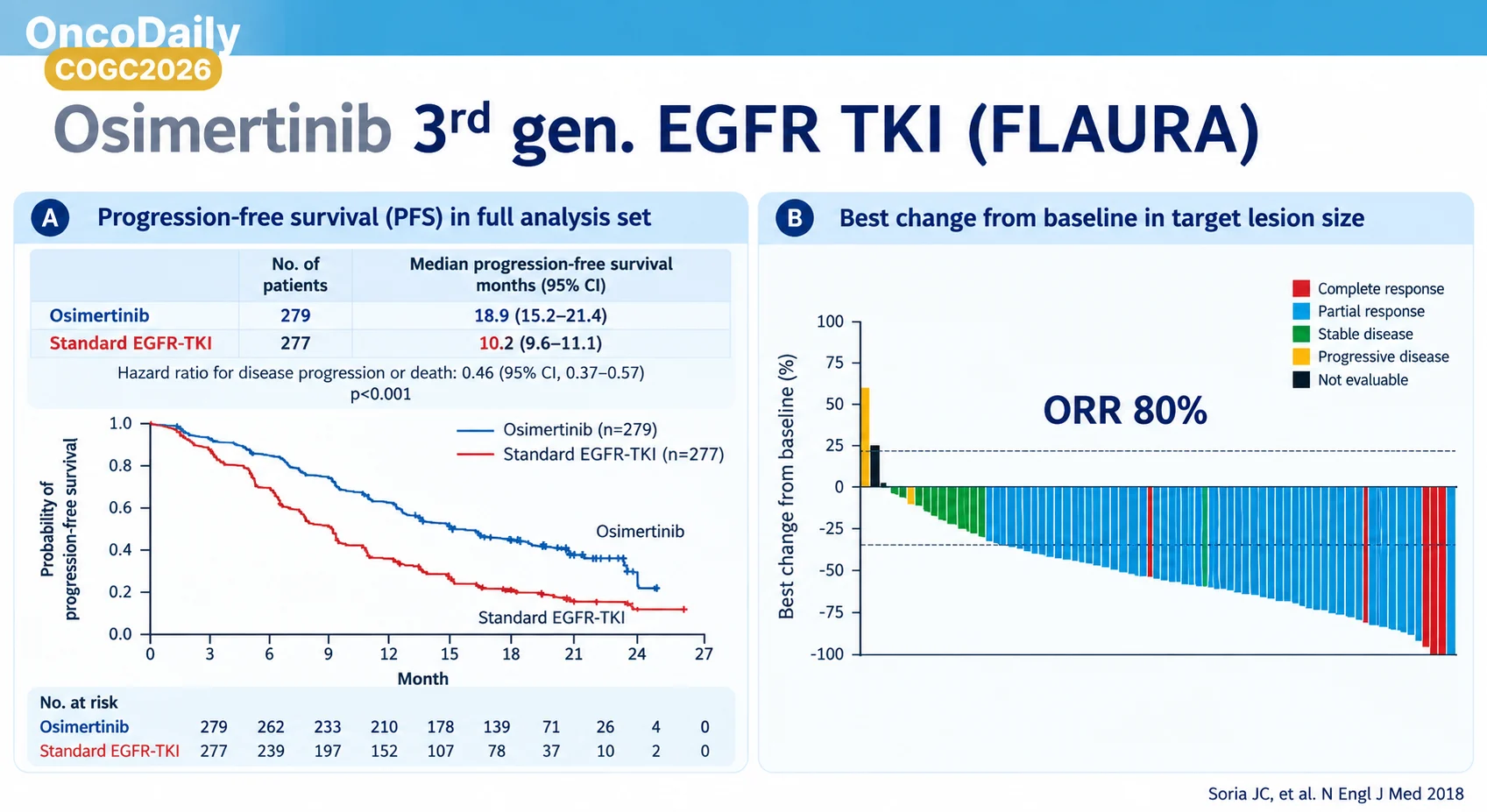
The next major step was osimertinib. It was initially developed for tumors that had acquired the EGFR T790M resistance mutation after earlier-generation TKIs, but it eventually moved into the first-line setting.
In the FLAURA trial, first-line osimertinib was compared with gefitinib or erlotinib. Median progression-free survival was approximately 19 months with osimertinib versus 10 months with first-generation EGFR-TKIs. Osimertinib also has strong CNS activity, which is extremely important because brain metastases are a major clinical problem in EGFR-mutated NSCLC.
When we look at the survival curves according to mutation subtype, osimertinib works in both exon 19 deletion and L858R disease, but the magnitude and duration of benefit are not identical. Patients with exon 19 deletions generally show longer progression-free survival than those with L858R.
In the exon 19 deletion subgroup, median progression-free survival was around 21 months with osimertinib compared with around 11 months with first-generation TKIs. For L858R, the difference was smaller, approximately 14 months versus 10 months.
So even within what we call the ‘common EGFR mutations,’ there are biologically meaningful differences.”
Osimertinib Across the Disease Course
“Once osimertinib became established as an effective first-line therapy, the next question was whether we could improve outcomes further by combining it with chemotherapy.
In FLAURA2, patients with metastatic EGFR-mutated NSCLC received either osimertinib alone or osimertinib together with platinum-pemetrexed chemotherapy. The combination significantly prolonged progression-free survival.
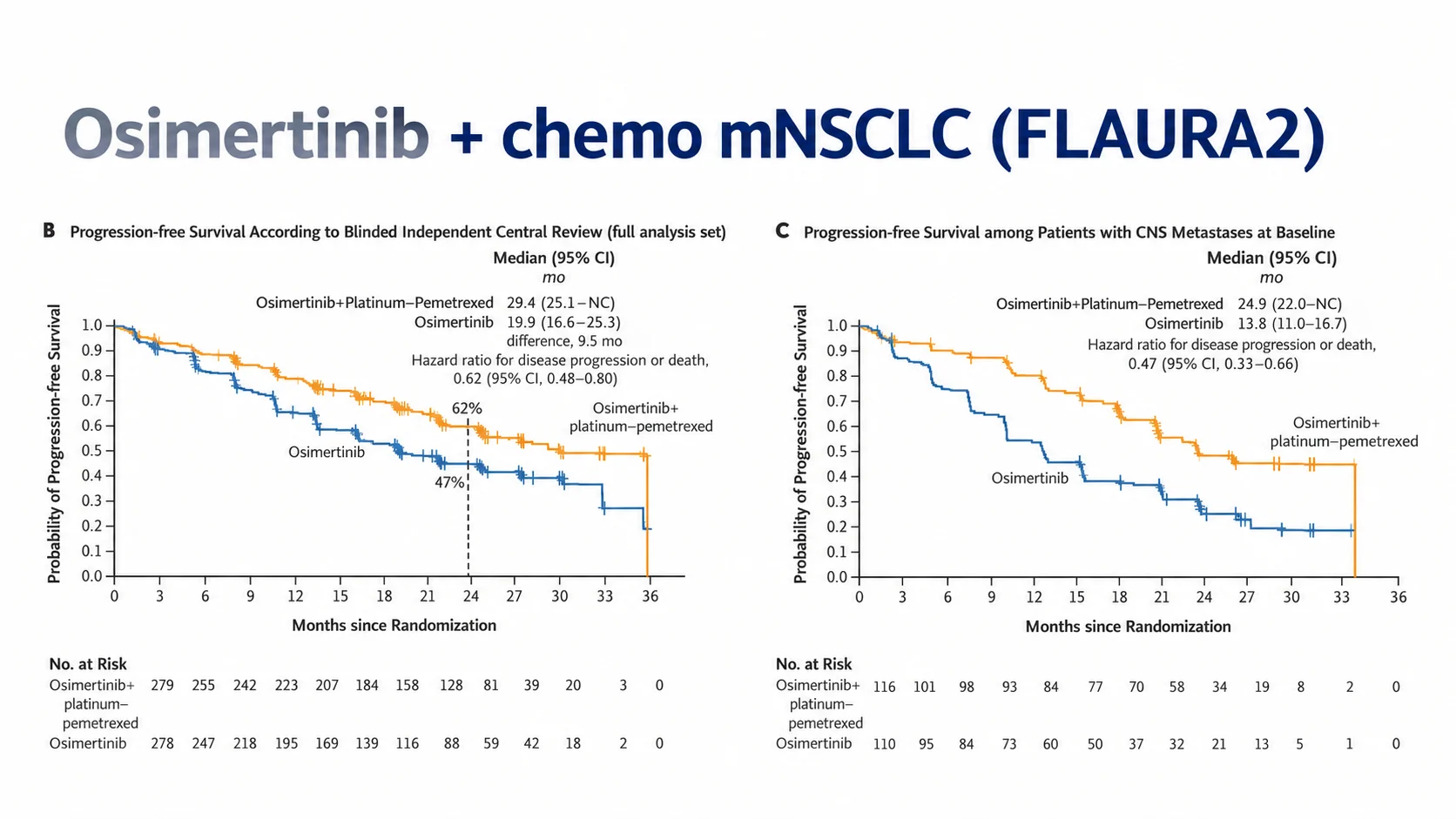
The response rates themselves were relatively similar because osimertinib already produces very high response rates. The important difference appears to be that chemotherapy helps prolong disease control. With longer follow-up, overall survival was also improved.
But we have to balance efficacy against toxicity. The combination is more effective, but it also produces more adverse events. So this is not simply a question of whether chemotherapy adds benefit; it is a question of which patients need that additional treatment intensity.
Osimertinib has also moved into earlier stages of disease.
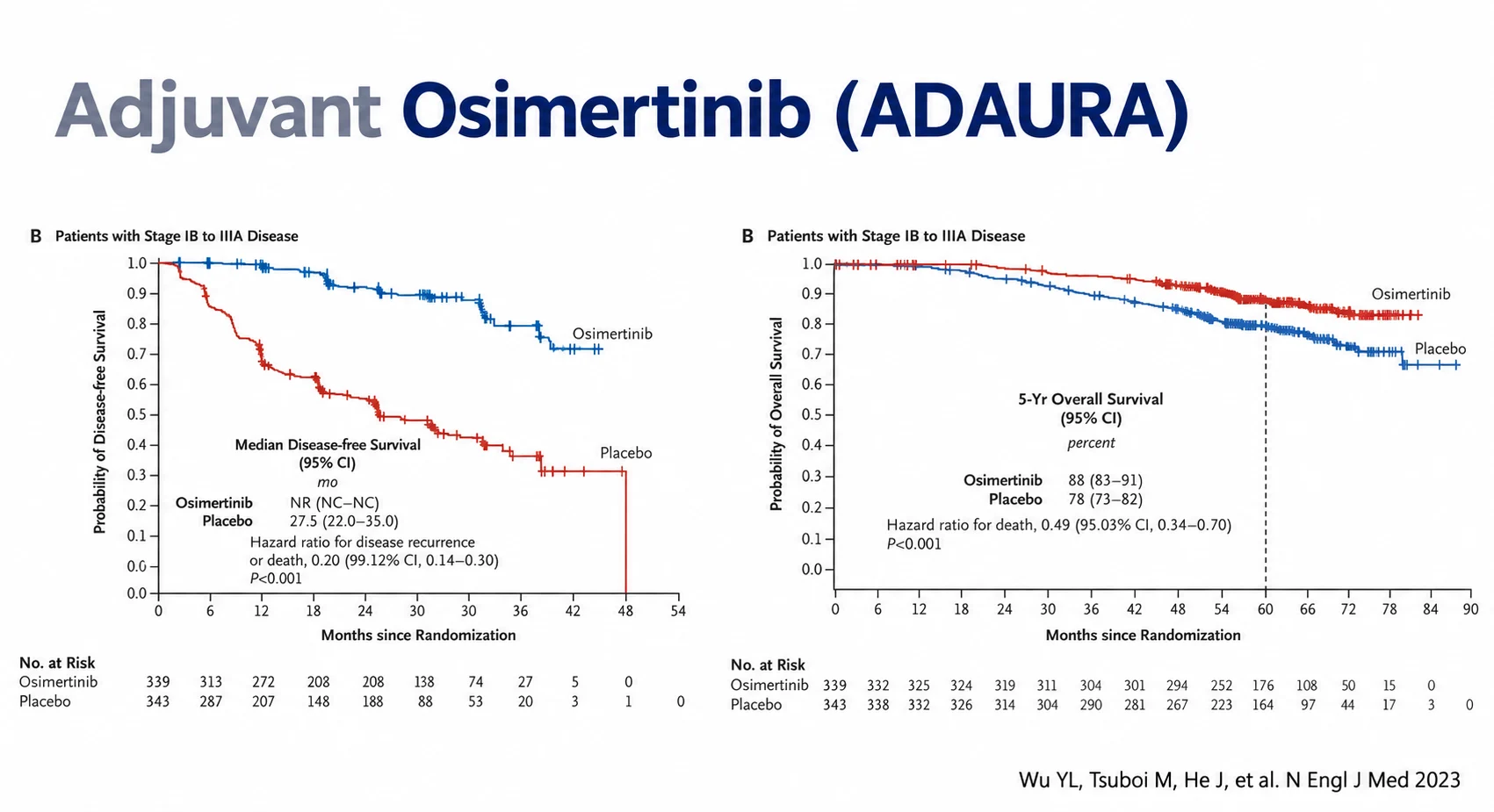
In ADAURA, patients with completely resected stage IB to IIIA EGFR-mutated NSCLC were randomized to receive adjuvant osimertinib or placebo for up to three years, with adjuvant chemotherapy used where appropriate.
The separation of the disease-free survival curves was dramatic, and the overall survival results also favored osimertinib.
Then we have the LAURA trial, which looked at patients with unresectable stage III EGFR-mutated NSCLC after definitive chemoradiotherapy. Progression-free survival strongly favored osimertinib compared with placebo.
Again, when you look at these curves, the magnitude of the progression-free survival difference is striking.
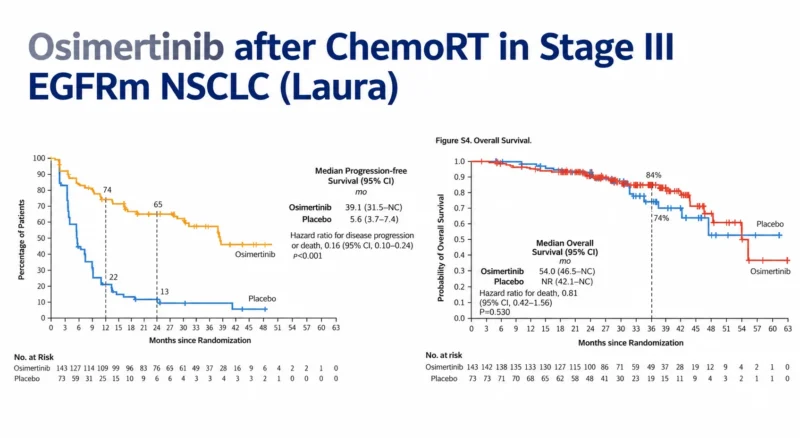
What this tells us is that EGFR-directed therapy is no longer confined to metastatic disease. Osimertinib has progressively moved from acquired resistance, to first-line metastatic therapy, to the adjuvant setting, and now into unresectable stage III disease after chemoradiotherapy.”
Uncommon EGFR Mutations Need Different Strategies
“Most of our large trials have concentrated on exon 19 deletions and L858R, but uncommon EGFR mutations are a different group and cannot simply be treated as though all EGFR alterations behave identically.
Afatinib has been particularly well studied in uncommon sensitizing point mutations such as G719X, L861Q, and S768I. In a relatively small dataset, response rates were high for several of these alterations.
Here you can see the waterfall plot. The responses are particularly evident in the group of uncommon point mutations, although we have to interpret the percentages cautiously because patient numbers were small.
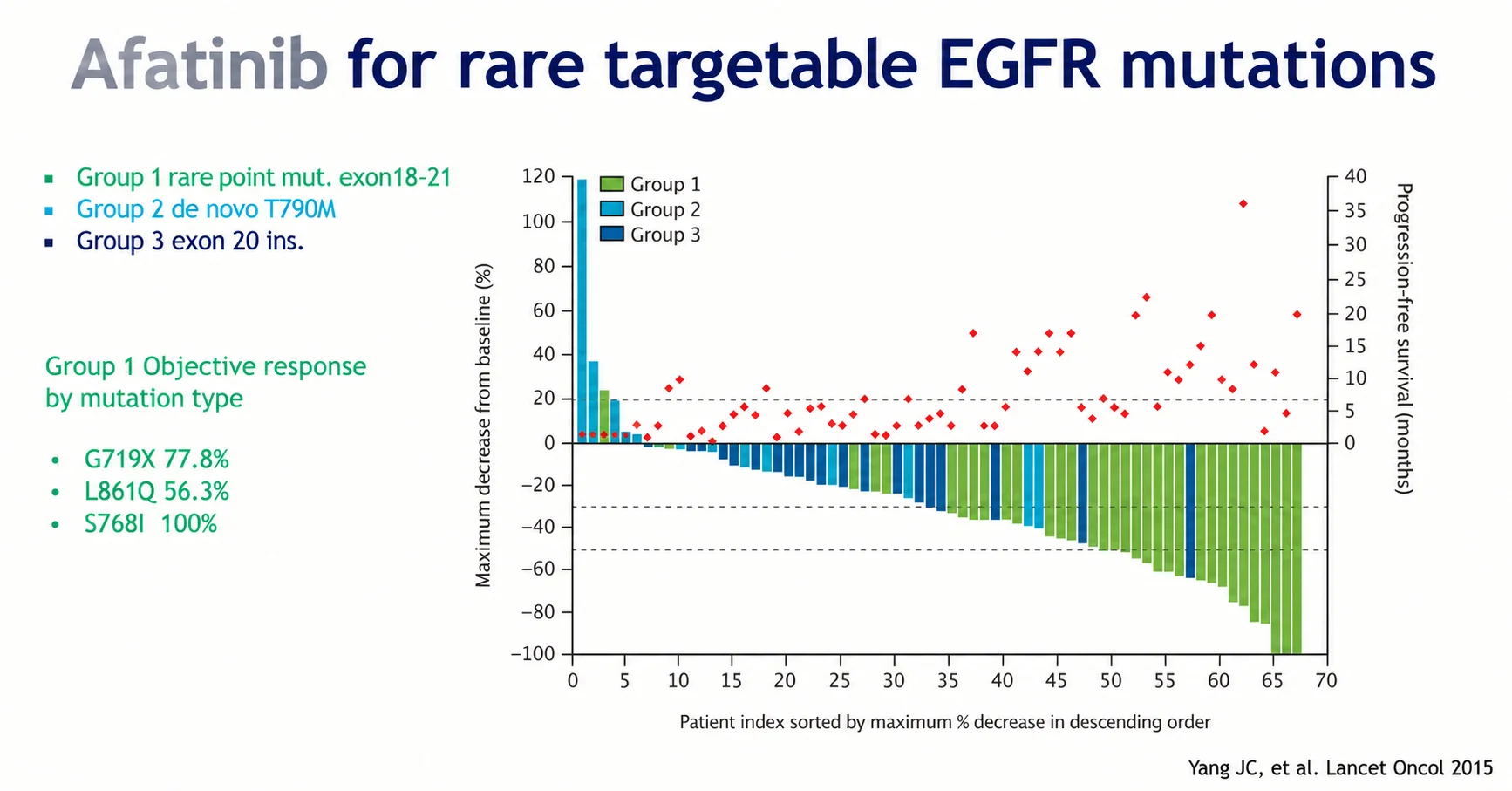
Exon 20 insertions are different again. They have historically been much more difficult to treat with conventional EGFR-TKIs.
That is where amivantamab, a bispecific antibody targeting EGFR and MET, changed the treatment landscape. In the PAPILLON trial, amivantamab plus chemotherapy was compared with chemotherapy alone in previously untreated advanced NSCLC with EGFR exon 20 insertions.
Median progression-free survival was approximately 11 months with amivantamab plus chemotherapy versus 7 months with chemotherapy alone, and objective response rates were 73% versus 47%.
For this difficult-to-treat molecular subgroup, that is clinically meaningful.
Amivantamab has also been combined with lazertinib in common EGFR-mutated disease.
In MARIPOSA, amivantamab plus lazertinib was compared with osimertinib and lazertinib alone. When you look at the curves, osimertinib and lazertinib monotherapy are relatively close, while the amivantamab-lazertinib combination separates from them.
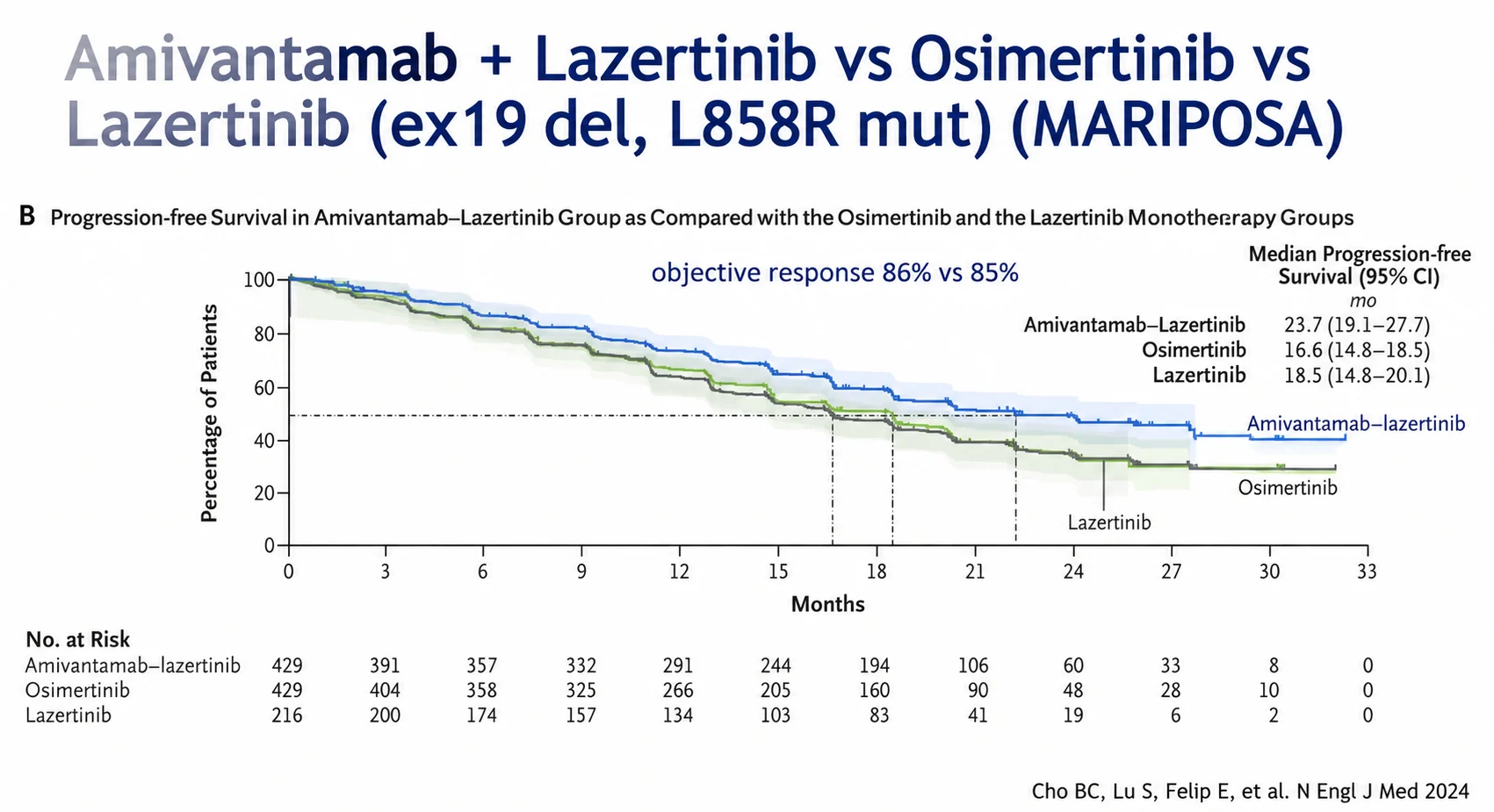
So our treatment landscape is no longer simply ‘EGFR mutation equals one EGFR-TKI.’ We increasingly have to define the exact molecular subtype and then select among osimertinib, osimertinib plus chemotherapy, amivantamab-lazertinib, afatinib for selected uncommon mutations, and amivantamab-based therapy for exon 20 insertion disease.”
Why High PD-L1 Can Be Misleading
“Another important point is immunotherapy.
Sometimes we have an EGFR-mutated NSCLC and we also receive a PD-L1 result that is 50%, 60%, 80%, or even higher. When we see those numbers in other forms of lung cancer, we naturally think about immunotherapy.
But in EGFR-mutated NSCLC, high PD-L1 expression does not mean that immunotherapy should replace targeted therapy.
These tumors frequently occur in never-smokers or light smokers and tend to have relatively low immunogenicity. Response rates to immune checkpoint inhibition are generally much lower than the responses we see with molecularly targeted therapy.
This principle also applies to several other oncogene-driven tumors, including ALK-, RET-, ROS1-, and HER2-driven cancers. PD-L1 cannot be interpreted in isolation from the molecular driver.
Other alterations such as KRAS, BRAF, or MET exon 14 skipping may occur more commonly in patients with smoking exposure and may have different immunologic biology. But for classical EGFR-mutated NSCLC, the molecular target remains the central therapeutic priority.”
Resistance Is the Next Frontier
“No matter whether we use first-, second-, or third-generation EGFR-TKIs, resistance eventually develops in the metastatic setting.
Today, because osimertinib is commonly used first line, understanding resistance to first-line osimertinib has become one of the major questions in EGFR-mutated lung cancer.
And the challenge is that in approximately 40% to 50% of patients, we still cannot identify a clear mechanism of resistance.
In other patients, resistance can occur through histologic transformation, including transformation from adenocarcinoma to small-cell or squamous-cell carcinoma. We can see acquired EGFR alterations such as C797X, MET or HER2 amplification, acquired oncogenic fusions involving genes such as RET, BRAF, or ALK, activation of MAPK or PI3K pathways, and cell-cycle alterations.
This is why re-biopsy and repeat molecular testing at progression are so important. The tumor that progresses after osimertinib is not necessarily molecularly identical to the tumor we treated at diagnosis.
Once we identify the resistance mechanism, it may open another therapeutic pathway. Fourth-generation EGFR-TKIs are being designed to overcome mutations such as C797S, while several antibody-drug conjugates and other targeted agents are being developed for post-osimertinib disease.
Among the emerging approaches are TROP2-, HER3-, EGFR–HER3-, and MET-directed antibody-drug conjugates.
Telisotuzumab adizutecan, for example, has shown encouraging activity in heavily pretreated EGFR-mutated nonsquamous NSCLC. Other agents are being developed specifically around exon 20 insertion disease and acquired resistance after existing therapies.
Zipalertinib has also shown activity in previously treated metastatic NSCLC with EGFR exon 20 insertions, including patients who had already received platinum-based therapy and, in some cases, amivantamab.
These drugs are still part of an evolving treatment landscape, but they show where the field is moving: we are increasingly treating not only the original EGFR mutation, but the biology of resistance that develops after each line of targeted therapy.
That is why the molecular work cannot stop at diagnosis. We need EGFR testing at the beginning, but we also need to return to the tumor at progression, identify what has changed, and use that information to guide the next treatment.
There are many new options on the horizon, and the future of EGFR-mutated NSCLC will depend increasingly on understanding that evolution.”
Written by Eliz Baloyan, MD, Features Writer and Editor at OncoDaily and CancerWorld
Watch the full video on YouTube.