Key takeaways
- Max's legacy has reached more than 90,000 patients with CML, transforming one family's experience into 25 years of global treatment access.
- Nearly half of patients are receiving CML treatment without essential molecular monitoring, leaving physicians without the information needed to assess response and detect resistance.
- A few drops of dried blood can help overcome major diagnostic barriers, with Spot On CML enabling molecular testing for patients in countries lacking specialized laboratories.
- Stopping lifelong CML treatment is becoming possible for more patients, with 79% of carefully selected participants in the foundation's treatment-free remission study remaining off therapy at their latest follow-up.
- Access to newer treatments remains a major challenge, with only 24% of the countries assessed having access to all six TKIs included in the foundation's global analysis.
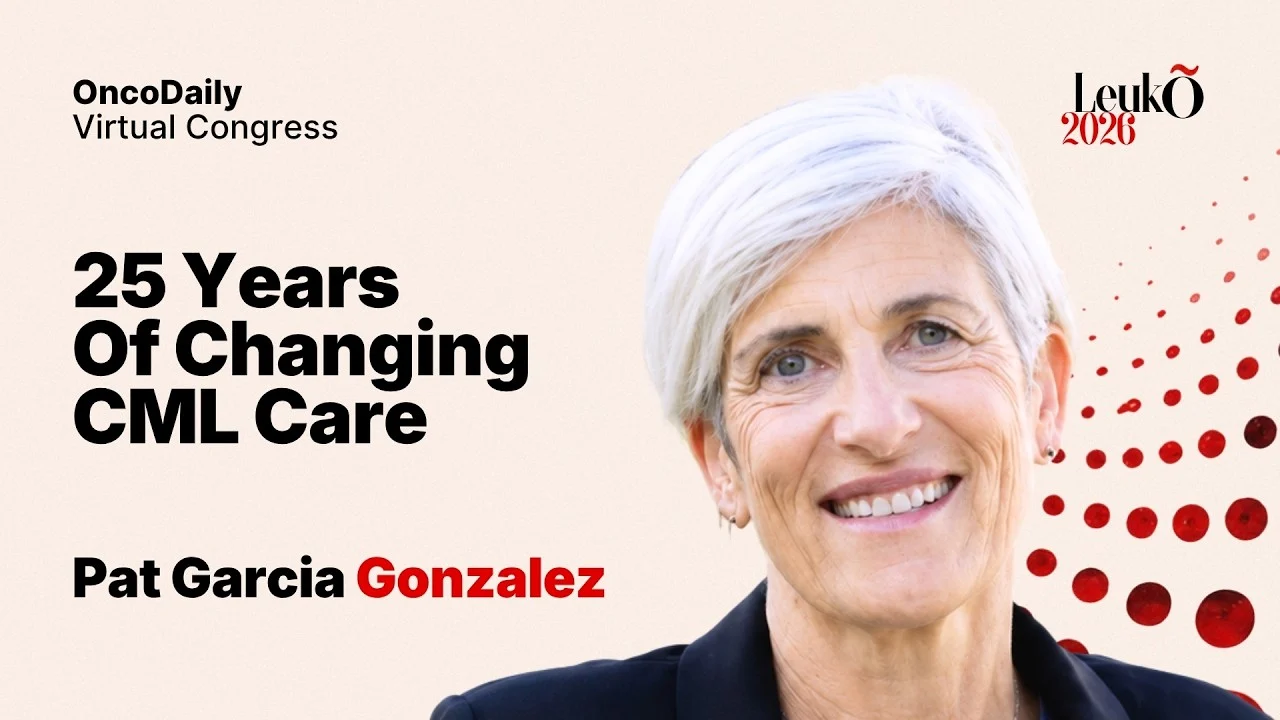
At LeukO 2026: Global Virtual Congress on Leukemias, organized by OncoDaily, Pat Garcia-Gonzalez, Co-Founder and Chief Executive Officer of The Max Foundation, shared how a family’s loss grew into a global effort to transform access to chronic myeloid leukemia (CML) treatment.
CML has become a treatable chronic disease for many patients, yet access to life-saving medicines and essential monitoring remains out of reach for thousands worldwide.
For 25 years, The Max Foundation has worked to close that gap, helping more than 90,000 patients access treatment and expanding opportunities for molecular monitoring and even treatment-free remission.
But as CML treatment continues to advance, one question remains: How can we ensure that progress reaches patients everywhere, regardless of where they live?
The Boy Behind The Max Foundation
The Max Foundation was established in 1997 in memory of Maximiliano “Max” Rivarola, Garcia-Gonzalez’s stepson, who was diagnosed with CML at the age of 14.

Max passed away at 17, years before imatinib would transform the treatment of the disease.
Max’s memory remains at the heart of the foundation’s work. Garcia-Gonzalez has carried forward a commitment to spare other families the suffering hers endured. As new CML treatments became available, that commitment grew into a mission to ensure that patients around the world could benefit from advances that Max never had the chance to receive.
“I think there is only one thing worse than hearing that your loved one has cancer. It is hearing that there is a treatment available, but that treatment is not in your country, and your loved one cannot access it.”
The organization began working to remove the barriers that prevent patients from receiving effective medicines, particularly in countries where financial limitations, inadequate healthcare infrastructure, or the absence of commercial access leave patients with few alternatives.
Its mission is captured in a phrase Garcia-Gonzalez returned to throughout her presentation:
“Geography should not be destiny.”
From One Breakthrough Drug to a Global Treatment Network
In 2001, imatinib became the first widely used BCR::ABL1-targeted tyrosine kinase inhibitor, fundamentally changing the prognosis of CML.
That same year, The Max Foundation began collaborating with Novartis through the Glivec International Patient Assistance Program (GIPAP), which provided imatinib to eligible patients in low- and middle-income countries who otherwise could not access the treatment.
The program became one of the most significant international examples of humanitarian access to targeted cancer therapy.
But as newer TKIs became available, another problem emerged. Patients who developed resistance or intolerance to imatinib needed access to second- and third-line treatments, many of which remained unavailable or unaffordable in their countries.
The foundation responded by expanding its approach, eventually launching Max Access Solutions in 2017, a model that allowed collaboration with multiple pharmaceutical manufacturers and broadened the range of treatments available to patients.
Today, the scale of this work extends far beyond a single medicine.
Over 25 years, The Max Foundation has supported more than 90,000 patients with CML, providing an average of approximately seven years of treatment access per patient.
At the time of the presentation, its programs facilitated access to first-, second-, and third-line treatment options in 57 countries, while additional countries had access to one or two treatment lines.
This work is supported by a network of approximately 900 partners, including physicians, healthcare institutions, pharmaceutical companies, patient organizations, and government agencies.
The results have also been examined scientifically.
A published analysis of the GIPAP program reported a five-year survival rate of 89%, broadly comparable to outcomes observed in high-resource settings.
Although observational comparisons cannot establish that all survival disparities have been eliminated, the findings demonstrated that patients receiving treatment through a humanitarian access program could achieve excellent long-term outcomes.
For a disease in which effective therapy may need to continue for decades, maintaining uninterrupted treatment can profoundly change a patient’s future.
Beyond the Medicine: Closing the Monitoring Gap
One of the most important lessons from the foundation’s experience was that access to CML treatment is not complete without access to molecular monitoring.
As early as 2009, the organization recognized that patients in approximately 60 countries still lacked adequate access to tests needed to confirm their diagnosis or monitor their response to therapy.
CML treatment relies heavily on quantitative polymerase chain reaction (PCR) testing to measure BCR::ABL1 transcript levels.
These results help physicians determine whether treatment is working, identify inadequate molecular responses, and recognize when a change in therapy may be necessary.
For patients who develop resistance, mutation testing can provide additional information about which TKI may be most appropriate.
Yet these essential tests remain inaccessible to many patients in low- and middle-income countries.
A recent analysis of approximately 29,000 patients followed by The Max Foundation across 75 countries revealed a persistent gap:
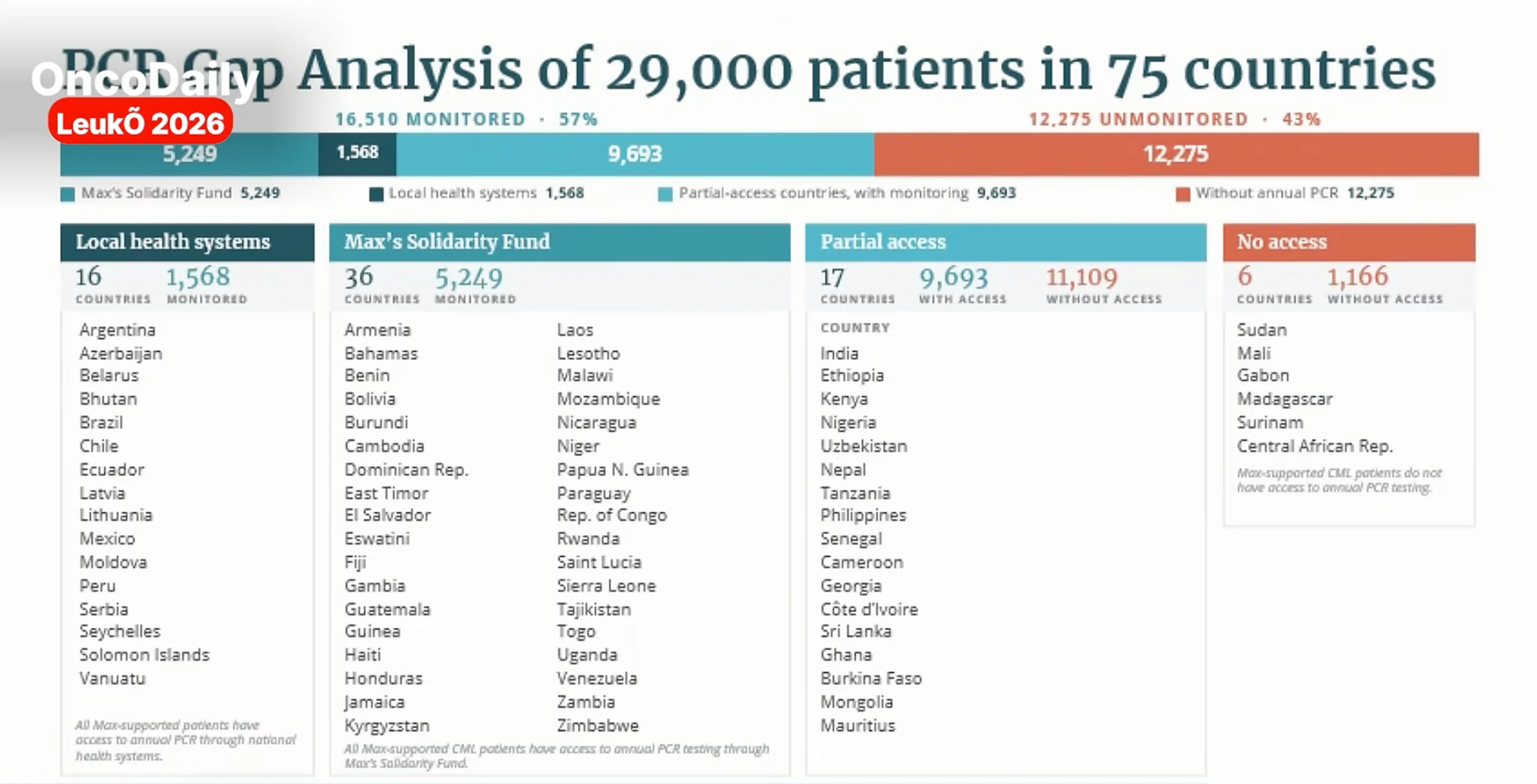
- 57% of patients had access to PCR monitoring.
- 43% were still not receiving molecular monitoring.
- In some countries, testing is available but not reimbursed by the healthcare system. In others, patients must pay costs they cannot afford or travel long distances to laboratories.
- Six countries in the foundation’s analysis had no available access to CML PCR testing.
To address these barriers, the organization developed partnerships combining preferential pricing, financial assistance, laboratory support, and alternative testing methods.
One particularly innovative approach is Spot On CML, developed in collaboration with Dr. Jerald Radich and his team at Fred Hutchinson Cancer Center.
Instead of transporting conventional blood samples across borders, physicians can place blood onto specialized paper cards, allow it to dry, and send the samples to a reference laboratory.
The method enables molecular testing without requiring the same transport conditions as liquid blood samples. More recently, it has also been adapted to support mutation analysis, including clinically relevant ABL1 kinase domain mutations.
Alongside expanding diagnostics, the foundation has invested in treatment adherence.
Its Day by Day program, launched in Chile in 2013 and subsequently expanded to other regions, provides patient education, psychosocial support, peer connections, and practical assistance.
The objective is to help patients continue treatment as prescribed, manage challenges during long-term therapy, and remain connected to their healthcare teams.
The experience has reinforced a practical reality: providing medicine is essential, but the benefits of treatment depend on patients receiving the monitoring and support needed to use it effectively.
Who Gets the Chance to Stop CML Treatment?
For many patients living with CML, successful treatment can mean taking medication every day for years or even decades.
Although TKIs have made long-term disease control possible, continuous therapy can bring side effects, financial pressures, and the burden of lifelong treatment.
The possibility of treatment-free remission (TFR) has therefore become an important development in CML care.
For carefully selected patients who have maintained a deep molecular response, discontinuing TKI therapy under close medical supervision may be possible without losing disease control.
However, attempting TFR requires frequent and reliable molecular monitoring, particularly during the first months after treatment discontinuation.
For patients without affordable PCR testing, that possibility has often remained out of reach.
In 2021, The Max Foundation launched a treatment-free remission support program for eligible patients in low- and middle-income countries, covering the costs and logistics of the required monitoring.
The program’s results were published in the New England Journal of Medicine in March 2026.
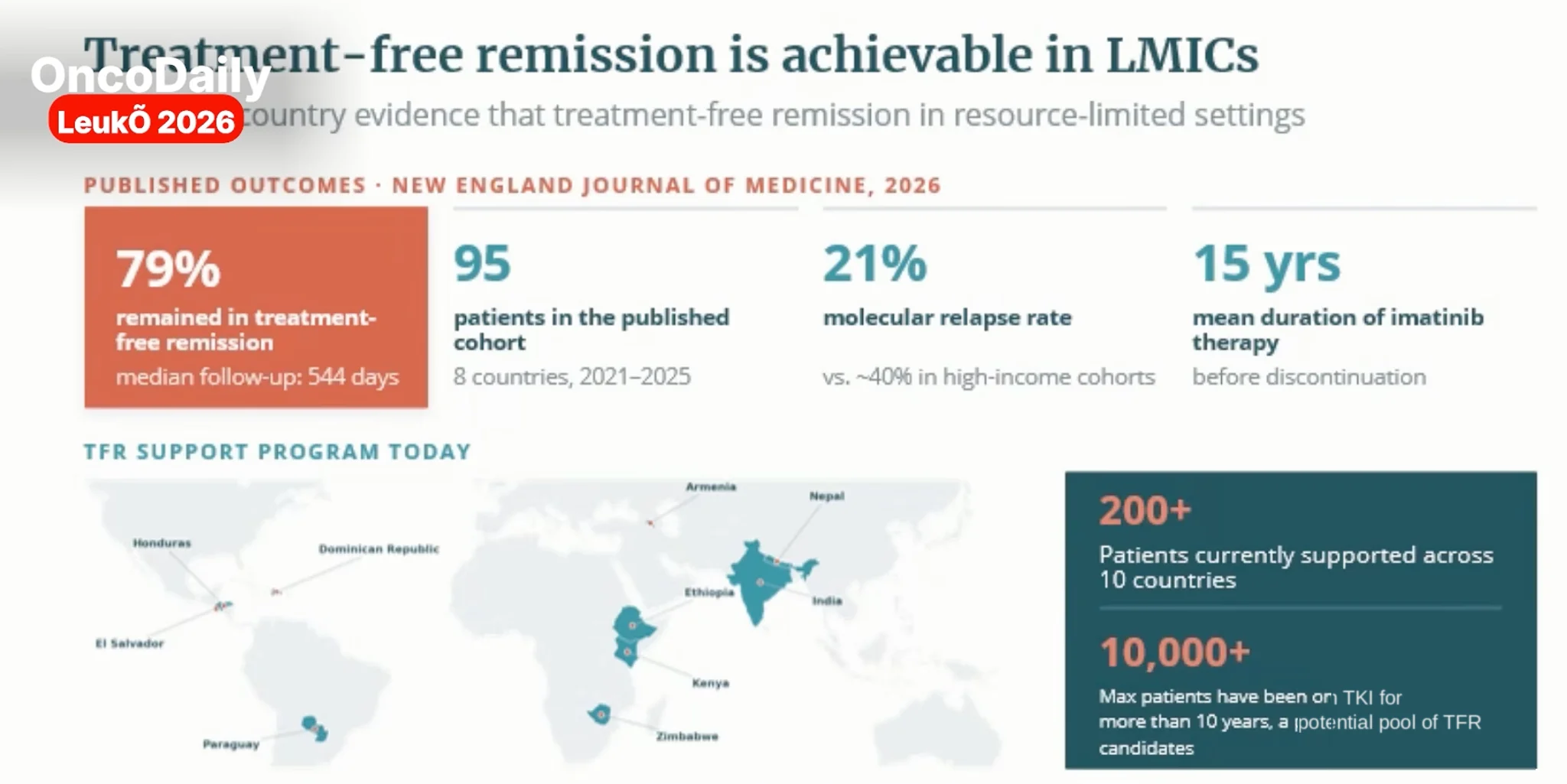
The report included 95 patients from eight countries who had received imatinib for at least ten years, maintained a sustained deep molecular response, and met the program’s eligibility criteria.
After treatment discontinuation, patients underwent structured PCR monitoring, with imatinib restarted if major molecular response was lost.
The findings were encouraging.
At their latest follow-up, 79% of patients remained in treatment-free remission.
Molecular relapse occurred in 20 patients, who restarted treatment according to the protocol. Among those with follow-up testing available, most had regained a major molecular response.
Importantly, adherence to the monitoring schedule was high, demonstrating that close molecular surveillance could be organized successfully across resource-limited settings when appropriate support was provided.
These findings do not mean that most patients with CML can safely discontinue treatment. The program used strict eligibility criteria, and longer follow-up remains important.
Nevertheless, it showed that patients in low- and middle-income countries could benefit from an approach previously much more accessible in wealthier healthcare systems.
By the time of Garcia-Gonzalez’s presentation, the foundation was supporting more than 200 patients across ten countries in its TFR initiative.
The potential for expansion is substantial. Among approximately 29,000 patients currently receiving treatment support, more than 10,000 had been taking imatinib for over a decade.
Not all would qualify for treatment discontinuation, but some may have achieved the sustained deep molecular response needed for a supervised attempt.
The challenge is ensuring that patients who are eligible are not excluded simply because they cannot afford molecular monitoring.
Why Access to CML Treatment Is Still Unequal
Twenty-five years after the introduction of imatinib, access to first-line CML treatment has expanded considerably. However, newer therapies tell a different story. When The Max Foundation mapped the availability of six TKIs across 129 countries, it found that only 24% of countries had access to all six treatments.
No low-income countries were represented in the commercial availability data, leaving humanitarian programs particularly important for patients who need second- or third-line therapy.
Even understanding the full extent of these disparities remains difficult. Public procurement data are largely unavailable, making it challenging to determine which medicines patients can actually obtain through national healthcare systems.
For the next five years, greater government investment will be essential. The foundation is working to demonstrate the socioeconomic value of CML treatment: patients who receive effective therapy can live for decades, continue working, and support their families. The priorities also include expanding access to quality-assured generics, ensuring newer therapies reach underserved populations, and strengthening molecular monitoring and treatment adherence.
Garcia-Gonzalez raised an important concern about the direction of global oncology.
“Sometimes I get worried that we get so excited about new treatments, but these treatments are not reaching everyone. We have good treatments in some countries, and we are not prioritizing monitoring and adherence. I would encourage us to rethink where we put our priorities and where we put our energy.”
The Children Who Keep Her Thinking About the Future
Garcia-Gonzalez ended her presentation with the patients whose futures concern her most: children living with CML.
Among the patients supported by The Max Foundation, the average age at diagnosis is just 36 years, and its database includes approximately 5,000 children with CML. For these young patients, treatment may mean decades of medication, monitoring, and uncertainty about what lies ahead.
She spoke about three children she had met personally: two girls diagnosed at just two years old and a boy from Jamaica who was diagnosed at four and has already spent eight years on treatment.
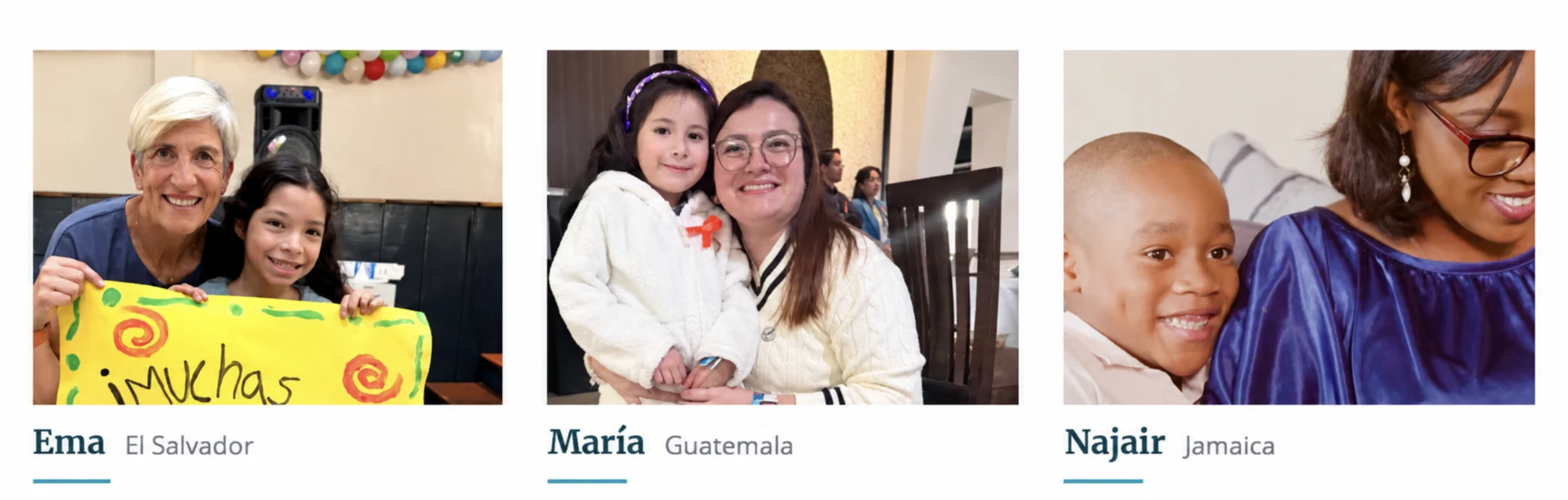
“What keeps me up at night is what will happen to them. How will they live all their lives with CML? Can we ensure that they don’t need treatment their whole life?”
Their stories hold particular meaning for a foundation established in memory of Max, who was diagnosed at 14 and never had the opportunity to benefit from the treatments available today.
Twenty-five years of progress have changed what is possible for children with CML. The challenge now is to ensure that those opportunities reach every child, wherever they live, and that advances in treatment give them the chance to grow up, pursue their dreams, and live fulfilling lives.
For Garcia-Gonzalez, that remains the purpose of the foundation’s work: to give other families the opportunities that Max and his family never had.
Written by Eliz Baloyan, MD, Features Writer and Editor at OncoDaily and CancerWorld