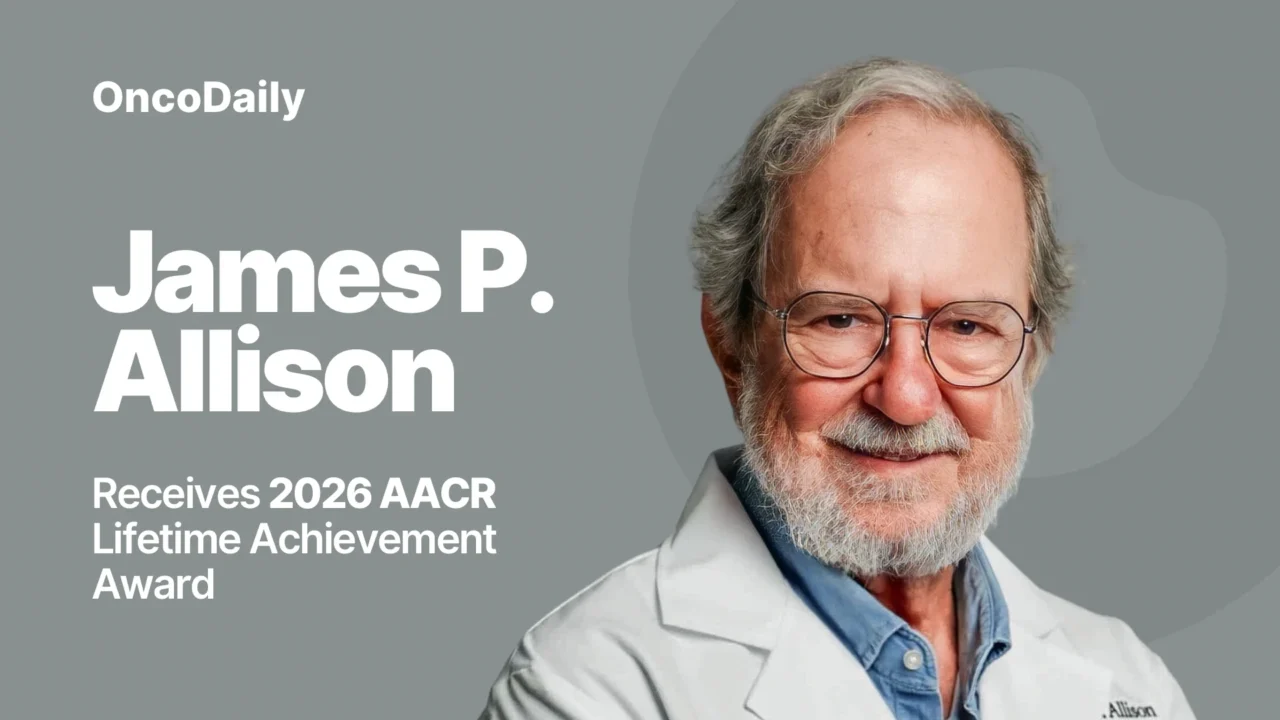
James P. Allison has been honored with the 2026 AACR Award for Lifetime Achievement in Cancer Research, a distinction recognizing his extraordinary scientific achievements and enduring impact on modern oncology.
Announced by the American Association for Cancer Research, the award celebrates Allison’s pioneering discoveries that transformed cancer immunotherapy and changed the treatment landscape for patients worldwide. He will formally receive the honor during the AACR Annual Meeting 2026 in San Diego, where he is also scheduled to deliver his award lecture on April 19.
The Discovery That Changed Cancer Treatment Forever
Few scientific discoveries have altered the course of cancer care as profoundly as Allison’s identification of CTLA-4 as a negative regulator of T-cell activation. This breakthrough revealed that CTLA-4 acts as a molecular brake on the immune system, preventing T cells from mounting a full immune response. By demonstrating that blocking CTLA-4 could release this brake, Allison opened the door to a completely new therapeutic strategy: immune checkpoint inhibition.
That discovery ultimately led to the development of ipilimumab, the first CTLA-4-targeted immune checkpoint inhibitor. Approved by the U.S. Food and Drug Administration in 2011 for unresectable or metastatic melanoma, ipilimumab became the first treatment to show that harnessing the immune system could generate durable responses in advanced cancer patients.
From Laboratory Insight to Global Clinical Impact
What began as a laboratory finding has become one of the most transformative revolutions in oncology. Immune checkpoint blockade therapies, built on the scientific foundation laid by Allison’s work, are now approved across more than 20 cancer types. Today, these therapies represent a cornerstone of treatment for melanoma, lung cancer, renal cell carcinoma, bladder cancer, and many other malignancies.
AACR noted that more than half of patients with cancer in the United States are now eligible for some form of immune checkpoint inhibitor therapy, underscoring the enormous reach of Allison’s discovery.
A Career Defined by Scientific Courage
Before CTLA-4 became a therapeutic target, Allison had already made landmark contributions to immunology. Early in his career, he identified the T-cell antigen receptor, helping clarify how immune cells recognize antigens. He later characterized CD28 as a co-stimulatory “gas pedal” for T-cell activation, before turning his attention to CTLA-4, the inhibitory checkpoint molecule that would become the centerpiece of his legacy.
His ability to connect fundamental immunologic mechanisms with translational therapeutic applications is what distinguishes his work from many other scientific achievements. Rather than stopping at mechanistic discovery, Allison pushed his findings toward clinical relevance, ultimately transforming them into life-extending therapies for patients worldwide.
Recognition Beyond the Nobel Prize
In 2018, Allison was awarded the Nobel Prize in Physiology or Medicine alongside Tasuku Honjo for discoveries in cancer immunotherapy. Yet the AACR Lifetime Achievement Award reflects something broader than a single milestone. It honors not only one breakthrough, but decades of sustained influence on cancer science, mentorship, and leadership.
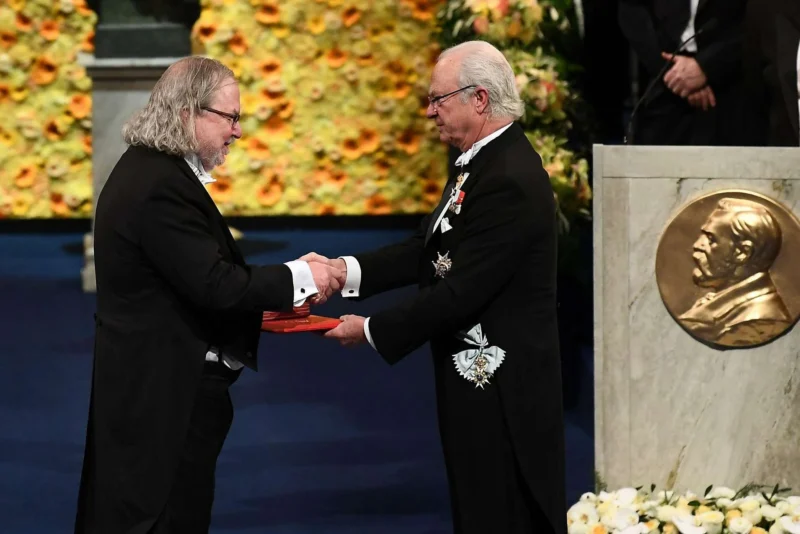
Source: https://www.houstonchronicle.com/
AACR specifically highlighted Allison’s lifelong commitment to advancing immuno-oncology, emphasizing that his contributions continue to shape future generations of cancer researchers.
Leadership at MD Anderson and Beyond
Currently, Allison serves as Regental Professor, Chair of Immunology, Vice President for Immunobiology, and Founding Director of the James P. Allison Institute at The University of Texas MD Anderson Cancer Center. In these roles, he continues to lead efforts aimed at improving immune checkpoint blockade and identifying new strategies to mobilize the immune system against cancer.
His influence also extends deeply into AACR itself. Since becoming a member in 2000, Allison has served on numerous AACR committees, chaired scientific award panels, and helped guide annual meeting programming, reflecting a long-standing commitment to shaping the broader cancer research ecosystem.
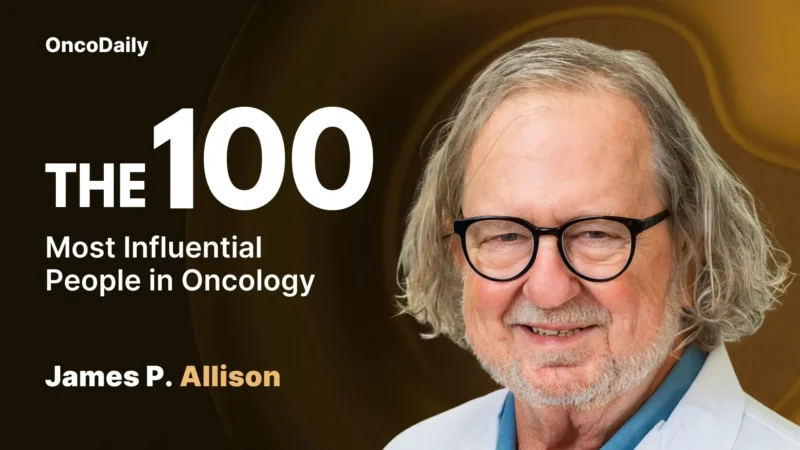
In 2025, James P. Allison was also recognized in OncoDaily’s 100 Most Influential People in Oncology, honoring his lasting global impact on cancer immunotherapy and his continued role in shaping the future of oncology.
Why This Award Matters in 2026
The AACR Award for Lifetime Achievement in Cancer Research is reserved for individuals whose scientific contributions have had enduring and transformative impact. In Allison’s case, the award arrives at a moment when immunotherapy continues to expand into earlier disease settings, combination regimens, and biomarker-driven treatment strategies.
As oncology enters increasingly personalized and immune-centered eras of care, Allison’s original insight into CTLA-4 remains one of the defining turning points in cancer medicine. His work did not simply create a new drug class. It changed the philosophy of cancer treatment itself, proving that the immune system could be empowered to fight malignancy with precision and durability.
Written by Nare Hovhannisyan,MD