Calculators
 OncoCalendar





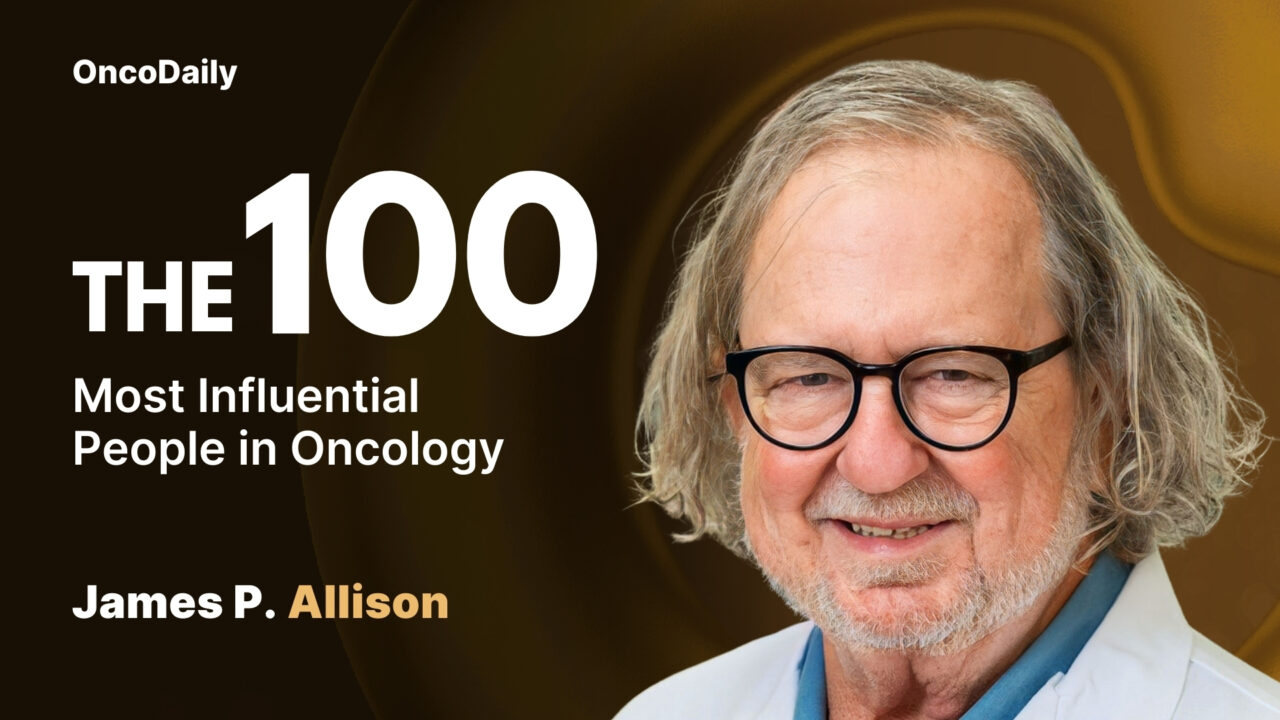
James P. Allison is one of the most consequential scientists in the history of cancer medicine, whose discoveries launched the modern era of cancer immunotherapy. A Regental Professor and Chair of Immunology at The University of Texas MD Anderson Cancer Center, he is the Director of the James P. Allison Institute and Executive Director of the Immunotherapy Platform, where he continues to shape the future of immune-based cancer treatment. Dr. Allison’s seminal work defined fundamental mechanisms of T-cell activation and immune regulation, including the discovery that CTLA-4 functions as an inhibitory immune checkpoint.
His insight that blocking CTLA-4 could unleash antitumor immune responses overturned long-standing dogma and paved the way for immune checkpoint blockade therapy. This work led directly to the development of ipilimumab, the first FDA-approved immune checkpoint inhibitor, transforming outcomes for patients with melanoma and many other cancers.
In recognition of this breakthrough, Dr. Allison was awarded the 2018 Nobel Prize in Physiology or Medicine, shared with Tasuku Honjo, “for their discovery of cancer therapy by inhibition of negative immune regulation.” He is a member of the U.S. National Academies of Sciences and Medicine and a recipient of the Lasker–DeBakey Clinical Medical Research Award. Through his science, leadership, and persistence, James P. Allison permanently changed how cancer is treated worldwide.
The 100 Most Influential People in Oncology in 2025 recognizes the changemakers in cancer care who have helped shape current practice in oncology and continue to drive innovation and research towards better outcomes, advocacy, philanthropy, leadership and education. For the many deserving individuals not mentioned in this list, we will continue to acknowledge, honor and elevate your voices in our daily publications from across the world.
See the full list of The 100 Influential People in Oncology in 2025 and stay tuned for the results of special category nominations to be announced.