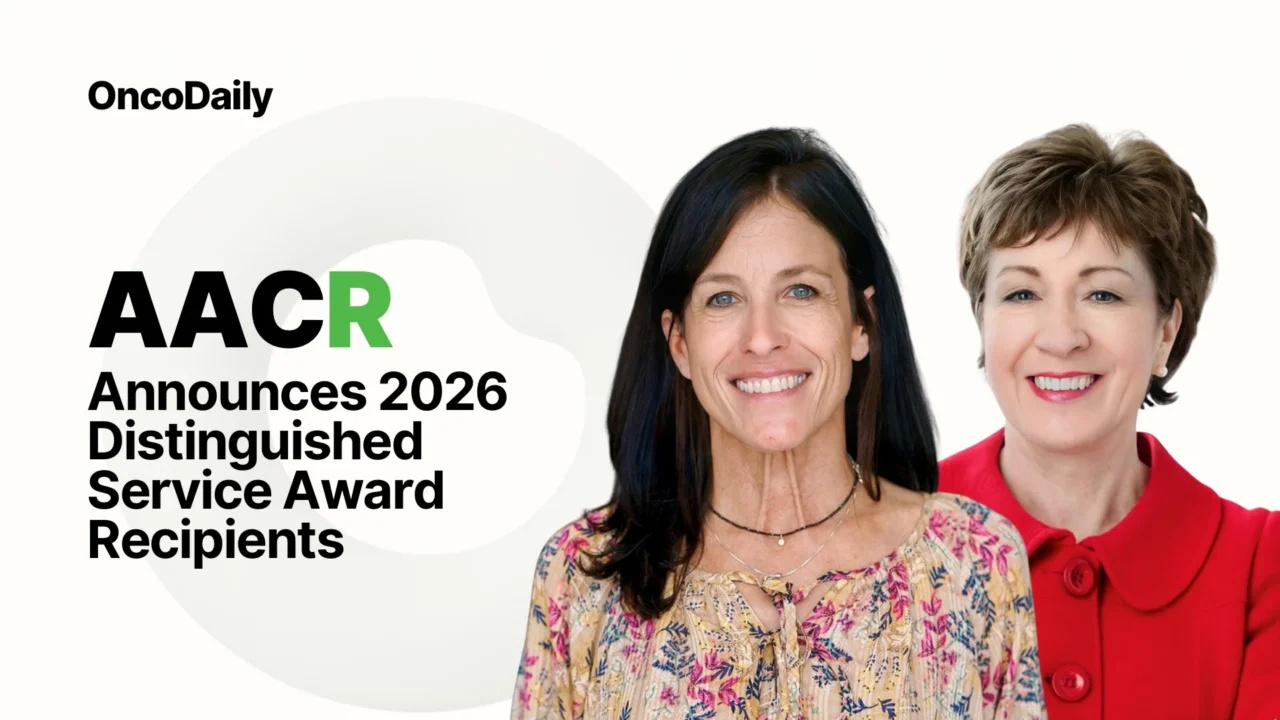
The American Association for Cancer Research (AACR) has announced the recipients of its 2026 Distinguished Service Awards, recognizing individuals whose work has shaped the direction of cancer research, policy, and patient advocacy. The awards will be presented during the AACR Annual Meeting 2026, scheduled for April 17–22 in San Diego, where global leaders in oncology will gather to discuss scientific progress and future priorities.
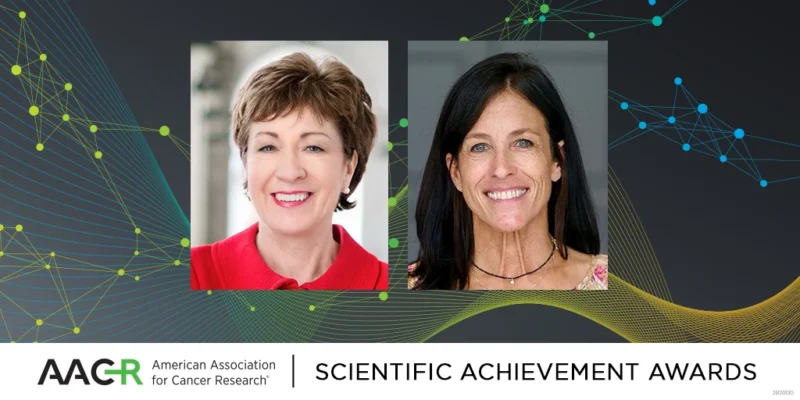
This year’s honorees represent two essential pillars of cancer progress: sustained governmental support for biomedical research and the growing influence of patient advocacy in shaping research agendas. Senator Susan Collins and Jill Feldman will be formally recognized during the Opening Ceremony on April 19, highlighting the critical intersection between policy, funding, and patient-centered innovation.
A Policy Leader Defending the Future of Cancer Research
Senator Susan Collins has been selected to receive the 2026 AACR Distinguished Public Service Award, reflecting decades of commitment to advancing biomedical research through federal policy and funding decisions. As Chair of the Senate Appropriations Committee, she played a central role during the fiscal year 2026 budget negotiations, a period marked by significant uncertainty for research institutions across the United States.
One of the defining moments of her recent leadership came during the response to a proposed federal budget that included a reduction of more than 40% in funding for the National Institutes of Health (NIH). Senator Collins emerged as a leading voice opposing the cuts, emphasizing that investment in biomedical research remains one of the most impactful drivers of public health progress. Her efforts contributed to a reversal of the proposed reduction and ultimately secured a $415 million increase in NIH funding for FY2026.
Beyond funding, her legislative work has addressed access to cancer screening and clinical trial participation. She coauthored the SCREENS for Cancer Act, aimed at strengthening national screening programs, including the National Breast and Cervical Cancer Early Detection Program, which has already provided services to more than 6 million women. In parallel, her involvement in the NIH Clinical Trial Integrity Act reflects a broader commitment to improving diversity and representation in clinical research.
Elevating the Patient Voice in Lung Cancer Research
Jill Feldman will receive the 2026 AACR Distinguished Patient Advocacy and Engagement Award, acknowledging her long-standing contribution to integrating patient perspectives into cancer research and clinical decision-making. Her work reflects a shift in oncology, where patients are no longer passive recipients of care but active participants in shaping research priorities and treatment strategies.
Feldman’s advocacy is deeply personal. After losing multiple family members to lung cancer, she was diagnosed herself with EGFR-positive lung cancer at the age of 39. Over the past two decades, she has transformed this experience into sustained advocacy, ensuring that patient voices are represented in scientific discussions, clinical trial design, and policy development.
In 2017, she co-founded EGFR Resisters, a patient-driven initiative focused on accelerating research in EGFR-mutated lung cancer. Under her leadership, the organization has contributed more than $1 million toward research funding, demonstrating the growing role of grassroots efforts in supporting scientific advancement. Her involvement extends across major research and policy platforms, including participation in the ECOG-ACRIN Thoracic Committee and advisory roles within national and international oncology programs.
The Broader Significance: Policy and Advocacy as Drivers of Progress
The selection of Senator Collins and Jill Feldman highlights a broader evolution in oncology. Progress in cancer care is increasingly defined by collaboration across disciplines, where policymakers, researchers, clinicians, and patients all contribute to shaping outcomes.
Government funding remains a foundational element, determining the scale and continuity of research efforts. At the same time, patient advocacy has emerged as a powerful force, influencing trial design, endpoint selection, and research priorities. The combination of these elements creates a more responsive and inclusive research environment.
Recognition at the AACR Annual Meeting 2026
Both award recipients will be honored during the Opening Ceremony of the AACR Annual Meeting 2026 in San Diego, where they will deliver remarks reflecting on their contributions and the future of cancer research. The meeting itself serves as one of the most important global platforms for oncology, bringing together researchers, clinicians, policymakers, and advocates.
Their recognition is not only a celebration of individual achievement but also a statement about the direction of cancer research. Sustained investment, inclusive research practices, and strong advocacy networks will continue to define the next phase of progress in oncology.
Discover more articles like this on OncoDaily.
Written by Nare Hovhannisyan, MD