






Zainab Shinkafi-Bagudu, UICC President-Elect of 2024-2026, Founder and CEO of the Medicaid Cancer Foundation, shared a post on LinkedIn:
“Viral hepatitis is a major public health concern with serious consequences for individuals, health systems, and economies. It is a leading cause of liver disease, cirrhosis, and liver cancer. Hepatitis receives limited attention despite being preventable, treatable, and, in some cases, curable.
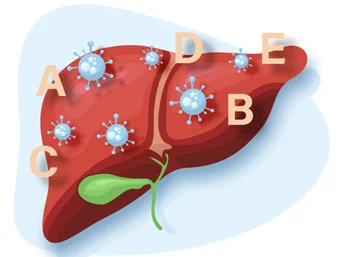
The global burden is driven largely by hepatitis B and C infections, both of which can progress silently for years. Many people are unaware of their status until complications develop, and this delay leads to greater morbidity and mortality. Chronic infection accounts for a significant share of chronic liver disease and liver cancer cases globally.
In Nigeria, hepatitis B prevalence is between 8–12%, while hepatitis C ranges between 1–2%, reflecting a substantial public health challenge. The link between hepatitis and cancer has been well established, as chronic hepatitis B and C infections are the major causes of liver cancer globally.
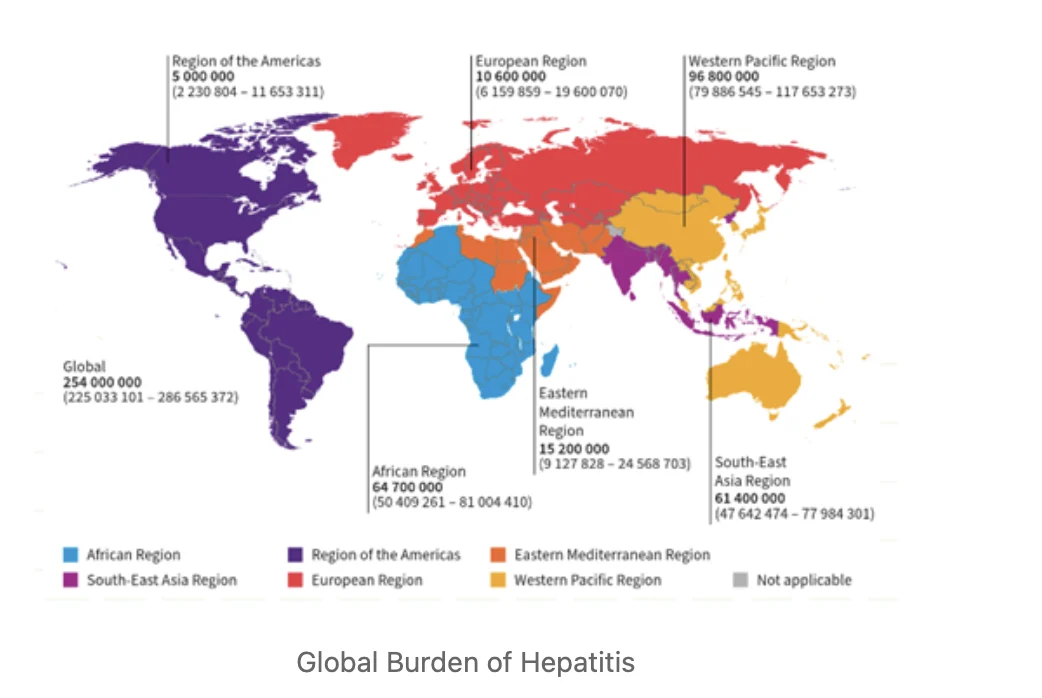
Addressing hepatitis is therefore central to cancer prevention efforts, including early detection and access to treatment. This connection provides a clear basis for stronger collaboration across sectors, particularly in LMICs (such as those in Africa and Asia), where hepatitis B and C remain highly prevalent. A large proportion of those living with chronic infection are not diagnosed or linked to care.
Contributing factors include low awareness, limited access to screening, high out-of-pocket costs, and gaps in service delivery. Hepatitis B is a vaccine-preventable disease, yet coverage of the birth dose remains low.
The ongoing World Hepatitis Summit 2026 in Taiwan is an important platform to strengthen global action. The UICC, represented by Sonali Johnson and my board colleague, Todd Harper, is a part of the summit. Also present are government leaders, civil society, clinicians, researchers, and affected communities, recognising that elimination requires coordinated, multi-stakeholder action. It also presents an opportunity to work more closely with cancer organisations such as the Union for International Cancer Control (UICC) and the World Hepatitis Alliance, as well as their associated networks. Through collaboration, progress can be accelerated.
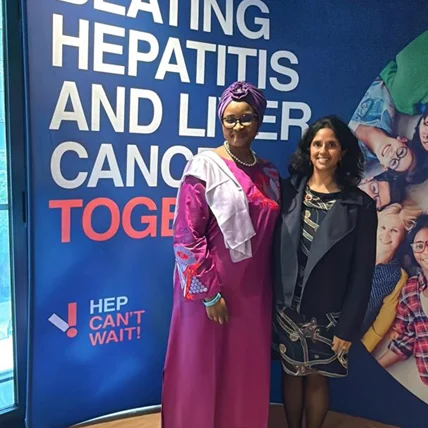
As part of my commitment to strengthening partnerships across sectors, I met with the World Hepatitis Alliance, including a panel session on the margins of the United Nations General Assembly in New York last September, where we discussed integration, access, and global coordination.

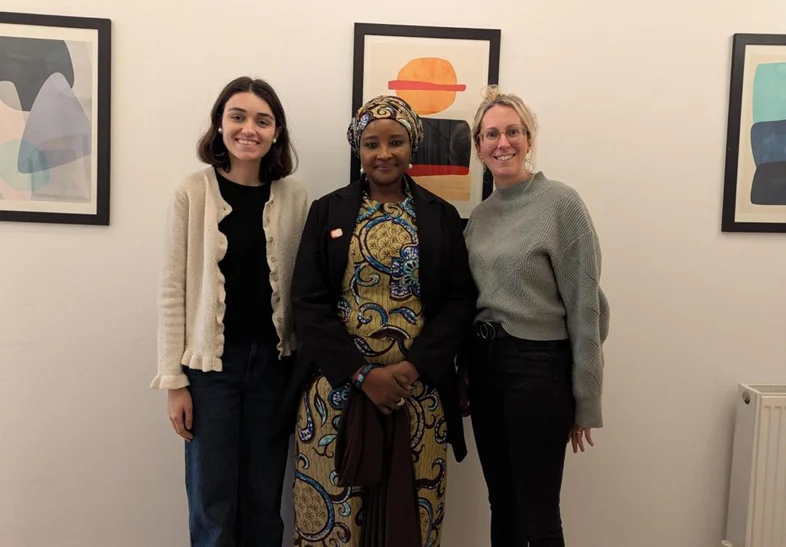
Despite the availability of effective tools for prevention and treatment, access remains inequitable. Hepatitis is highly stigmatised, particularly given its association with transmission routes such as drug use and sexual contact, which can conflict with social and cultural norms in many settings.
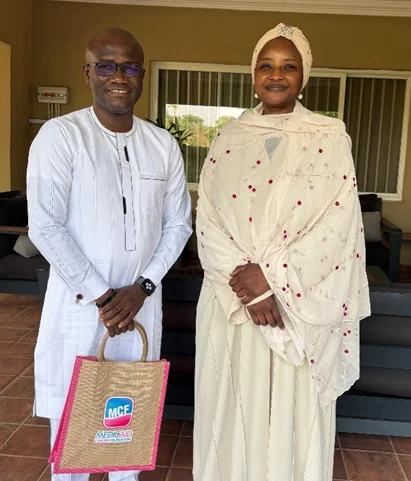
Back home in Nigeria, I met with Dr. Danjuma Adda and the Director-General of the National Health Insurance Authority, Dr. Kelechi Ohiri, to discuss strengthening health insurance coverage and advancing clinical trials as part of the national response. There is a clear opportunity to integrate hepatitis prevention, diagnosis, and treatment into NHIA benefit packages, while increasing investment in clinical trials to improve treatment options and generate local evidence. Expanding access to screening, improving linkage to care, scaling up hepatitis B vaccination, including the birth dose, and strengthening public awareness are critical priorities.


As Danjuma Adda noted, ‘Hepatitis elimination cannot happen while millions remain undiagnosed, untreated, and excluded from care.’
The tools to eliminate hepatitis are already available. The focus now is to ensure these services are accessible, affordable, and widely available. Also, stronger collaboration between the hepatitis and cancer communities will support initiatives and improve outcomes.
The World Hepatitis Summit 2026 brought together stakeholders who can advance this work. Were you at the World Hepatitis Summit 2026, April 28–30, in Bangkok, Thailand?”
More posts featuring Zainab Shinkafi-Bagudu.