





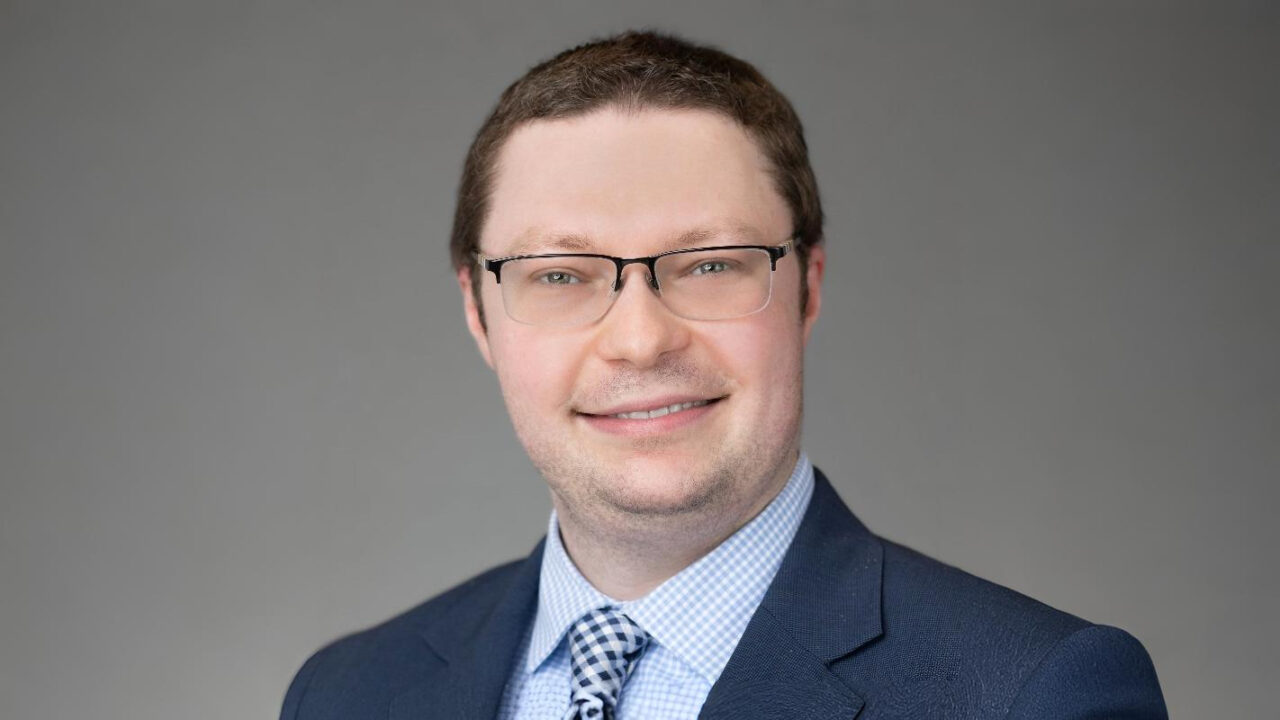
Yan Leyfman, Medical Oncologist, Co-Founder and Executive Director of MedNews Week, shared a post on X:
“Gene editing is rapidly redefining what’s possible in sickle cell disease-and this is a notable signal.
Reni-cel (renizgamglogene autogedtemcel): a CRISPR-Cas12a-edited autologous HSC therapy designed to reactivate fetal hemoglobin (HbF) by disrupting BCL11A binding at HBG1/2 promoters.
Here’s what stands out from this phase 1-2 study:
- 28 patients with severe SCD (≥2 VOCs/year)
- Single infusion after busulfan myeloablation
- Median follow-up: 9.5 months
Robust hematologic response:
- Hb: 9.8 – 13.8 g/dL by 6 months
- HbF: 2.5% – 48.1%
- Durable maintenance thereafter
Vaso-occlusive events:
- 27/28 patients had zero VOCs post-infusion
Engraftment kinetics:
- Neutrophils: median 23 days
- Platelets: median 25 days
Safety:
- AEs consistent with busulfan conditioning + autologous transplant
- No unexpected safety signals
Key insight:
Rather than adding genes, this approach edits regulatory architecture to unlock endogenous HbF-functionally mimicking hereditary persistence of fetal hemoglobin.
Bottom line:
A one-time, gene-edited therapy achieving near-normal hemoglobin, high HbF, and elimination of VOCs in most patients-a compelling proof-of-concept despite early study termination.”
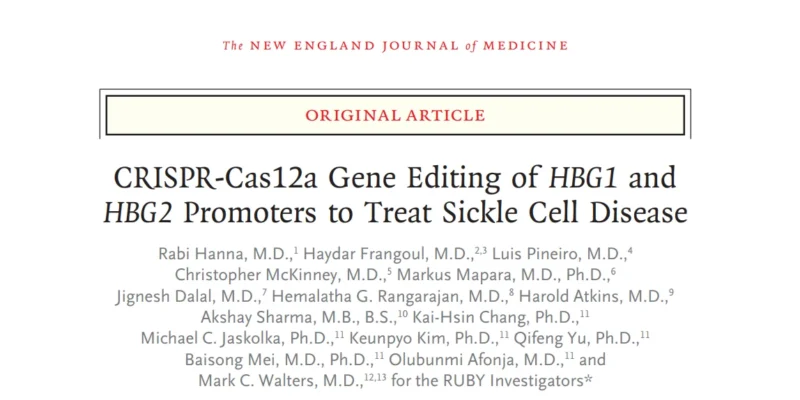
Title: CRISPR-Cas12a Gene Editing of HBG1 and HBG2 Promoters to Treat Sickle Cell Disease
Authors: Rabi Hanna, Haydar Frangoul, Luis Pineiro, Christopher McKinney, Markus Mapara, Jignesh Dalal, Hemalatha Rangarajan, Harold Atkins, Akshay Sharma, Kai-Hsin Chang, Michael Jaskolka, Keunpyo Kim, Qifeng Yu, Baisong Mei, Olubunmi Afonja, Mark Walters.
Other articles featuring Yan Leyfman on OncoDaily.