





St. Jude Children’s Research Hospital shared a post on LinkedIn:
“Rather than limiting mentorship to faculty or senior researchers, St. Jude integrates mentoring, leadership and communication skills throughout training, from early-career programs to postdoctoral development. This layered approach helps scientists build the confidence and perspective needed to succeed in increasingly complex roles.
Early pipeline programs introduce foundational mentoring and leadership skills, but mentorship becomes more structured and deliberate as careers advance. Programs such as the Emerging Leaders in Biomedical Research program help trainees develop leadership competencies earlier than in typical academic environments.
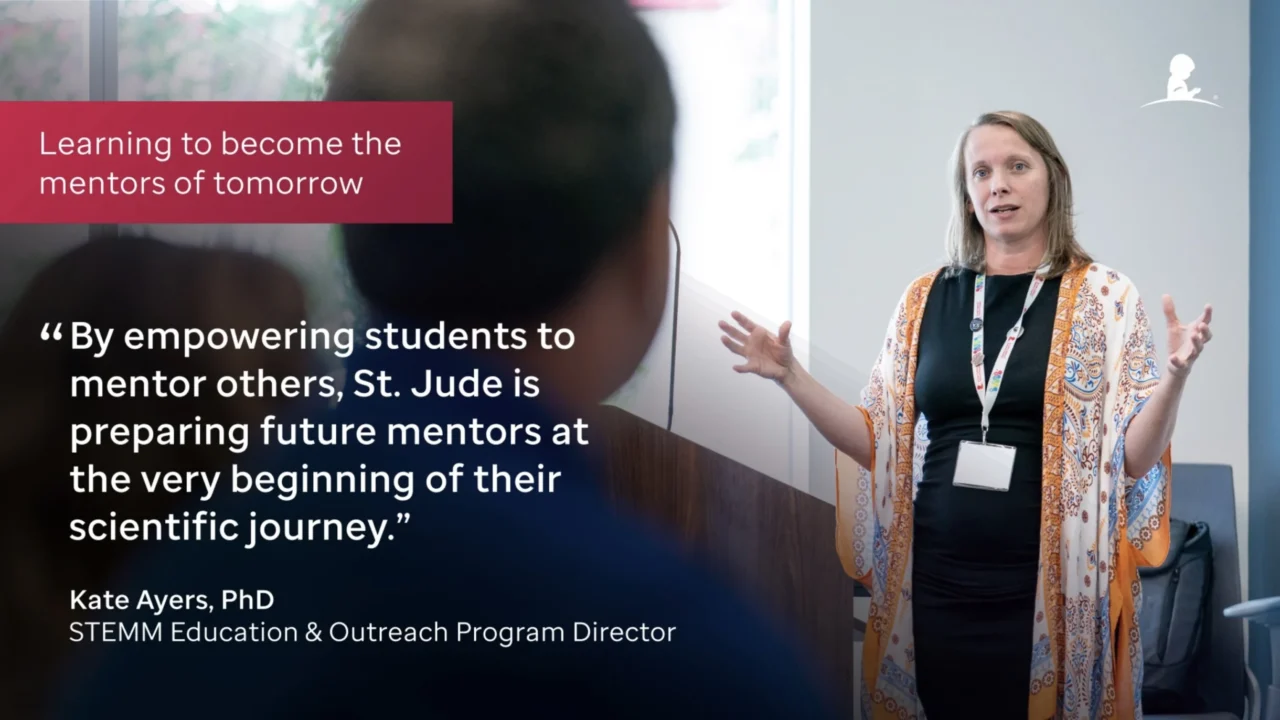
‘Being a scientist also requires leadership, communication and a sense of scientific citizenship,’ said Kate Ayers, PhD, STEMM Education and Outreach Program director. ‘By introducing those skills earlier, we can better prepare scientists for the full range of responsibilities they will take on later in their careers.’
As scientists move into postdoctoral roles and beyond, St. Jude offers targeted mentorship training through initiatives such as Entering Mentoring and the Strategic Milestones and Research Training (SMaRT) Plan. These programs help align expectations, strengthen communication and support goal setting for both postdocs and faculty, making mentorship more intentional and effective across research teams.
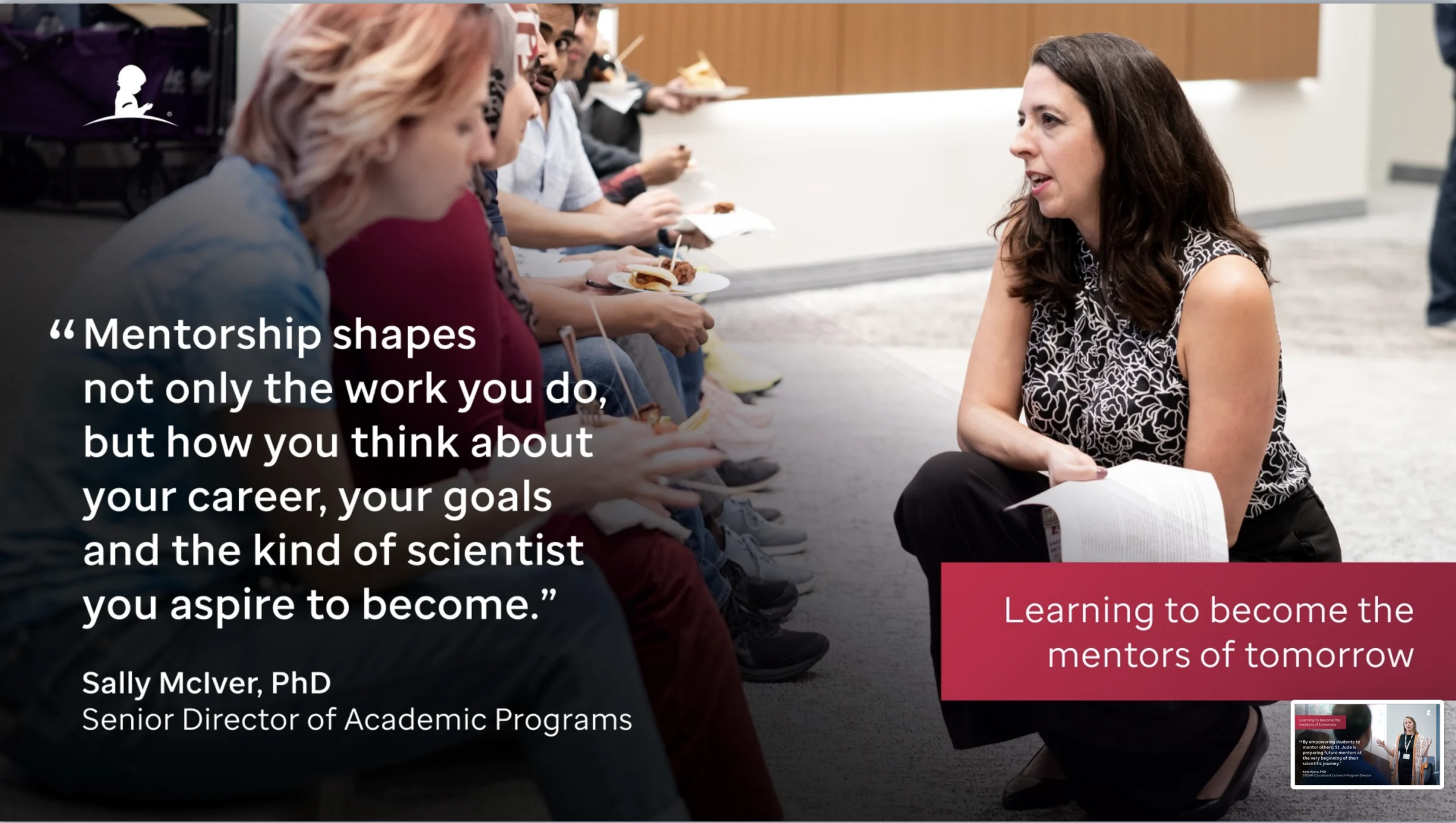
The focus on structured mentorship carries forward into faculty development as well. ‘Too often, there’s an assumption that when someone steps into a leadership role, they will naturally know how to mentor others,’ said Sally McIver, PhD, senior director of Academic Programs. ‘We have systems and programs in place to support scientists in learning how to be effective mentors.’
Read about more mentorship programs offered at St. Jude.”
More posts about St. Jude Children’s Research Hospital.