Sharon Kapambwe, Technical Officer of Cancer Control at the World Health Organization, shared a post on LinkedIn:
“Education within healthcare settings for children with cancer in Uzbekistan: Visit by WHO Director-General
Long‑term illness can change the trajectory of a child’s life in ways that go far beyond health. For children with cancer, long periods of treatment and hospitalisation often mean disrupted schooling, isolation from peers, and uncertainty about the future. When these impacts are not addressed, they risk becoming lifelong disadvantages.
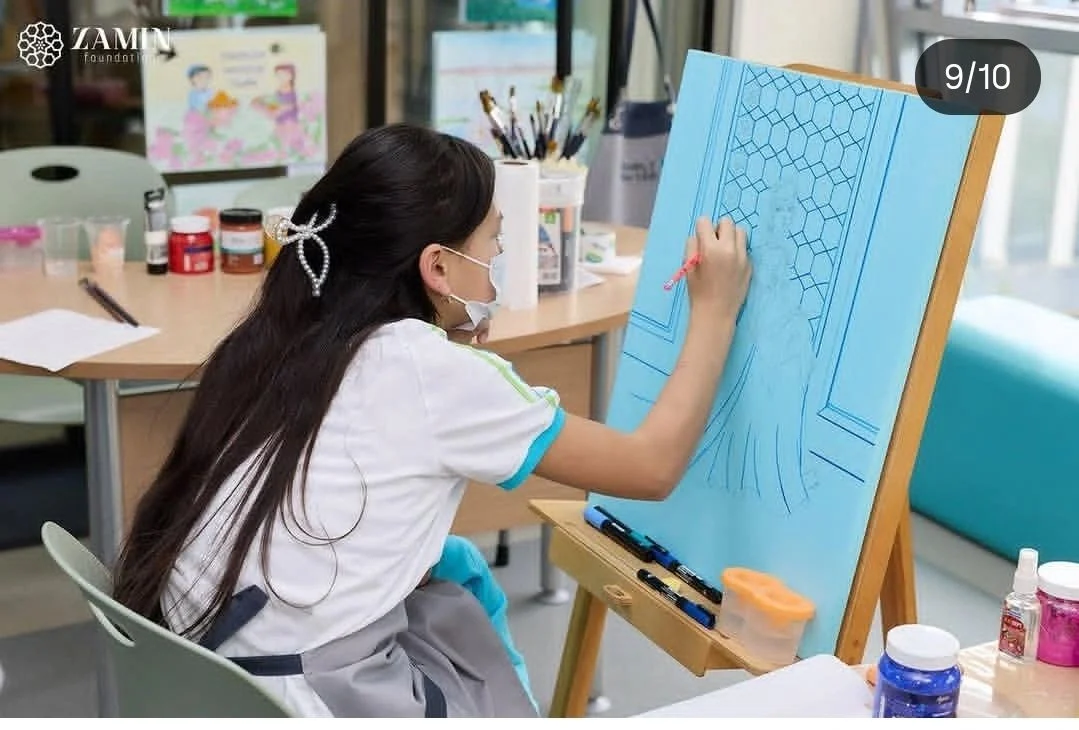
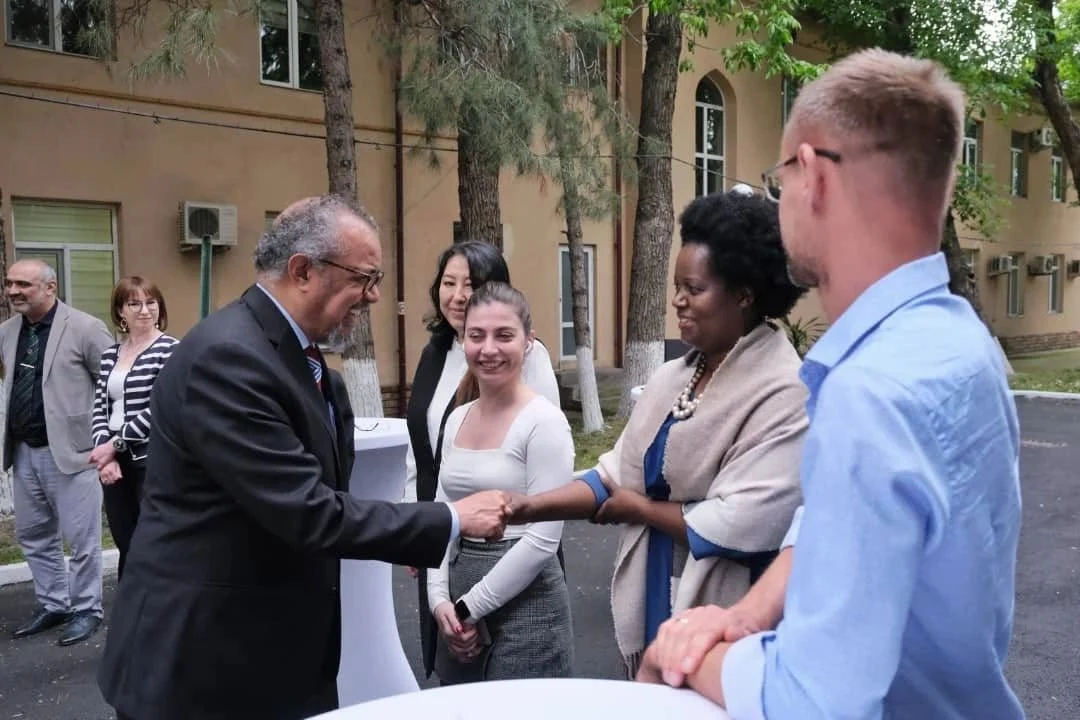
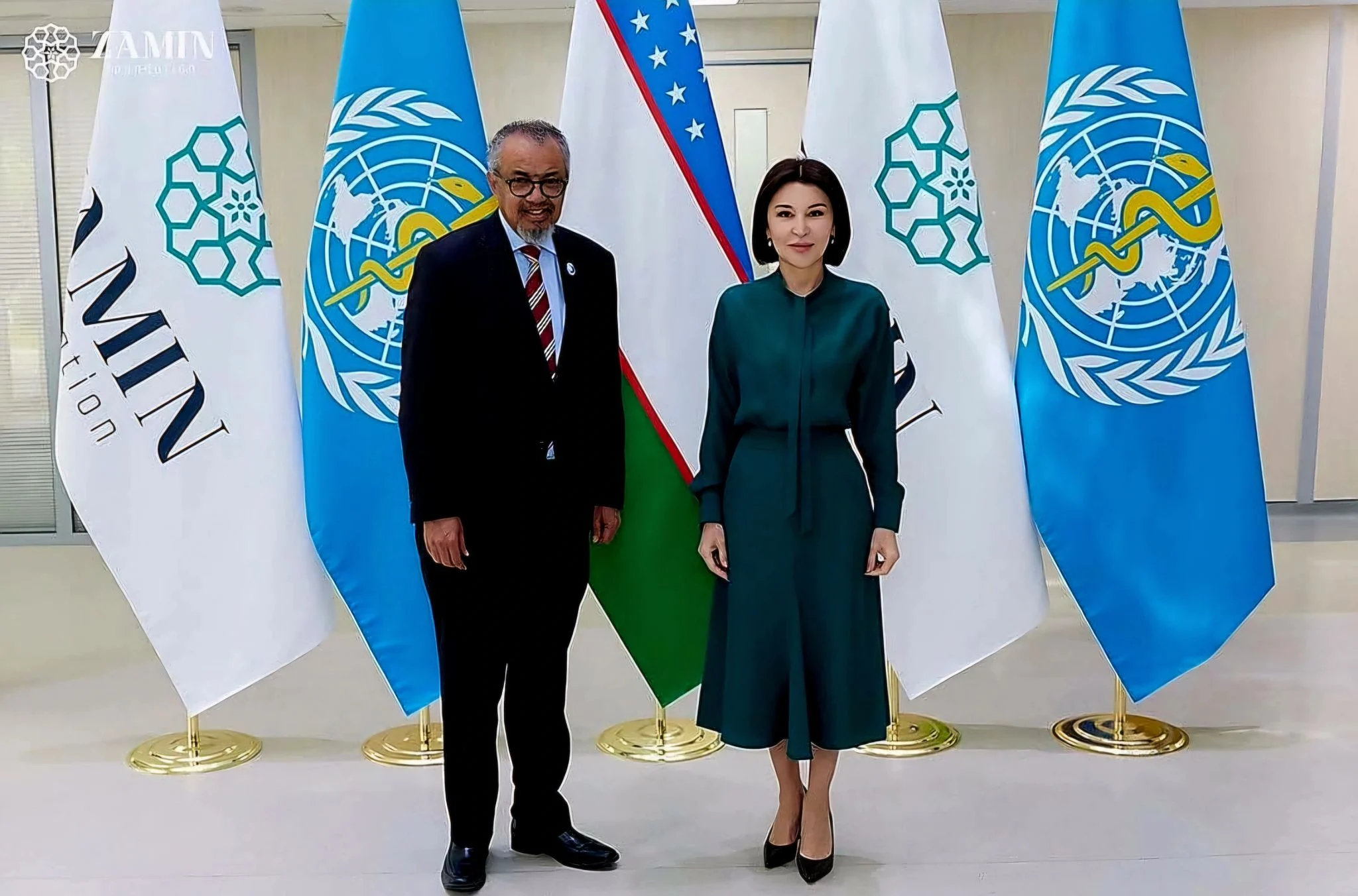
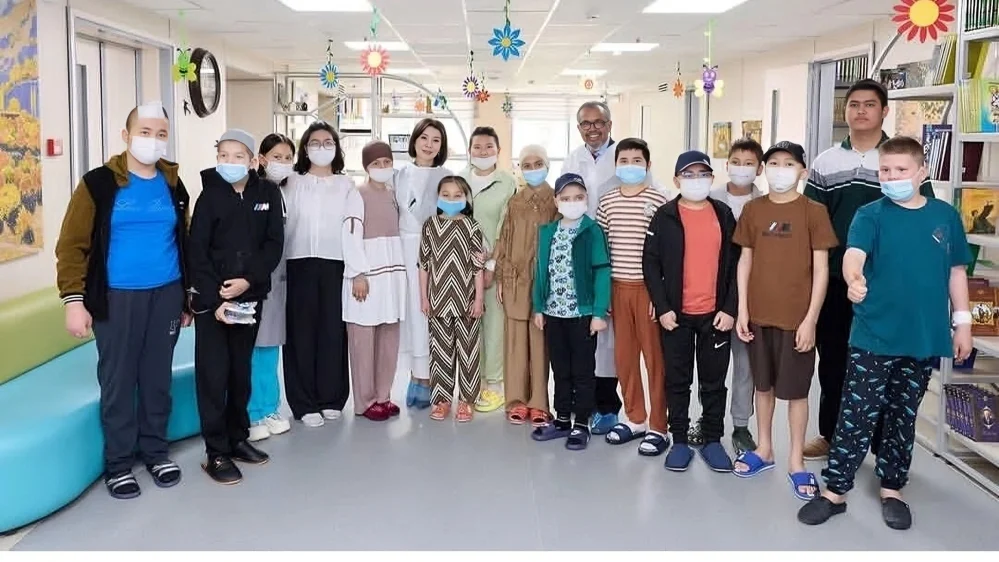
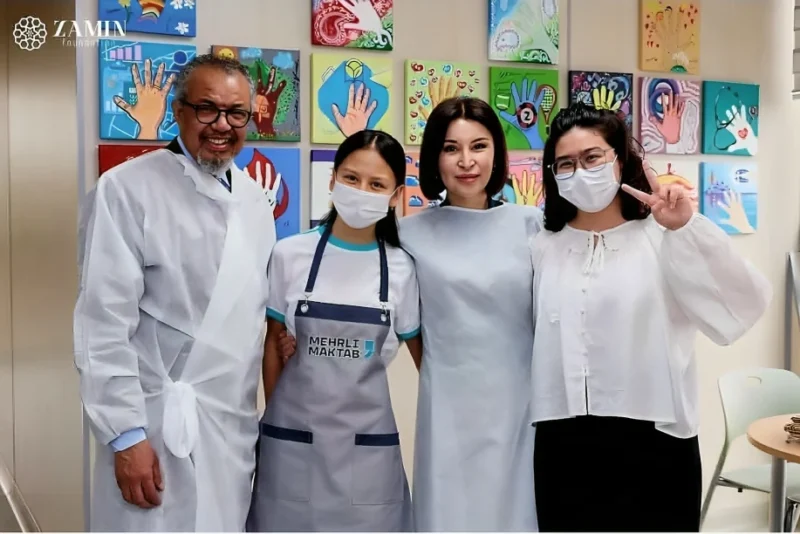
Last week, during the visit to Mehrli Maktab located within the Centre of Pediatric Hematology, Oncology and Immunology with WHO Director‑General Dr. Tedros Adhanom Ghebreyesus and Uzbekistan’s First Lady, Dr. Ziroat Mirziyoyeva, I saw firsthand what it looks like when a system chooses to respond differently.
What stood out to me was not just the presence of a school within a hospital, but the intent behind it. By deliberately linking health and education services, Uzbekistan is sending a powerful message: a child’s illness should not decide their educational future. Teachers, healthcare providers, and families are working together to help children continue learning, stay connected, and feel supported throughout their treatment.
This experience was a reminder of a simple but critical equity principle-health challenges should never translate into permanent educational disadvantage. Education in healthcare settings is not an optional add‑on; it is part of a broader social protection response that helps children and families navigate incredibly difficult periods of their lives.
Uzbekistan’s approach offers important lessons on what is possible when systems work together for children, not in silos, but with shared purpose.
Most of all, it was deeply heartwarming to meet young girls like Samira and Dilnavoz. Listening to their dreams and professional ambitions made it clear that cancer has not diminished their hopes or sense of possibility. They are a powerful reminder of why this work matters and why no child should be defined by their diagnosis.
WHO in partnership with St. Jude supports Uzbekistan on childhood cancer through two global initiatives on childhood cancer: Global Initiative for Childhood Cancer and the Global Platform for Access to Childhood Cancer Medicines.”
Other articles featuring Sharon Kapambwe on OncoDaily.