





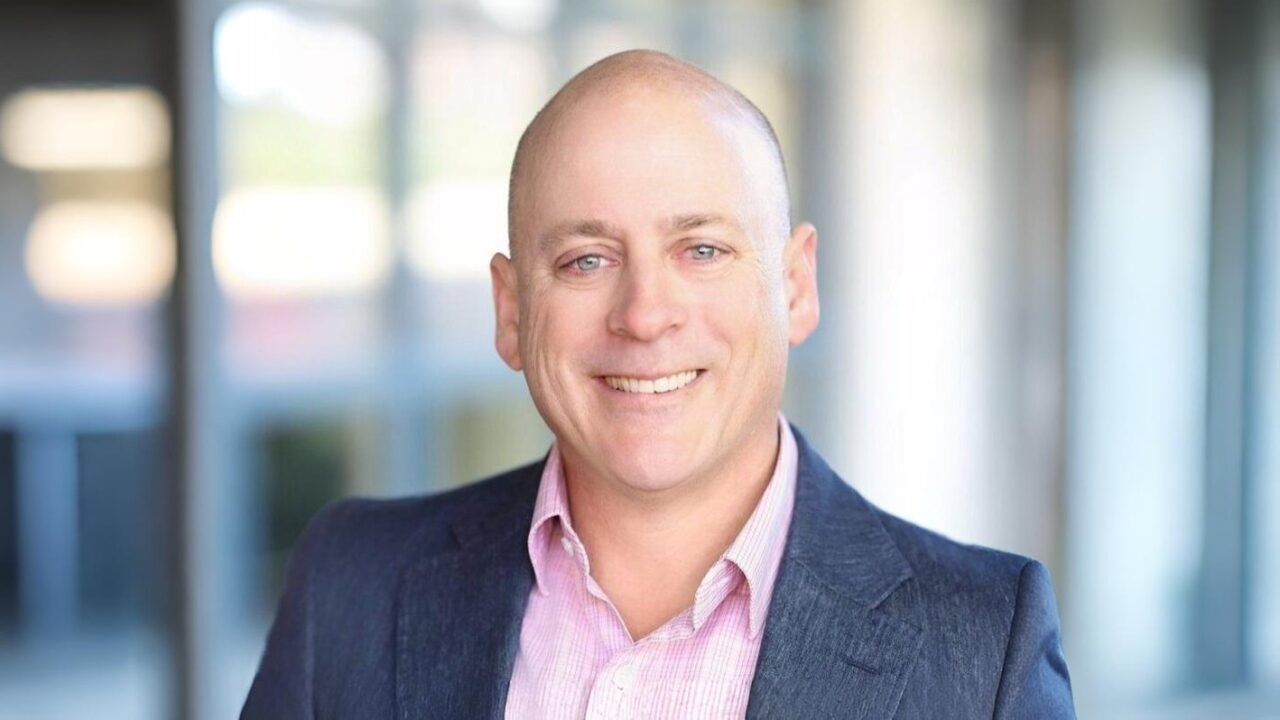
Sean Lybrand, Executive Director, Access to Healthcare at Amgen, shared a post on LinkedIn:
“Global Platform for Access to Childhood Cancer Medicines (GPACCM) – market-shaping roundtable – 18 May 2026
On Monday I was invited to an event by St. Jude Children’s Research Hospital to discuss ‘market-shaping activities in support of the GPACCM, and asked to provide a short statement on behalf of Amgen and also in my role as co-Chair of the Health Progress Working Group of IFPMA.
Because of the excellent interventions of the previous speakers, I kept my intervention short. However, I did want to provide a version of ‘my original intervention here to record what the impact of the Platform means to me, and what we’re doing to support childhood cancer outcomes. It’s unapologetically a bit of a read (quicker to say!) but important to state how I feel about this momentous effort. Here goes:
What WHO and St Jude are doing with the Global Platform is a magnificent contribution to the health and wellbeing of children with cancer.
We must acknowledge that the provision of medicines to qualifying countries is an incredible gift – not just financially, but structurally.
As a participant and a supporter of the aims of the Global Platform, we are actively working with collaborators to ensure that the Platform is an opportunity to consider that childhood cancer outcomes are about much more than just medicines access. We are committing to, and urge our collaborators and colleagues, to use the period to embed important systems change that also:
- improves early diagnosis
- improves capacity in diagnostics and return times
- reduces other forms of financial toxicity or barriers to access
- recognise that geography plays an important part in access to quality healthcare and its impact on abandonment rates
- ensures that appropriate improvements in knowledge and health literacy occur and are available for families impacted, and helps to increase supportive care actions including psychosocial care, palliative care and survivorship support.
To paraphrase Albert Sabin – a medicine that sits upon the shelf is useless. To extend that, a child who has cancer but is unable to get to care because geographic barriers and travel costs prohibit the journey of the parents to a far-off central hospital is a lost opportunity that we collectively also need to understand and address if we are to truly embrace the positive impacts of the Platform. Simply put, it’s more than medicines, and I am appreciative of the efforts of WHO and St Jude, and many others to ensure the Global Platform can deliver comprehensive support to children living with cancer, and their families.”
Other articles featuring Sean Lybrand on OncoDaily.