





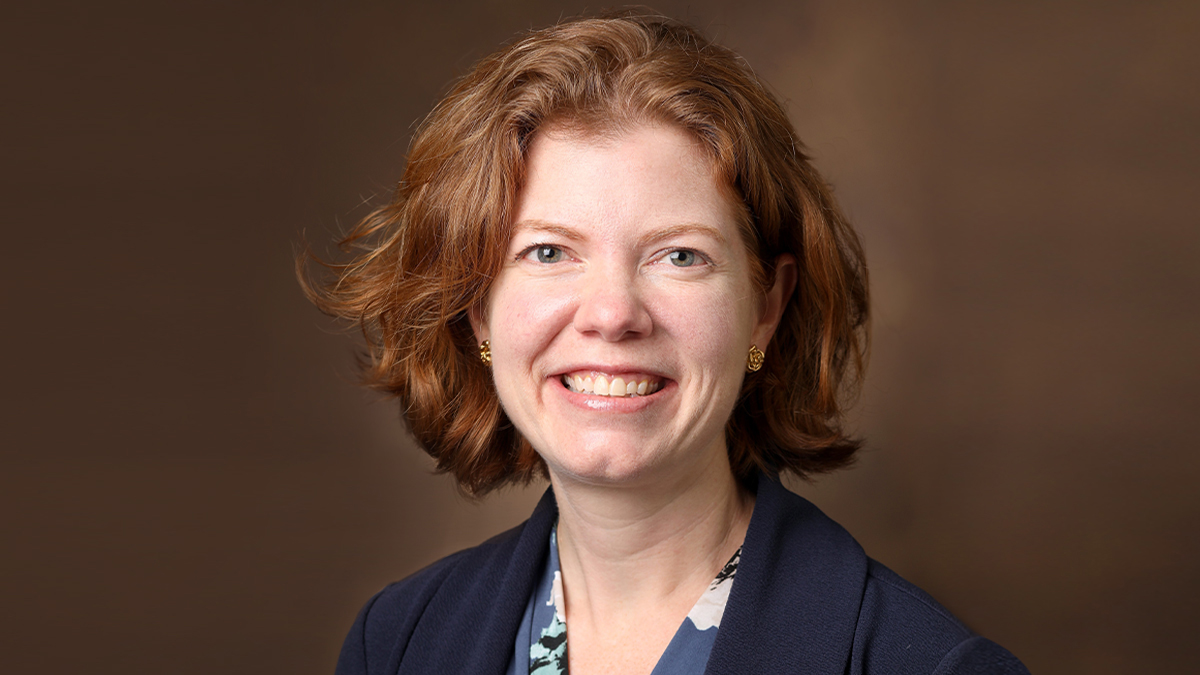
Katy Beckermann, Medical Director of GU Clinical Research at Tennessee Oncology, shared a post on LinkedIn:
“Just landed from AACRKidney2026. My brain is still running hot. Here is what I am thinking about.
- The immunity cycle in ccRCC is not one problem, it is many. David Braun showed us where it breaks and why that matters for combination design. Work from his lab pinpoints TGFB1 as a driver of exhausted resident memory T cells in ICI-resistant RCC. A real mechanistic handle on resistance.
- Not all T cells are created equal. Our data show that mitochondrial membrane potential (TMRE) identifies CD8+ T cells with the metabolism, phenotype, and tumor-matched TCRs to respond to immunotherapy in RCC. Biomarker potential? We think so.
- Metabolism is a target, not a bystander. Celeste Simon’s SCARB1 and HSD3B7 data was elegant. ccRCC may be a cholesterol auxotroph. Blocking SCARB1 may induce ferroptosis in ccRCC, making SCARB1 a compelling node to exploit.
- Metastasis is metabolically programmed. Kimryn Rathmell showed how NDUFA4L2 drives a shift to low ox-phos, depletes succinate, and rewires the epigenome to enable spread.
- Biomarkers are maturing. Laurence Albiges made the case for pragmatic integration in RCC trials. 92% local-central PD-L1 concordance in CARES1. Ideas for KIM-1 alongside T stage in the adjuvant setting. Signals worth prospectively validating.
- The tools are finally catching up to the questions. Daniela Thommen’s ex vivo human tissue modeling is exactly the platform science needed to bridge TME biology and clinical trial design.
Grateful for the science and the community. This field attracts people who are genuinely trying to solve the problem.”
Other articles featuring Katy Beckermann on OncoDaily.