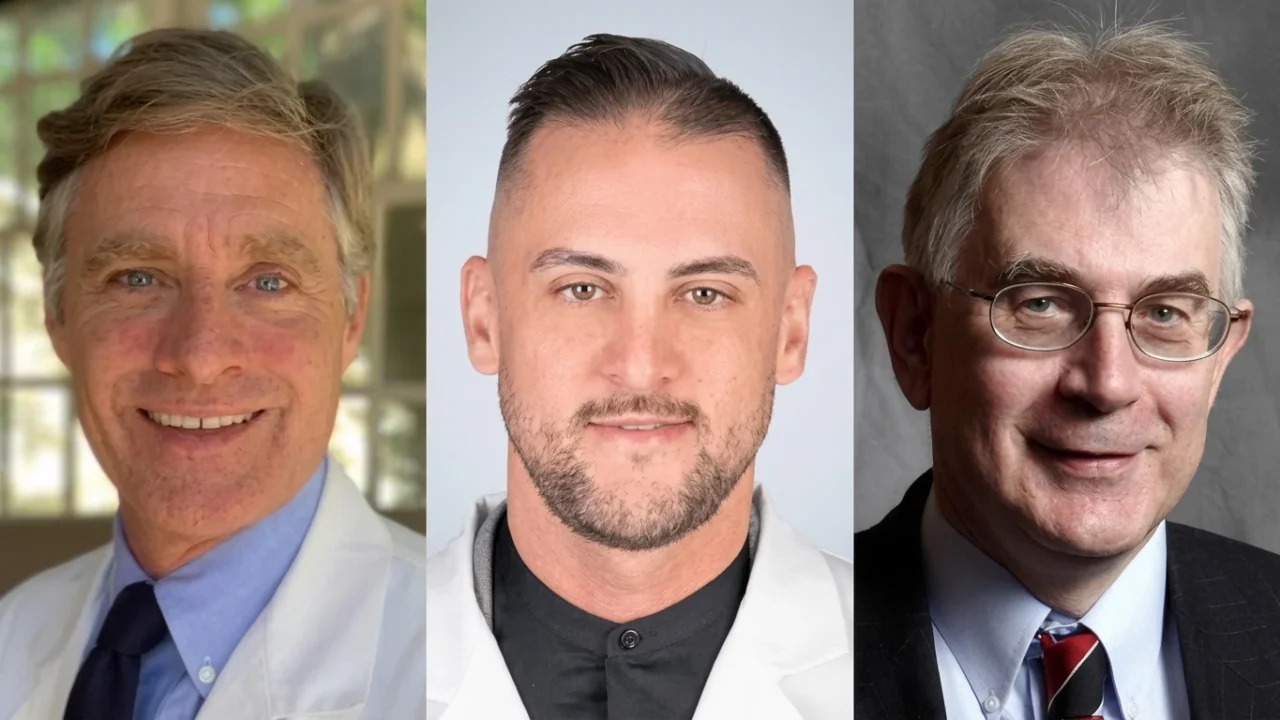
James Hamrick, Chair of Precision Oncology Alliance at Caris Life Sciences, shared on LinkedIn:
“A patient arrived at Dr. Vitor Pastorini’s clinic with a diagnosis of metastatic triple-negative breast cancer. She had no breast mass, and her pattern of lymph node involvement was unusual. He took a closer look.
Molecular profiling with GPSai, followed by pathology review, pointed to Hodgkin lymphoma changing both her diagnosis and treatment.
On Oncology Data Advisor’s Exploring AI in Oncology, Dr. Pastorini and our Caris Life Sciences Chief Medical Officer Dr. George Sledge, discussed how AI can flag findings that warrant further investigation, with additional testing and multidisciplinary review helping confirm the diagnosis.
As Dr. Sledge put it,
‘The hardest job on the planet right now is being a general medical oncologist.’
Community oncologists care for patients with cancers across organ systems. That breadth of experience can help them recognize when a case doesn’t fit. Combining their clinical judgement with comprehensive molecular profiling can help patients get the right diagnosis and inform what comes next.
More About
GPSai is a deep learning model that evaluates genomic signatures to determine tumor origin, demonstrating approximately 95% accuracy when benchmarked against cohorts like TCGA. According to Dr. Sledge, diagnostic errors often stem not from carelessness, but from cognitive bias and routine pattern recognition.
Dr. Sledge notes that in Caris studies, roughly 3% of specimens diagnosed as squamous cell lung carcinoma were identified by GPSai as metastatic squamous cell carcinomas originating from other sites, which on a large scale represents thousands of patients potentially receiving misdirected therapy, adding that the tool is also useful for cancers of unknown primary or limited biopsy tissue.
Experts emphasize that AI is not a final verdict, but an adjunctive decision-support tool. When findings conflict, additional validation is required, including targeted immunohistochemistry, mutational signature evaluation, multidisciplinary discussions, and second-opinion pathology reviews.
They discuss the need to expand access to comprehensive genomic profiling and molecular tools for all patients with metastatic disease, alongside the heavy workload of general medical oncologists and the importance of their clinical vigilance.
You can also read:
- Matthew Oberley: The Success of The AI Required WES and WTS
- Anthropic CEO Dario Amodei: Can AI Cure Cancer by 2036?