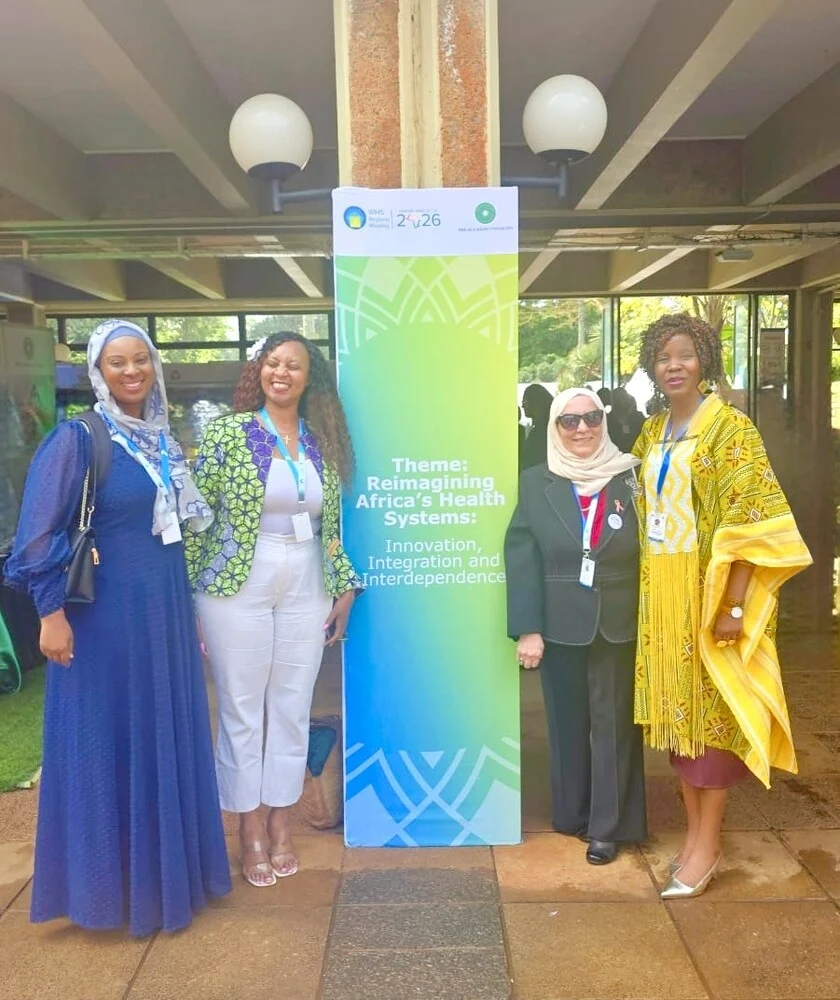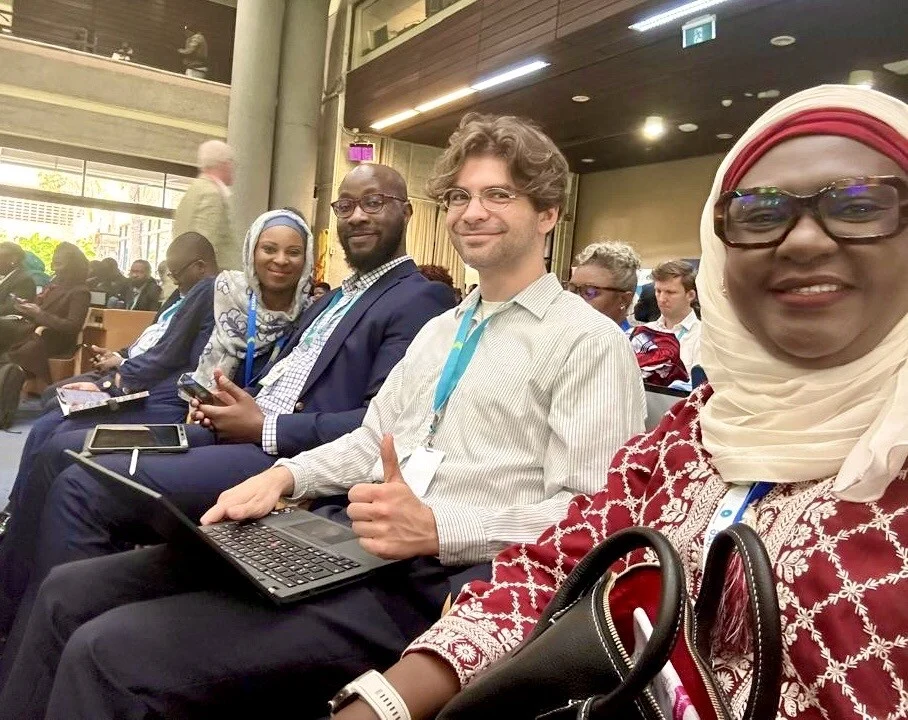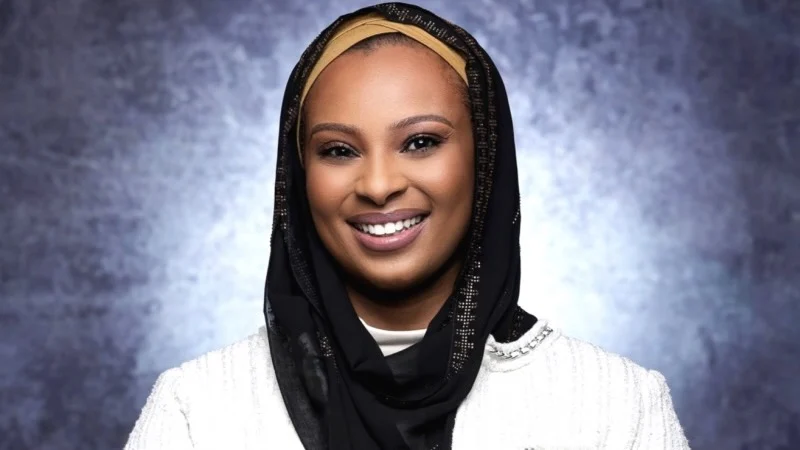
Huwaida Bulhan, Africa Region Lead at Sanofi, shared a post on LinkedIn:
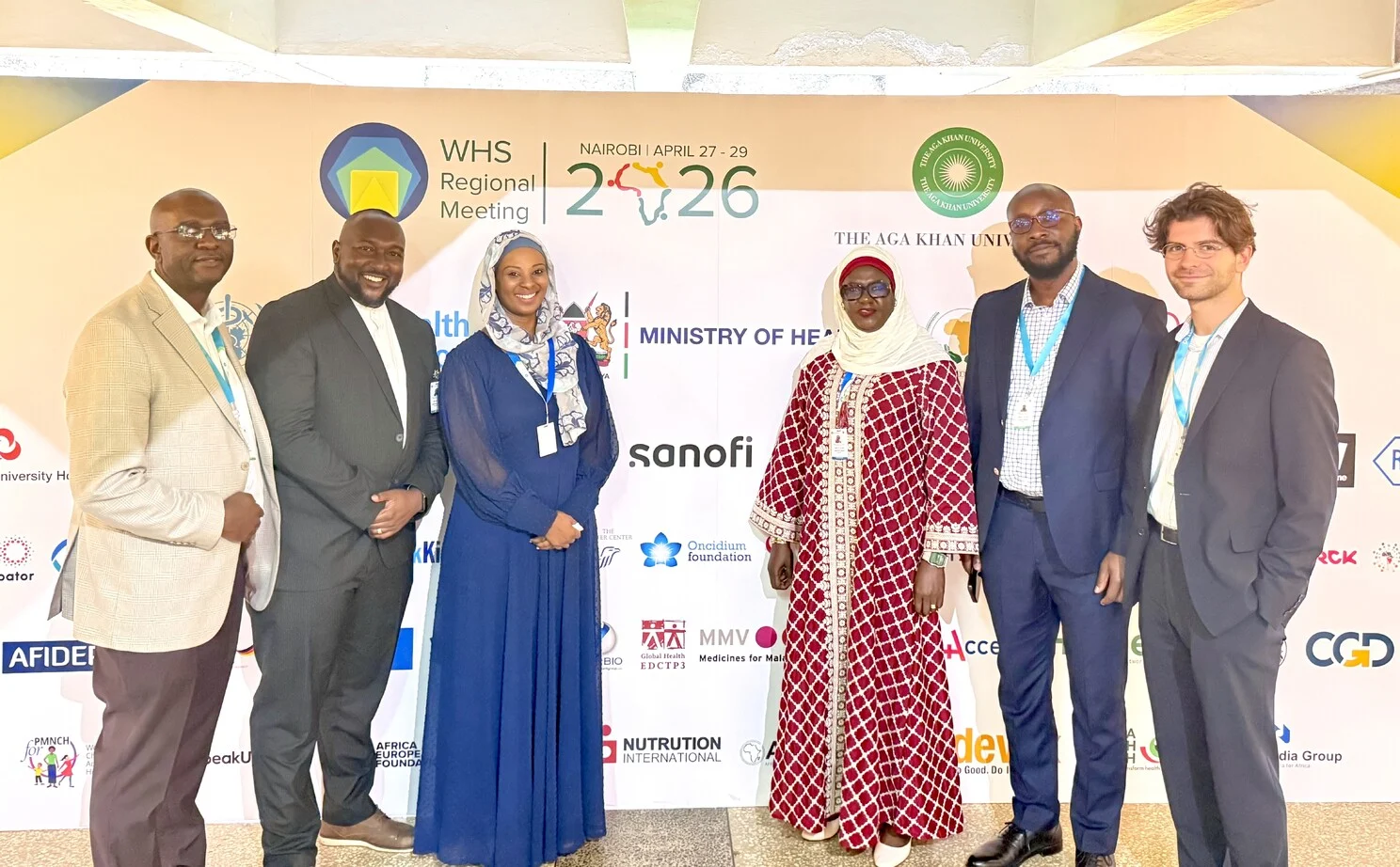
“This week, I had the privilege of joining an extraordinary panel at the World Health Summit Regional Meeting 2026 – held right here at home, at the United Nations Office in Nairobi.
This year’s Summit theme: Reimagining Africa’s Health Systems – Innovation, Integration and Interdependence.
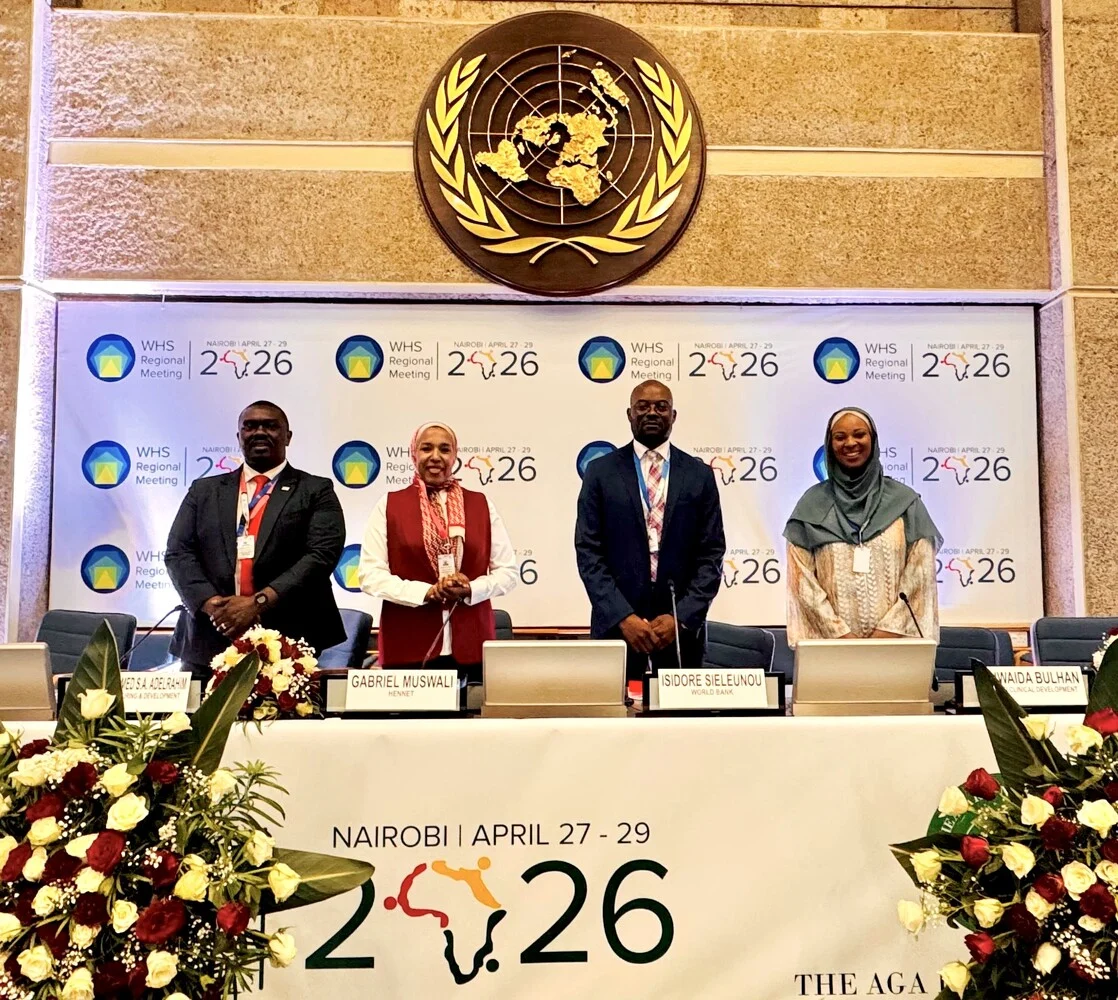
The session: Regional Supply Chain Resilience: African Manufacturing and Distribution Hubs.
But the session was about far more than supply chains. It was part of a broader conversation that defined the entire mood of WHS Nairobi 2026 – one of the most energising gatherings I have attended in my career.
As stated by the WHO Regional Director for Africa, Prof. Mohamed Janabi, ‘Africa is not waiting for permission anymore.’
Three themes rang loud and clear across the summit:
- Regional resilience driven by local priorities — not by external agendas.
- Global agencies shifting from donors to system enablers — partners in building, not gatekeepers of funding.
- Long-term investment over short-term assistance — because sustainability cannot be built on project cycles.
And perhaps the most powerful line of the entire summit came from Dr. Anisa Mburu:
‘Africa’s health future is ours to define.’
That line captured everything.
I came to this conversation as a private sector voice — but grounded in the perspective of a physician who started her career in a public hospital in this city and in rural Kenya, and who has witnessed firsthand in the last decade what supply chain failure really looks like. Not as a statistic. As a clinical trial participant whose visit gets cancelled because the lab kits didn’t arrive or there were delays in getting necessary approvals for life saving therapy to arrive in the country. As a site that has to halt operations and tell patients: we don’t know when we can continue. And if in an ideal setting of a clinical trial these vulnerabilities exist, imagine the scale of vulnerability in the clinical care services. The health of our people.
That is the human cost of getting supply chain wrong. And it is why getting it right is urgent.
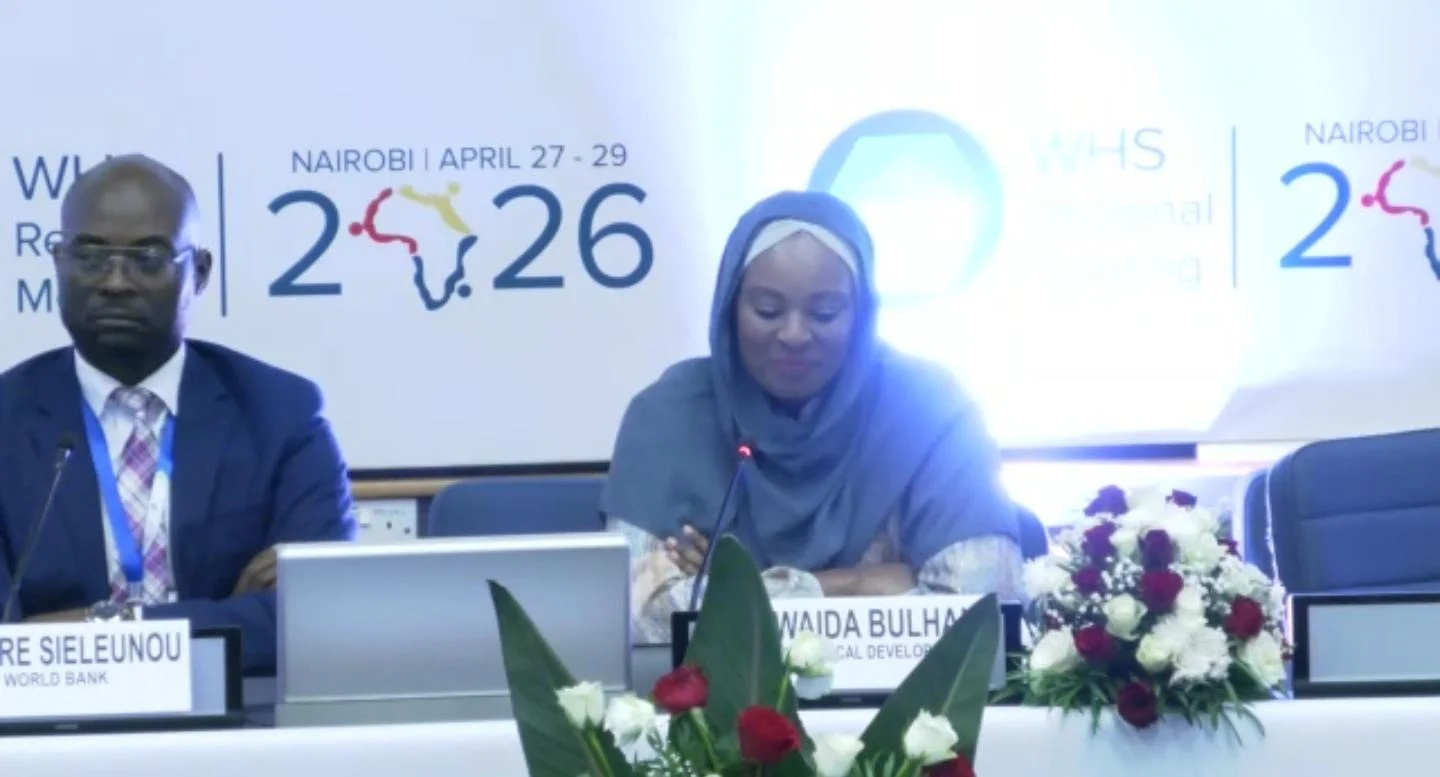
On the panel, we spoke to what it truly takes:
- Technology transfer is not a transaction. It is a relationship — built over years, with committed partners on both sides. Sanofi’s nearly 20-year partnership with the Biovac Institute in South Africa – a stepwise, sustained collaboration that has delivered over 2 million doses of paediatric vaccine into South Africa’s national immunisation programme – is what that looks like in practice.
- Regulatory harmonisation is not a technical detail. It is what makes regional manufacturing actually regional. We welcome the news from the African Medicines Agencythat AMA is open for business!
- A skilled local workforce is not a nice-to-have. It is a prerequisite.
- And ambition without accountability is just a press release.
I am proud to represent a company – Sanofi- that has demonstrated, through decades of partnership and investment on this continent, that the private sector can and must be a genuine partner in Africa’s health security future. Not a vendor. Not a donor. A partner.
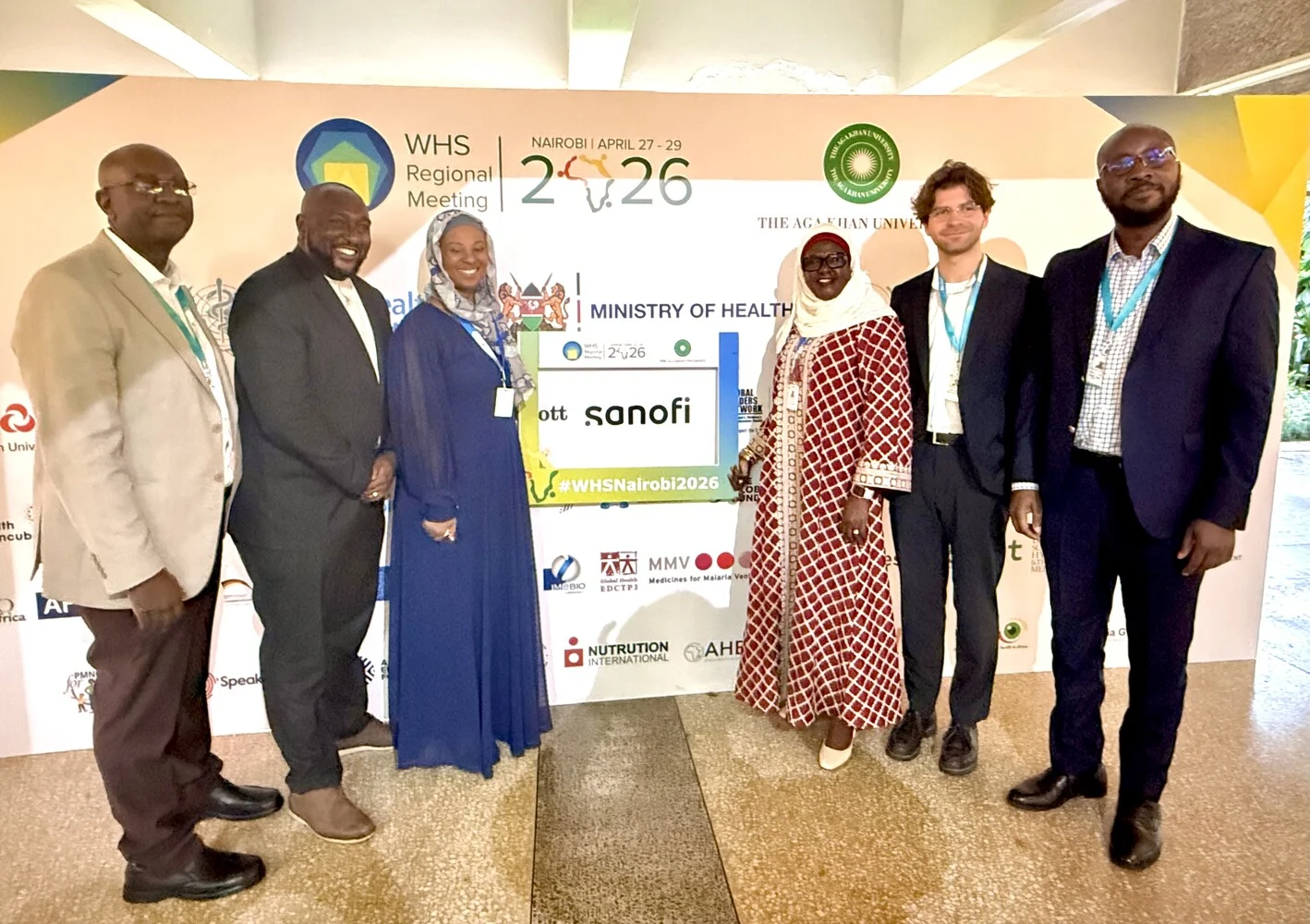
The feedback from the audience and organisers was deeply humbling. To be told that the way I explained manufacturing made it accessible in a way it hadn’t been before – that is the point. These conversations cannot stay in policy rooms. They need to reach communities, practitioners, and the next generation of African health leaders.
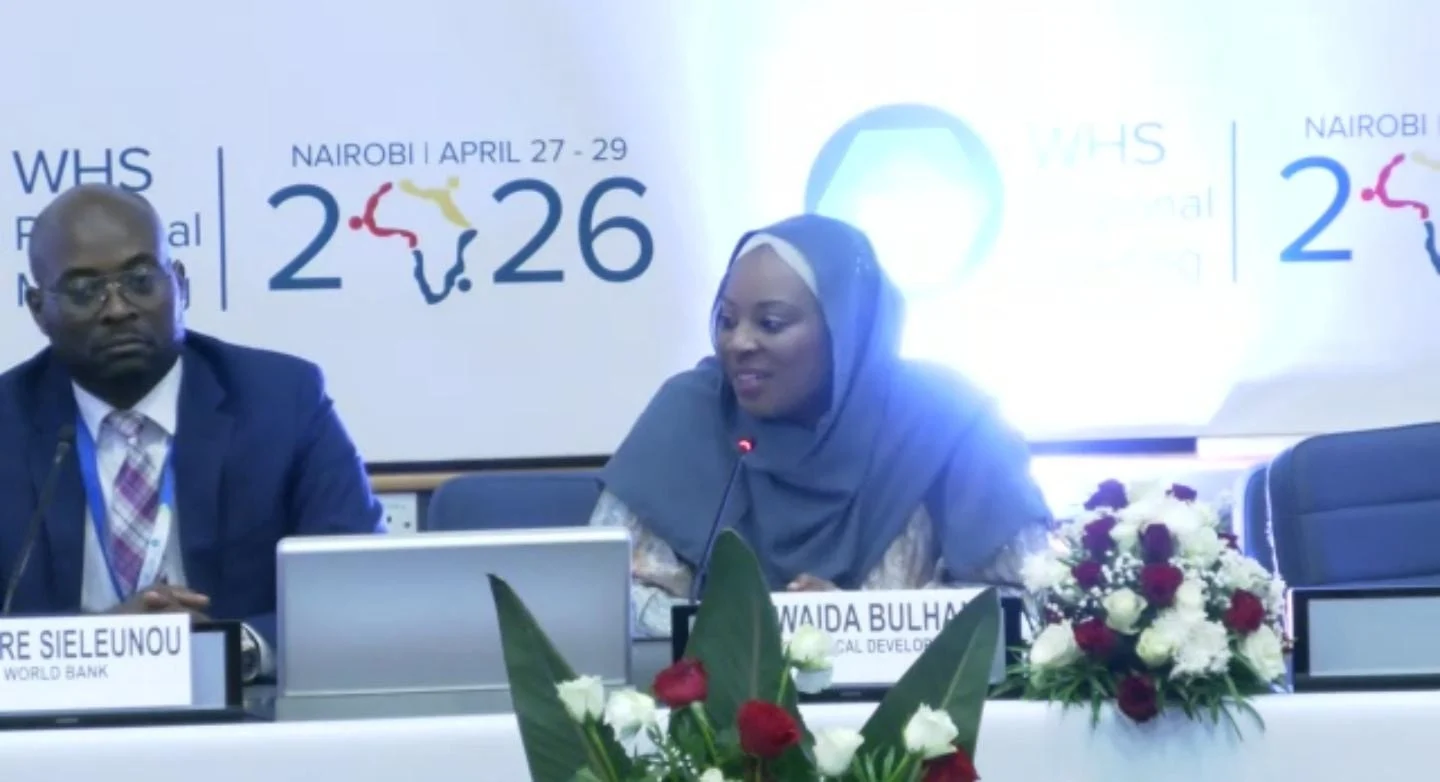
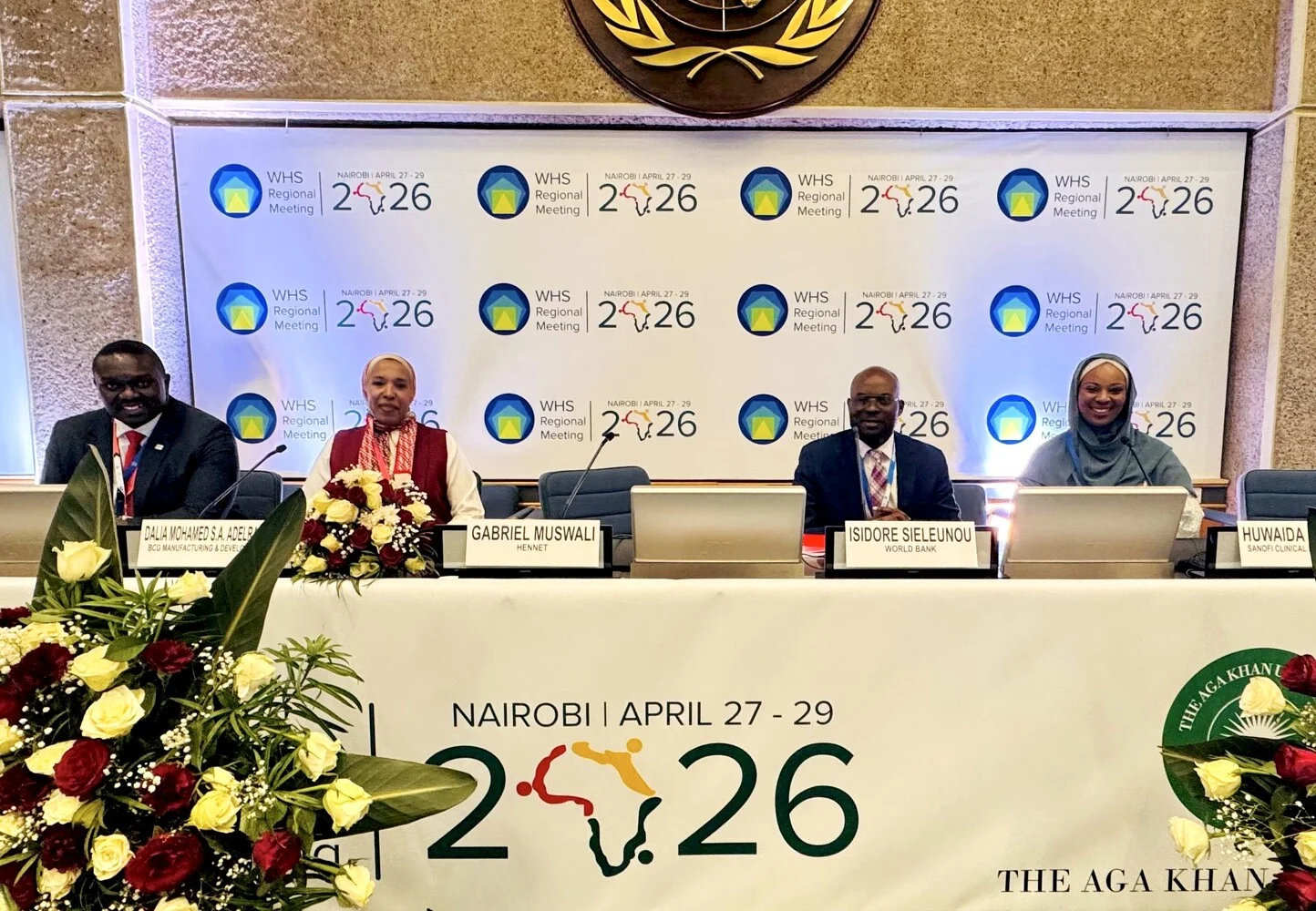
I was honoured to share the stage with an exceptional group of panellists who brought perspectives from across the continent:
- Dr. Dalia Mohamed Sayed — Vacsera, Egypt (Academia / North Africa)
- Dr. Gabriel Muswali — Technical Advisor, HENNET, Kenya (Civil Society / East Africa)
- Dr. Isidore Sieleunou — The World Bank, Cameroon (Policy / Central Africa)
And chaired with exceptional skill and warmth by Dr. Edwin Kojo Ogara— Essential Drugs & Medicines Officer, WHO Kenya Country Office.
Thank you all. What a panel. What a room. What a week.
Africa CDC’s ambition to produce 60% of the continent’s vaccine doses by 2040 is the right ambition. It is achievable. But only if we build the partnerships, the regulatory frameworks, the financing horizons, and the local capacity to sustain it.
And if you needed any more proof that this is Africa’s moment — Sebastian Sawe broke the world marathon record in London the same week, becoming the first human in history to run a sub-2-hour marathon.
In health. In sport. On every track and in every boardroom.
Africa is not asking anymore. Africa is building.
More posts on OncoDaily.