





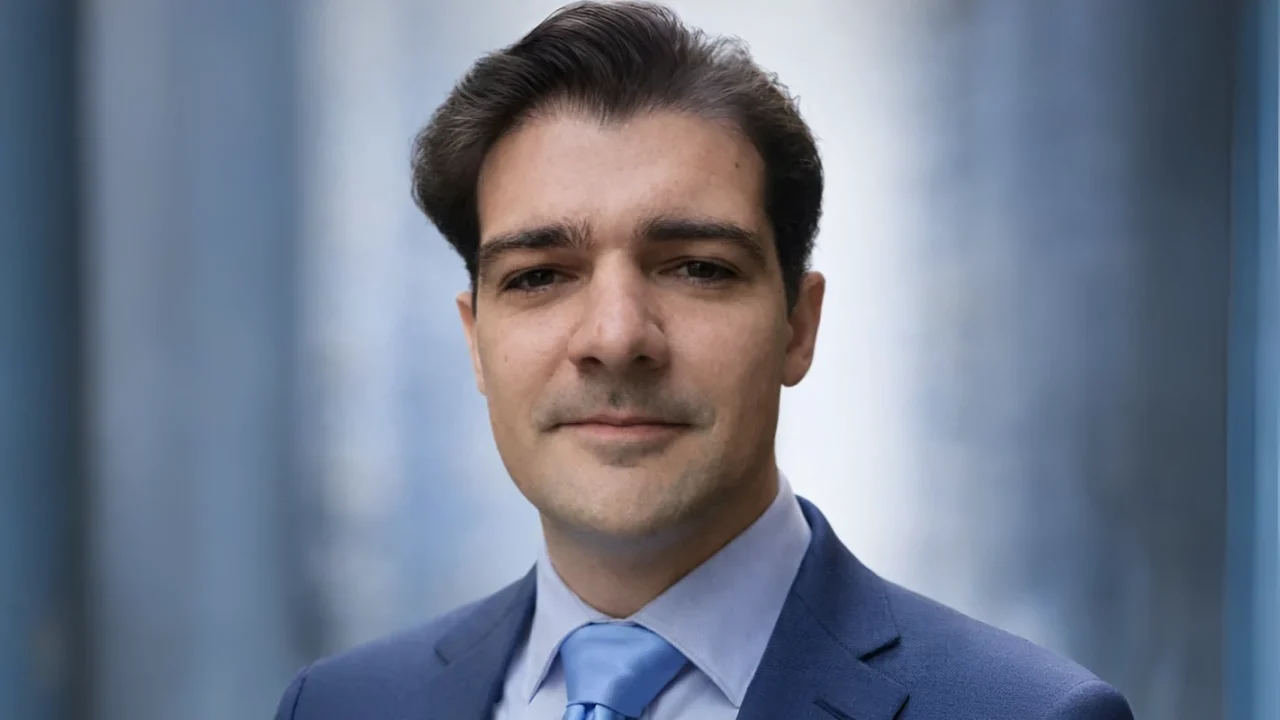
Gustavo Monnerat, Deputy Editor at The Lancet, shared a post on LinkedIn:
“The next phase of clinical AI will not be better prediction. It will be safer navigation.
Most clinical AI systems are designed to estimate risk. That is useful, but it does not necessarily answer the question clinicians face at the bedside:
What should we do next?
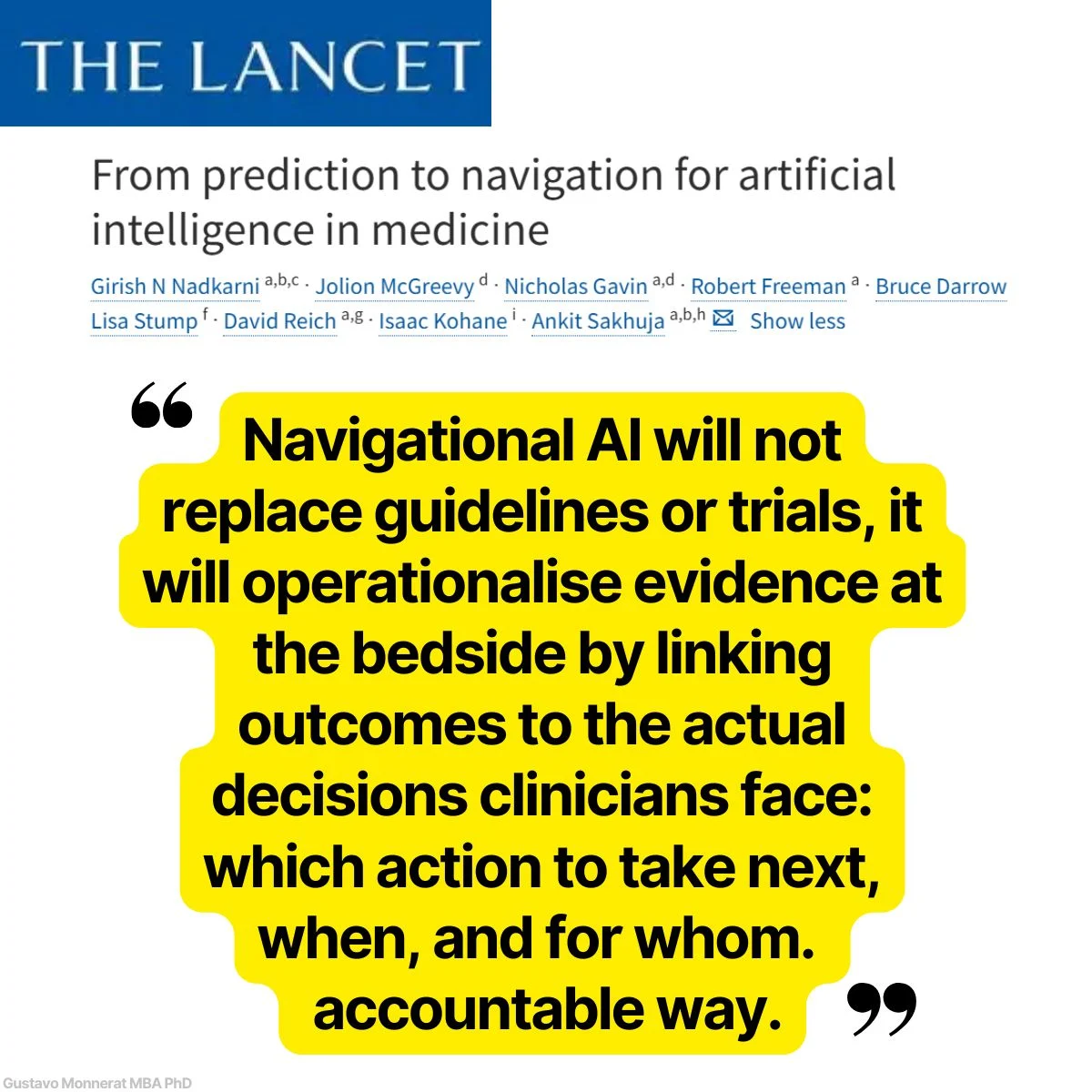
An article just published in The Lancet argues for a shift from predictive AI to navigational AI:
Prediction-only AI can increase alert burden without improving decisions. One widely implemented sepsis model, for example, had a positive predictive value of only 2.4% at a common alert threshold.
Navigational AI asks a harder and more clinically relevant question: How would this patient’s outcome change if we choose action A versus action B? That shift will require causal inference, reinforcement learning, prospective validation, randomized trials, workflow testing, and governance.
What evidence threshold should be required before AI moves from predicting risk to recommending clinical action? ”
Title: From prediction to navigation for artificial intelligence in medicine
Authors: Girish Nadkarni, Jolion McGreevy, Nicholas Gavin, Robert Freeman, Bruce Darrow, Lisa Stumpf, David Reich, Isaac Kohane, Ankit Sakhuja
Other articles featuring Gustavo Monnerat on OncoDaily.