





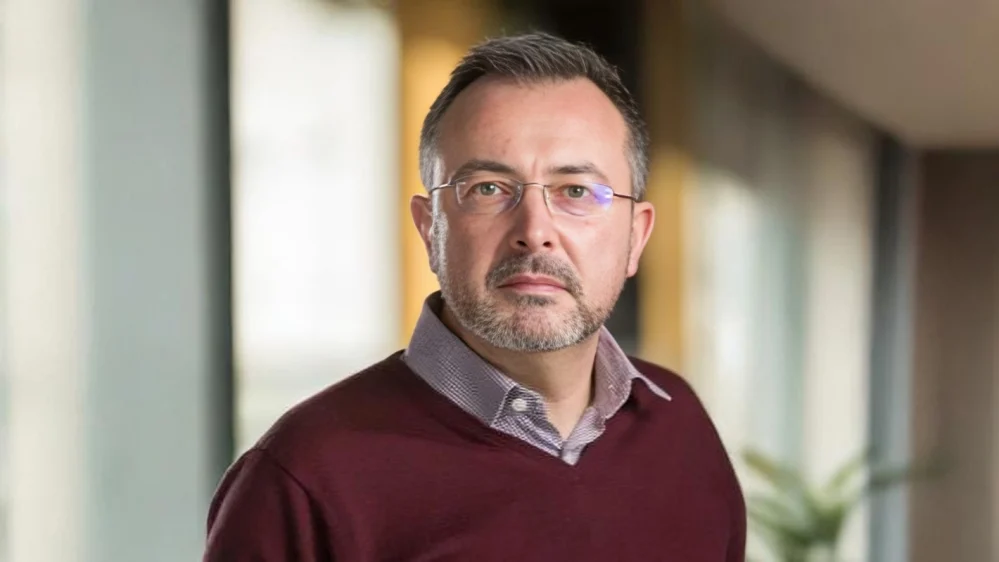
Glen Clack, Lecturer in Faculty of Health and Life Sciences Departmen at University of Exeter Medical School, shared a post on LinkedIn:
“A question I find myself returning to with increasing frequency, as cell therapies edge towards broader deployment: are they simply too expensive and too toxic to scale? The honest answer, as with most interesting questions in oncology, is that it depends…
In the narrowly defined, ultra-refractory haematologic settings where CAR-T has shown its mettle, the value proposition holds up tolerably well. Response rates are real, some remissions are durable, and ICERs in the 130–180k USD per QALY range are not, by the standards of modern oncology, obviously indefensible. The toxicity, whilst distinctive and resource-intensive, is predominantly front-loaded, mechanistically understood, and increasingly amenable to protocolised management. ICU mortality in contemporary series is under 5%.
But zoom out, and the picture becomes considerably less comfortable.
Total episode of care for autologous CAR-T currently sits in the 450–520k USD range in US practice, and can climb substantially higher when toxicity management and prolonged inpatient stays are factored in. Roughly a third of patients require ICU admission within the first week. The infrastructure requirements, twenty-four-hour intensive care capability, trained multidisciplinary teams, reliable tocilizumab access, GMP-certified manufacturing, cold-chain logistics, are not trivially reproducible at scale, or in lower-resourced settings.
The ‘too expensive‘ argument is, in truth, an argument about opportunity cost and equity. When a single treatment episode consumes resources that might fund several dozen patients with more prevalent tumours receiving effective, cheaper therapies, that is a legitimate systemic concern, not merely a commercial one.
The thesis is strongest, to my mind, in three contexts:
- Solid tumour applications, where efficacy has so far lagged whilst the cost and infrastructure burden remains identical
- Earlier-line deployment of current-generation autologous products in larger populations
- Any setting outside well-capitalised health systems with mature ICU infrastructure
The countervailing trends are real and should not be dismissed. Decentralised manufacturing, non-viral gene transfer, allogeneic platforms, safer constructs with lower rates of severe CRS and neurotoxicity, site-of-care optimisation reducing hospitalisation costs by 20 to 50% in modelling studies: these are not hypothetical. They are in the pipeline.
The verdict, then, is neither a dismissal nor an endorsement. It is a time-limited and indication-specific judgment. For now, in the right patients, in the right centres, in well-resourced systems, the case is made. Beyond that boundary, the field still has considerable work to do before ‘scale’ becomes anything other than an aspiration.”
Other articles featuring Glen Clack on OncoDaily.