





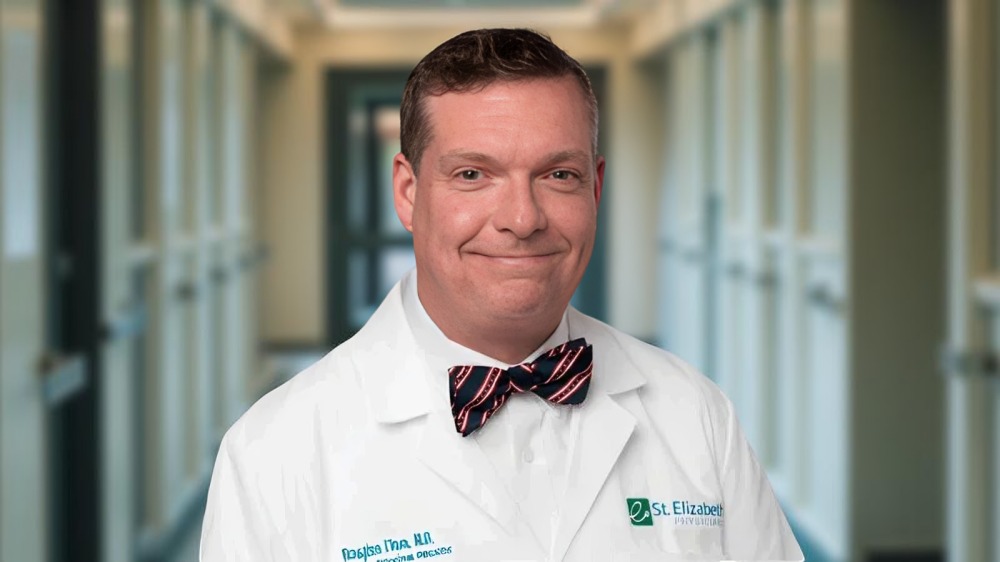
Douglas Flora, Executive Medical Director of Yung Family Cancer Center at St. Elizabeth Healthcare, President-Elect of the Association of Cancer Care Centers, and Editor in Chief of AI in Precision Oncology, shared a post on LinkedIn:
“The Anxiety of Foresight: Managing Preemptive Oncology
‘The supreme art of the physician is to break the disease, not the patient.’- Paracelsus
We often speak of the heavy metallic metaphors of combat in oncology: fighting, battling, winning. Yet, I find that the most impactful clinical moments are not loud victories, but quiet, shared whispers. They are the subtle shifts in understanding that happen when a patient finds the courage to voice their fears, or when a physician has the discipline to truly listen.
In the rapidly accelerating landscape of predictive oncology, we are moving from a reactive posture-documenting the history of a tumor’s path-to a proactive stance. We are crossing a threshold into inference-based medicine, where algorithms can analyze the atomic typography of ‘untamed pathways’ and forecast a metastasis six months before it occupies physical space.
This is the essence of driving smarter cancer care, but it introduces a profound clinical realism: the problem of preemptive anxiety.
The realism of being a cancer doctor in this new era is that we must often sit with a patient who feels vigorous and healthy and explain that we must escalate their treatment based purely on a statistical forecast. The algorithm provides the precision that my heroes of the tumor board only decades ago would have found miraculous, but it cannot navigate the profound clinical and emotional anxiety that foresight creates. This is the preemptive burden we are now managing.
Leadership in this predictive stewardship requires that we demand more than a percentage: we must insist on explainability. The technology must serve as an extension of our empathy, providing the space and time to have the conversations that matter most. Our primary task is to bridge the ‘black box’ of data and the patient’s warm reality, ensuring they feel secure not in the definitive prediction, but in the transparent partnership that navigates the probabilistic future. We are building the architecture of anticipation together, ensuring that while our data becomes more complex, our clinical connection remains simple, honest, and grounded.”
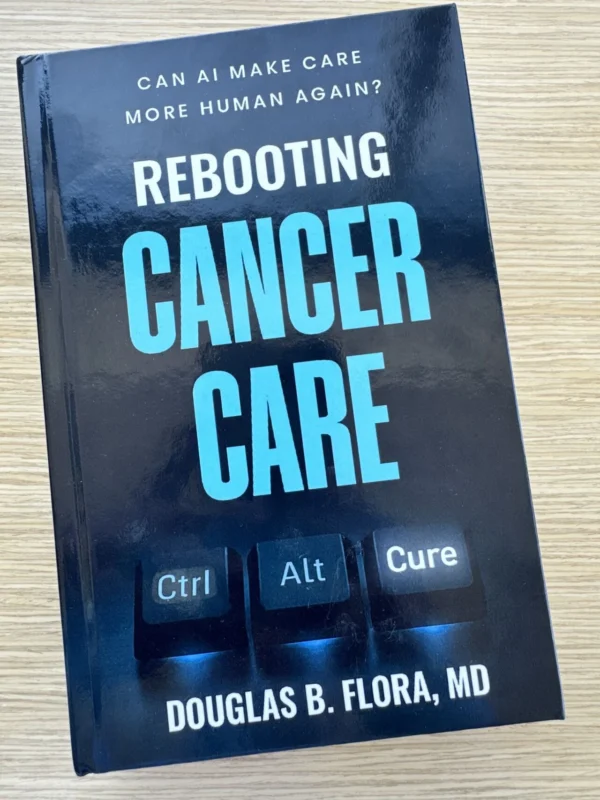
Other articles featuring Douglas Flora on OncoDaily.