





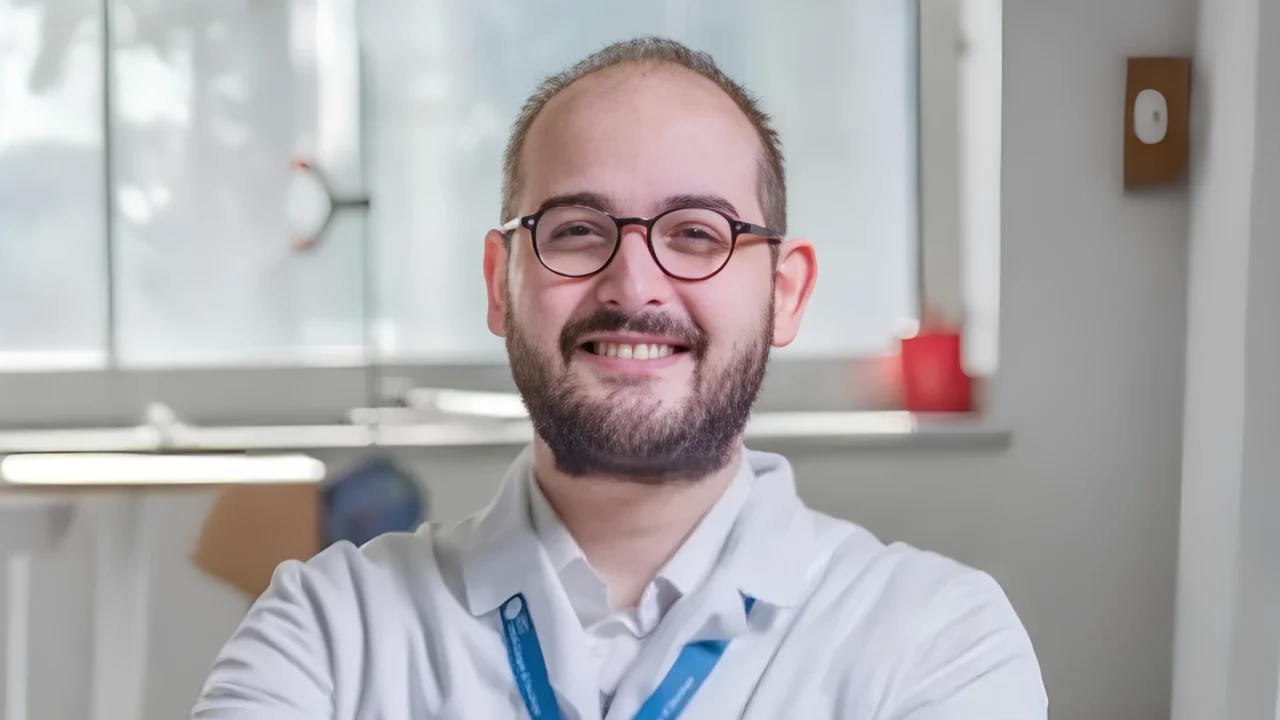
Dario Trapani, Medical Oncologist at European Institute of Oncology (IEO), Researcher at Department of Oncology and Hemato-Oncology at University of Milan, shared a post on LinkedIn:
“We are currently witnessing a rapid transformation in oncology, driven by breakthroughs in ADCs, cell therapies, and beyond.
But does sophisticated drug design guarantee better clinical outcomes?
A recent series in The Lancet Regional Health – Europe argues that while our ability to engineer therapies has reached new heights, the ‘persistent constraints’ – toxicity, resistance, and systemic barriers, remain largely unresolved.
We welcome this outstanding series with our editorial -> Key takeaways:
– The Design vs. Reality Gap: Increased control over drug delivery hasn’t eliminated toxicity or resistance. These remain structural, not peripheral, challenges.
– Beyond MTD: Initiatives like the FDA’s Project Optimus are crucial, shifting the focus from ‘Maximum Tolerated Dose’ to ‘Optimal Biological Dose’ to better align efficacy and safety.
– The Implementation Crisis: Innovation is currently decoupled from real-world scalability. Without addressing access, reimbursement, and systemic infrastructure, we risk creating powerful therapies that remain out of reach for many patients.
The path forward isn’t just about more complex molecules, nut about better integration. We need to embed dosing, value, and access strategies into the development process from day one.
Innovation is only as good as our ability to deploy it equitably.”
Title: Advancing oncology innovation under persistent constraints
Authors: Dario Trapani, Giuseppe Curigliano
Read the full article on ScienceDirect.
Other articles featuring Dario Trapani on OncoDaily.