





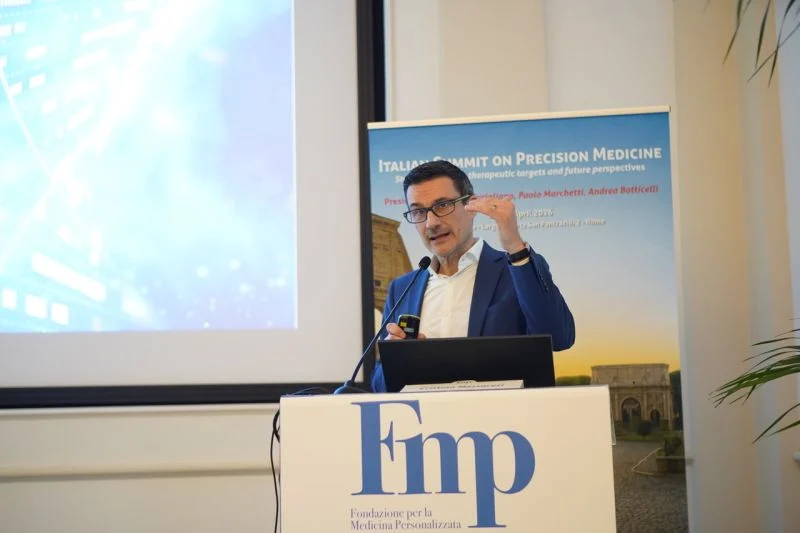
Cristian Massacesi, Executive Vice President, Chief Medical Officer and Head of Development at Bristol Myers Squibb, shared a post on LinkedIn:
“Scientific innovation in oncology is moving us toward smaller, more molecularly defined patient populations. That progress is exciting, and necessary to continue providing patients with novel transformative cancer medicines. But it also exposes friction in development, diagnostics, trial execution, and regulation — systems built for an earlier era of larger populations.
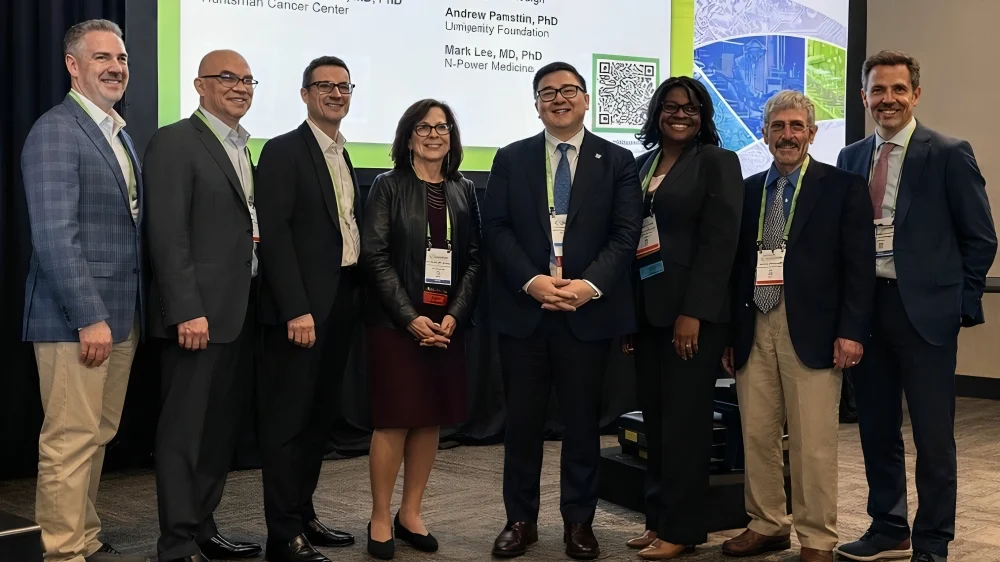
I spoke about this last week in a keynote presentation at the Italian Summit on Precision Medicine, hosted by AIOM | Associazione Italiana di Oncologia Medica, and in a panel discussion at the American Association for Cancer Research Annual Meeting. Across both forums, a shared imperative emerged: innovation must move forward with both urgency and responsibility.
That means:
- Using data, analytics, and AI to learn earlier, design smarter trials, and reduce unnecessary burden on patients
- Moving toward testing strategies that support easier access without compromising confidence
- Designing development programs that allow faster dose optimization and cycle time, and broader access
- Continuing to evolve regulatory frameworks so rigor is preserved — while evidence generation remains feasible in rare and high‑unmet‑need settings
Most importantly, it means remembering that precision medicine is not just a scientific challenge. It is a system challenge. The science is ready. Now the system must continue to evolve to meet it.
I’m grateful to the clinicians, scientists, patient advocates, and regulators who are leaning into these hard questions and who share the responsibility of translating scientific possibility into meaningful, durable benefit for patients.”
Other articles featuring Cristian Massacesi on OncoDaily.