





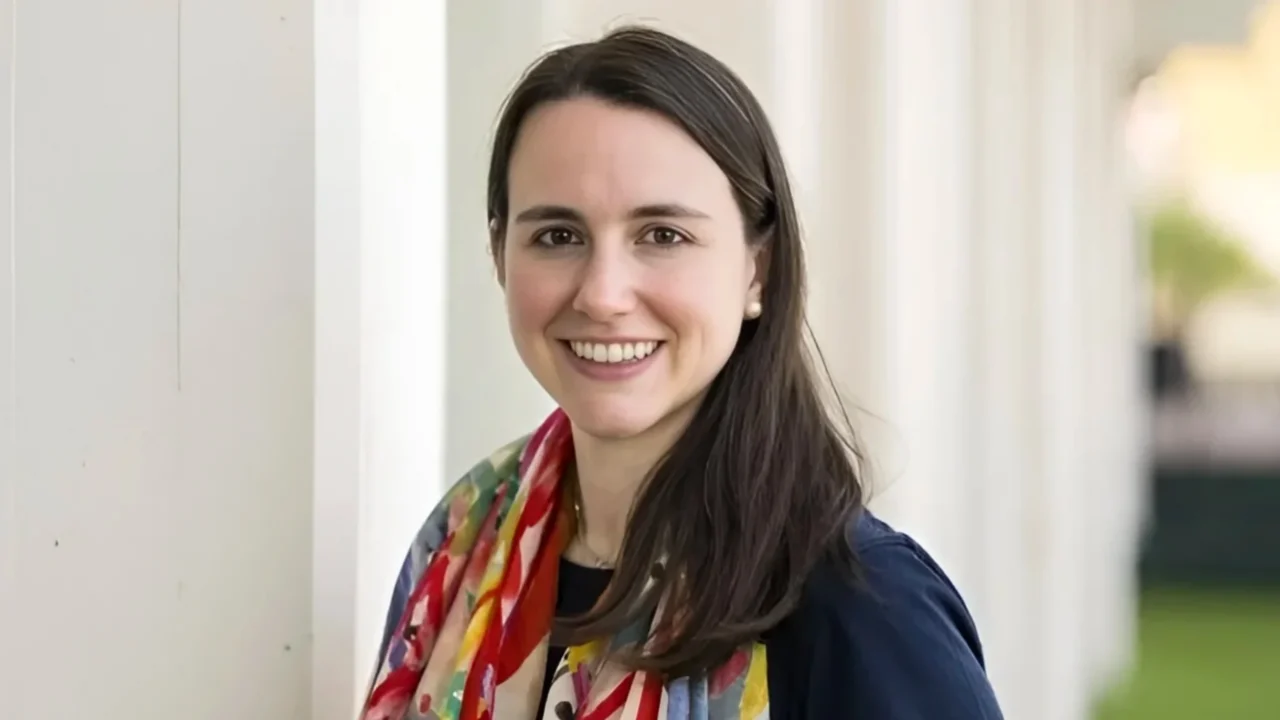
Celia Diez de los Rios, Lecturer at the University of Navarra, Spain, Board Member at From Testing to Targeted Treatments (FT3), Oncology Advanced Nurse Practitioner, Research Fellow at the University of Glasgow, shared a post on LinkedIn:
“Research is hard. The grants applications, ethical applications, analysis, manuscript writing and, more than anything, the thousand rejections you need to deal with.
One of the least visible parts of research is navigating ethics applications.
Anyone who has been through the process knows it is rigorous, and rightly so. Ethics committees challenge us to think deeply about risk, governance, and the responsibilities we carry when working with patients, data, and communities.
This week, after submitting an ethics application, we received a response I have honestly never seen before. The committee wrote a lot of comments we had to improve and work on but one of them was:
‘We applaud your risk management process and summary. Would we be able to use this as an exemplar for future applicants?’
This felt like a quiet recognition of the hours of work I put into this with Eleonora Barile. The amount of work that goes into designing research.
In the same week, we also had a manuscript accepted after minor revisions, with one reviewer commenting:
‘Very comprehensive and well-written. It was quite an undertaking.’
Behind every publication are also many hours of think and work and working with the co-authors. These parts of research rarely appear in the final paper, but they matter deeply.
So I thought I might occasionally share small reflections on what happens before the paper. As last year I spoke about needing to be more aware of the amount of rejections we get (but I have not yet introduce myself with the list of rejections I have gotten, this is pending).
Thank you From Testing to Targeted Treatments (FT3), Wendy McInally, Mark English and Elaine Wills for being a great part of these success stories.
Thank you Grigorios Kotronoulas, Paz Fernandez-Ortega because all I do I learnt from you both so every time there is a praise to something I worked on I feel they are directly praising you for being amazing mentors. I am proud of our achievements this week but much prouder of you making the academic world much friendlier. Thank you!”
Other articles featuring Celia Diez de los Rios on OncoDaily.