





Cancer Research UK (CRUK) shared a post on LinkedIn:
“Science and research are moving faster than ever, and philanthropic support is helping us rise to the opportunities.
From pioneering science at the The Francis Crick Institute, to bold innovation through Cancer Research Horizons and the Cancer Impact Club, philanthropic support is opening doors for researchers to pursue big ideas and move discoveries forward. Now our More Research, Less Cancer campaign has raised over £250m. Much has been achieved, but there’s more we need to do to beat cancer together.
More Research, Less Cancer: £250m raised to transform the future of cancer research
By: Charlotte Mathé
We’ve reached an incredible moment - £250m raised for our More Research, Less Cancer campaign. This milestone brings us more than halfway to our £400m goal and accelerates our mission to prevent, detect and treat cancer earlier and more effectively.
Thanks to our supporters, philanthropy is driving breakthroughs across discovery science, innovation and children’s and young people’s cancer research - breakthroughs that are turning into real hope and progress for people affected by cancer.
Published today, ‘More Research, Less Cancer: our impact so far’ is an illustration of the impact that More Research, Less Cancer, the UK charity sector’s largest ever philanthropic campaign, is having and will continue to have. Thousands of supporters - from visionary individuals to global foundations – have shared our bold vision: to ensure that promising ideas are never held back by lack of funding and that breakthroughs can reach people who need them sooner.
Accelerating the pace of discovery
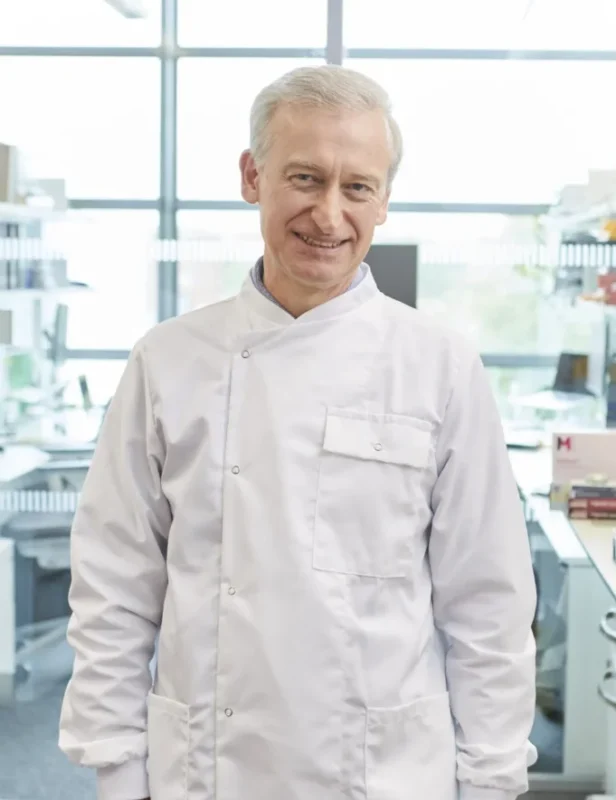
At the Francis Crick Institute and across our research network, philanthropy is giving scientists space to ask the boldest questions, allowing them to push the boundaries of what’s possible in understanding the fundamental biology of cancer.
With our backing, Julian Downward’s pioneering research has transformed cancer treatment. His discovery of EGFR’s role in cancer led to the development of more than ten new medicines that are giving people with six different types of cancer more time with their loved ones. Julian is now a Principal Group Leader at the Crick.
Working in collaboration with biotechnology company Vividion Therapeutics, Julian’s team is testing a new compound that targets faulty RAS genes, linked to 1 in 5 cancers, in a clinical trial. This breakthrough offers hope for patients with some of the hardest-to-treat cancers.
“It’s such a privilege to work at the Crick, which is right at the forefront of biomedical research. This institute wouldn’t be what it is today without the incredible philanthropic support of our dedicated donors. And for that, I’m truly grateful.”
– Julian Downward
Turning breakthroughs into real-world innovations
We know that too many promising ideas can stall before they reach people who need them. Through our campaign, we’re closing that gap.
Through Cancer Research Horizons, we’ve built an innovation engine that has:
- Supported over 90 startups
- Attracted more than £3.4bn in additional investment
- Significantly contributed to 14 marketed drugs, delivering over six million courses of treatment for people with cancer worldwide
- Reinvested around £600m back in to science and research
Our Seed Fund, a £15m investment commitment from Cancer Research UK to help bridge one of the most challenging stages of start-up creation – attracting early-stage risk capital – is now helping even more early-stage ideas move forward, strengthened by a transformational £10m commitment from the Garfield Weston Foundation and the growing support of our Cancer Impact Club members. Together, we’re backing ventures developing gene therapies for aggressive brain tumours, AI tools for earlier breast cancer detection and new technologies that could make diagnosis faster and less invasive.
Every one of these innovations began as an idea in a lab. Together, we’re helping them become solutions in clinics.
Driving progress for children and young people
Cancer in children and young people is complex and different to cancer in adults. Thanks to philanthropic support, we’re building a dedicated research strategy that aims to not only improve survival, but to ensure young people can thrive after treatment, free from long-term side effects.
Children like Fearne, diagnosed with acute lymphoblastic leukaemia at four years old, show us why this work matters. She’s now taking part in UK arm of the Cancer Research UK-funded ALLTogether-1 trial, which is discovering how treatment can be tailored according to personal risk factors. Fearne finished her treatment last year and her story reminds us of the hope research can bring.
We’re also supporting three global teams through Cancer Grand Challenges, working on solid tumours in children - an area where new, less toxic treatments are urgently needed. Patient advocates are shaping this work alongside researchers, ensuring that every step is grounded in the experiences of families.
Backing the leaders who will shape the future
Tomorrow’s breakthroughs depend on the people we empower today. That’s why we’re investing in the scientists who will drive progress over the next decade - from PhD researchers and clinical academics to innovators developing the technologies of the future.
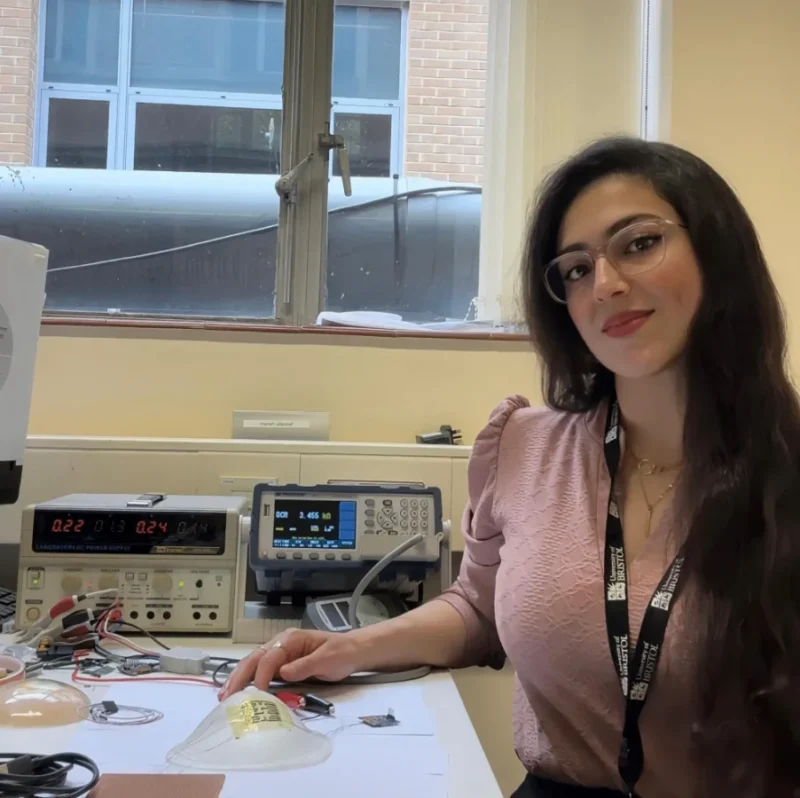
People like Marah Alassaf, whose engineering-led approach to breast cancer detection has the potential to make screening more accessible for thousands of women. By supporting early-career researchers like Marah, we’re not just funding projects; we’re building a generation of leaders who will redefine what’s possible in beating cancer.
A milestone that fuels our momentum
“Two years into our More Research, Less Cancer campaign, reaching £250m is a significant milestone. It reflects the commitment of our supporters and the momentum behind discovery science, innovation and trials that are already making a difference.
Science is moving faster than ever and continued partnership will help ensure breakthroughs reach people sooner – through earlier detection, better treatments and better outcomes for people affected by cancer. Thank you to every donor whose generosity is helping to drive this progress.”
– Michelle Mitchell, Chief Executive
Other articles featuring Cancer Research UK on OncoDaily.