





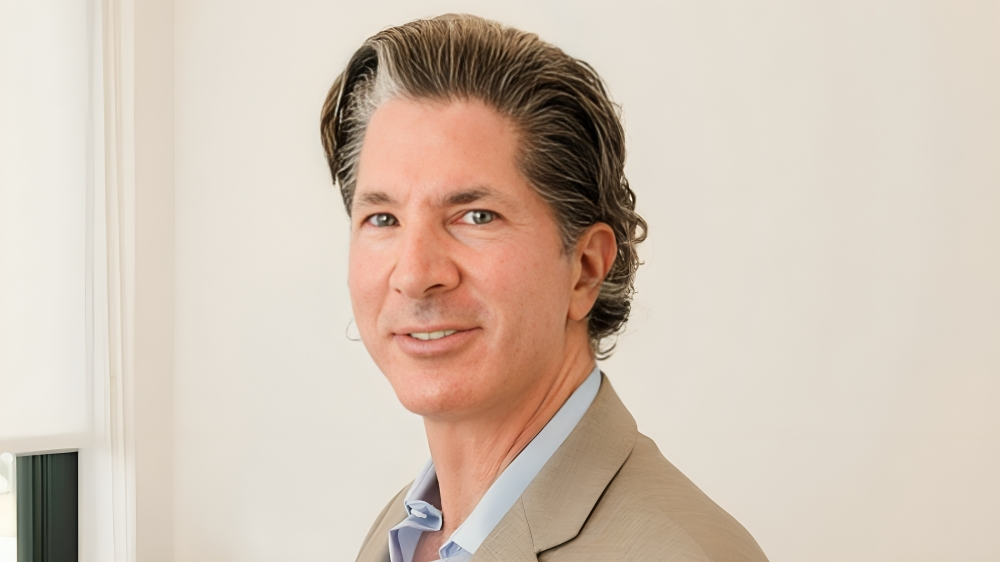
Brian Lawenda, Radiation Oncologist at Advocate Radiation Oncology, shared a post on LinkedIn:
“The hardest part of a doctor’s visit often happens before the patient walks into the room.
Not the conversation.
The chart.
The outside records.
The old notes.
The pathology reports.
The imaging summaries.
The labs.
The missing details.
The conflicting dates.
The buried clue that changes the plan.
That is the invisible work of medicine.
And it is one of the biggest reasons physicians feel buried.
Ambient AI scribes are useful. I am glad they exist.
But for complex care, they are strongest at capturing what happens after the physician has already done much of the hardest cognitive work.
They can document the visit.
They may not prepare you for the visit.
They may not reconstruct the timeline, reconcile the outside records, identify what is missing, or help you walk into the room already oriented.
That is the gap VeloNote is built to fill.
VeloNote helps turn fragmented clinical information — PDFs, EMR text, imaging summaries, pathology reports, labs, prior notes, treatment history, and even scribe transcripts — into a structured clinical draft before the visit begins.
So instead of walking in cold, you walk in prepared.
You know the timeline.
You know the key decision points.
You know what needs clarification.
You know where the plan needs support.
You know what the payer may question.
Then OpenEvidence can help pressure-test the plan with current medical evidence.
OpenEvidence’s free ambient AI scribe can capture the encounter.
VeloNote can then integrate the chart context, evidence-informed plan, and encounter details into the final note.
And the physician reviews, edits, verifies, and decides.
That is the clinical AI workflow I actually trust:
Patient context → medical evidence → encounter capture → physician judgment.
This is not just faster documentation.
It is better preparation.
It is fewer hours lost digging through charts.
It is a stronger note before the visit even starts.
It is clearer medical necessity language for prior authorization, peer-to-peer reviews, appeals, and denials.
It is more time with the patient and less time buried in the EMR.
That is why I built VeloNote.
And that is why I think VeloNote + OpenEvidence is such a powerful clinical AI stack.
Full post here.”
Other articles about Brian Lawenda on Oncodaily.