
The Fault in Our Stars is a 2014 romantic drama that follows Hazel Grace Lancaster and Augustus “Gus” Waters, two teenagers who meet at a cancer support group and fall in love while confronting illness, mortality, and the question of what makes a life meaningful. Based on John Green’s bestselling 2012 novel, the film became a global success, earning about $307.2 million worldwide against a production budget of roughly $12 million. Directed by Josh Boone and adapted by Scott Neustadter and Michael H. Weber, the film is more than a conventional “cancer movie.” It portrays young patients as full people funny, romantic, frustrated, hopeful, and afraid while exploring how serious illness reshapes identity, family, friendship, and love.
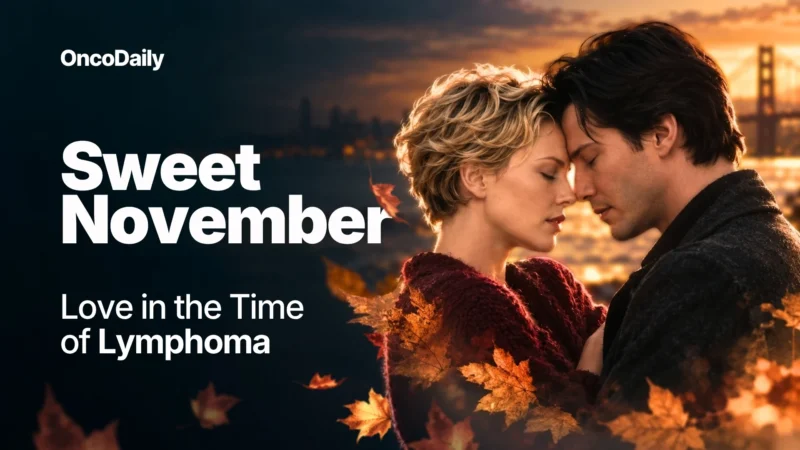
As part of OncoDaily’s OncoMovie series, which explores how cinema portrays cancer and the experiences of people living with the disease, The Fault in Our Stars offers another perspective on illness, treatment, and emotional resilience. Following our previous feature on Sweet November, the series continues by examining the medical realities behind fictional diagnoses and the ways films influence public understanding of cancer. While Sweet November explores love and mortality through the experience of an adult living with cancer, The Fault in Our Stars focuses on adolescents navigating serious illness during a formative period of their lives.
Spoiler warning: This article discusses Hazel Grace Lancaster and Augustus Waters’ cancer diagnoses, their relationship, and the ending of The Fault in Our Stars.
What the Film Is About
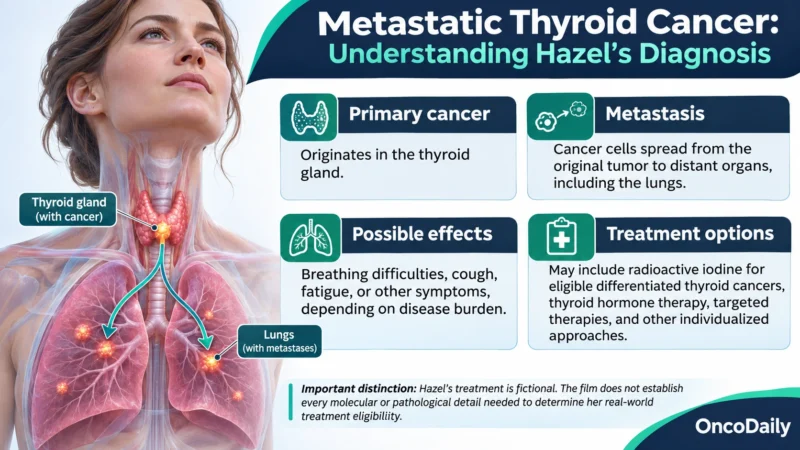
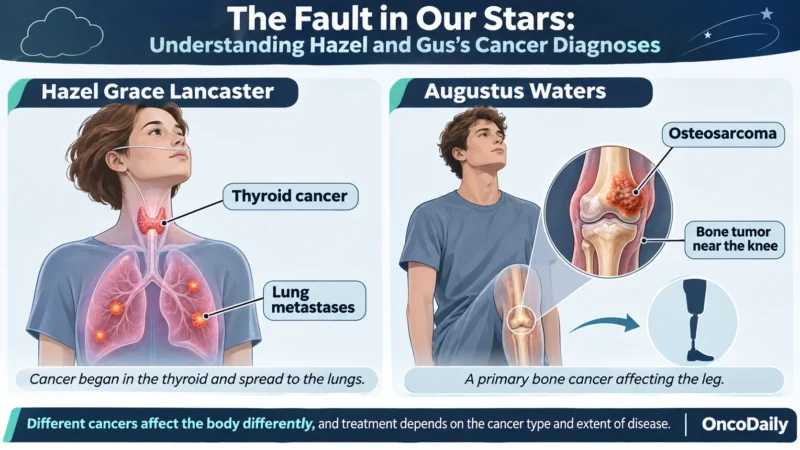
Hazel Grace Lancaster, played by Shailene Woodley, is a 16-year-old living with thyroid cancer that has spread to her lungs. She uses oxygen and attends a cancer support group largely to reassure her parents. At the group, she meets Augustus Waters, played by Ansel Elgort. Gus is a witty, confident former basketball player who lost part of his leg to osteosarcoma and now uses a prosthetic leg. Their connection begins with humor and books, especially Hazel’s favorite novel, An Imperial Affliction.
Their relationship leads them to Amsterdam, where they hope to meet Peter Van Houten, the reclusive author of Hazel’s favorite book. The journey becomes less about finding answers and more about confronting the uncertainty, beauty, and pain of loving someone whose future is uncertain.
Why It Fits the OncoMovie Line
The Fault in Our Stars belongs in an OncoMovie Line because it treats cancer as a human experience rather than a simple medical storyline. It shows that young people with cancer still have personalities, ambitions, humor, romantic desires, and complicated family relationships. The film also avoids the common trap of portraying patients only as inspirational figures. Hazel and Gus are sometimes selfish, sarcastic, frightened, and difficult. That honesty is one of the reasons the story feels authentic. Most importantly, the film does not suggest that survival is the only meaningful outcome. Instead, it asks whether a life can be complete even if it is shorter than expected.
The Main Characters of The Fault in Our Stars
At the center of The Fault in Our Stars are Hazel Grace Lancaster, played by Shailene Woodley, and Augustus “Gus” Waters, portrayed by Ansel Elgort. Their relationship brings together two teenagers whose lives have been profoundly affected by cancer, yet neither wants to be defined entirely by their diagnosis.
Hazel is a thoughtful, sarcastic 16-year-old living with thyroid cancer that has spread to her lungs. Intelligent and emotionally guarded, she understands how deeply her illness affects her family, particularly her devoted mother, Frannie Lancaster, played by Laura Dern. Hazel’s greatest fear is not simply dying, but leaving behind emotional pain for the people who love her. Her character challenges the expectation that young cancer patients must always remain positive. She experiences anger, sadness, and uncertainty while gradually discovering that protecting herself from relationships does not necessarily protect others from suffering.
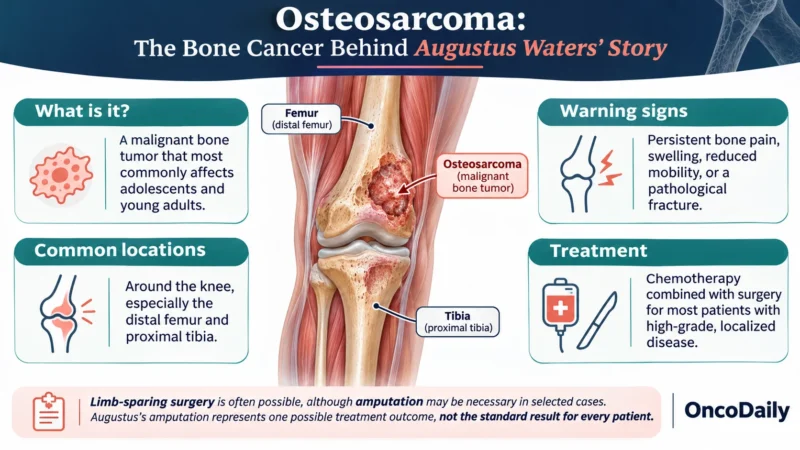
Augustus, a former basketball player who lost part of his leg to osteosarcoma, initially appears confident, charming, and optimistic. However, beneath his humor lies a fear of being forgotten. He wants his life to have significance beyond his illness and worries about whether he will leave a meaningful legacy. Through his relationship with Hazel, he begins to understand that being remembered does not require extraordinary achievements. Love, friendship, and the impact a person has on others can be equally meaningful.
Their relationship develops without pity. Hazel and Augustus recognize each other’s vulnerabilities while continuing to see one another as individuals with personalities, dreams, and ordinary teenage concerns. Other characters add emotional depth to their story. Isaac, played by Nat Wolff, is Augustus’s close friend who faces the loss of his eyesight because of cancer. His experiences bring both humor and heartbreak to the film, highlighting how illness can affect independence, relationships, and identity.
Peter Van Houten, portrayed by Willem Dafoe, is the reclusive author of Hazel’s favorite novel. His writing shapes Hazel and Augustus’s questions about mortality, suffering, and the meaning of an unfinished life, although meeting him challenges their expectations. Together, these characters make The Fault in Our Stars more than a story about teenage cancer. The film explores how serious illness changes relationships, challenges personal identity, and raises difficult questions about love, loss, and what it means to leave something behind.
Isaac: Friendship and Loss
Isaac, played by Nat Wolff, is one of the film’s most underrated characters. He is losing his sight because of cancer, and his storyline explores a different kind of loss: the loss of independence, future plans, and the ability to see the people he loves. His friendship with Gus brings humor to the film, but also deepens its emotional impact. Isaac’s anger and grief remind viewers that cancer affects friendships as well as romantic relationships. Through Isaac, the film shows that support does not always come from romance. Sometimes it comes from friends who understand the fear because they are living through something similar.
Family and Caregiving
Hazel’s parents, played by Laura Dern and Sam Trammell, are central to the film’s emotional weight. They love Hazel deeply, but they also live with constant fear, exhaustion, and uncertainty. The film is honest about something rarely discussed openly: parents of children with cancer may struggle with guilt, grief, and the fear that their child’s illness has consumed their entire identity. Hazel notices this and worries about what will happen to her parents if she dies. This makes the film valuable for caregivers as well as patients. It acknowledges that cancer is a family illness, even when only one person has the diagnosis.
The Amsterdam Journey
The trip to Amsterdam is the film’s turning point. Hazel and Gus travel there to meet Peter Van Houten, hoping he will explain the ending of An Imperial Affliction and give Hazel a sense of closure. Instead, they encounter disappointment. Van Houten is cruel, drunk, and unwilling to provide the answers they seek. Yet the journey still matters because it teaches Hazel and Gus that life does not always offer neat explanations. The Amsterdam section also gives the film some of its most romantic and painful moments. It is where Hazel and Gus’s relationship deepens, and where the reality of their illnesses becomes impossible to ignore.
Love and Mortality
At its core, The Fault in Our Stars is about loving someone while knowing that time may be limited. Hazel and Gus do not fall in love despite cancer; they fall in love within the reality of cancer. The film argues that avoiding love to avoid pain is not truly living. Hazel initially worries that she will be a “grenade” in Gus’s life, hurting him when she dies. Gus helps her understand that pain is part of love, but so is joy. This is why the film resonates beyond cancer communities. Its message applies to anyone who has feared loss, cared for someone ill, or wondered whether love is worth the risk of grief.
The Film’s Central Question
The story repeatedly asks: Can a short life still be a meaningful one? Hazel and Gus’s answer is yes. A life does not need to be long to matter. It can be meaningful through love, friendship, humor, courage, and the way a person touches others. This idea is especially powerful in an OncoMovie context. It shifts attention away from survival statistics and toward the human experience of living with cancer.
Book-to-Film Adaptation
The film closely follows John Green’s 2012 novel in structure, dialogue, and emotional tone. Critics noted that it preserved the book’s wit, characters, and essential story beats. That faithfulness helped the film succeed with fans of the novel, who already felt deeply connected to Hazel and Gus. It also helped introduce the story to viewers who had not read the book. The story was later adapted again as the Indian Hindi-language film Dil Bechara in 2020, showing how widely the story’s themes have traveled.
Box Office and Cultural Impact
The Fault in Our Stars opened at No. 1 in the United States and became one of 2014’s most successful young-adult adaptations. It earned approximately $307.2 million worldwide, including about $124.9 million in the U.S. and Canada. Its success proved that audiences would embrace a cancer-centered love story when it was told with intelligence and emotional honesty. It also elevated Shailene Woodley and Ansel Elgort as leading young actors. The film became a cultural touchstone for a generation of viewers, partly because it treated teenage illness without condescension.
What Does The Fault in Our Stars Get Right About Living With Cancer?
The Fault in Our Stars offers a thoughtful portrayal of cancer by showing that illness can profoundly change a person’s life without defining their entire identity. Hazel and Augustus are not presented simply as patients. They are intelligent, humorous, vulnerable teenagers who experience friendship, love, frustration, and the desire for independence while navigating serious health challenges. One of the film’s strengths is its use of humor. Hazel and Gus often joke about their illnesses, using sarcasm and laughter to cope with situations they cannot control. Rather than suggesting that young cancer patients must always be optimistic, the film allows its characters to experience fear, anger, sadness, and uncertainty.
The story also acknowledges the emotional impact of cancer on families. Hazel’s relationship with her parents is particularly important because she worries about how they will cope if she dies. Her mother, Frannie, is portrayed not merely as a caregiver but as a person whose own hopes, fears, and identity are affected by her daughter’s illness.
The trip to Amsterdam marks another important turning point. What begins as a search for answers from Hazel’s favorite author becomes a journey toward accepting that life does not always provide the explanations or closure people seek. Isaac’s storyline adds another perspective, showing how cancer can affect friendships, independence, relationships, and self-image. His experiences remind viewers that the challenges of serious illness extend beyond physical symptoms and medical treatment.
Perhaps the film’s most meaningful contribution is its exploration of what makes a life valuable. Through Hazel and Augustus, The Fault in Our Stars challenges the assumption that a meaningful life must be long or filled with extraordinary achievements. Instead, it suggests that love, personal connections, and shared experiences can give even a brief life profound significance. Although the film dramatizes aspects of cancer for storytelling purposes, its portrayal of emotional vulnerability, family relationships, and the desire to live beyond a diagnosis offers an important perspective on the experiences of adolescents and young adults facing serious illness.
Who Should Watch It
The Fault in Our Stars is best for viewers who enjoy emotional dramas, literary adaptations, and coming-of-age stories. It is suitable for older teens and adults, though it deals with illness, death, and grief. It may be especially meaningful for people interested in how cancer affects young patients and families. However, viewers currently in active treatment, recently diagnosed, or recently bereaved may want to approach it with support, as several scenes are emotionally intense.
The Fault in Our Stars is a powerful choice for the OncoMovie Line because it humanizes cancer. It reminds viewers that people living with cancer are not defined only by diagnosis, treatment, or survival odds. Its lasting message is simple but profound: a life’s value is not measured only by its length, but by love, connection, and meaning.
You Can Also Read Sweet November Cancer Explained: Keanu Reeves, Charlize Theron and Sara’s Non-Hodgkin Lymphoma by OncoDaily
Written by Aharon Tsaturyan, MD, Editor at OncoDaily Intelligence Unit
FAQ
Is The Fault in Our Stars Based on a True Story?
The Fault in Our Stars is not based on one true story. The 2014 film is adapted from John Green's 2012 novel, which was partly inspired by his experiences working with children with serious illnesses and his friendship with Esther Earl, a teenager who had thyroid cancer. However, Hazel Grace Lancaster and Augustus Waters are fictional characters.
What Type of Cancer Does Hazel Have in The Fault in Our Stars?
Hazel Grace Lancaster, played by Shailene Woodley, has thyroid cancer that has spread to her lungs. This is metastatic thyroid cancer. Her lung involvement affects her breathing, requiring her to use supplemental oxygen. The film portrays how living with advanced cancer affects her daily activities, independence, and relationships.
What Cancer Did Augustus Waters Have?
Augustus Waters, played by Ansel Elgort, was diagnosed with osteosarcoma, a malignant bone tumor most commonly found in adolescents and young adults. He underwent an amputation and uses a prosthetic leg. Later in the film, his cancer returns and spreads to other parts of his body.
Does Augustus Die in The Fault in Our Stars?
Yes, Augustus Waters dies near the end of The Fault in Our Stars after his osteosarcoma returns and progresses. His death is one of the film's central emotional moments and profoundly affects Hazel, who later reflects on their relationship and the meaning of their time together.
Does Hazel Die at the End of The Fault in Our Stars?
No, Hazel Grace Lancaster does not die during the film. Although she is living with advanced thyroid cancer, she survives the events shown in the story. The film does not establish her eventual medical outcome or how long she lives after the ending.
Why Does Hazel Wear an Oxygen Tube in The Fault in Our Stars?
Hazel uses a nasal cannula connected to an oxygen supply because her cancer has affected her lungs and breathing. Lung metastases and related complications can impair respiratory function in some patients. However, not everyone with metastatic thyroid cancer requires supplemental oxygen.
What Happens at the End of The Fault in Our Stars?
After Augustus dies, Hazel learns that he left behind a letter expressing his feelings about their relationship. The ending focuses on her acceptance of their love and the pain of losing him. Rather than offering a conventional happy ending, the film emphasizes that meaningful relationships can have lasting significance even when they are brief.
What Is the Meaning Behind The Fault in Our Stars?
The film explores love, mortality, grief, and the search for meaning when life is uncertain. Its title references Shakespeare's Julius Caesar and reflects the characters' struggle with circumstances beyond their control. Through Hazel and Augustus, the story suggests that the value of a life is not determined solely by its length.
Can Osteosarcoma Be Cured?
Yes, osteosarcoma can be cured in some patients, particularly when diagnosed before distant spread. Treatment for high-grade osteosarcoma generally involves chemotherapy and surgery. Limb-sparing surgery is often possible, although amputation may sometimes be necessary. Prognosis depends on disease extent, treatment response, and other clinical factors.
Is The Fault in Our Stars Medically Accurate?
The Fault in Our Stars portrays several recognizable experiences of young cancer patients, including treatment-related challenges, fear of recurrence, family distress, and the need for emotional support. Hazel's metastatic thyroid cancer and Augustus's osteosarcoma are medically plausible diagnoses. However, the film simplifies aspects of cancer treatment and progression for storytelling purposes and should not be treated as a medical reference.