





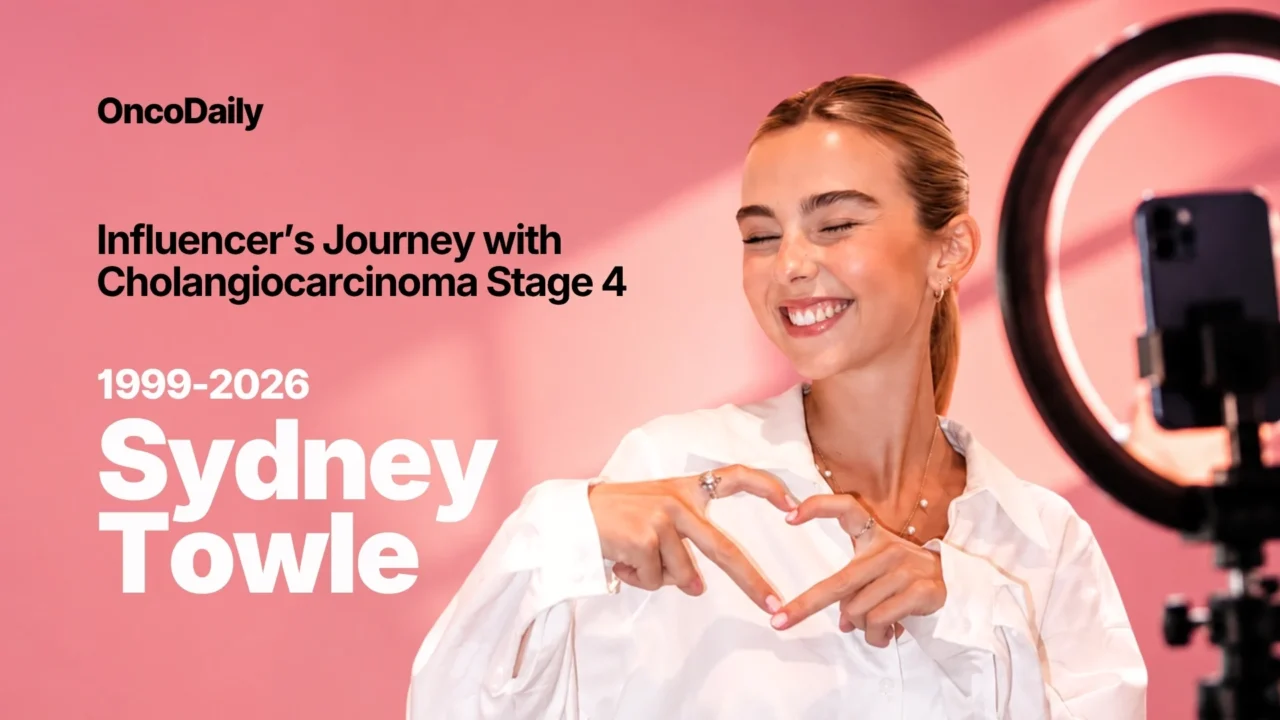
Sydney Towle inspired more than one million followers by documenting her life with stage 4 cholangiocarcinoma. Diagnosed at just 23 years old, the content creator openly shared the realities of living with advanced bile duct cancer through chemotherapy, surgeries, clinical trials, and hospice care. She died on August 5, 2026, at the age of 26, leaving behind a powerful legacy of awareness, resilience, and advocacy for young adults facing rare cancers.
Who Was Sydney Towle?
Before cancer became part of her story, Sydney Towle had already built a growing online community through lifestyle content that reflected her love of fashion, travel, friendships, and everyday life. A graduate of Dartmouth College, Towle created videos that felt authentic and relatable, allowing followers to connect with her personality long before she became known as a cancer advocate. That authenticity remained after her diagnosis.
Rather than allowing cancer to define her entire identity, she continued sharing ordinary moments alongside the extraordinary challenges of treatment. One day her audience might see a chemotherapy appointment; the next, they might watch her enjoying time with friends, walking through New York City, or celebrating a small victory. Her openness eventually attracted more than one million followers, making her one of the most recognizable young voices raising awareness about cholangiocarcinoma.
How Was Sydney Towle Diagnosed With Cholangiocarcinoma?
Towle was only 23 years old when she noticed something unusual. She later shared that she sought medical attention after developing a bulge and burning sensation in her abdomen. Further investigations led to a diagnosis of stage 4 cholangiocarcinoma, a rare cancer that begins in the bile ducts. The diagnosis was especially unexpected because cholangiocarcinoma is typically diagnosed in older adults rather than people in their twenties. For Towle, life changed almost overnight from creating lifestyle content to navigating advanced cancer treatment.

Photo: sydneytowle Instagram
What Is Cholangiocarcinoma?
Cholangiocarcinoma, also known as bile duct cancer, develops in the network of ducts that carry bile from the liver and gallbladder to the small intestine. It is considered a rare cancer, accounting for fewer than 3% of all gastrointestinal malignancies and approximately 10–15% of primary liver cancers, according to the American Cancer Society and the National Cancer Institute. Because early symptoms are often vague or absent altogether the disease is frequently diagnosed at an advanced stage.
Common symptoms may include:
- Abdominal pain
- Jaundice
- Weight loss
- Fatigue
- Itching
- Dark urine
- Pale stools
By the time many patients receive a diagnosis, surgery is no longer possible.
What Did Sydney Towle’s Treatment Journey Look Like?
Living with advanced cholangiocarcinoma meant navigating one treatment after another. Towle openly documented:
- Chemotherapy
- Major surgery
- Hospital admissions
- Frequent imaging scans
- Pain management
- Recovery setbacks
- Clinical trial participation
Her treatment also included a hepatic arterial infusion (HAI) pump, sometimes called a hepatic pump, which delivers chemotherapy directly into the liver. This specialized treatment is available only at selected expert centers and is appropriate for carefully chosen patients. As her disease evolved, Towle also participated in an investigational tumor-infiltrating lymphocyte (TIL) therapy clinical trial.
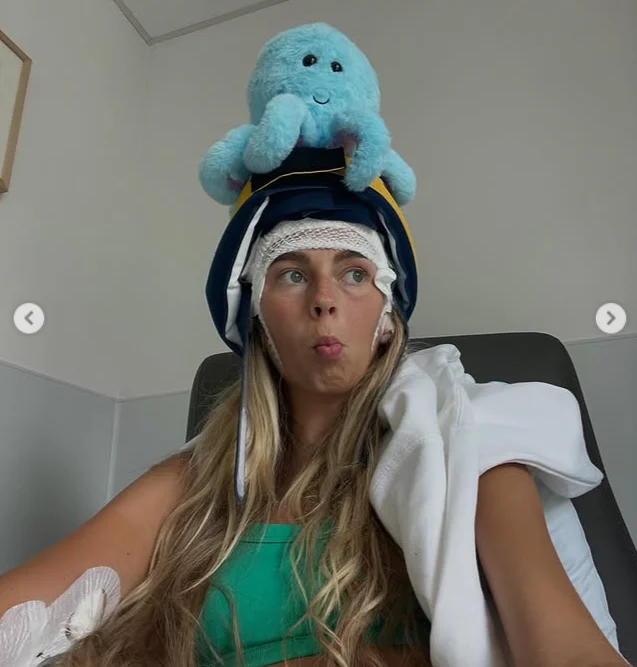
Sitting here at I think maybe my 50th chemo? I never counted really. There was never a goal. Just to show up. But showing up for yourself is hard. Some days it feels like all of those treatments are stacked on top of you, crushing you with their weight. Other days, I forget they exist. That peace is hard to come by, the longer that this indefinite becomes.
I think about one of my first treatments, how motivated I felt. I also think about my younger self. A girl who just wanted to dance and have fun with her friends. Both of those people still exist within me as I sit here. Despite unsuccessful treatments and trials, the emotional and physical pain, they’re here. I’m here.
My mom always played this song when I had a doctor’s appointment that I didn’t want to go to. Still works.
TIL therapy involves collecting immune cells from a patient’s tumor, expanding them in the laboratory, and reinfusing them to help the immune system attack cancer. While promising for several cancers, it remains an emerging treatment and is not considered standard therapy for cholangiocarcinoma. Throughout every stage, Towle emphasized that treatment decisions are highly individual and often change as new scan results become available.
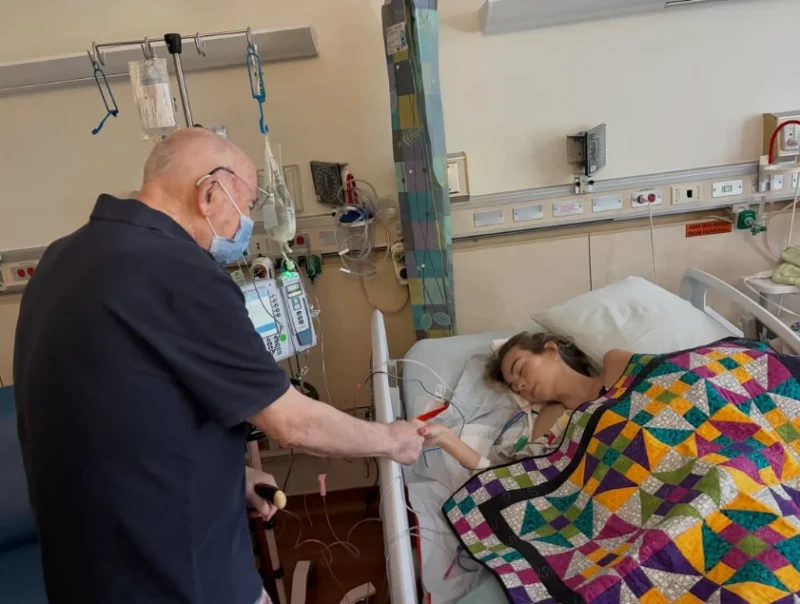
Photo: sydneytowle Instagram
Thank you all for the sweet comments. This was post surgery this week to get a Hickman catheter to continue on with a new clinical trial at the NIH. ❤️
How Did Sydney Towle Share the Reality of Living With Stage 4 Cancer?
One of the reasons Sydney Towle’s story resonated so deeply was her honesty. She never portrayed cancer as a single battle with a clear beginning and end. Instead, she documented the reality of living with advanced disease repeated scans, hospitalizations, treatment delays, disease progression, physical exhaustion, the anxiety of waiting for test results, the hope that followed good news, and the disappointment that came with setbacks.
At the same time, she showed that life does not simply stop after a cancer diagnosis. Her videos captured moments of laughter, birthdays, travel when possible, time with loved ones, and dreams for the future, challenging the common stereotype that people with advanced cancer always appear visibly ill or spend all their time in hospitals.
Why Did Sydney Towle Become Such an Important Advocate?
As her audience grew, Towle recognized that she had become more than a content creator. She became an advocate. Her platform addressed topics that rarely receive attention in traditional cancer discussions, including:
- Dating during cancer treatment
- Fertility concerns in young adults
- Body image after therapy
- Mental health
- Living with uncertainty
- Self-advocacy during medical appointments
- The emotional impact of repeated disease progression
She also spoke openly about the challenges of living publicly with illness, including receiving hurtful comments from people who questioned whether she was truly sick. Rather than withdrawing, she used those experiences to encourage greater empathy toward individuals living with invisible illnesses.
What Happened During the Final Months of Sydney Towle’s Life?
In 2026, Towle shared that scans had revealed new tumors in her lungs and that her disease continued to progress despite multiple treatments. Her health gradually declined. Eventually, her family announced that she had entered hospice care, where treatment shifted from controlling the cancer to maximizing comfort and quality of life. On August 5, 2026, Sydney Towle died at the age of 26 following complications of metastatic cholangiocarcinoma. News of her death prompted an outpouring of tributes from patients, healthcare professionals, fellow creators, and thousands of followers whose understanding of rare cancer had been shaped by her openness.
What Can We Learn From Sydney Towle’s Story?
Sydney Towle’s story is about far more than one rare cancer. It illustrates the challenges many young adults face when diagnosed with advanced disease uncertainty, interrupted careers, changing treatment plans, financial strain, fertility concerns, and the emotional burden of living with an illness that few people understand. Her experience also highlights the importance of:
- Earlier recognition of rare cancers
- Access to specialist centers
- Comprehensive molecular testing
- Clinical trial availability
- Honest communication between patients and healthcare teams
- Compassion for people living with invisible illnesses
- Most importantly, she reminded audiences that a diagnosis never defines the whole person.
You Can Also Read In Memory of TikToker Bailey Hutchins and Her Battle Against Colorectal Cancer by OncoDaily
Written by Aharon Tsaturyan, MD, Editor at OncoDaily Intelligence Unit
FAQ
What type of cancer did Sydney Towle have?
Sydney Towle was diagnosed with stage 4 cholangiocarcinoma, also known as bile duct cancer, at the age of 23.
How old was Sydney Towle when she died?
Sydney Towle died on August 5, 2026, at age 26, after nearly three years of living with metastatic cholangiocarcinoma.
How was Sydney Towle's cancer discovered?
Towle said she sought medical attention after noticing a bulge and burning sensation in her abdomen. Further testing led to her diagnosis of stage 4 cholangiocarcinoma.
What treatment did Sydney Towle receive?
Her treatment reportedly included chemotherapy, surgery, a hepatic arterial infusion pump, repeated hospital care, and participation in a clinical trial involving TIL therapy.
What is cholangiocarcinoma?
Cholangiocarcinoma is a rare cancer that develops in the bile ducts, the tubes that transport bile from the liver and gallbladder to the small intestine.
Can young adults get cholangiocarcinoma?
Yes, although cholangiocarcinoma is much more commonly diagnosed in older adults. Sydney Towle's diagnosis at 23 was therefore particularly unusual.
What is a hepatic arterial infusion pump?
A hepatic arterial infusion, or HAI, pump is a specialized device that delivers chemotherapy directly to the liver through its arterial blood supply. It is used only in selected patients and specialist centers.
What is TIL therapy?
Tumor-infiltrating lymphocyte therapy is an experimental form of immunotherapy in which immune cells are collected from a tumor, expanded in a laboratory, and reinfused to help attack cancer.
Was Sydney Towle in hospice care?
Yes. In the final stage of her illness, her family announced that she had entered hospice care, with the focus shifting toward comfort and quality of life.
Why did Sydney Towle become an important cancer advocate?
Towle openly documented the realities of living with advanced cancer as a young adult, including treatment, relationships, body image, fertility, mental health, progression, and hospice. Her openness helped bring greater visibility to cholangiocarcinoma and rare cancers in younger people.