Kate Middleton’s cancer recovery has become the focus of a rare and personal interview in which the Princess of Wales reflects on the challenges of healing after cancer treatment, the importance of nature, and why recovery does not always follow a predictable path.
Speaking with author Robert Macfarlane for a special edition of Country Life, published on November 11, 2026, Catherine, Princess of Wales, shared the advice she received from healthcare professionals during her cancer journey.
“I was told in hospital that my recovery would not be linear,” she recalled.
The Princess, who completed chemotherapy in September 2024 and announced that her cancer was in remission in January 2025, explained that she had been prepared for both good and difficult days.
Her reflections highlight an important but sometimes overlooked aspect of cancer care: the end of treatment does not necessarily mean the end of recovery.
Kate Middleton’s Cancer Recovery: Understanding the Good and Bad Days
During the interview, the Princess described how healthcare professionals had emphasized that recovery would take time and that periods of progress could be accompanied by setbacks.
She compared the experience with the changing rhythms of nature, where rest and renewal are just as important as growth.
For many people affected by cancer, the months following treatment can bring unexpected challenges. Although finishing chemotherapy represents a significant milestone, patients may continue to experience fatigue, physical limitations, emotional distress, or uncertainty about their health.
According to the National Cancer Institute, some treatment-related effects improve gradually, while others can persist or emerge months or years later. Recovery varies considerably depending on the cancer diagnosis, treatment received, individual health, and personal circumstances.
The Princess’s comments reflect a broader reality of cancer survivorship: returning to everyday life can be a gradual process, and feeling better does not necessarily happen in a continuous, predictable way.
How Nature Became a Sanctuary During Cancer Recovery
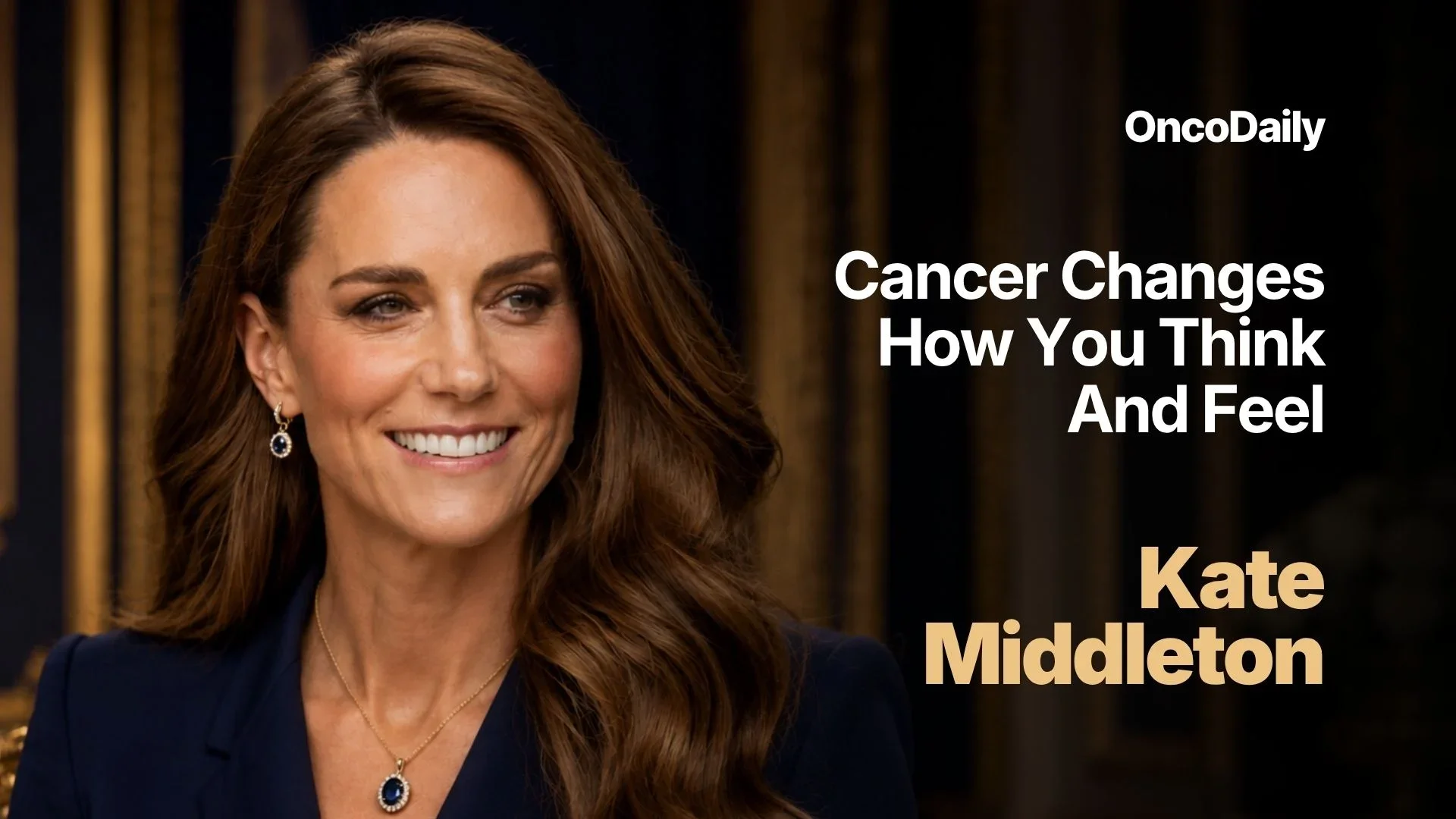
One of the most personal aspects of the interview was Catherine’s description of how spending time outdoors helped her cope with serious illness.
“It really has been my sanctuary,” she said.
The Princess explained that nature provided an environment free from expectations, where she could reconnect with her physical, emotional, and spiritual well-being. She described the experience as part of her belief in a whole-person approach to illness, recognizing that serious disease affects more than physical health.
The natural environment, she explained, helped her find perspective during a period of uncertainty. She also reflected on how movement, changing seasons, and time spent outdoors encouraged her to appreciate the importance of slowing down and allowing herself to recover.
These themes have appeared in her Mother Nature video series, launched in 2025, which explores the relationship between the natural world, human connection, and emotional well-being through the changing seasons.
During the interview, she also emphasized the importance of trusted relationships, supportive communities, and places where people feel safe and at peace.
Although contact with nature may contribute to psychological well-being, it is not a substitute for evidence-based cancer treatment or appropriate supportive care. Its potential role is as one component of a broader, individualized recovery approach.
Supporting Mental Health Through Nature and Community
The Princess has increasingly connected her personal experiences with initiatives promoting mental well-being through outdoor activities.
In January 2026, she participated in a supported well-being walk in the Peak District with Mind Over Mountains, a UK charity providing mental health support through guided outdoor experiences.
During her Country Life interview, Catherine acknowledged the organization’s work in building communities and helping people develop meaningful connections.
She also visited Dose of Nature at Pensford Field in Kew, southwest London, in October 2026.
The organization promotes mental health and well-being through structured opportunities to connect with the natural environment.
During the visit, the Princess met founder Dr. Alison Greenwood, clinical lead Dr. Georgina Gould, volunteers, and participants who shared their experiences. Among them was Tom, a former participant who subsequently became involved with the organization as a staff member and volunteer Nature Guide.
After hearing how the program had supported his recovery, Catherine spoke about the similarities in their experiences of finding comfort and emotional strength through nature, while acknowledging that their personal journeys had been different.
Her involvement reflects a wider interest in approaches that address psychological and social needs alongside physical health.
From Cancer Diagnosis to Remission: Kate Middleton’s Journey
The Princess of Wales underwent major abdominal surgery in January 2024. Although her condition was initially believed to be noncancerous, subsequent tests identified cancer.
On March 22, 2024, she publicly announced her diagnosis and revealed that she was undergoing preventive chemotherapy. In September 2024, Catherine confirmed that she had completed chemotherapy, describing the preceding months as an exceptionally difficult period for herself and her family.
She gradually resumed public engagements while continuing to prioritize her recovery. On January 14, 2025, she announced that her cancer was in remission following a visit to The Royal Marsden Hospital in London, where she had received treatment.
During the visit, she met patients and healthcare professionals and thanked the medical teams who had supported her.
Catherine also became a joint patron of The Royal Marsden NHS Foundation Trust alongside Prince William, strengthening her commitment to supporting cancer research, clinical care, and patient well-being.
The specific type and stage of her cancer have not been publicly disclosed.
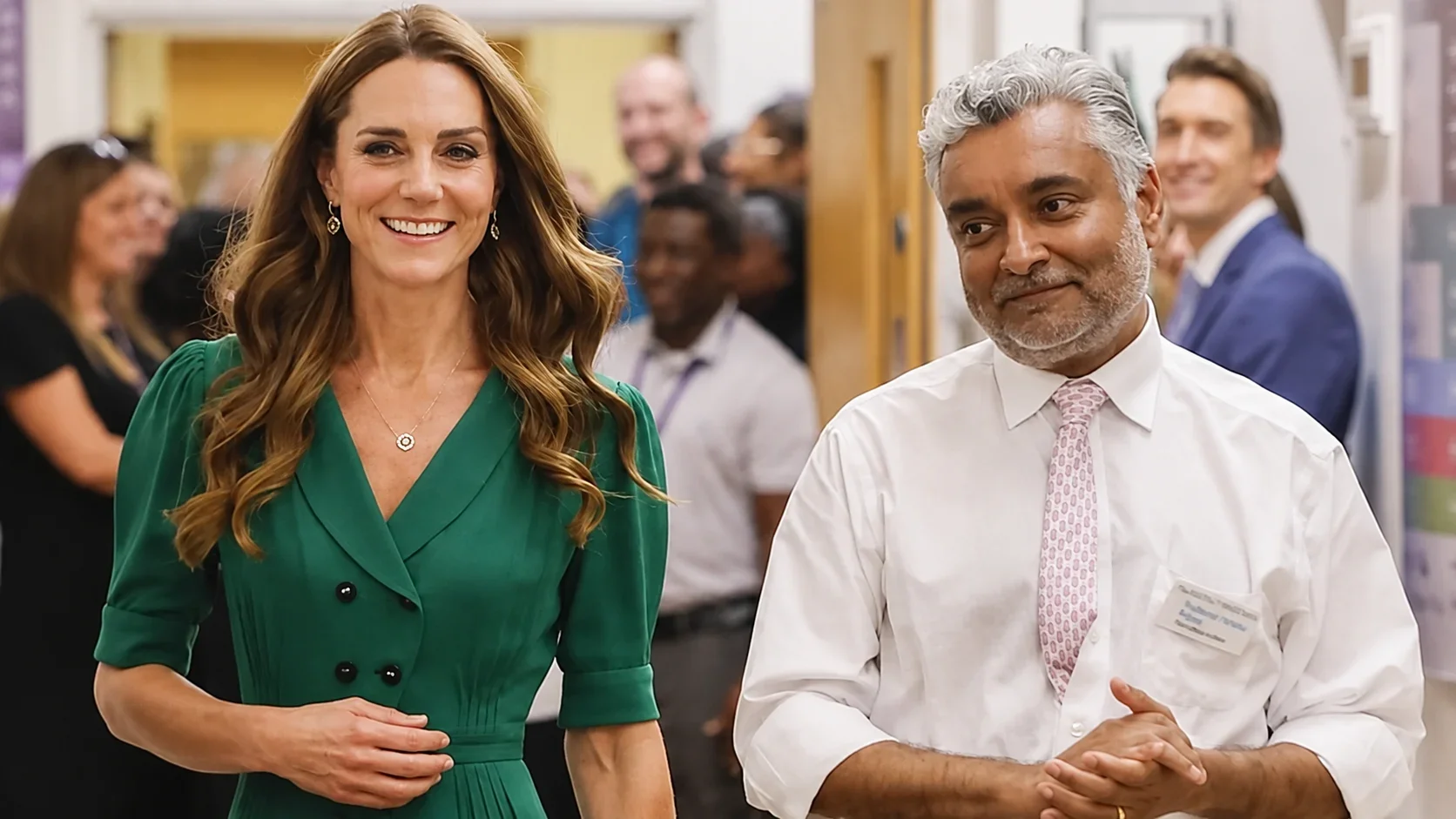
Catherine, Princess of Wales, visits The Royal Marsden NHS Foundation Trust. Source/www.royalmarsden.nhs.uk
Kate Middleton’s Three Peaks Challenge and Support for Cancer Care
In June 2026, the Princess completed Britain’s National Three Peaks Challenge to raise awareness and funds for The Royal Marsden Cancer Charity.
The challenge involved climbing the highest mountains in Scotland, England, and Wales, Ben Nevis, Scafell Pike, and Snowdon, within 24 hours. The physical achievement came approximately 17 months after she announced that her cancer was in remission.
Catherine described the challenge as a personal milestone and an opportunity to give back to the healthcare community that had supported her. Importantly, she used the occasion to emphasize that the effects of cancer extend beyond the disease itself.
Her fundraising efforts highlighted the importance of holistic care, including psychological support, rehabilitation, and quality-of-life services for people living with and beyond cancer.
The achievement also illustrates how her personal recovery experience has increasingly shaped her public advocacy for cancer patients and their families.
Beyond Treatment: Why Cancer Survivorship Care Matters
Catherine’s latest reflections raise an important question for oncology: How can healthcare systems better support patients after active treatment ends?
Traditionally, cancer care has focused heavily on diagnosis, treatment, and surveillance for recurrence. However, as more people live longer following a cancer diagnosis, survivorship has become an increasingly important component of comprehensive oncology care.
Cancer survivorship includes physical recovery, emotional well-being, rehabilitation, long-term monitoring, and support for returning to everyday activities.
Some patients face persistent fatigue, neuropathy, cognitive difficulties, or changes in physical functioning. Others experience fear of recurrence, anxiety around follow-up appointments, or challenges returning to work and social life.
The National Standards for Cancer Survivorship Care emphasize the need for coordinated follow-up, assessment of physical and psychological effects, rehabilitation services, and individualized supportive care.
The Princess’s experience also highlights the importance of recognizing recovery as a process that affects patients and their families, rather than focusing exclusively on medical outcomes.
For oncology professionals, this means that successful cancer care cannot be measured solely by treatment completion or disease control. Quality of life and the ability to rebuild a meaningful everyday life are equally important considerations.
A Personal Message With a Broader Meaning
The interview appeared in a special edition of Country Life guest-edited by Prince William. The issue also featured a kingfisher illustration created by their son, Prince George.
Although the conversation explored Catherine’s relationship with nature more broadly, her reflections on illness offered a rare insight into her life following cancer treatment. Her message challenges a common expectation that recovery should follow a clear timeline.
For some patients, regaining strength may take weeks or months. For others, certain physical or psychological effects may persist much longer.
By speaking openly about the unpredictable nature of recovery, the Princess brings attention to an experience shared by many people living with and beyond cancer.
Remission is an important milestone, but recovery is a journey of its own.
As oncology continues to advance, supporting patients through that journey remains an essential part of delivering comprehensive, patient-centered cancer care.
Read further on OncoDaily: Joe Biden Says Prostate Cancer Is Slowing Him Down Ahead of Memoir Release